Overall impression: Valley Hi Nursing & Rehabilitation presents as a well-maintained, clinically oriented facility with consistent emphasis on cleanliness, rehabilitation, and structured programming. Families frequently describe the campus as modern and organized, with visible infection-control procedures, dedicated rehabilitation services, and a staffed activities department that keeps residents engaged. Demand appears strong, as indicated by a waitlist and multiple references to the facility being a county leader for skilled care.
Care and staff: Reviewers consistently highlight clinical strengths — skilled nursing, 24-hour nursing coverage, and an elevated nurse-to-CNA ratio that supports ongoing monitoring and rehabilitation work. The rehabilitation department and discharge coordination are commonly described as effective, and many families report positive short-term rehab outcomes. Staff demeanor is often characterized as compassionate and family-oriented; however, there is a notable pattern of uneven staff responsiveness. Some accounts praise attentive, long-tenured personnel, while others indicate delays in addressing routine requests or variability in staff conduct. There are also isolated concerns about medication-administration consistency that prospective families should clarify during intake.
Dining and activities: Dining and social programming are generally viewed positively. Multiple references to pleasant meals, communal dining, bingo, game nights, exercise classes, and seasonal decorations suggest a lively activities calendar. The facility's activities department is frequently singled out as a strength, and animal visits, bird-friendly outdoor features, and garden courtyards are used to enhance resident engagement and quality of life.
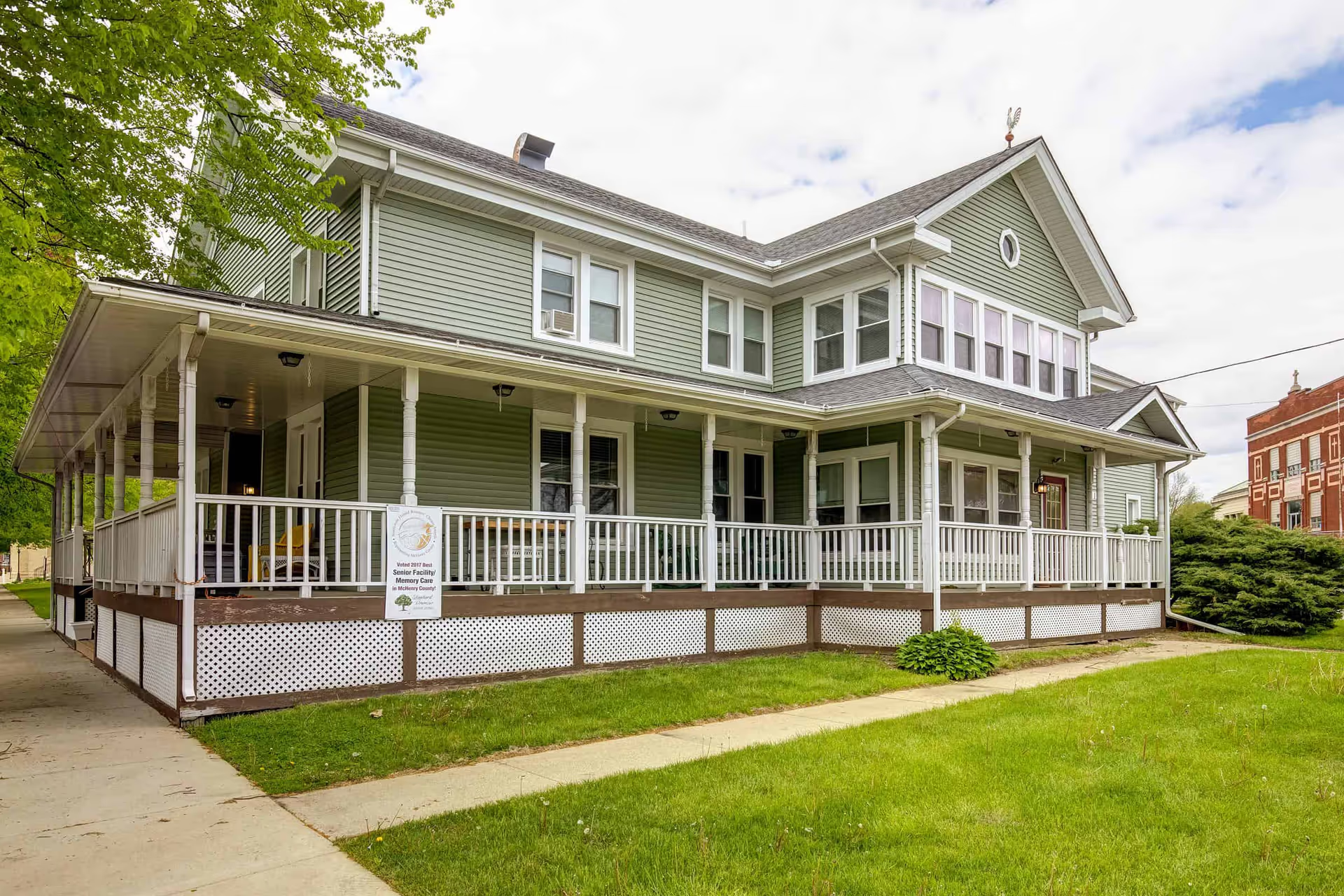
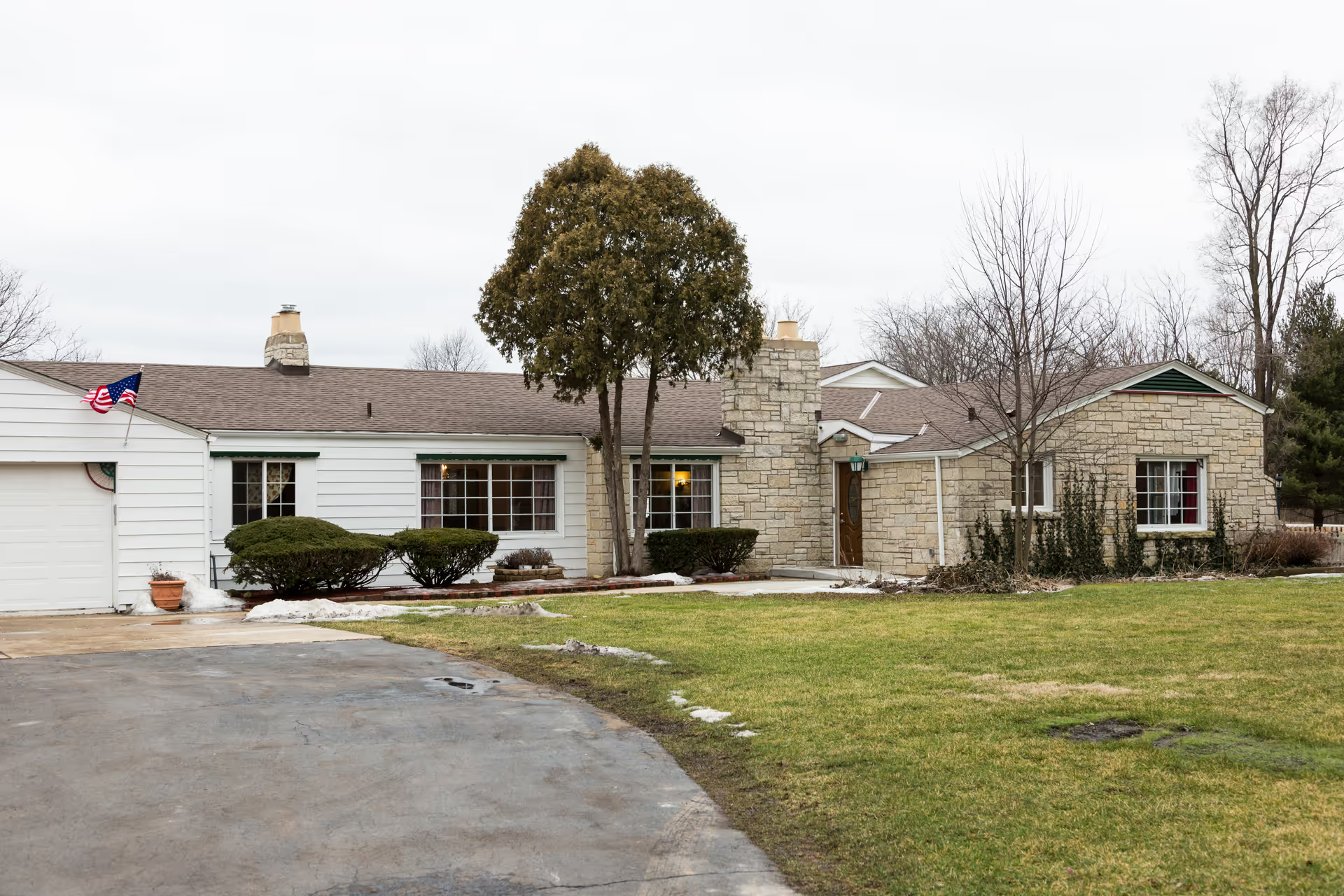
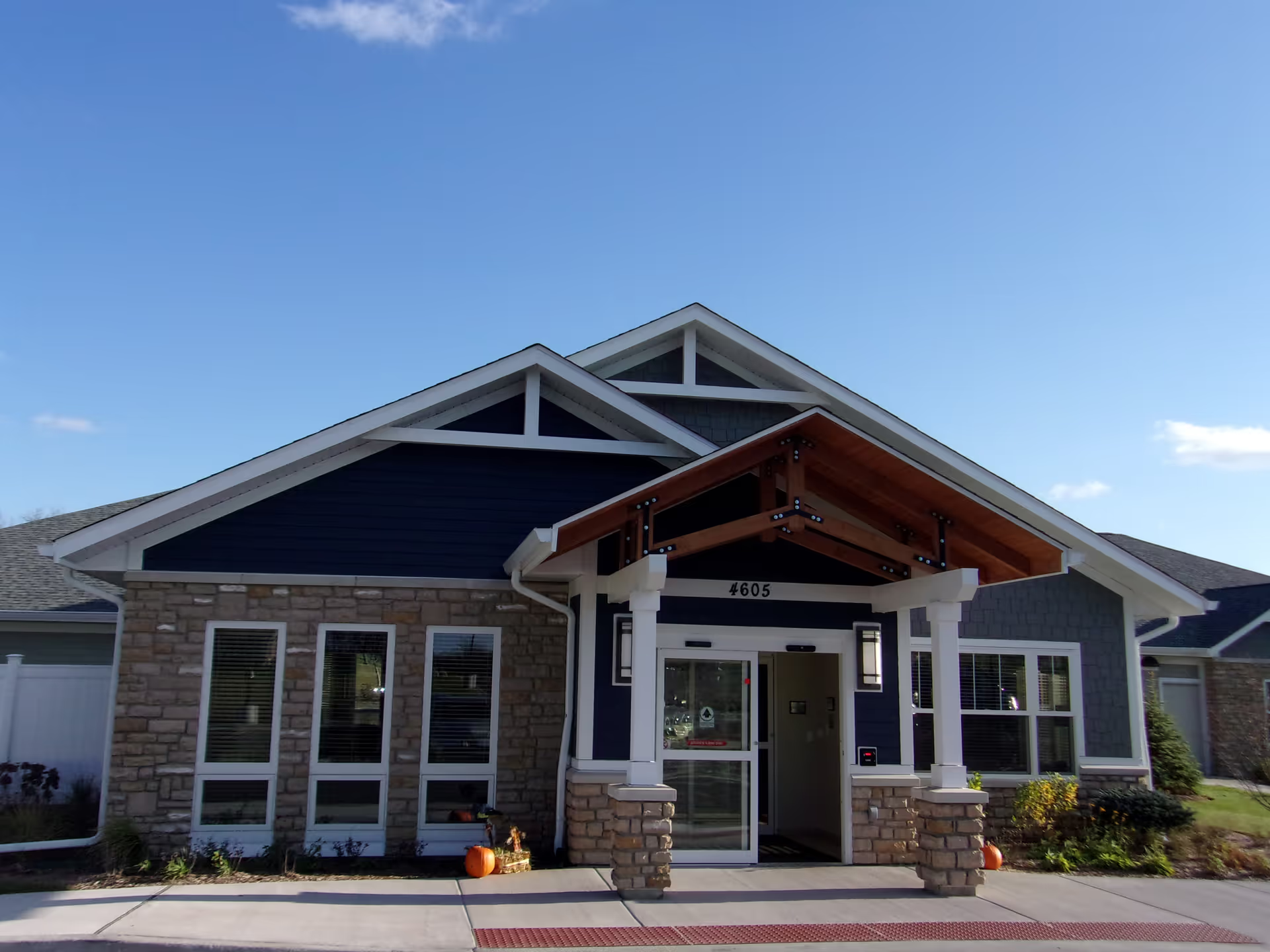
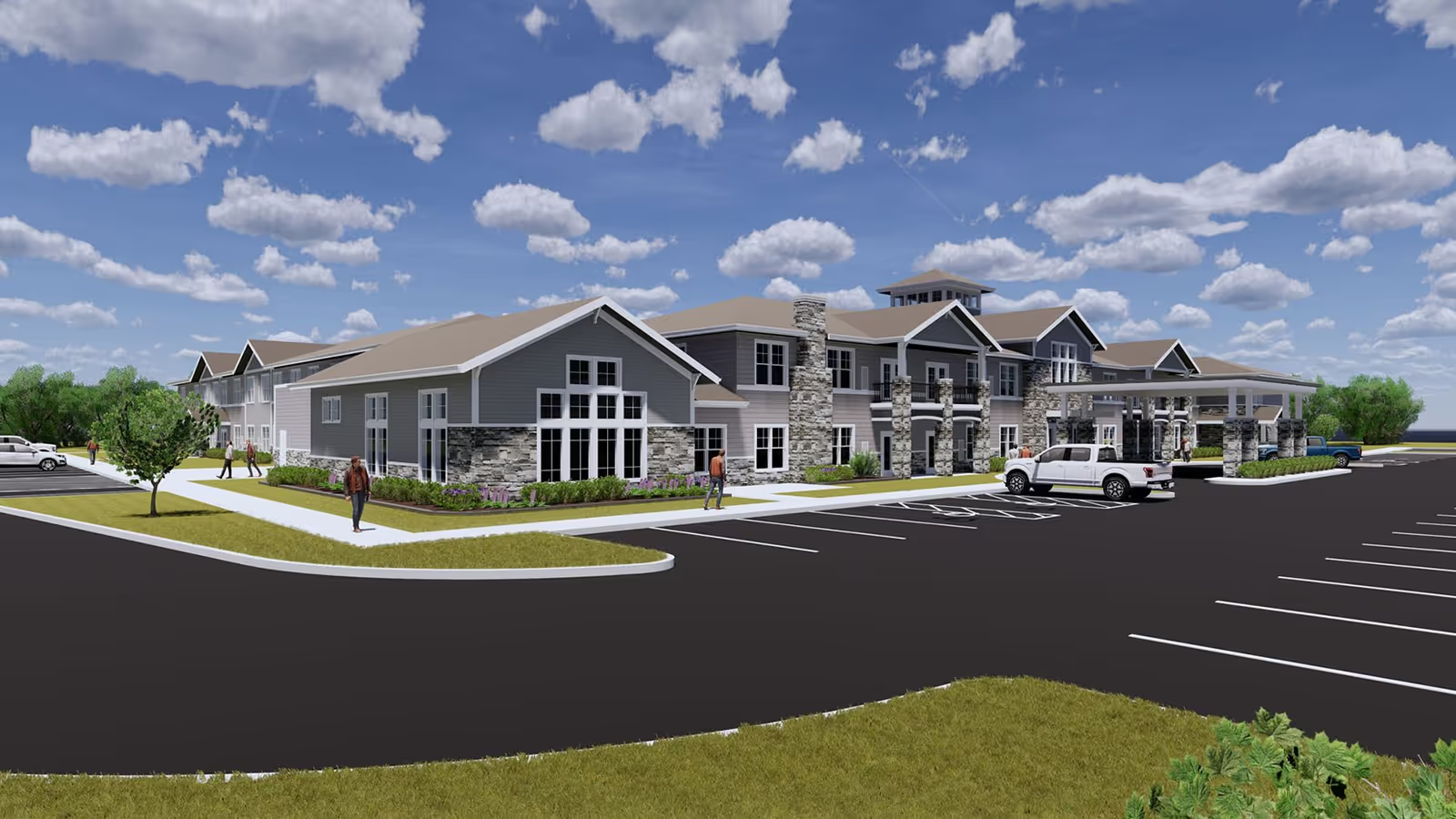
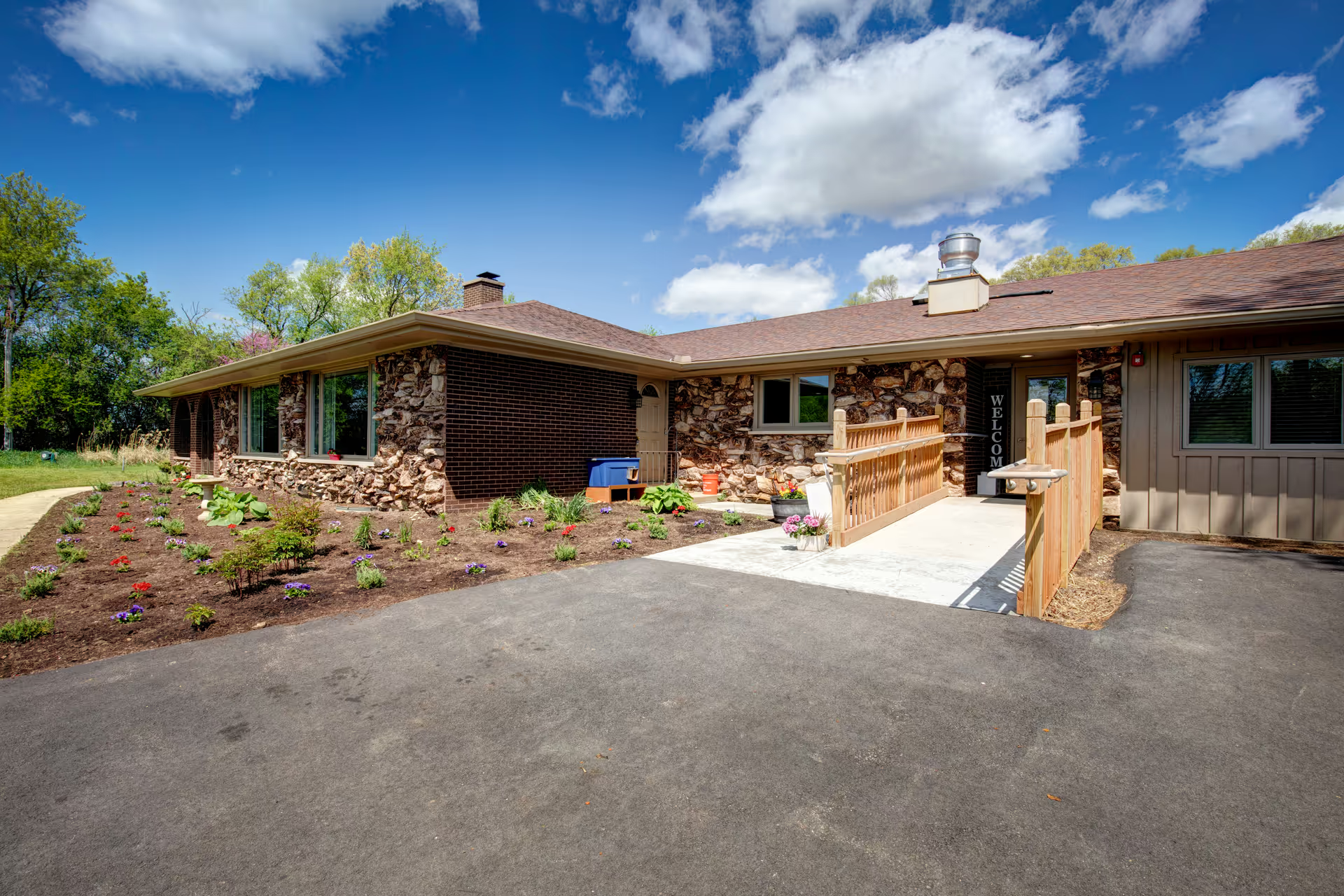
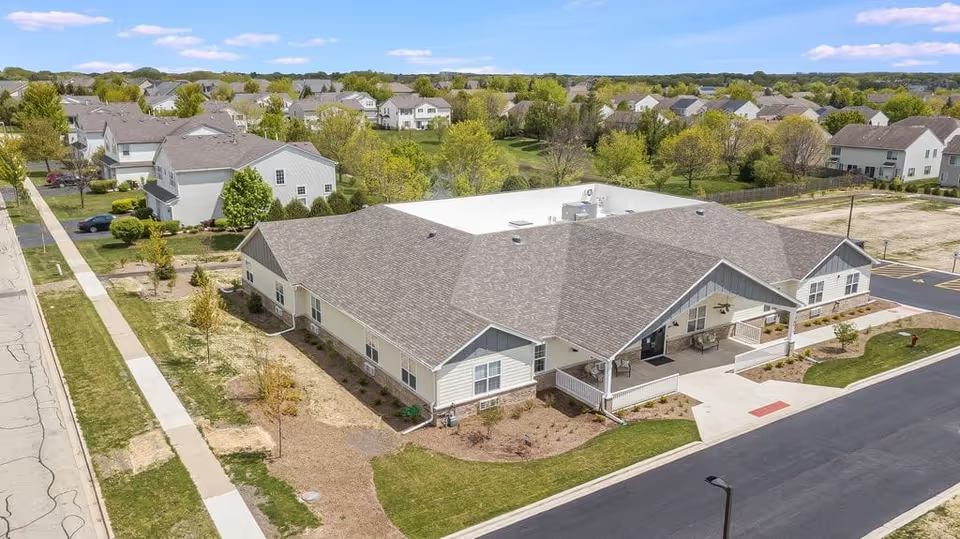
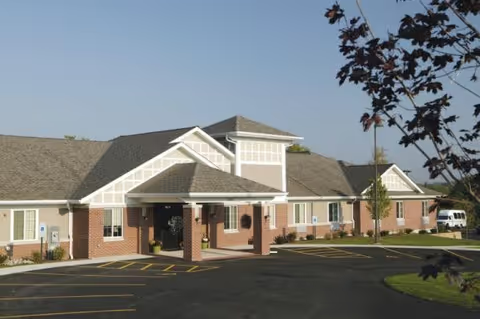
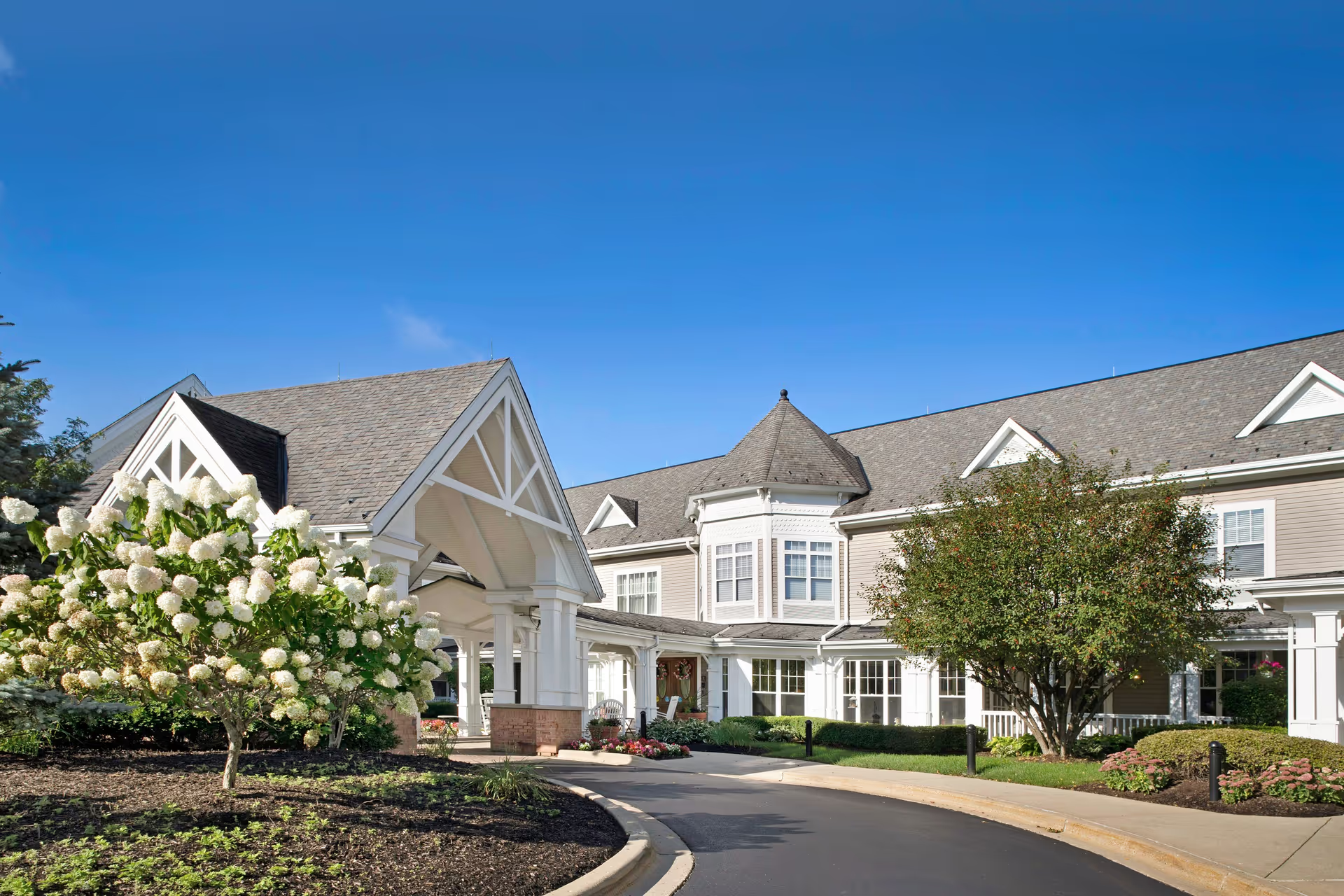
Facilities and accommodations: The campus is described as clean, modern, and well-organized, with attractive outdoor spaces and an exercise room. The setting is rural, which some families appreciate for the views and tranquility, while others consider the location remote. A recurring operational limitation is the prevalence of shared rooms and the small size of some doubles; several reviewers preferred larger or private rooms and noted limited mobility-equipment availability. The facility’s single-floor layout and accessible courtyards are positives for mobility, but physical-room options should be confirmed at admission.
Management and policies: Admissions and discharge teams receive favorable comments for being helpful and communicative, and partnerships with external providers are noted. At the same time, reviewers identify areas for administrative improvement: unclear billing/benefits coordination, perceived limits tied to insurance or affordability, and selective admission practices that appear to favor lower-acuity patients. Communication channels could be strengthened—several families mentioned a sparse or unhelpful website and variable visitation policies during infection-control periods. These operational traits may affect families during both short-term rehabilitation stays and long-term placement.
Recommendation guidance: Valley Hi appears to be a solid option for families prioritizing clinical cleanliness, skilled rehabilitation, and an active activities program, particularly for those seeking memory-care services or round-the-clock nursing. Prospective residents and families should clarify room type availability, mobility-equipment access, medication-administration protocols, admission criteria related to acuity and insurance, and the facility’s current visitation policies before committing. Doing so will help align expectations about atmosphere (more clinical than boutique), room configuration, and administrative processes.