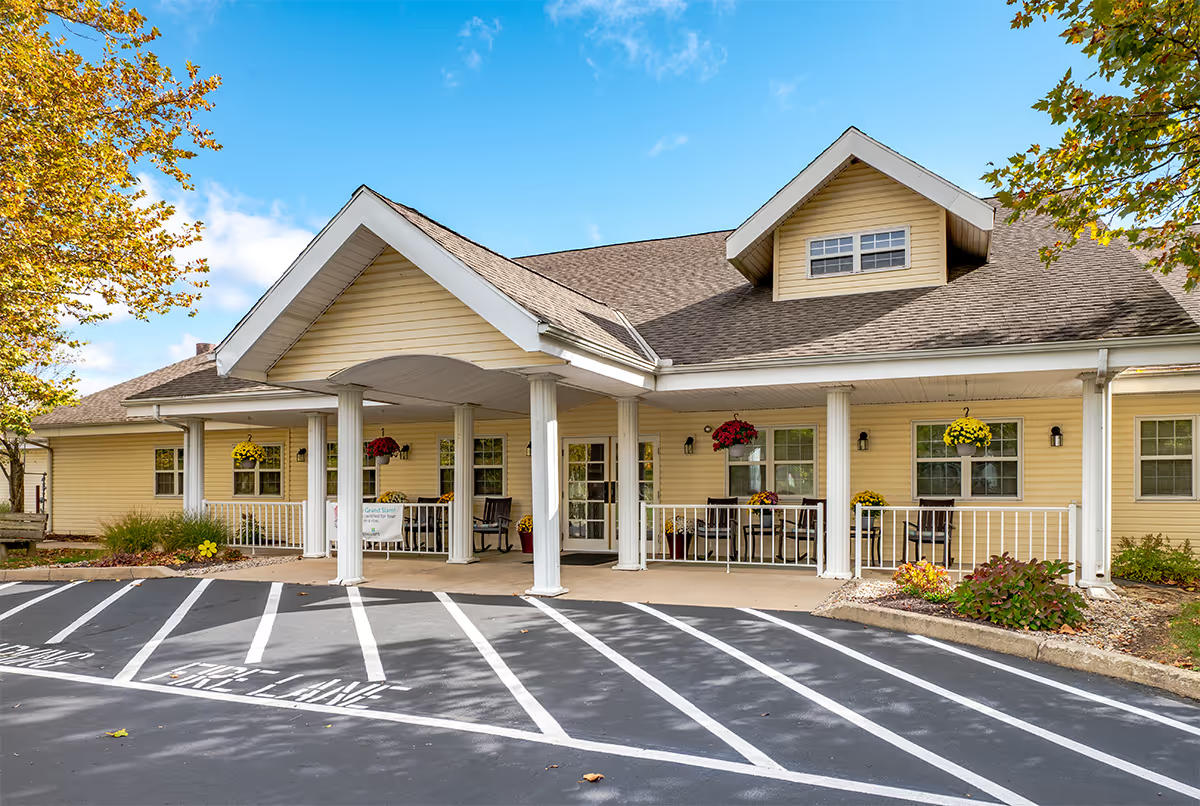
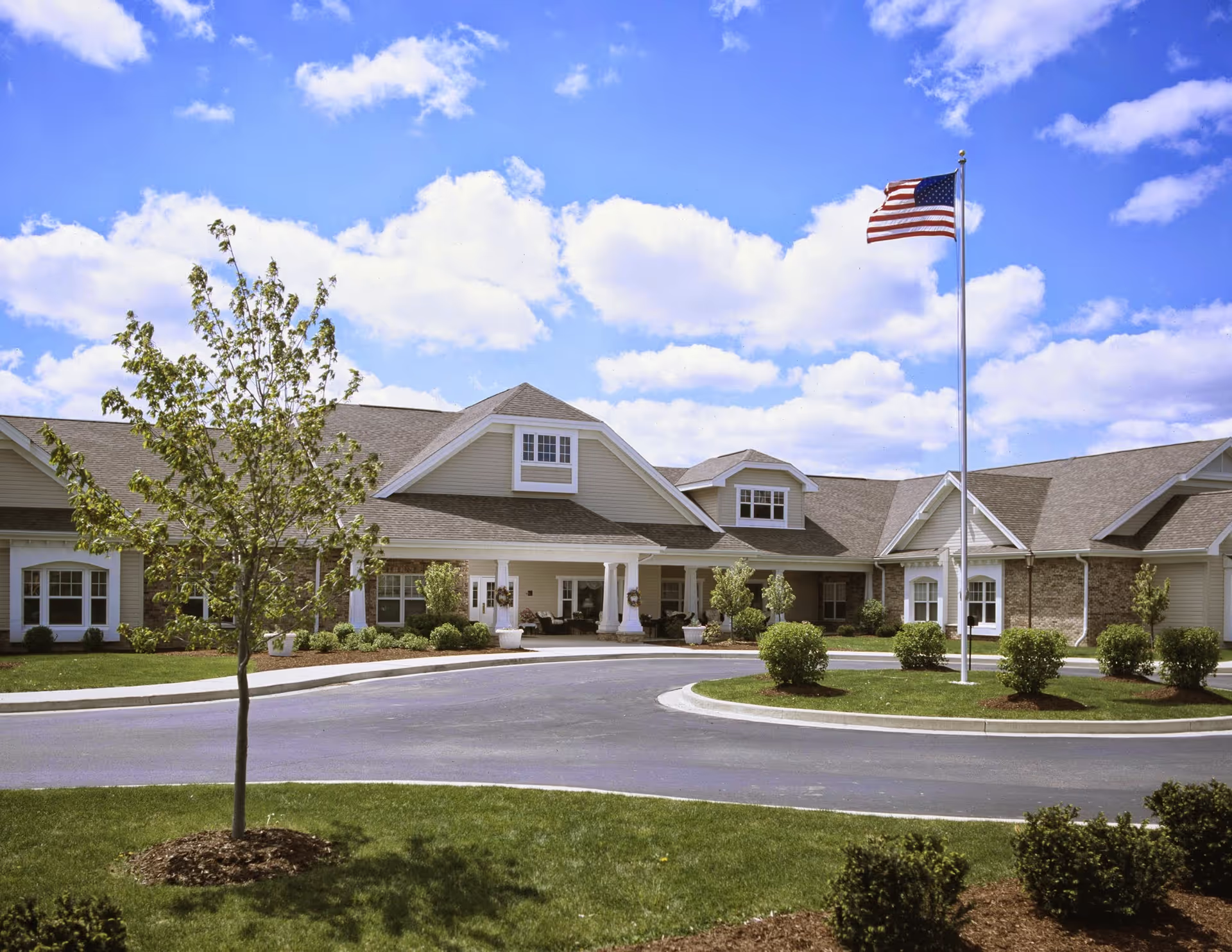
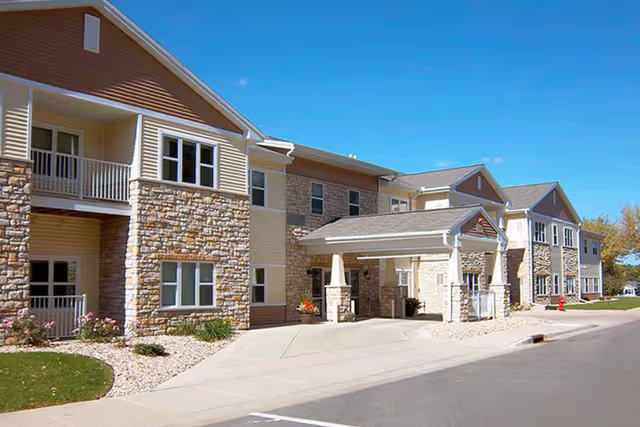
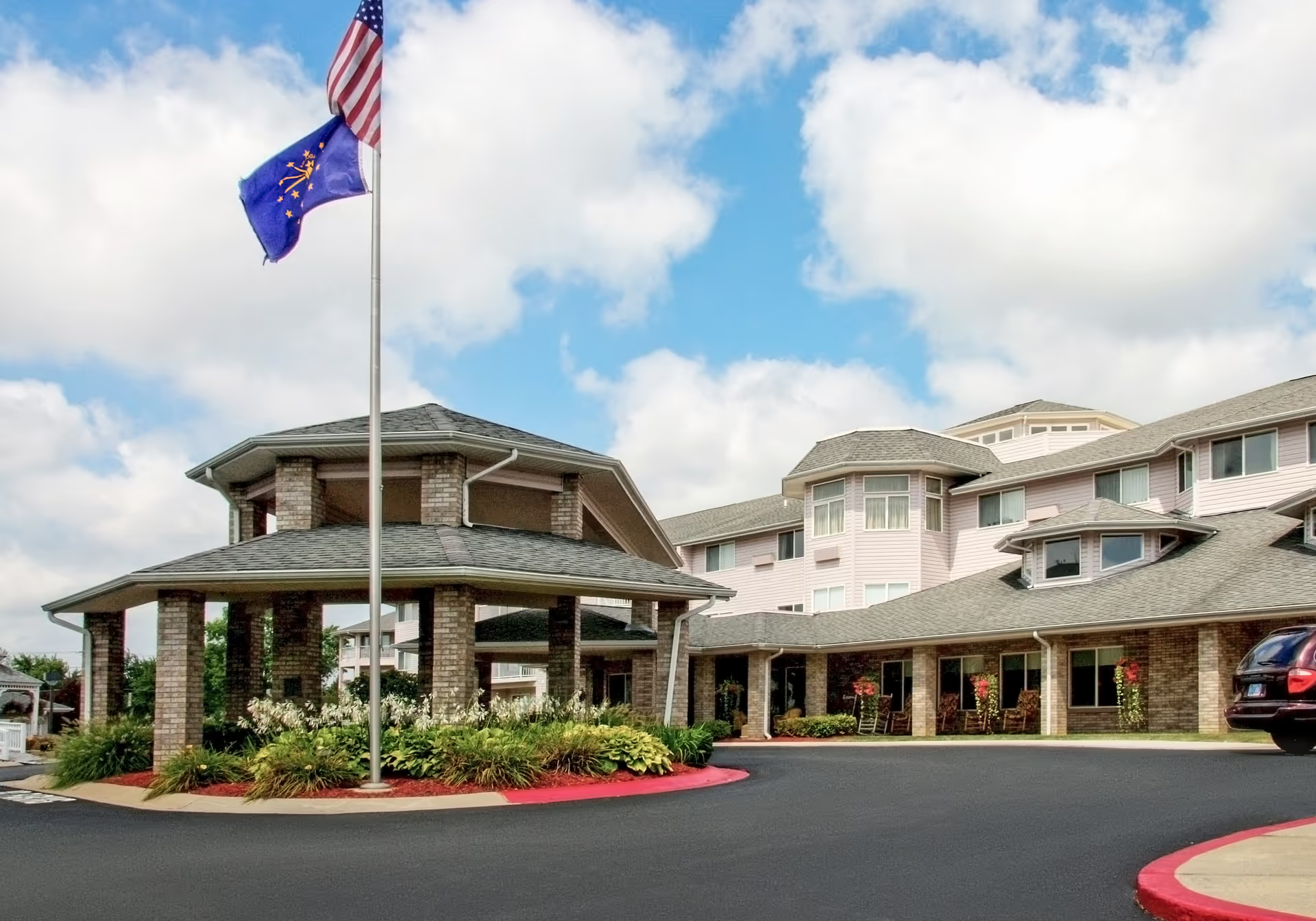
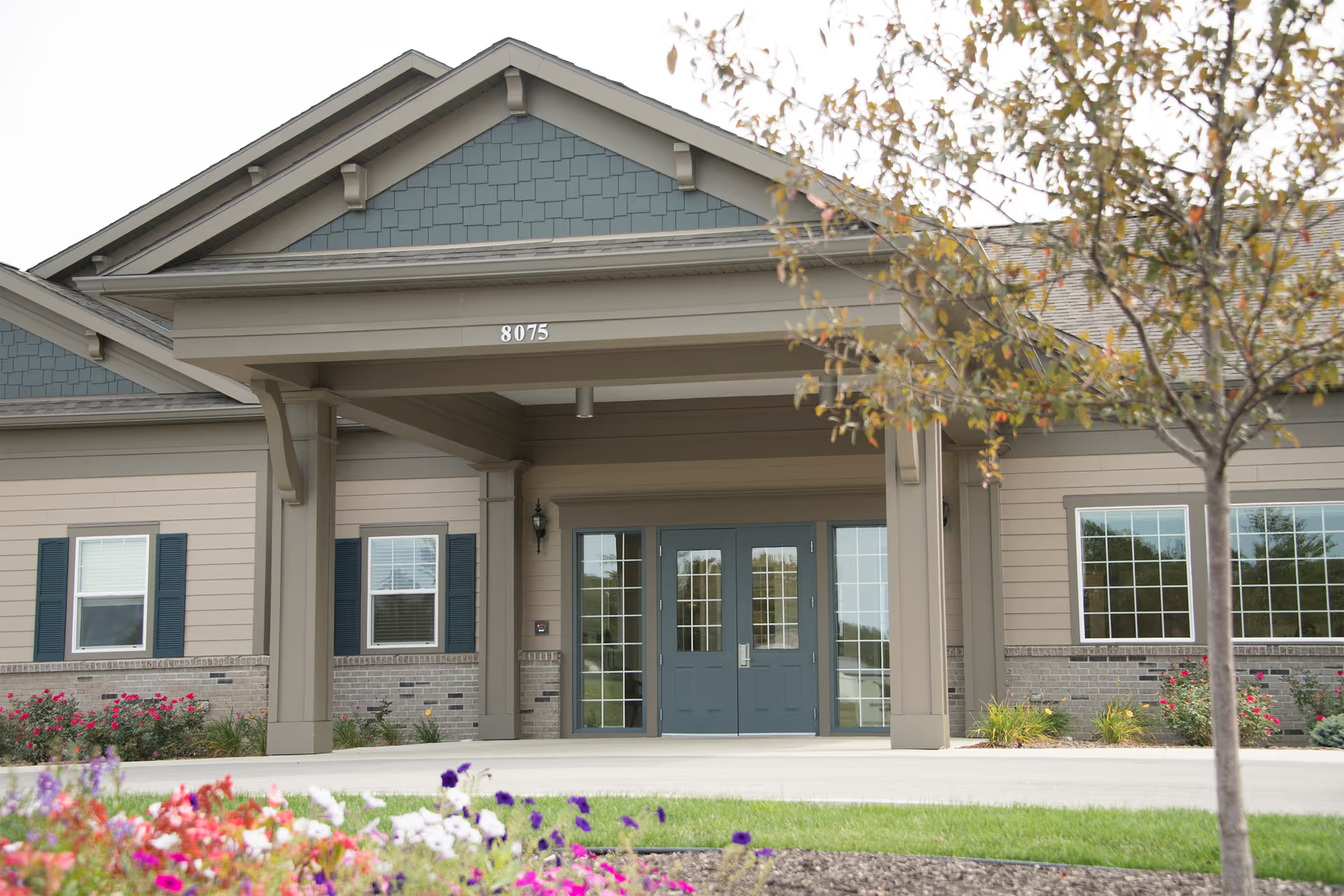
Ascension Living LaVerna Terrace is described as a small, home-like senior community where many residents maintain friendships and social connections. The physical plant is often characterized as attractive and well maintained, and reviewers frequently note cleanliness and HUD-compliant administrative policies. The community scale and privacy-respecting practices contribute to a quieter, more residential atmosphere for many residents.
Care quality is generally portrayed positively. Nursing staff are described as caring, prompt, and respectful; families and residents note responsive caregiving and efficient attention to needs. These caregiver-level strengths appear to be a consistent asset and a central reason some families recommend the community. A stated privacy policy and equitable treatment are additional organizational elements that support resident dignity.
Facilities and amenities receive mixed commentary. Several reviewers praise a clean environment and functioning in-room amenities, while others cite pest-control concerns and unexplained interruptions to services or amenities (for example, periodic loss of television access). The building’s aesthetic and maintenance are strengths, but operational inconsistencies around amenity availability and occasional sanitation-related concerns are acknowledged by some observers.
Management and administration emerge as the primary area of concern. Reviewers describe frequent ownership and leadership turnover, limited on-site management hours, uneven follow-through on administrative commitments, and a culture in which residents or families may be reluctant to raise issues for fear of repercussions. At least one account contrasts periods of perceived decline with more recent reports of a new manager initiating corrective actions; this suggests that leadership changes have a pronounced impact on day-to-day quality.
Dining and activities are less frequently detailed in the available summaries. Social opportunities appear to center on resident-to-resident relationships and informal gatherings; organized programming and dining quality are not consistently discussed, so prospective families should request specifics during a visit. Similarly, while hygiene and housekeeping are often described positively, the noted pest-control concern and service interruptions indicate topics to review in person.
Notable patterns: overall resident experience seems to be driven by a combination of strong front-line caregiving and variable administrative leadership. Where nursing and direct-care staff are engaged, residents report satisfaction; where leadership is less present or changes frequently, families report operational lapses and declined confidence. For prospective residents and families, a focused visit should verify current management availability, pest-control measures, amenity reliability, and examples of recent administrative follow-through to confirm that the facility’s positive caregiving culture is matched by stable leadership and consistent operations.