Overall impression: Reviewers’ experiences with Beech Grove Meadows are polarized. Many families and residents praise attentive, personable caregivers, apartment-style living, active social programming, and a number of strong clinical contributors (notably some nurses and therapy teams). At the same time, a significant subset of comments raises operational and clinical concerns that prospective residents and family members should evaluate closely.
Care quality: Clinical performance appears inconsistent. Several accounts highlight capable nursing and an effective rehabilitation team that produced good outcomes. However, recurring issues include medication-administration errors or changes without clear family communication, delayed or inconsistent diagnostic follow-through, and variable pain and symptom management. There are isolated, serious allegations that have led to strong family concern, including concerns following a resident's death; these appear exceptional but underscore the need to verify clinical protocols and incident follow-up before placement.
Staffing and daily care: Many reviews describe compassionate, long-tenured CNAs and nurses who deliver individualized attention and support family involvement. Counterbalancing these reports are frequent descriptions of staffing shortages, high turnover, slow response to call lights, and uneven performance by some employees. These operational staffing patterns are tied to delays in basic assistance, inconsistent bathing or dressing schedules, and variability in staff communication tone.
Dining and activities: The community offers organized social activities, day rooms, frequent outings, and an active dining program that some residents find homelike and satisfactory. Other reviewers report inconsistent meal preparation and delivery—cold meals, uncut portions, missed meals, or limited frequency of outings and activities. Visiting during mealtime and asking for recent activity calendars can help assess the current program.
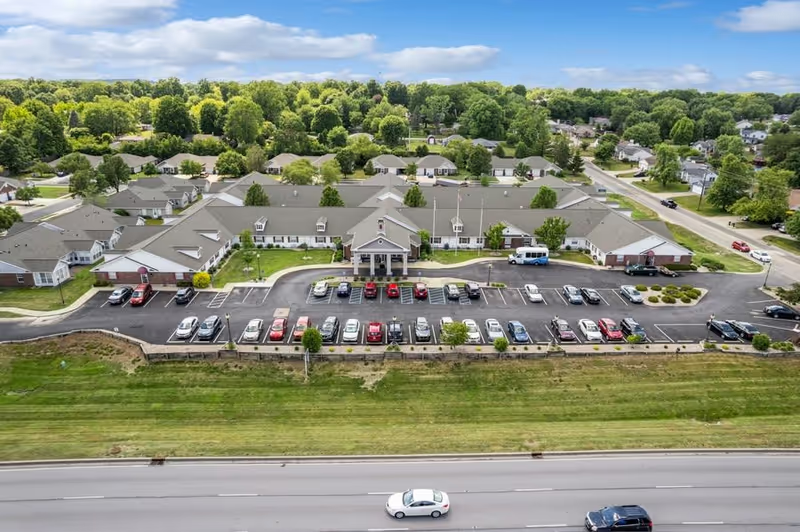
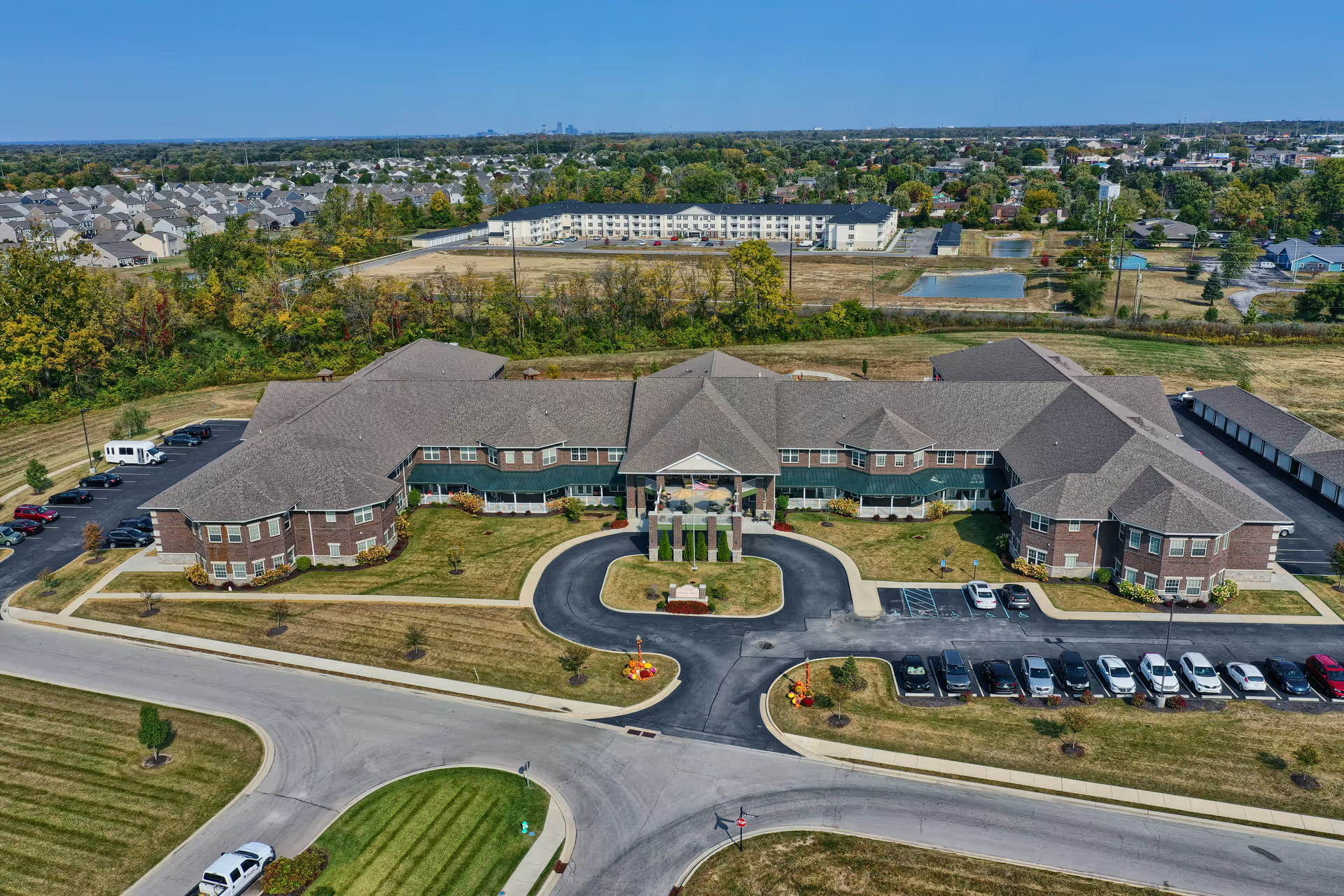
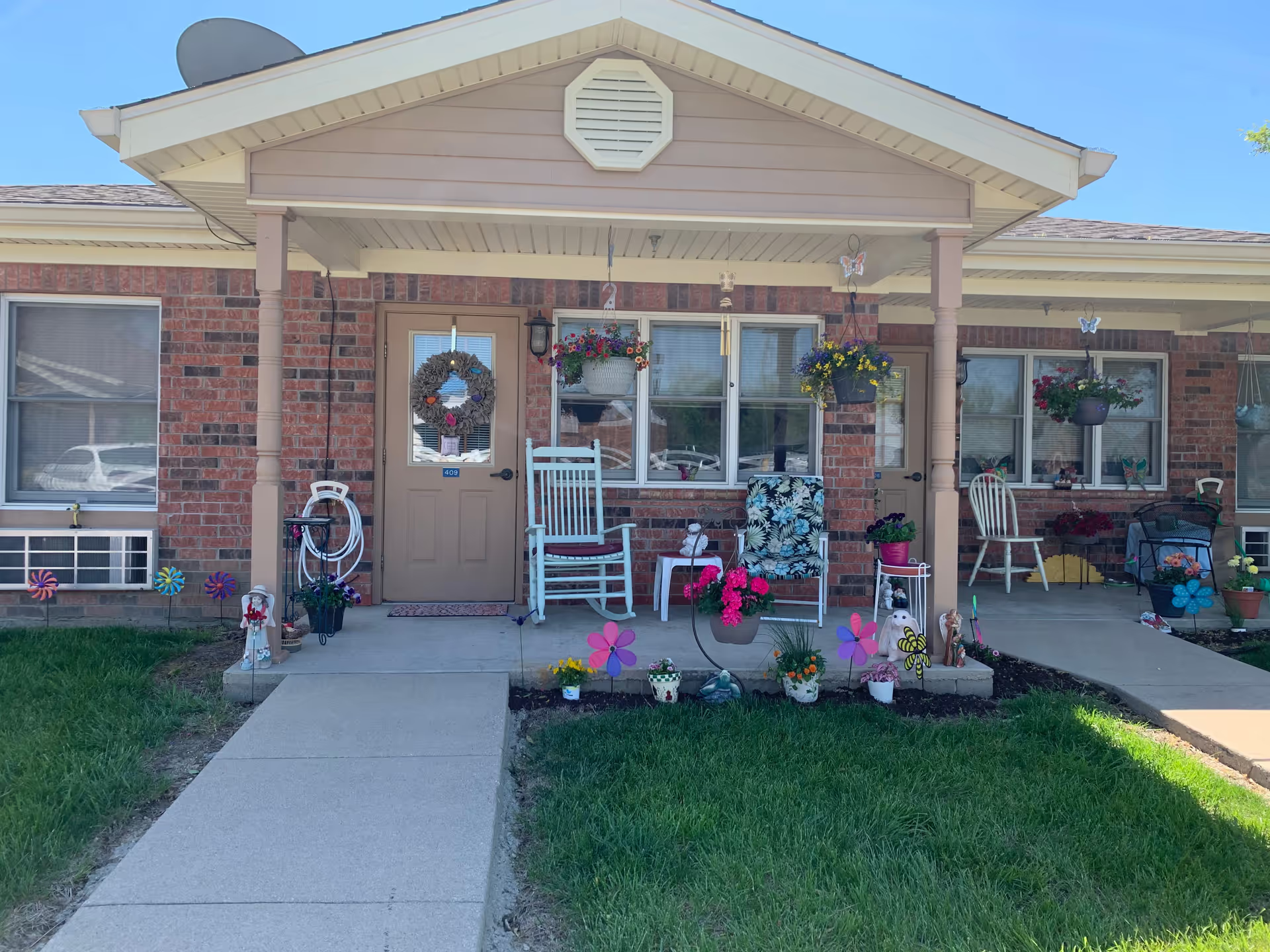
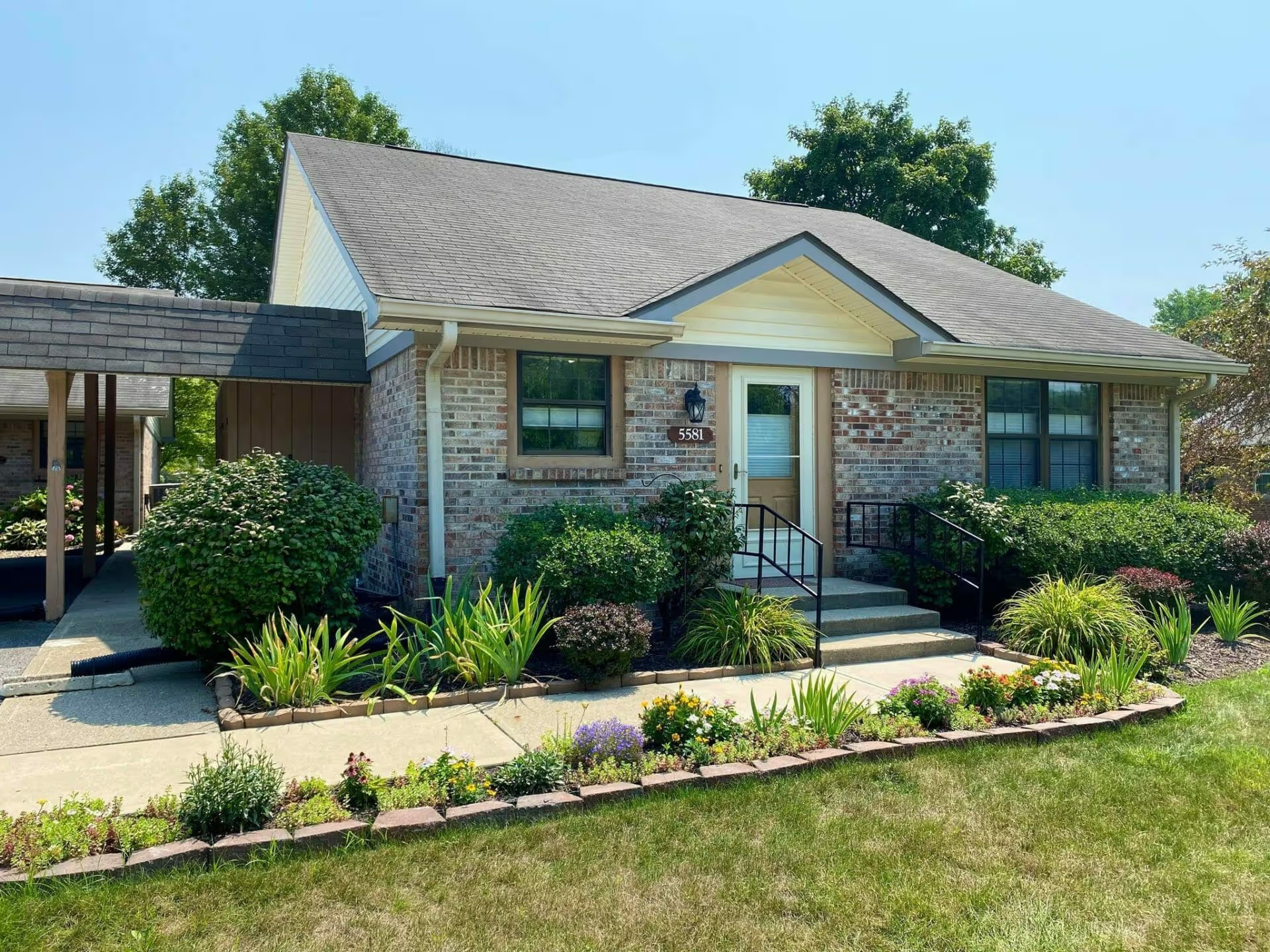
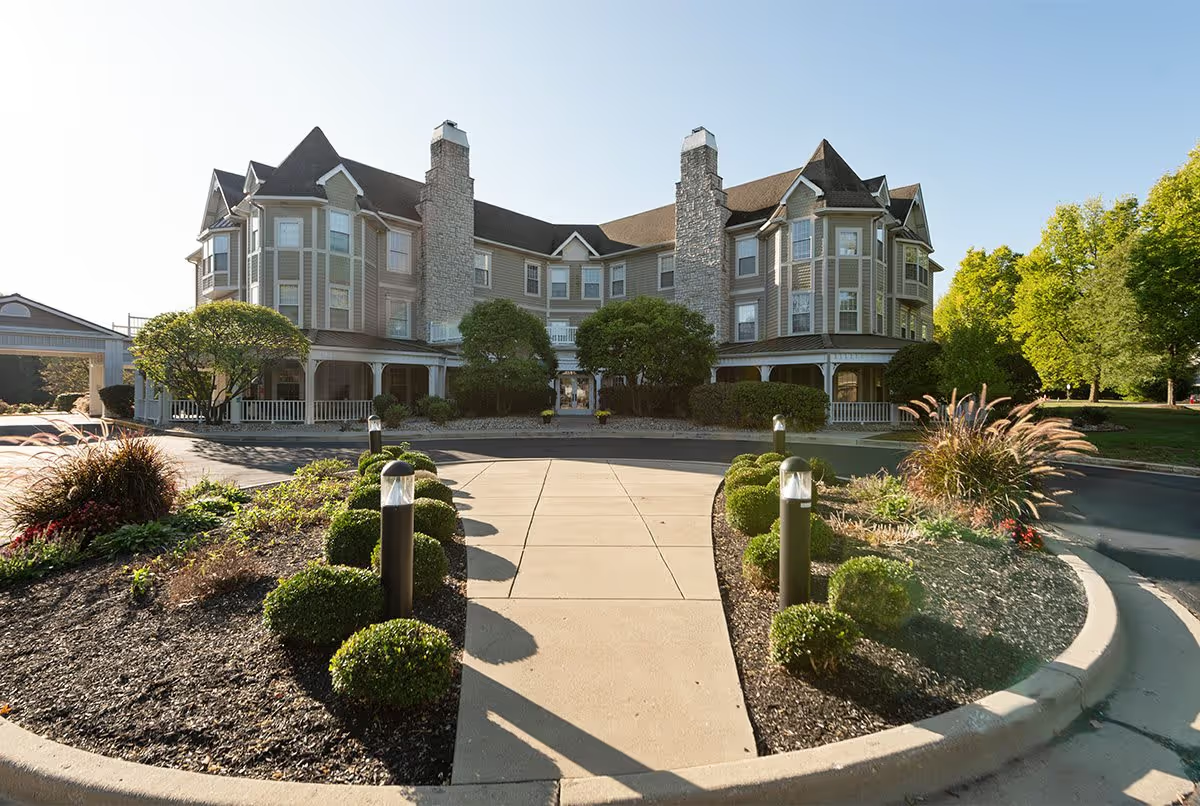
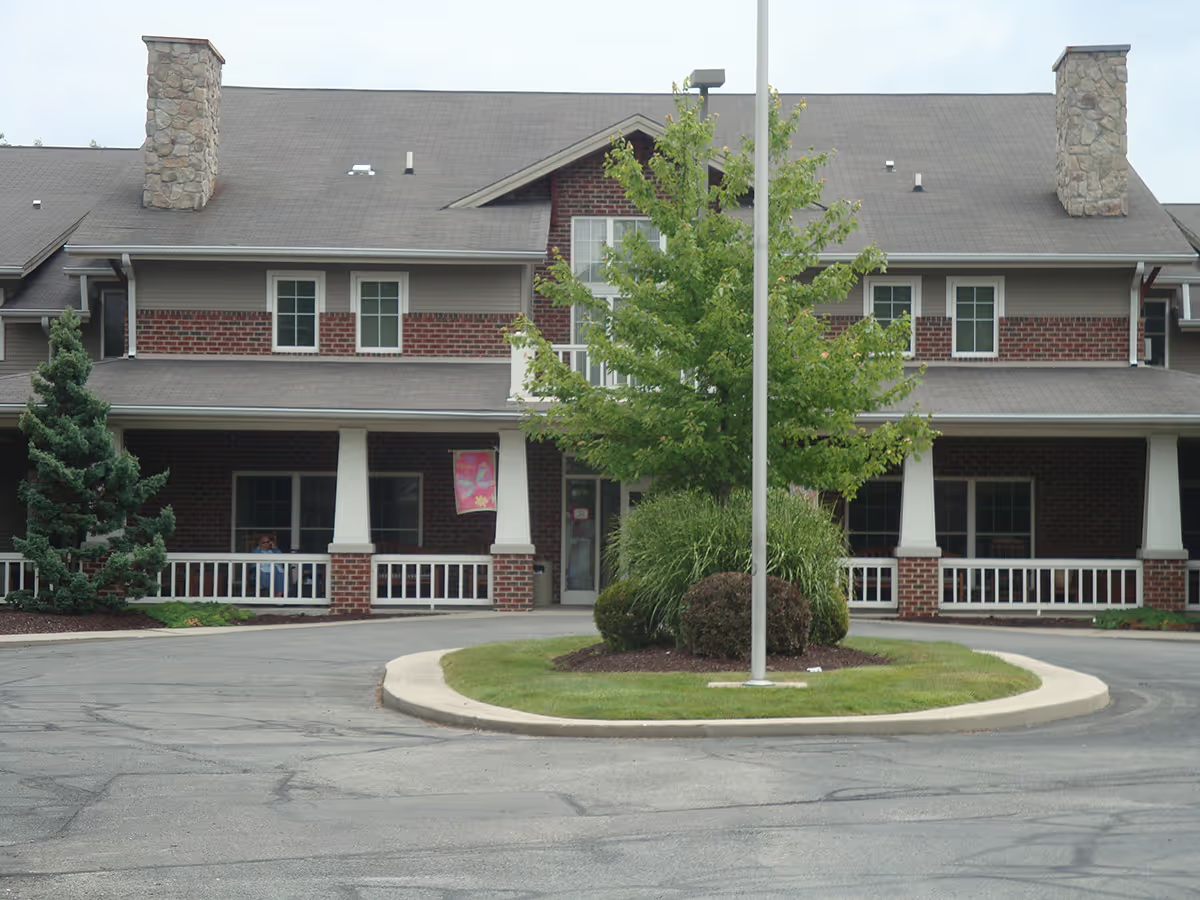
Facilities and maintenance: The facility's apartment-style units, gardens, and small-community scale are frequently noted as positive features. At the same time, reviewers describe ongoing maintenance-response issues (long repair times, incomplete follow-up), variable cleanliness and sanitation practices in some areas, and pest-control concerns. Several accounts indicate improvements in cleanliness under new management, suggesting variation over time and across units.
Management and communication: Management impressions are mixed. Some families commend specific managers and the admissions team for responsiveness and individualized planning, while others describe slow follow-through, frequent administrative turnover, perceived prioritization of financial considerations, and patchy communication about clinical events and discharges. Transportation coordination and discharge medication continuity are recurring operational gaps cited by reviewers.
Notable patterns and practical guidance: The community can offer a supportive, home-like environment with strong relationships and good therapy options for many residents, but there are consistent operational themes that warrant attention—especially around medication controls, staffing levels, sanitation practices, and maintenance follow-up. Prospective residents and families should tour the community during peak activity (mealtime and evening), ask for current staffing ratios and recent inspection/complaint resolutions, review medication and discharge protocols, and inquire about pest-control and maintenance service-level agreements. These steps will help determine whether the facility’s current operating practices align with a family’s expectations for safety and continuity of care.