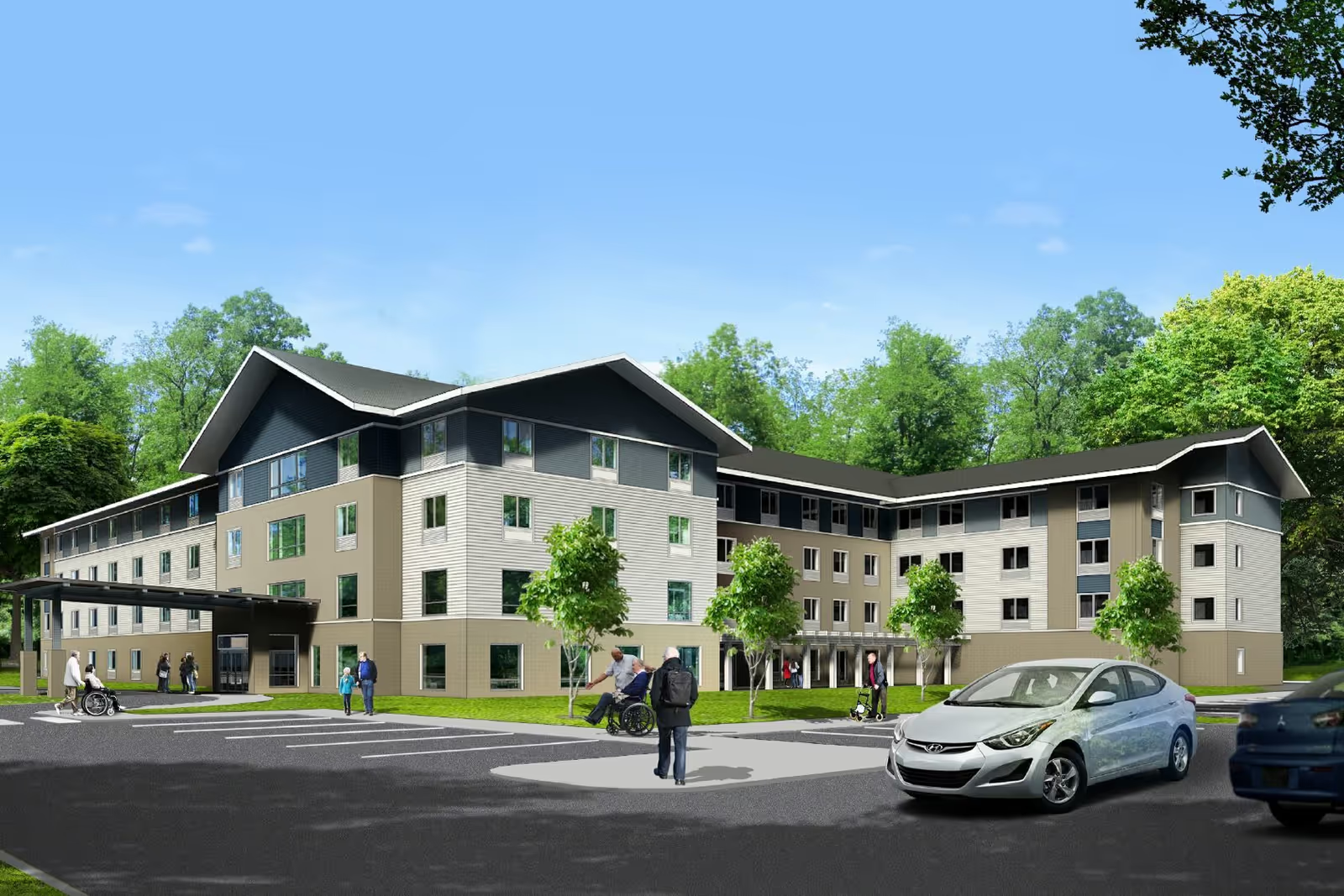
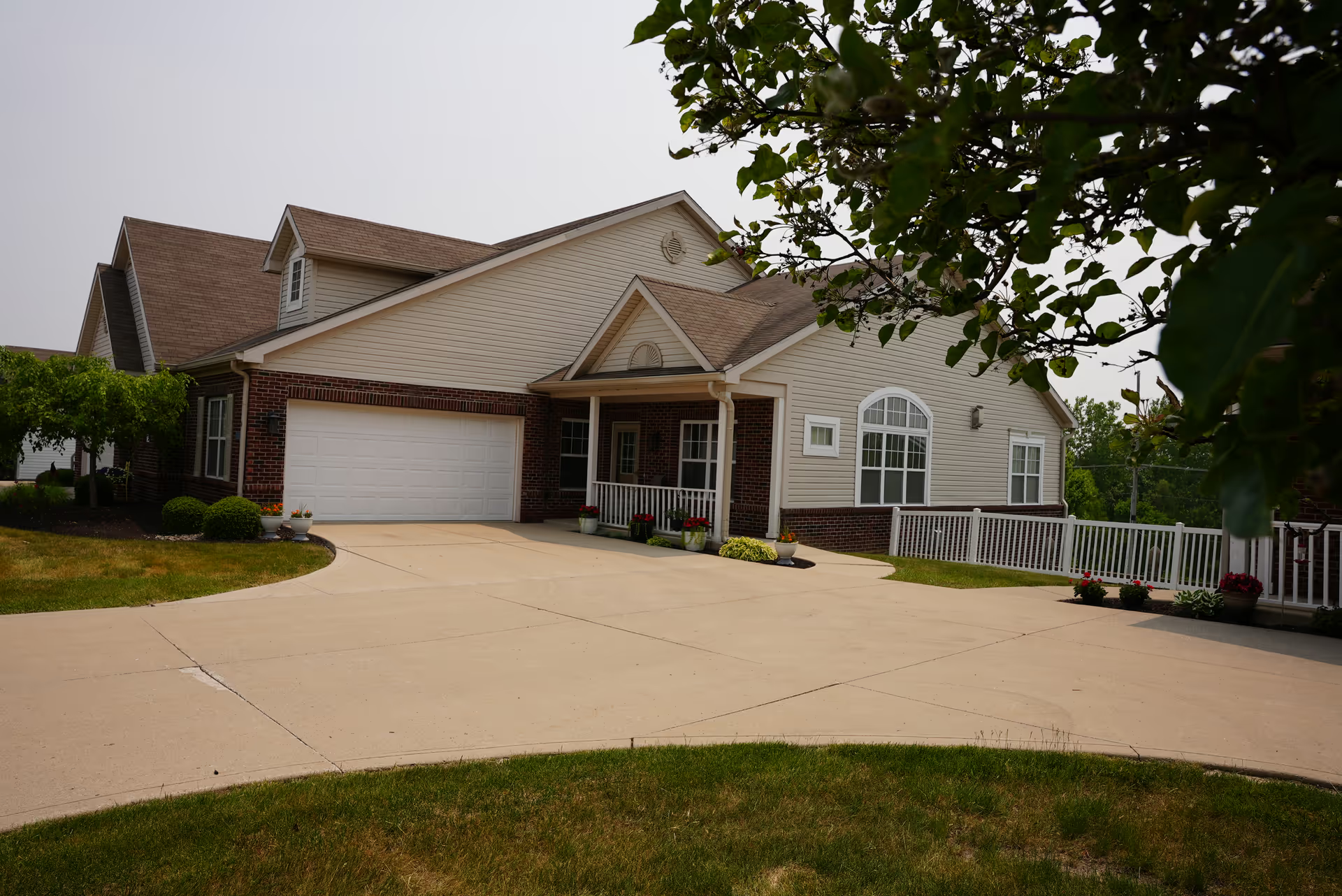
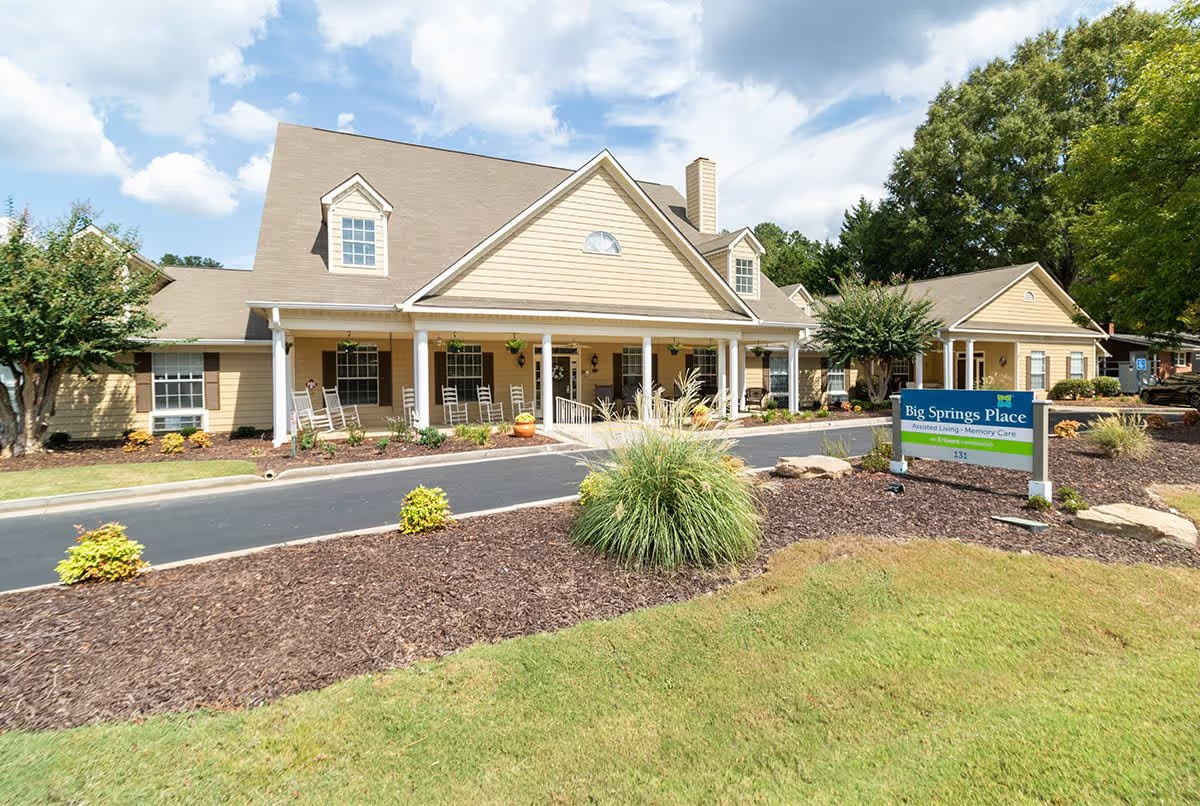
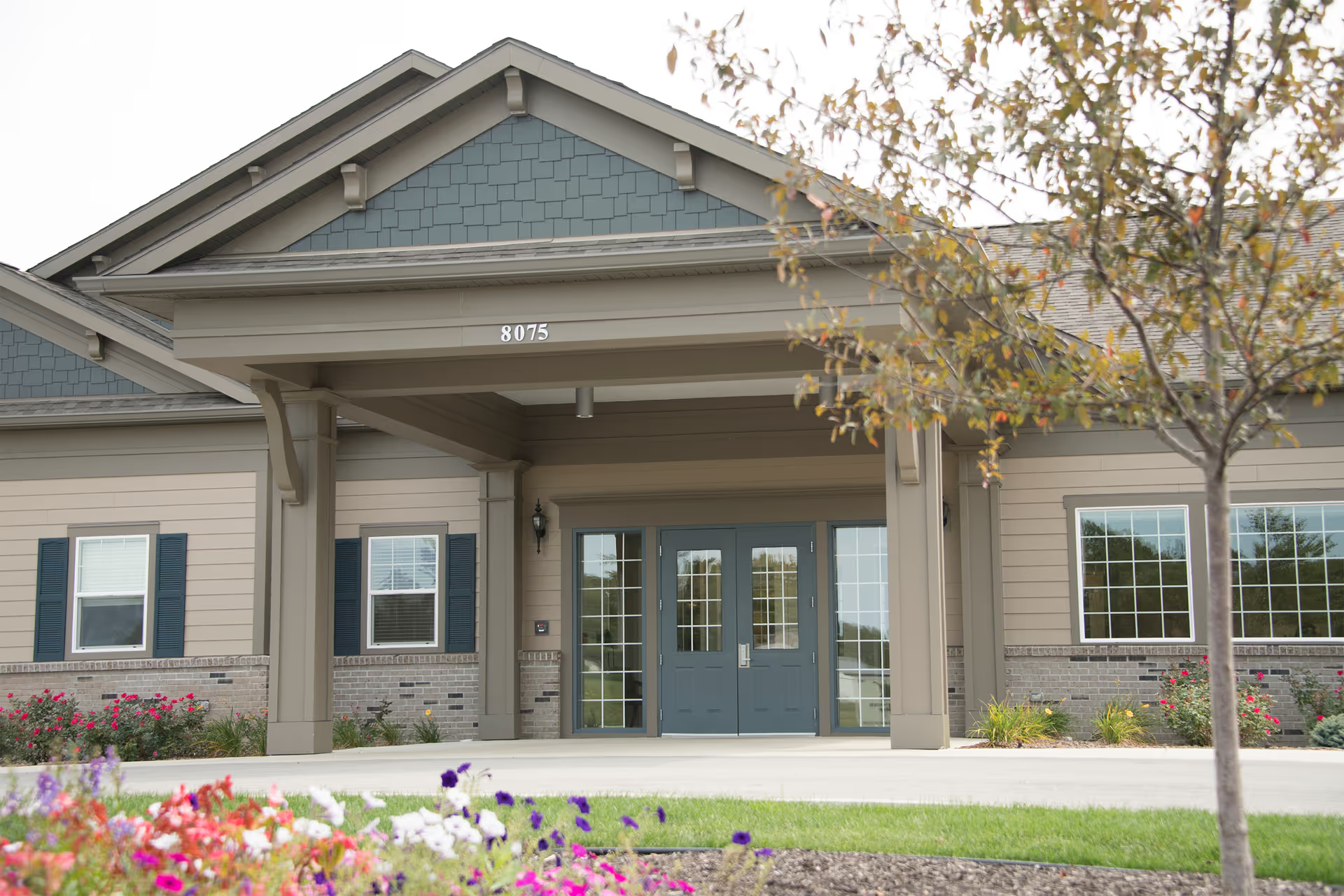
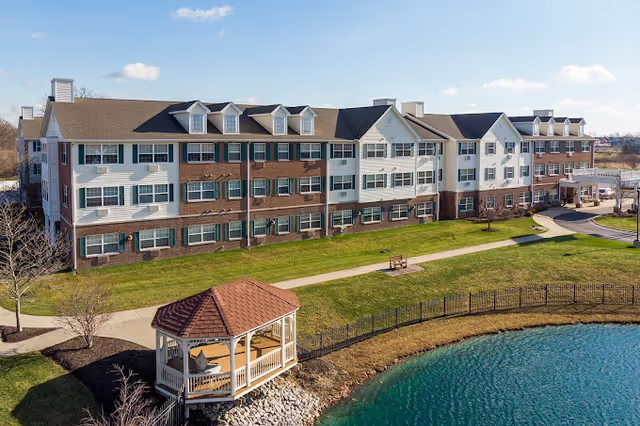
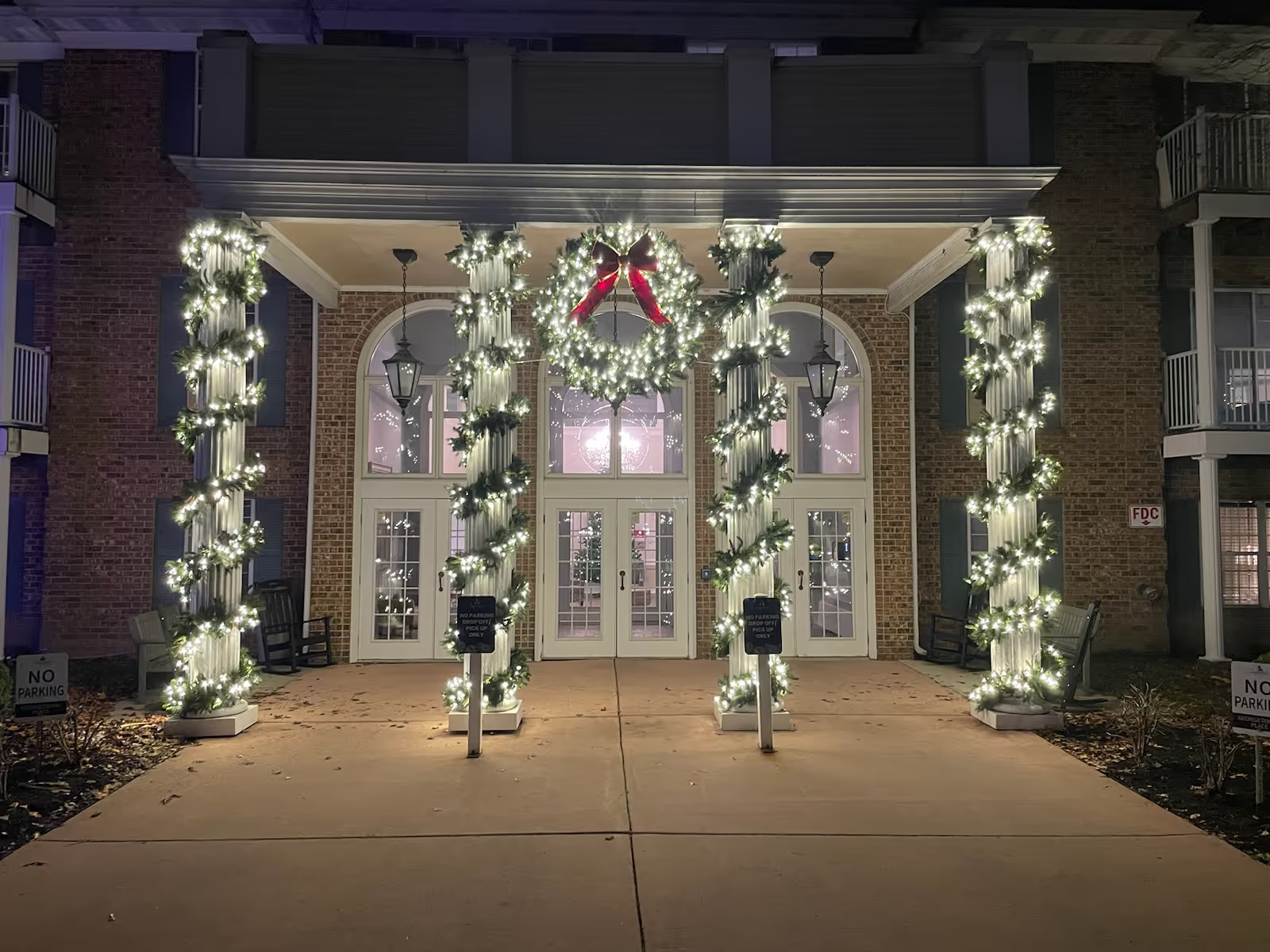
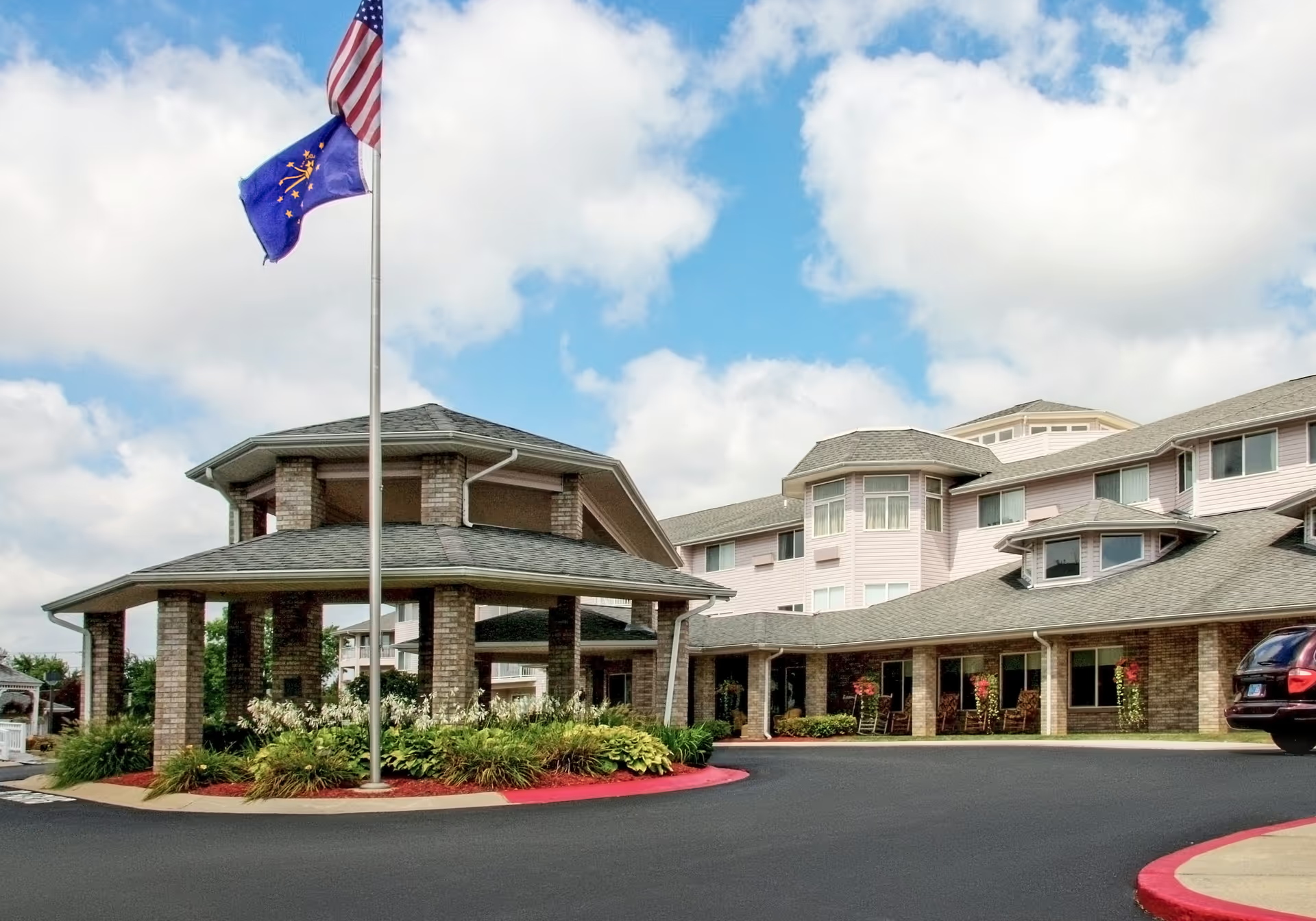
River Terrace presents as a well-appointed continuing care community with many attributes families commonly seek: attractive, hotel‑quality architecture; well‑maintained grounds and walking paths; private suites and cottages; multiple on‑site amenities (bistro, café, chapel, beauty shop); and a visible program of activities that includes faith services, outings, exercise, and social events. Several reviews emphasize effective rehabilitation and skilled‑nursing capacity, and some regulatory documentation is cited positively, supporting the presence of clinical services beyond independent living.
Care quality narratives are mixed. A substantial portion of feedback describes attentive, familiar caregivers who know residents by name, strong family communication, and individualized assistance that reduced family stress. Conversely, other accounts describe delays in response, missed medication administration, and concerns about clinical assessment and placement—particularly for residents with cognitive impairment. These contrasting accounts suggest uneven clinical performance across units, shifts, or individual staff members rather than a uniform facility profile.
Staffing and staff conduct are recurring themes. Many reviewers praise specific employees and managers for responsiveness and compassion; others describe slower assistance, inconsistent compassion, and operational staffing pressures. There are also references to payroll and staffing management issues. Overall, staff behavior appears to be a major driver of resident and family satisfaction, with quality varying by team and time.
Dining and housekeeping elicit divided opinions. The property offers multiple dining venues and a generally cheerful dining atmosphere, and some reviewers report improving food and fine‑dining ambiance. At the same time, there are repeated complaints about declining food quality, small portions, puree meals for some residents, and inconsistent housekeeping and laundry schedules. These inconsistencies appear to affect daily living satisfaction and are tied in reviews to staffing and service‑delivery variability.
Activities, transportation, and community life are strengths when fully staffed: reviewers describe an active social calendar, day trips, chapel programming, happy hours, and bus transportation. However, occasional lapses are noted—examples include reduced activities, fewer rides for medical appointments, and locked doors limiting access—indicating variability in program delivery.
Management and admissions are another area of divergence. Positive comments reference thorough communication and cooperative managers; critical comments reference admissions misrepresentation, lack of transparency about program changes (for example, memory‑unit availability), and operational communication gaps with families. These concerns point to opportunities for clearer admissions disclosures, placement protocols, and family communication processes.
In summary, River Terrace combines high‑quality physical facilities and a broad service array with operational inconsistencies that affect dining, housekeeping, clinical responsiveness, and communication. Prospective residents and families would likely benefit from targeted questions during a tour: staffing levels by shift, medication‑administration practices, memory‑care assessment and placement protocols, housekeeping/ laundry schedules, and specifics about transportation for medical appointments. The community delivers excellent experiences for many residents, but the variability described suggests outcomes can depend heavily on unit assignment, staff team, and resident acuity.