Overall impression: Reviews of The Laurels of DeKalb present a mixed but predominantly positive picture centered on the facility’s clinical and therapy strengths. Families and patients consistently describe skilled rehabilitation services, effective individualized therapy plans, and measurable recovery outcomes that enabled many residents to return home with improved mobility. Clinical oversight is noted as a strength, including on-site nurse-practitioner access and specialized services such as dementia and oncology-focused care.
Care and staff: The most consistent positive theme is the quality of direct care. Reviewers emphasize compassionate, attentive nurses, CNAs, therapists, and long-tenured staff who create a family-like atmosphere. Communication with families — regular phone updates and clear transfer-of-care discussions — is repeatedly identified as a strength. Several reviewers also highlighted staff commitment during COVID-related pressures, and the facility’s avoidance of long-term agency staffing was cited as contributing to continuity of care.
Dining and activities: Feedback on dining is mixed. There are reports of an engaged dietician and recent improvements to food quality, but recurring operational issues—cold meals at service, missing menu items, and the use of disposable plating—undermine consistency. Activity programming is described as cordial but limited by some families; while social interaction and simple recreational options occur, there are indications that programming breadth and frequency could be expanded to better meet resident interests.
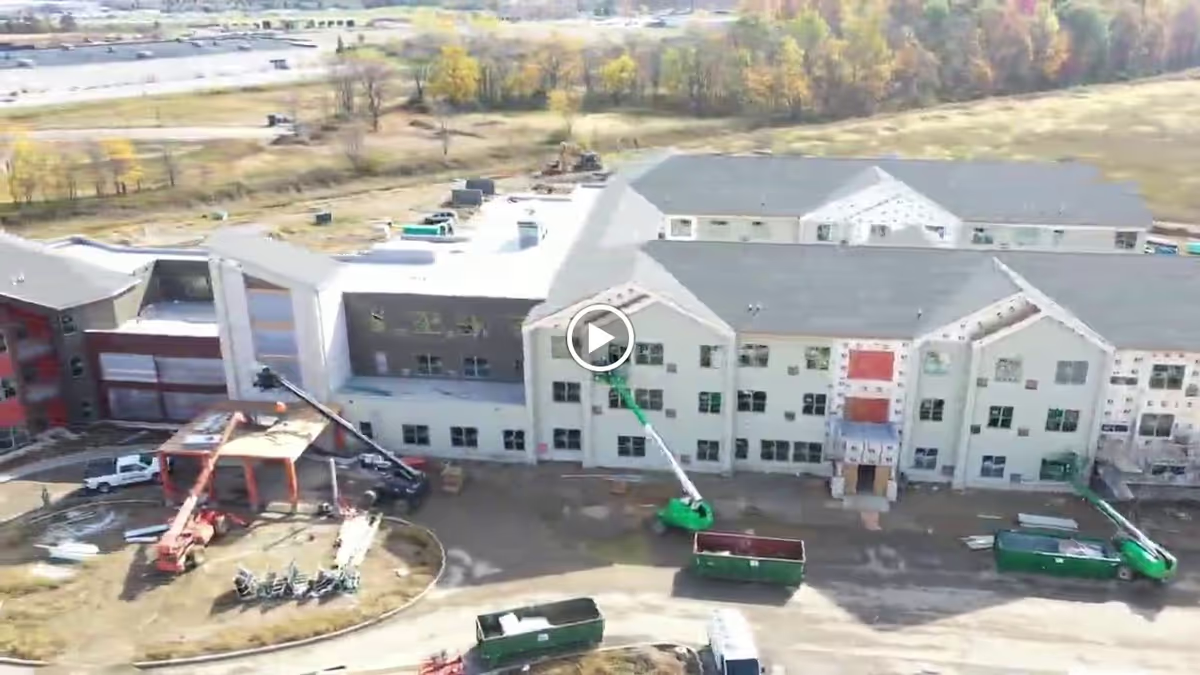
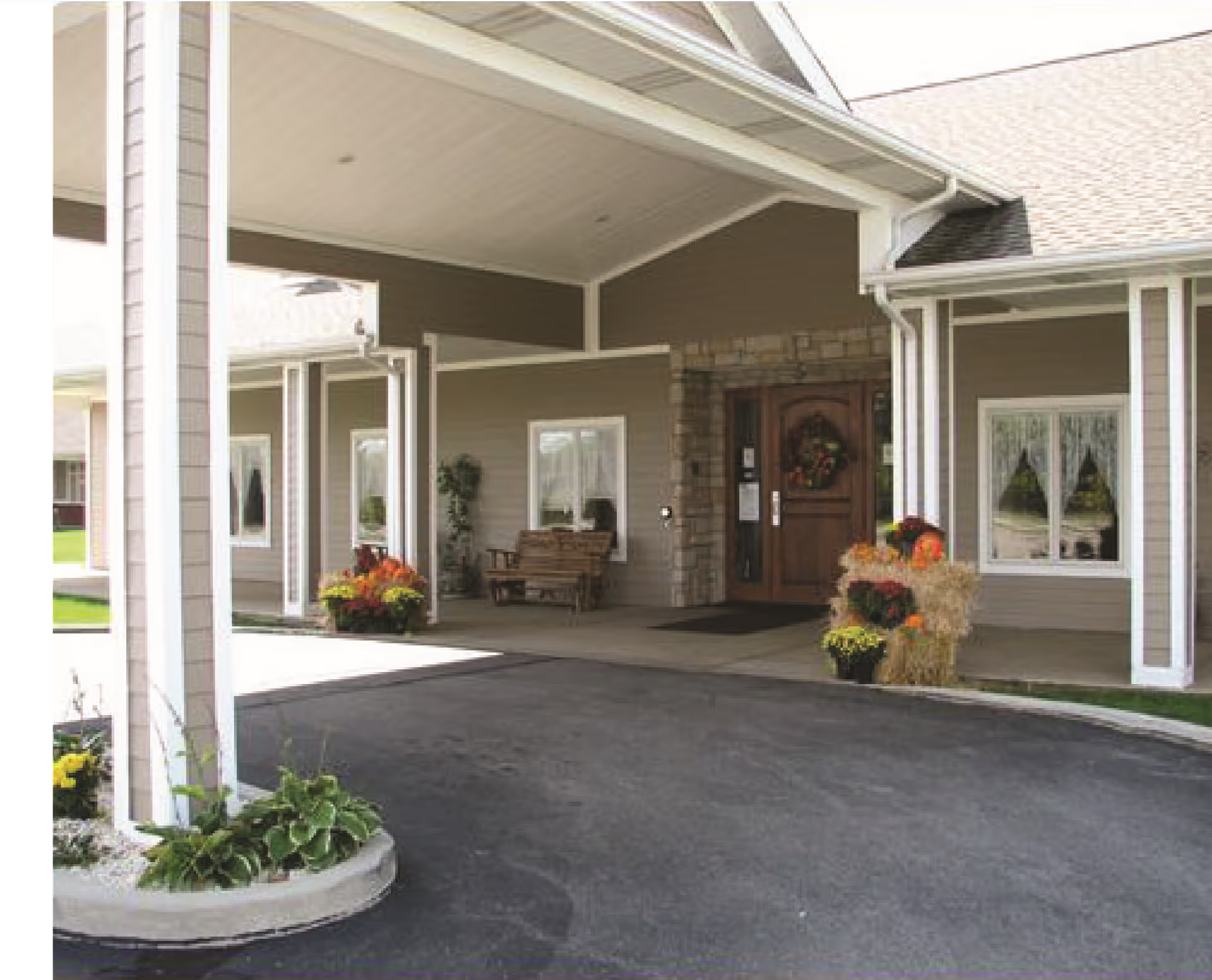
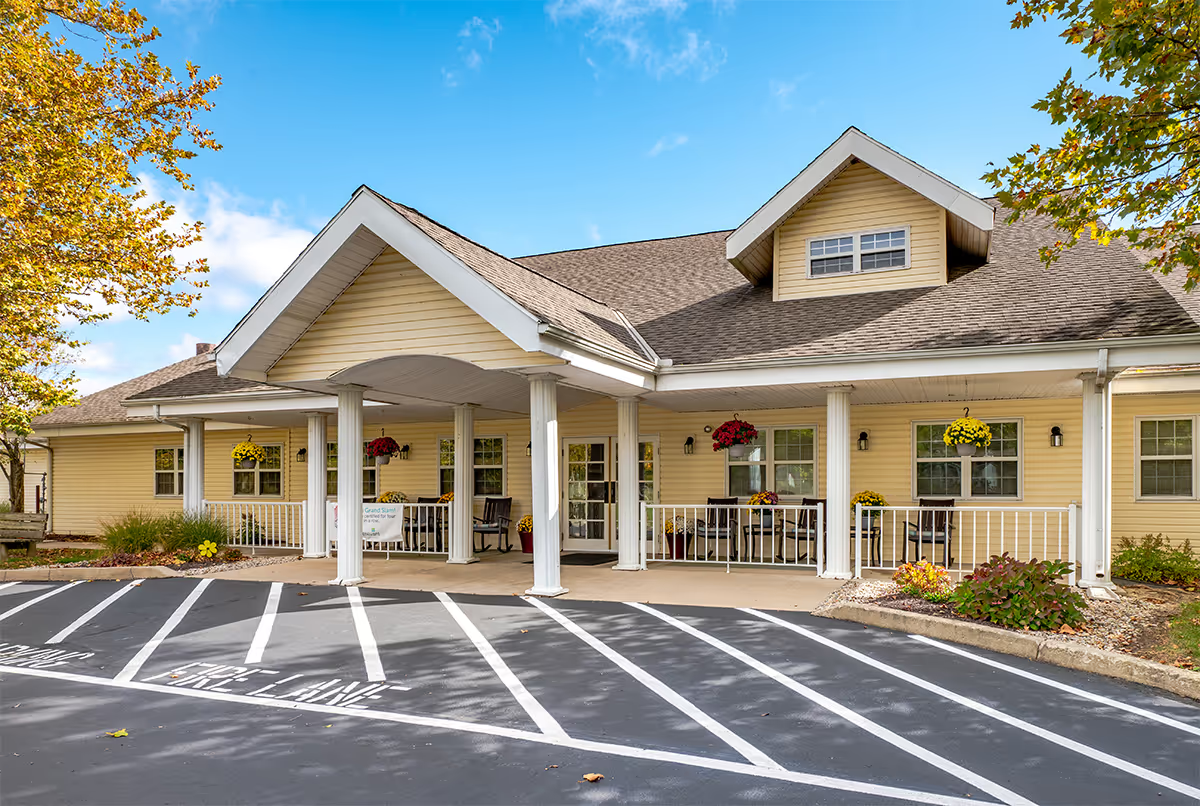
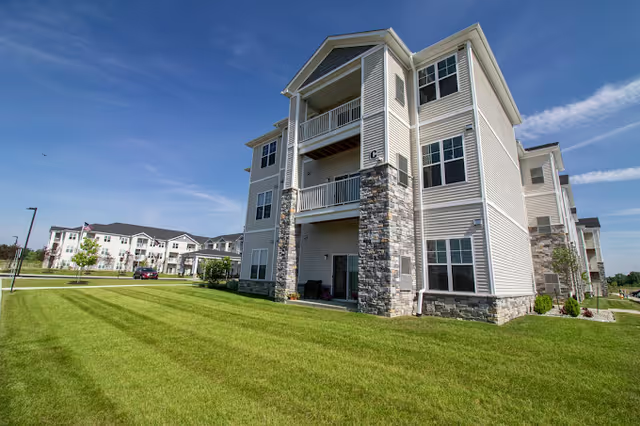
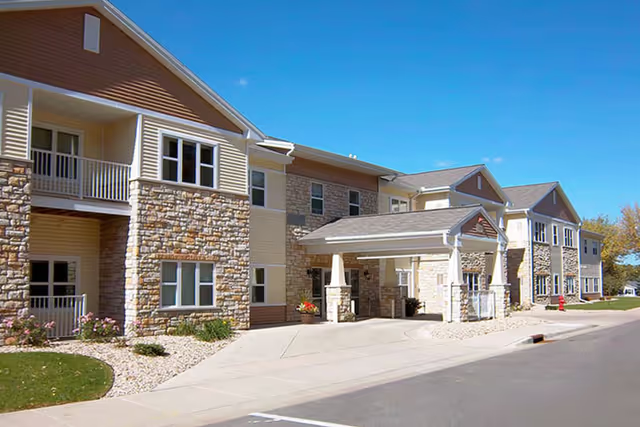
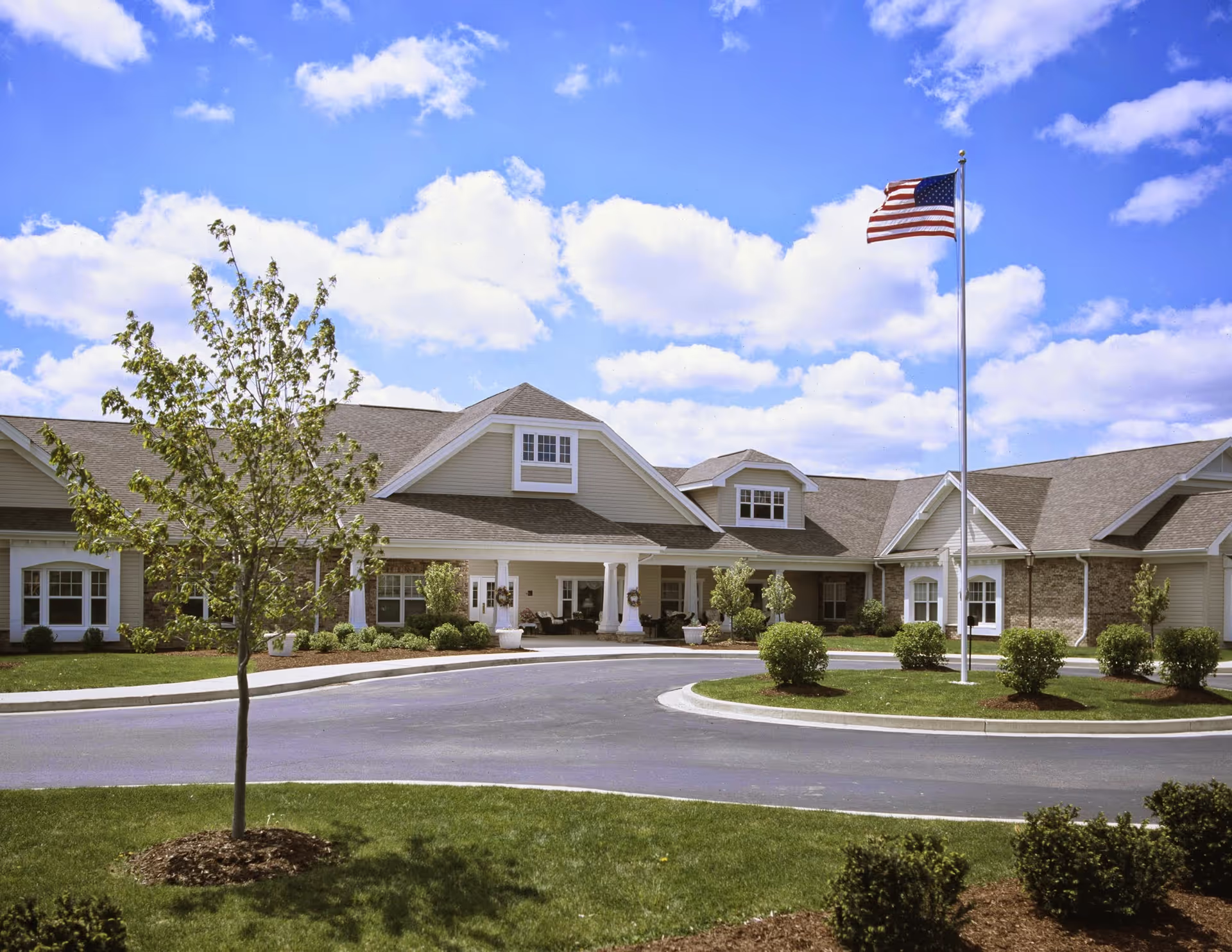
Facilities and maintenance: Maintenance responsiveness is a clear operational strength — repairs, TV setups, and daily facility needs are often handled promptly. At the same time, the building’s age and the small size of rooms in the older wing are notable physical limitations. Multiple comments point to aging infrastructure and occasional equipment reliability problems (for example, mechanical lifts), indicating areas where capital investment or more rigorous equipment-maintenance protocols would be beneficial.
Management and operational patterns: A recurring concern relates to staffing levels and management responsiveness. Several accounts describe staffing shortages that affected care continuity, compounded in some periods by COVID-related constraints. Families also raised issues about management follow-up on complaints and room reassignment practices that disrupted continuity for some residents. More serious individual allegations (including an allegation of staff theft) and descriptions of gaps in clinical-incident response and documentation were made; these appear as isolated but significant concerns and warrant direct inquiry during a tour or pre-admission review.
Notable patterns and practical takeaways: Prospective residents and families can reasonably expect strong rehabilitation services, empathetic daily care, and clear family communication at The Laurels of DeKalb. Important areas to investigate in person include current staffing levels, the condition of resident rooms (especially in older wings), meal service logistics (hot-food delivery and menu consistency), equipment maintenance practices, and the facility’s complaint-resolution procedures. Asking for recent inspection reports, a tour of typical rooms, staffing ratios, and examples of how clinical incidents are documented and communicated will help families reconcile the facility’s documented clinical strengths with the operational concerns raised in some reviews.