Reviews of GRAY Residential Services present a mixed picture, with strong positive remarks about frontline caregivers alongside serious operational and facility-level concerns. Families and observers praise individual staff members for reliability, compassion, and a demonstrable positive impact on residents' daily experience. At the same time, other comments raise concerns about environmental conditions, care consistency, and organizational responsiveness.
Care and staff: Several reviewers highlight dependable, caring staff who engage with residents in a warm and attentive way. Those impressions suggest that when staffing is stable and engaged, residents may receive person-centered attention. However, other inputs indicate variability in care quality and supervision: examples include delayed responsiveness to resident needs and concerns about how incidents are handled. There is also at least one serious allegation of resident harm and an associated failure to report the event to family, which points to potential weaknesses in staff conduct oversight and post-incident communication.
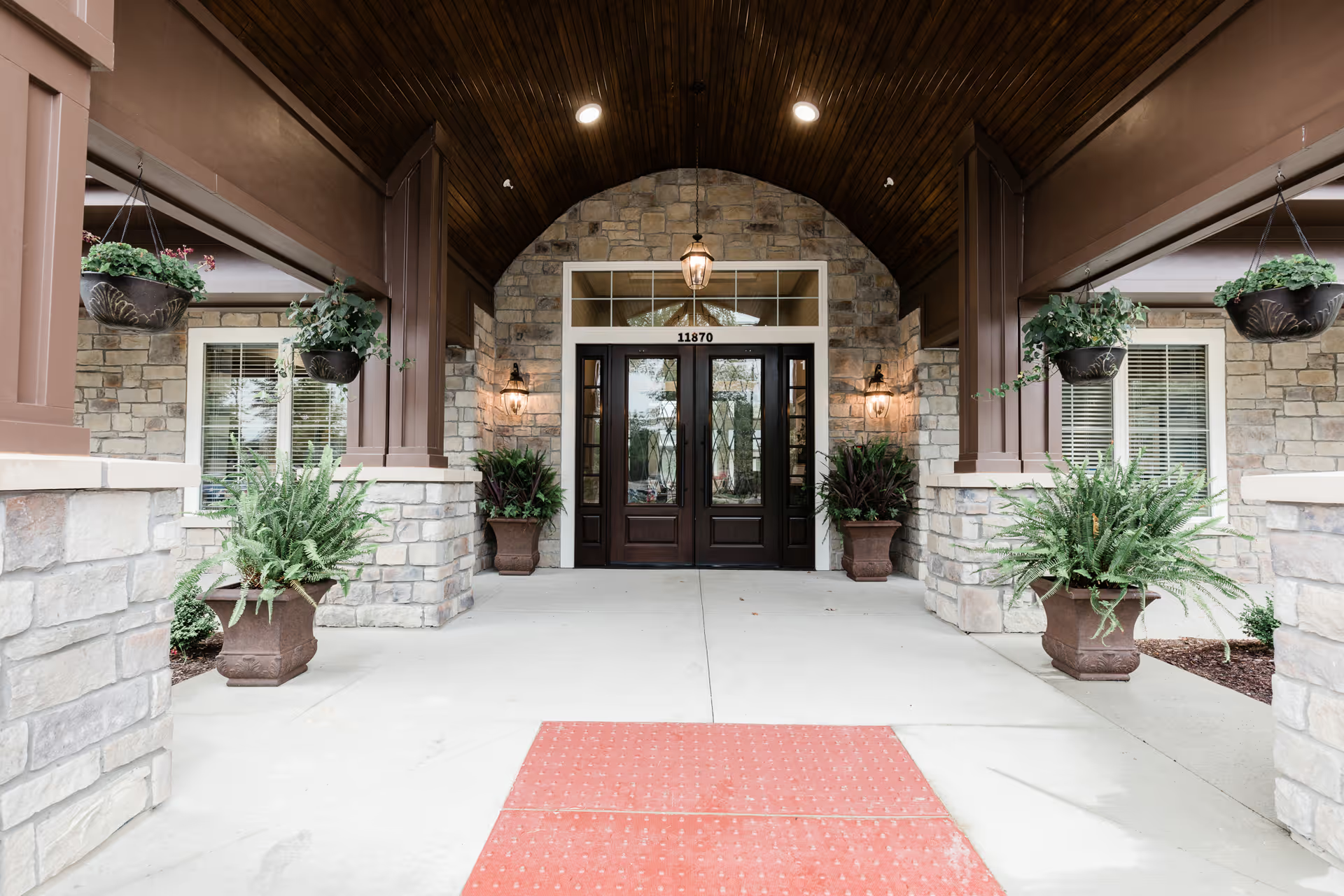
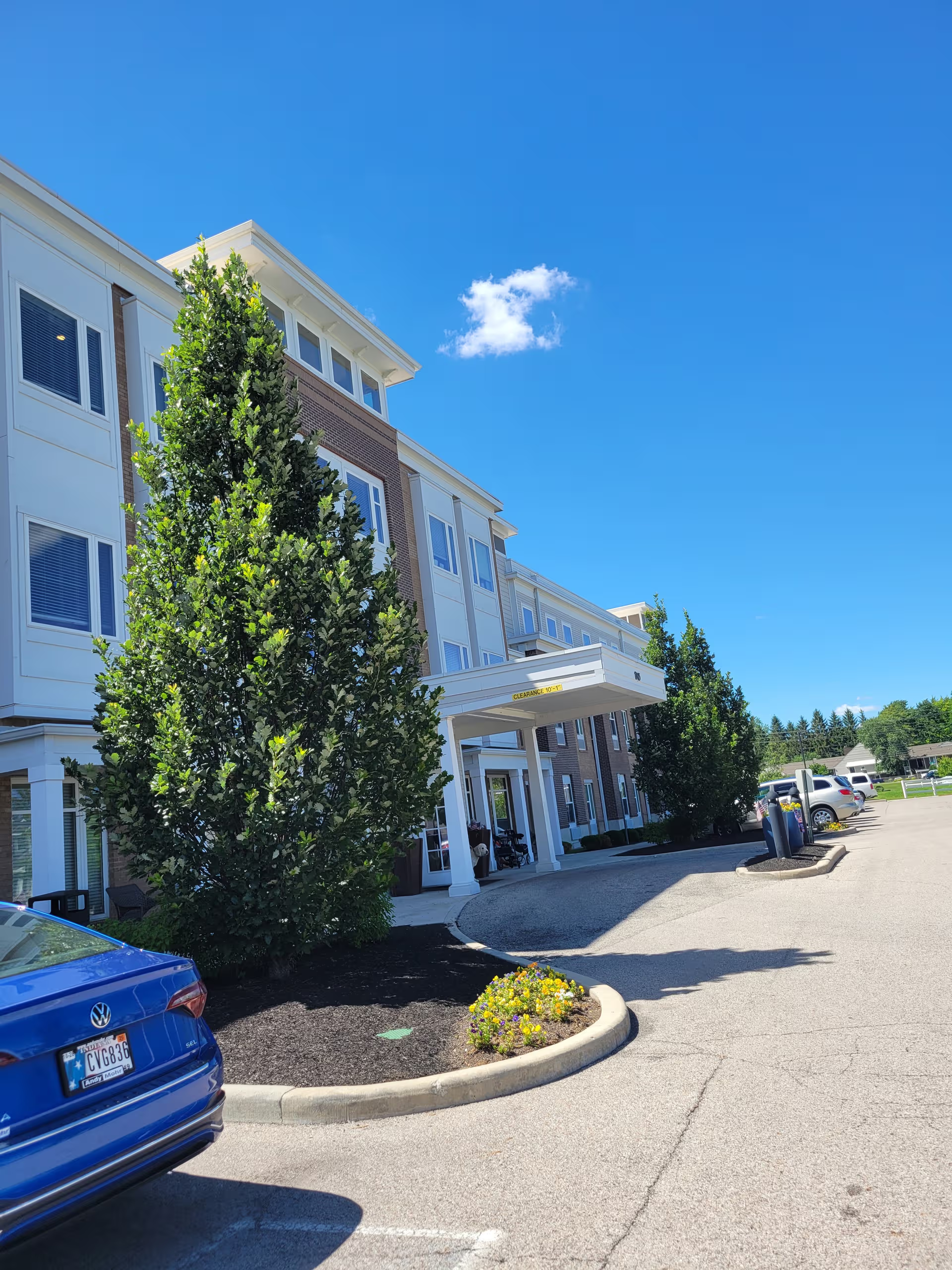
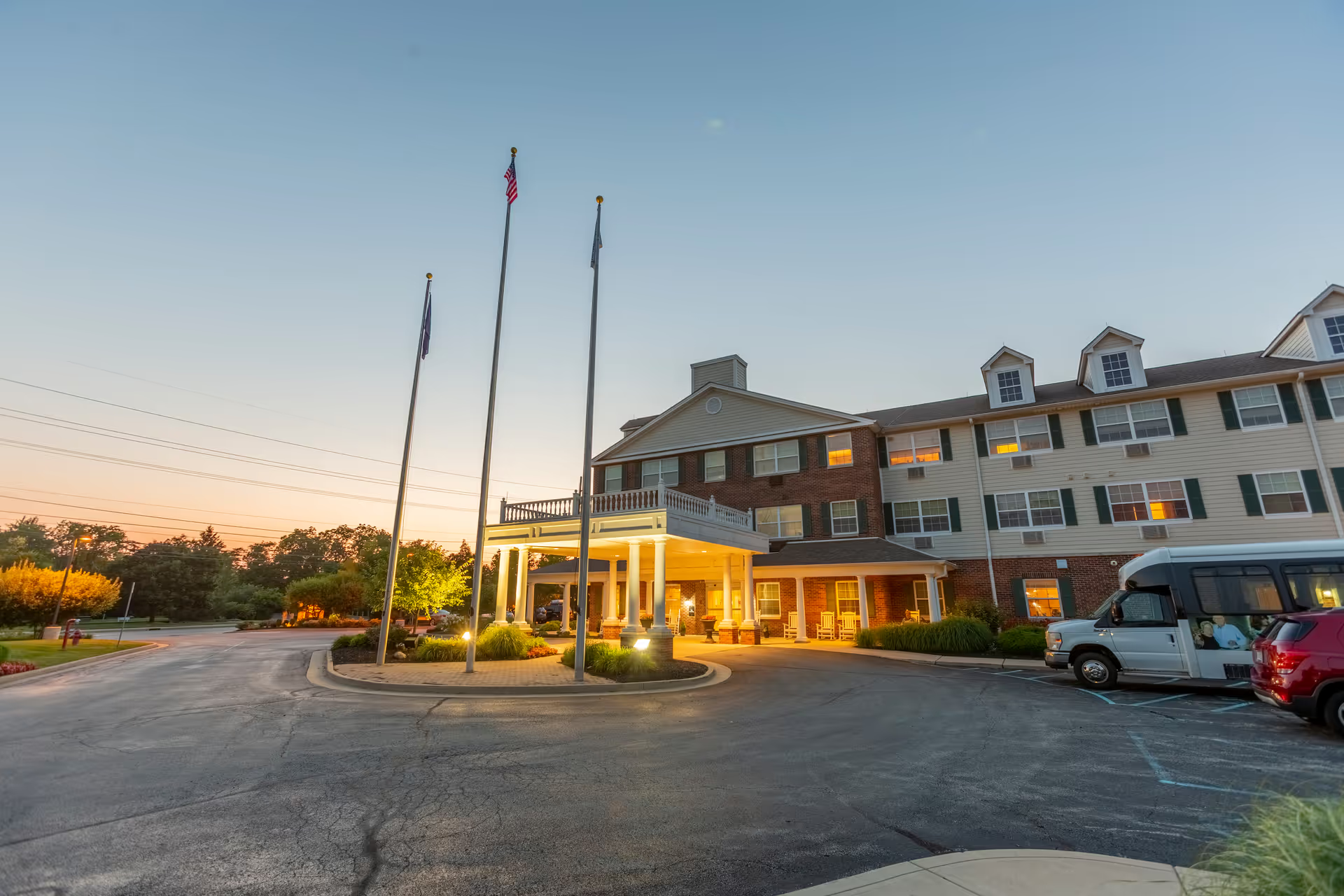
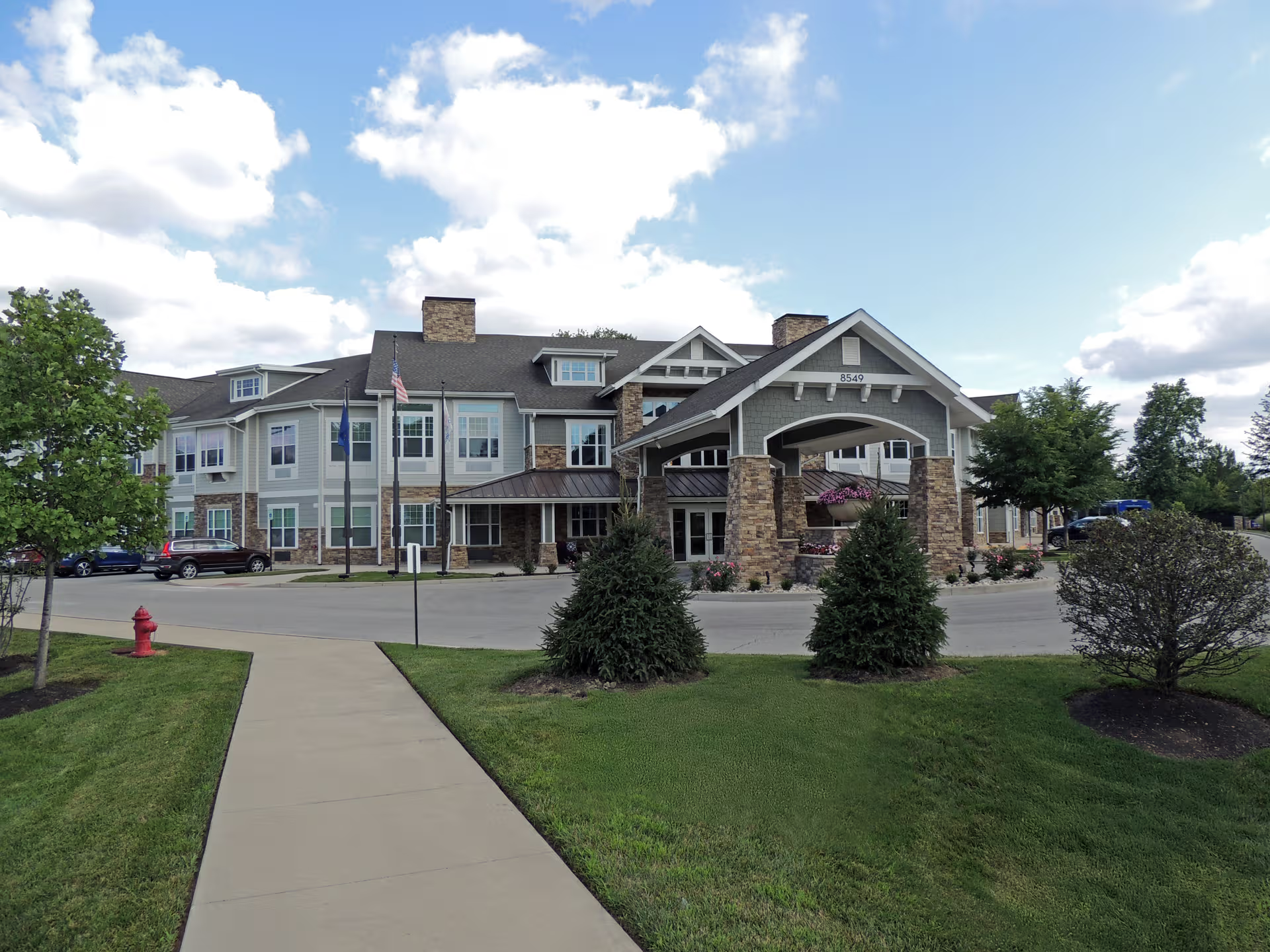
Facilities, dining, and activities: Comments raise facility-level environmental issues, notably pest-control concerns and shortcomings in routine maintenance. Reviewers also referenced cleanliness and sanitation issues in shared and resident areas. The available comments provide little detail about dining quality or recreational programming, so assessment of meal service and activities is limited; prospective families should request specifics on menus, meal-service routines, and the activity schedule during an on-site visit.
Management and policies: Reviewers identify gaps in incident reporting, family communication, and management follow-through. These patterns suggest weaknesses in accountability, escalation protocols, and documentation practices. Prospective families would benefit from asking management about staffing ratios, staff training and supervision, formal incident-reporting procedures, environmental-maintenance schedules, pest-control contracts, and how families are notified about safety events.
Notable patterns and recommendations: The overall pattern is one of polarized experiences—some families describe consistently positive interactions with caregivers, while others report operational failures that affect safety and comfort. Before making decisions, families should conduct an in-person tour, review recent state inspection reports, request written policies on incident reporting and infection control, and speak directly with current families about both day-to-day care and how the facility handles complaints and maintenance requests.