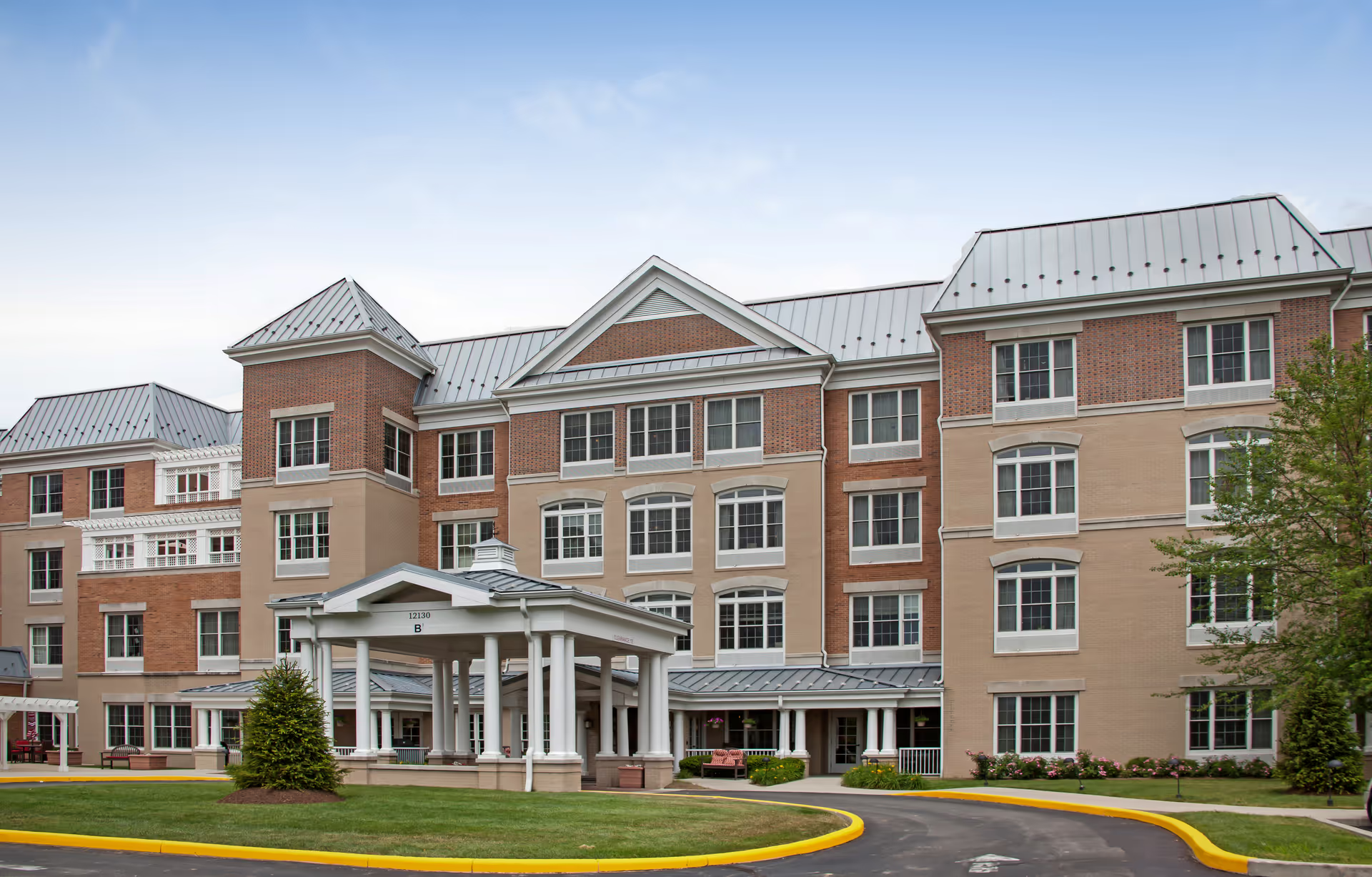
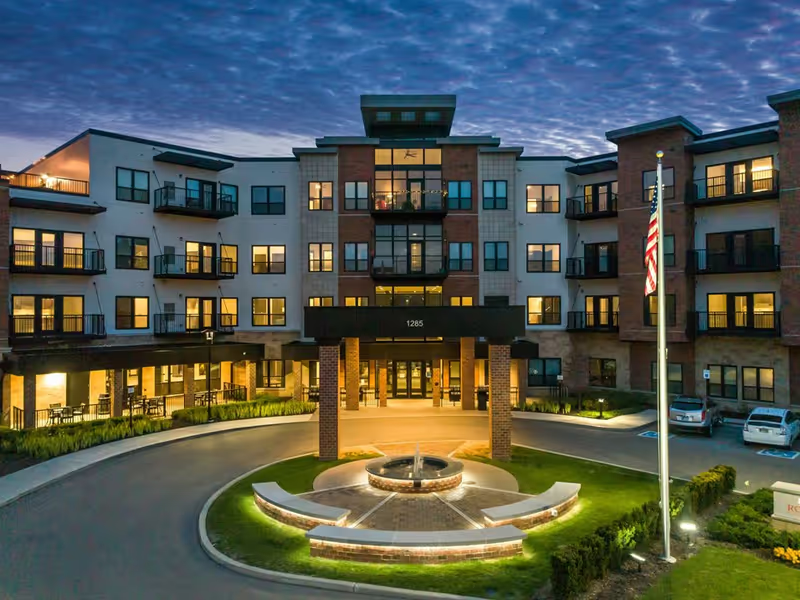
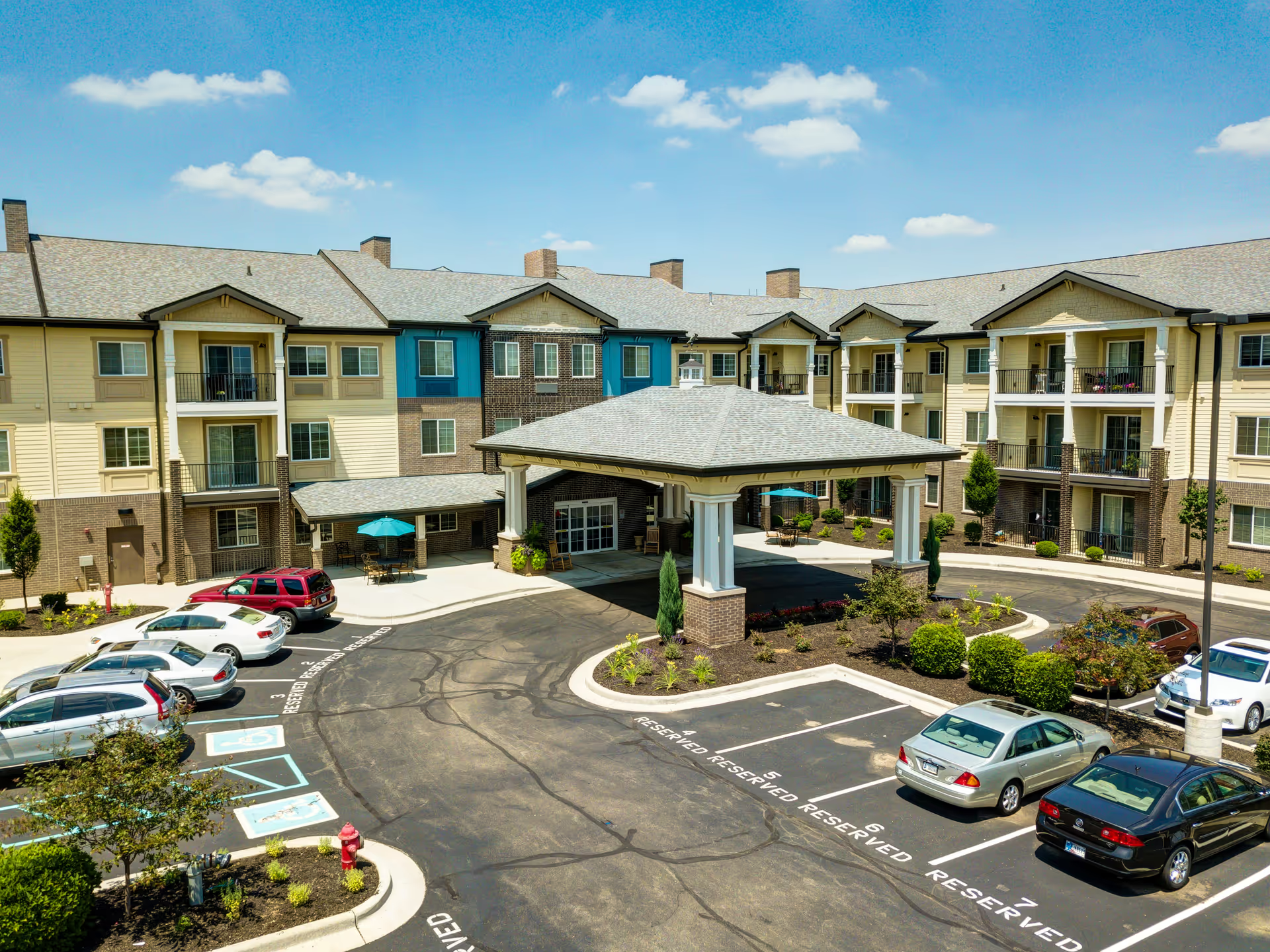
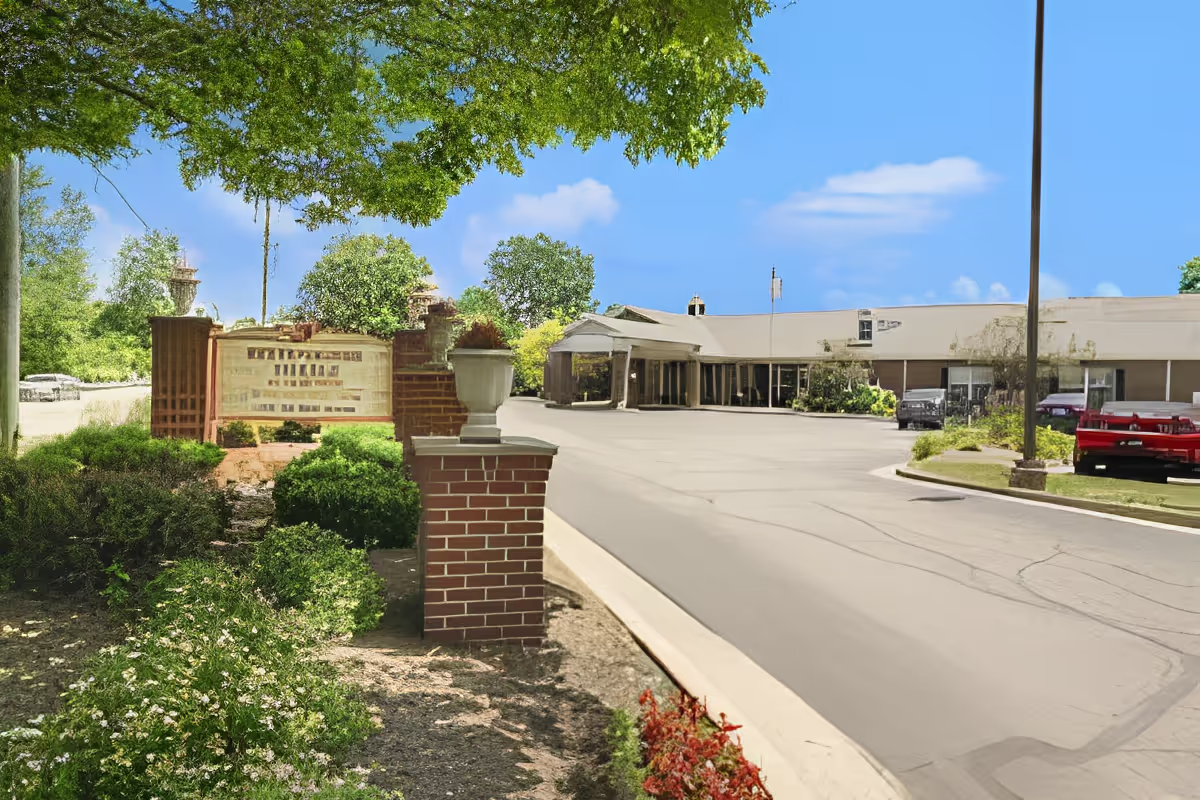
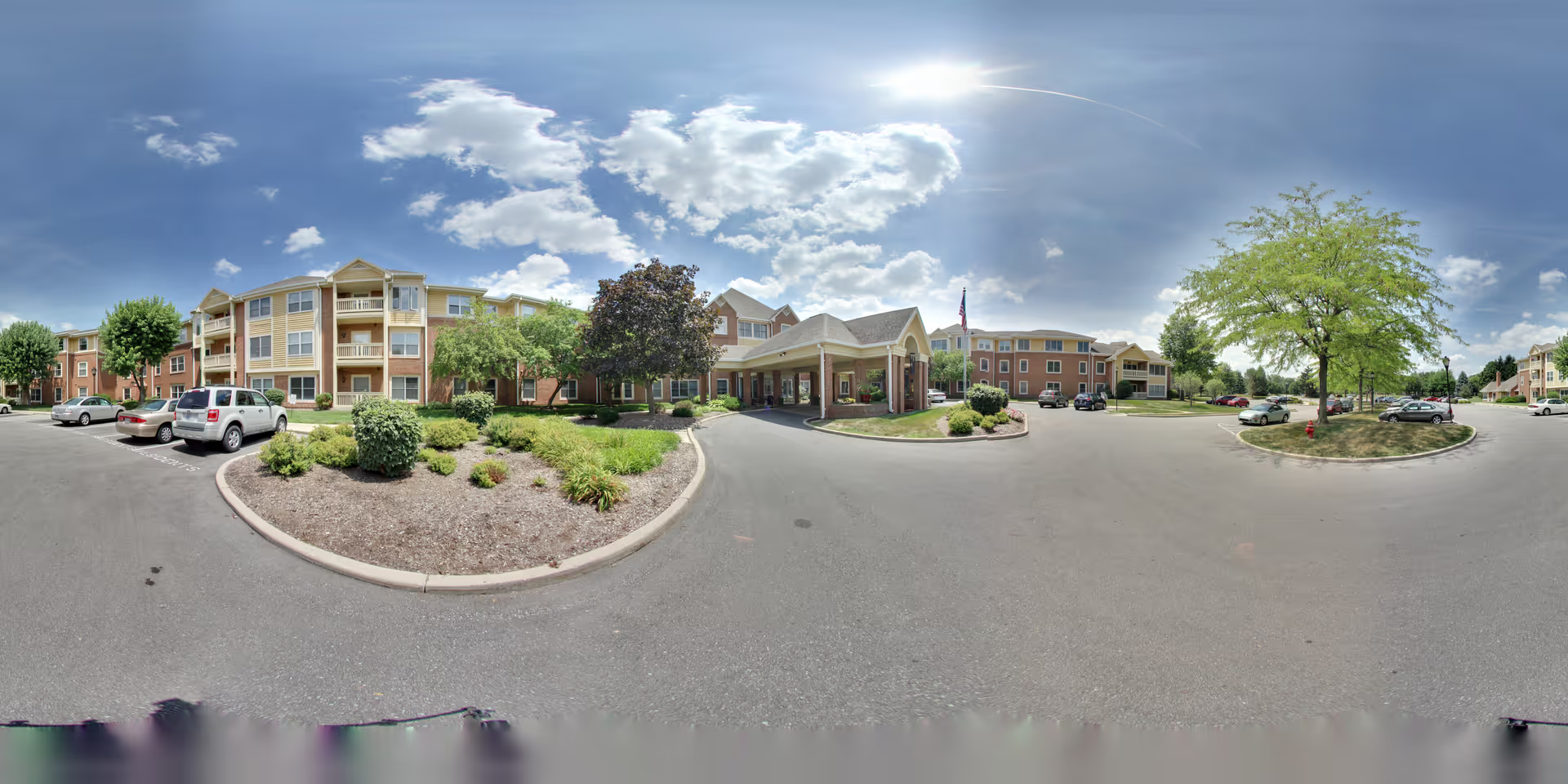
The Plaza at the Barrington of Carmel presents a mixed picture. The facility's physical plant and campus are consistently described as attractive, modern, and well-appointed: spacious common areas, secure gated grounds, multiple dining rooms, exercise and library spaces, enclosed patios, and large apartment options including one-bedrooms with full kitchens. Programming and social opportunities are a notable strength for many residents — organized activities, frequent outings, Masterpiece Living engagement, and volunteer and cultural offerings create an active social environment. The memory-care unit is integrated into the broader community, which some families view positively for access to shared amenities.
Care and staffing receive variable assessments. Numerous reviewers praised individual caregivers and described compassionate, family-like interactions and attentive care. At the same time, a recurring pattern of staffing instability and turnover was described, with implications for continuity of care. Several families raised concerns about clinical coverage — limited on-site physician availability, variable nursing oversight, and understaffed rehabilitation services — which can affect timeliness of clinical attention and therapy outcomes. Memory-care pricing and nursing-cost transparency were also identified as areas of concern by prospective and current residents.
Dining and housekeeping show divided experiences. Many residents and visitors enjoyed chef-prepared meals, modern dining rooms, and attentive dining staff. Contrasting accounts point to inconsistent meal quality, reductions in menu variety, issues with portioning, and limited diabetic-friendly options (including dessert choices). Housekeeping and maintenance were described as inconsistent in execution, with sanitation concerns cited for some rooms and common areas; these operational gaps were sometimes linked to reduced staffing or service cuts.
Operational and managerial issues are prominent in the feedback. Reviewers referenced an ownership transition and consequent policy and service changes, including fee increases, reduced amenities, and staffing adjustments. Multiple accounts noted billing errors or delayed financial resolution and inconsistent enforcement of visitation and caregiver policies. Communication problems — delayed responses, inconsistent sign-in/out procedures, and a few examples of poor interpersonal conduct by staff or front-desk personnel — contributed to family frustration and reduced trust for some.
Safety and resident supervision were identified as specific operational risks by several families; examples raised questions about outdoor supervision and monitoring of residents with cognitive impairment. Transportation services were described as either limited in availability or high in cost. Taken together, the patterns suggest the facility offers strong physical amenities, active programming, and many dedicated staff members, but prospective residents and families should weigh those positives against variable clinical staffing, management turnover, service consistency, and billing/communication practices.
Practical considerations for families touring this community include asking for current staffing ratios (especially for memory care and rehab), clarification of physician and nursing coverage, written sample menus including diabetic options, housekeeping schedules and policies, recent changes following ownership transition, exact fee schedules and billing dispute processes, visitation/caregiver policies, and references from current residents or families. Observing a mealtime, speaking with nursing leadership, and requesting documentation of recent staffing and satisfaction metrics can help assess whether the facility’s operational practices meet an individual resident’s clinical and social needs.