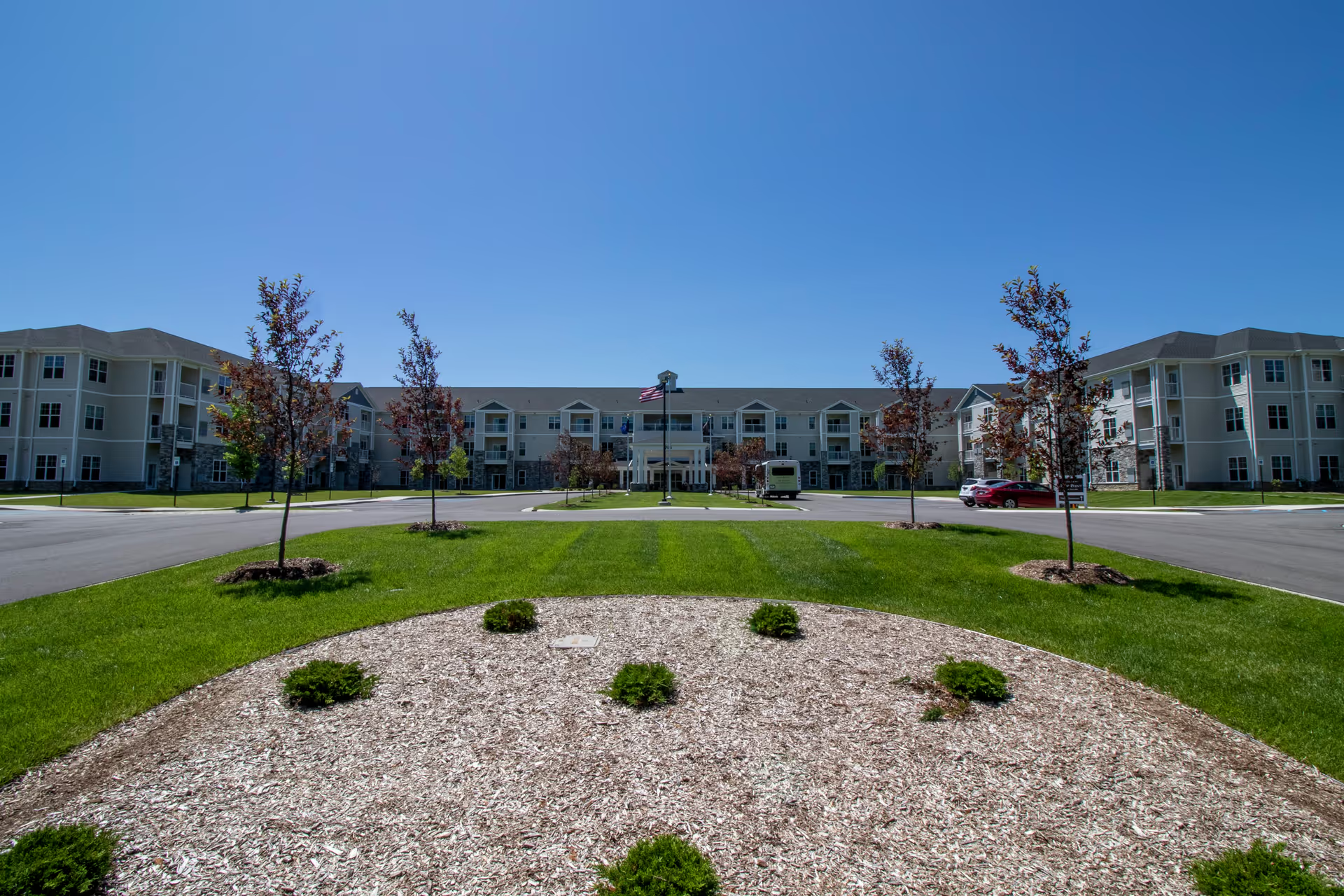
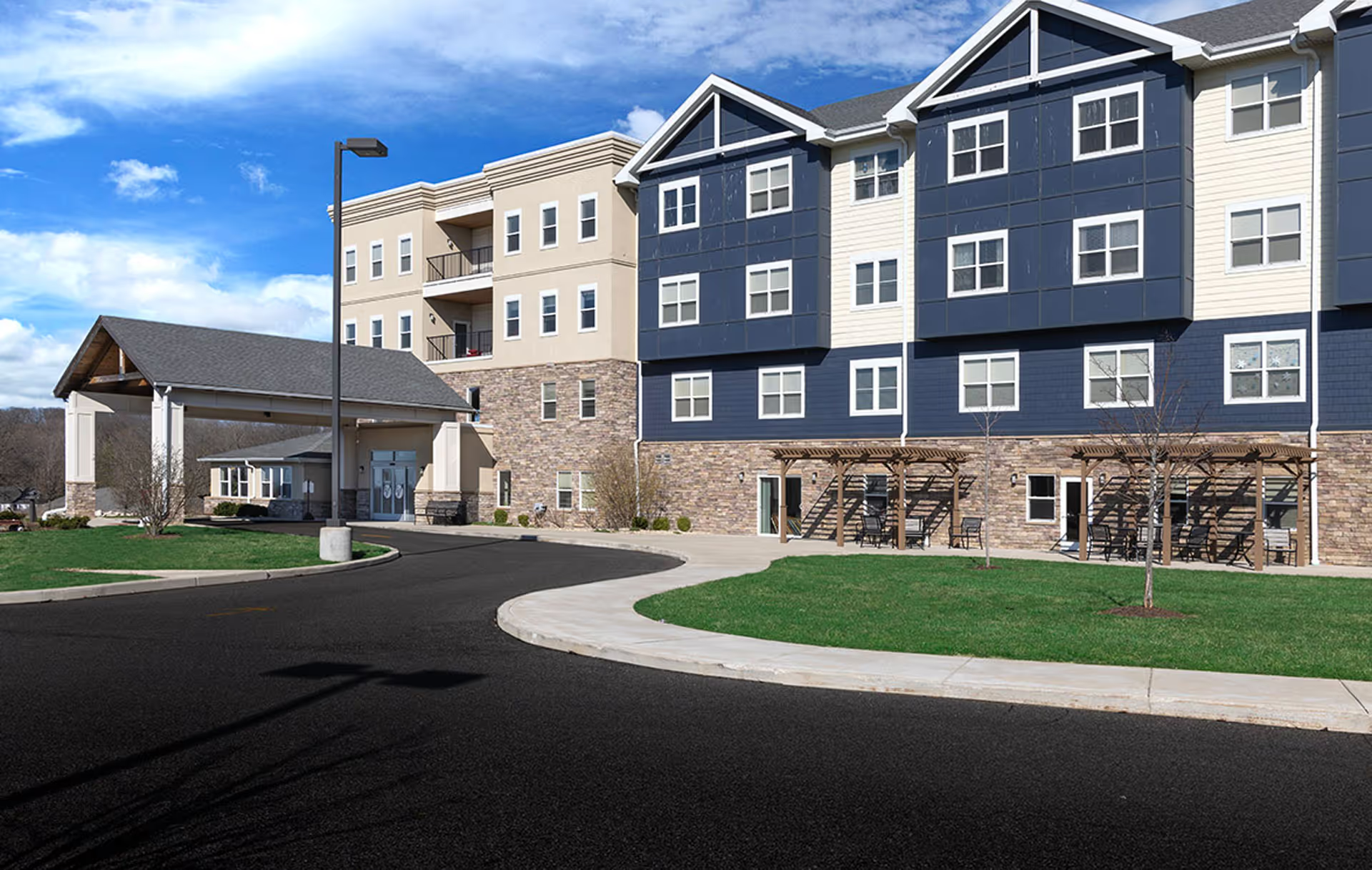
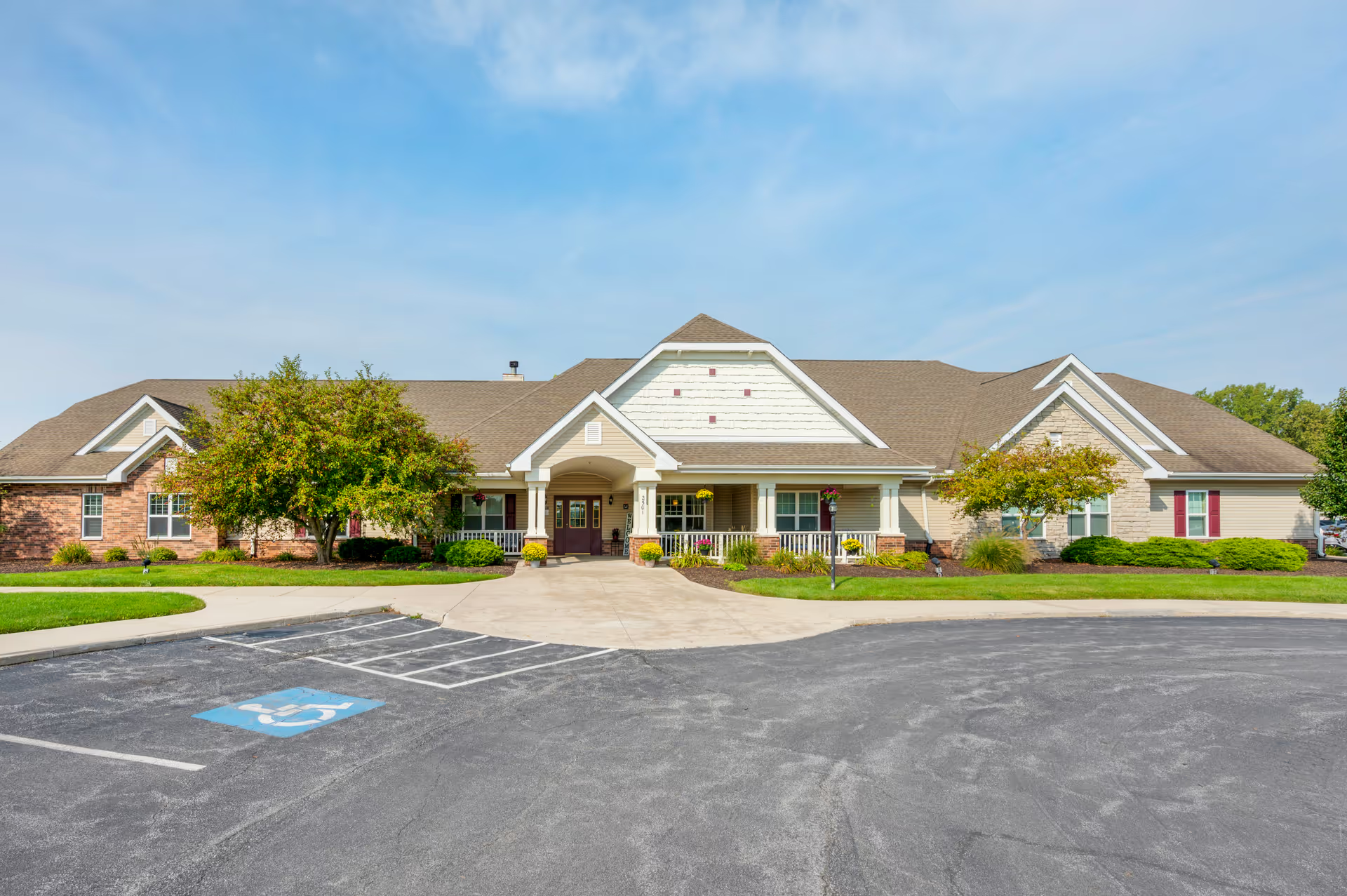
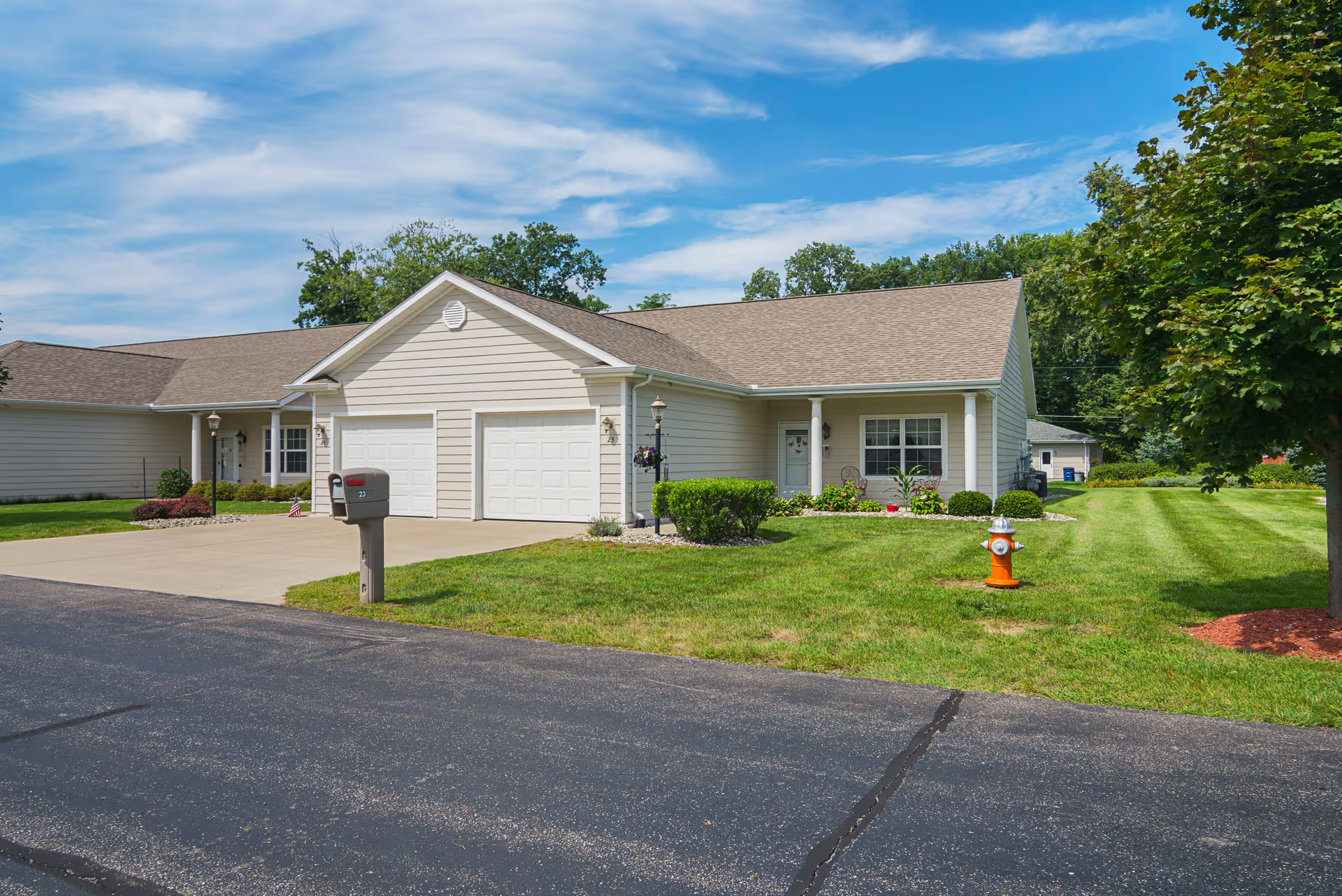
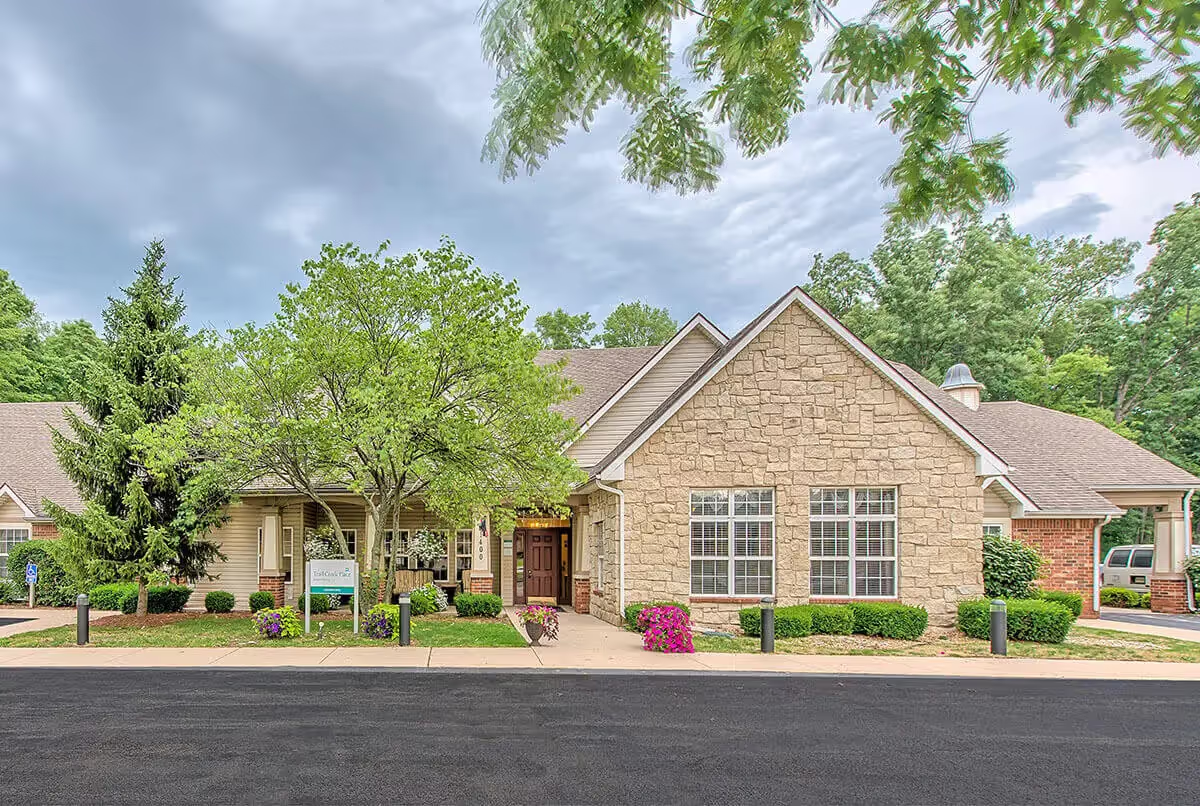
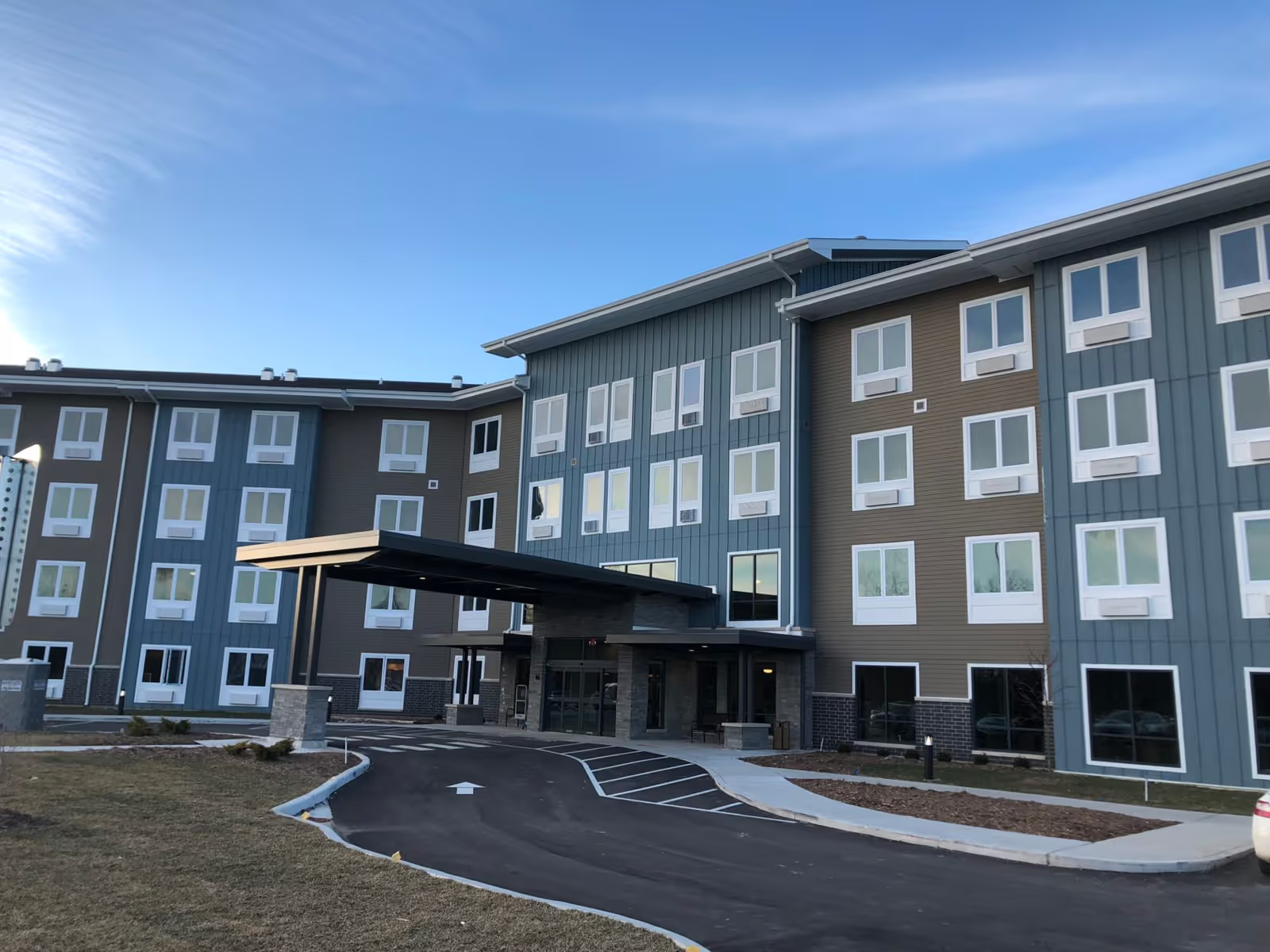
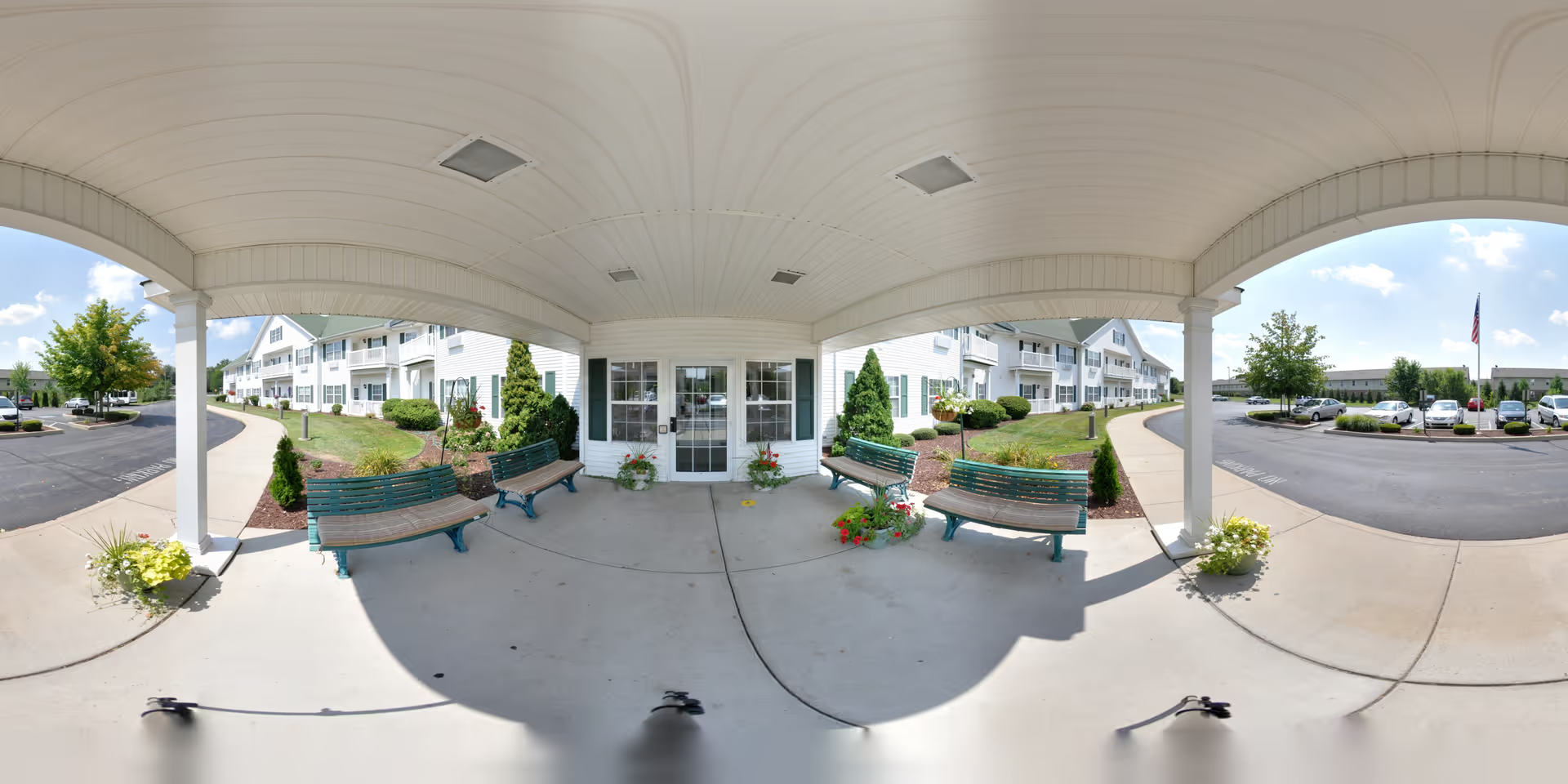
Overall impression: The Residences at Coffee Creek present as a modern, well-appointed senior living community with many features families value: spacious, hotel-like apartments, landscaped grounds adjacent to parkland, walker-friendly layouts, and multiple nursing stations. Reviewers commonly praised the facility’s appearance, housekeeping, maintenance responsiveness, and the availability of on-site services such as therapy, house‑doctor visits, and a memory-support unit. The community’s social programming, active activities director, and frequent events are consistently described as strengths that support resident engagement and improved mood and activity levels.
Care and staffing: Many families described caregiving staff as compassionate, attentive, and relationship-oriented; several accounts highlight CNAs and nurses going beyond expectations and providing individualized attention. The facility maintains a visible nursing presence (stations on each floor) and offers memory-care programming that multiple families found reassuring for dementia needs. At the same time, a recurring operational concern is staffing stability: reviewers reported periods of understaffing, elevated turnover, and exhausted staff. Those constraints were linked to specific care shortfalls such as delayed responses to call buttons and variability in clinical follow-through. The pattern suggests that while core caregiving competence is present, staffing fluctuations can affect reliability and continuity of care.
Clinical oversight and communication: Proactive family communication is often cited as a positive, with specific staff and directors named for strong outreach and updates. Conversely, there are repeated descriptions of inconsistent clinical responsiveness — for example, delayed or missing callbacks from advanced-practice clinicians, gaps in follow-through on care plans, and inconsistent medication/medication-dispensing practices. These issues indicate variability in clinical processes and handoffs rather than an absence of clinical resources; the facility appears to have clinical capacity but uneven reliability in execution and follow-up.
Dining and activity services: Dining is frequently highlighted as a strength — restaurant-style ordering, a pleasant dining atmosphere, and round-the-clock bistro/snack options receive positive comments. The activities program is described as robust, creative, and effective at encouraging socialization. However, reviewers also described kitchen staffing shortfalls and occasional lapses in dietary adherence and meal-service continuity (substituted or carryout meals, shortages of supplement items), which points to operational vulnerabilities during staffing or supply interruptions.
Operations, safety, and property management: Operational positives include efficient housekeeping, prompt maintenance, and an organized admissions process. At the facility level there are, however, recurring concerns about safety-procedure compliance (examples include documentation lapses and staff response behavior) and weaknesses in personal-property handling. Some families described missing or mishandled belongings and inconsistent property-management controls. Additionally, several reviewers perceived the fee structure and add-on charges as opaque or aggressive, which has affected family trust in administrative priorities.
Notable patterns and takeaways: Feedback about Coffee Creek is polarized — many families report excellent care, warm staff, strong memory-care outcomes, and tangible quality-of-life improvements; others emphasize operational inconsistencies that impacted safety, hygiene perceptions, and clinical responsiveness. The most consistent operational themes to probe during an in-person visit are current staffing levels and turnover, clinical handoff and escalation protocols, medication-dispensing procedures and fee transparency, response times to resident calls (including incontinence-care protocols), and property-management practices. For prospective residents and families, the facility’s physical environment, activity offerings, and available clinical services are clear strengths; evaluating how reliably those services are delivered on a day-to-day basis will be important given the documented variability in execution.