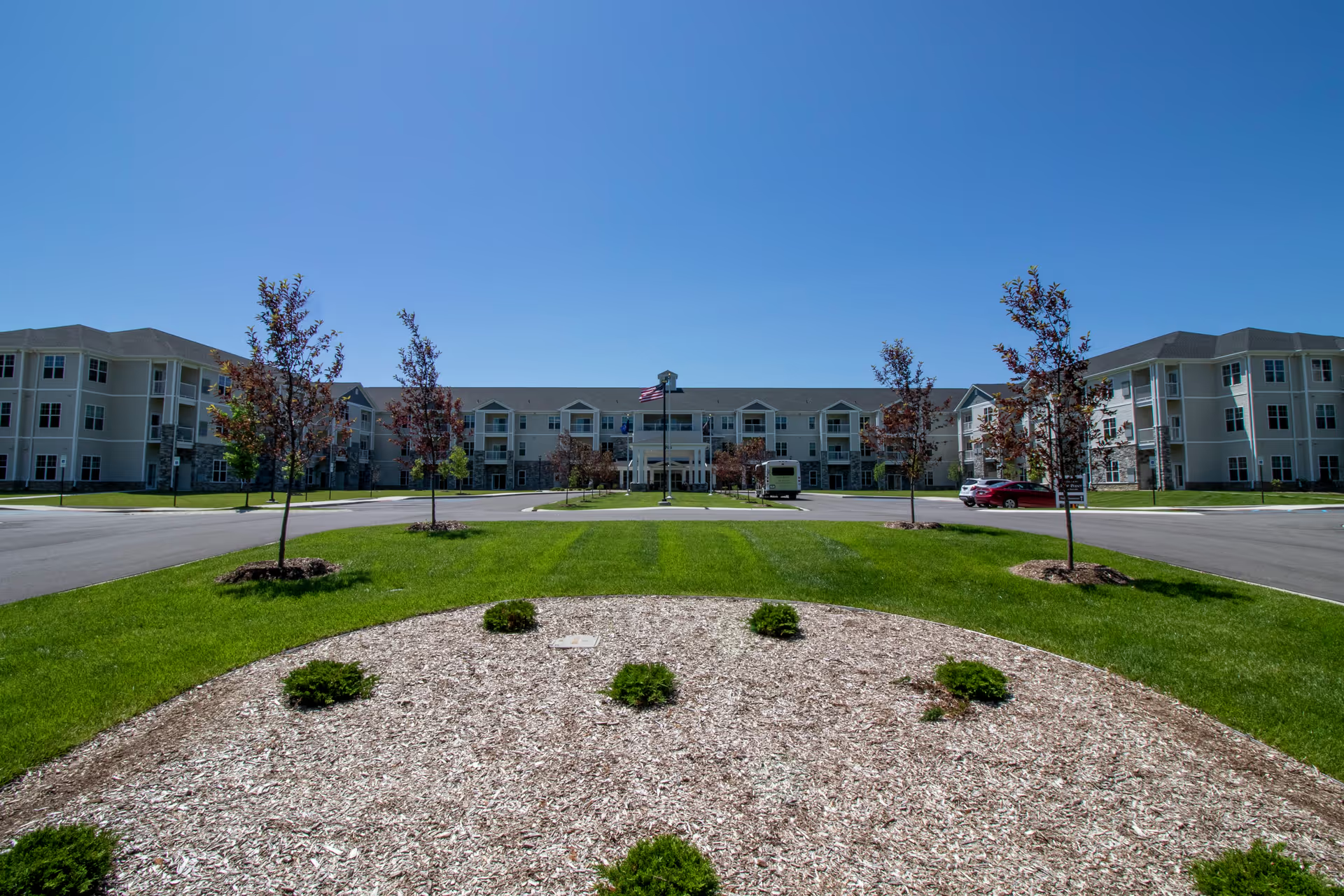
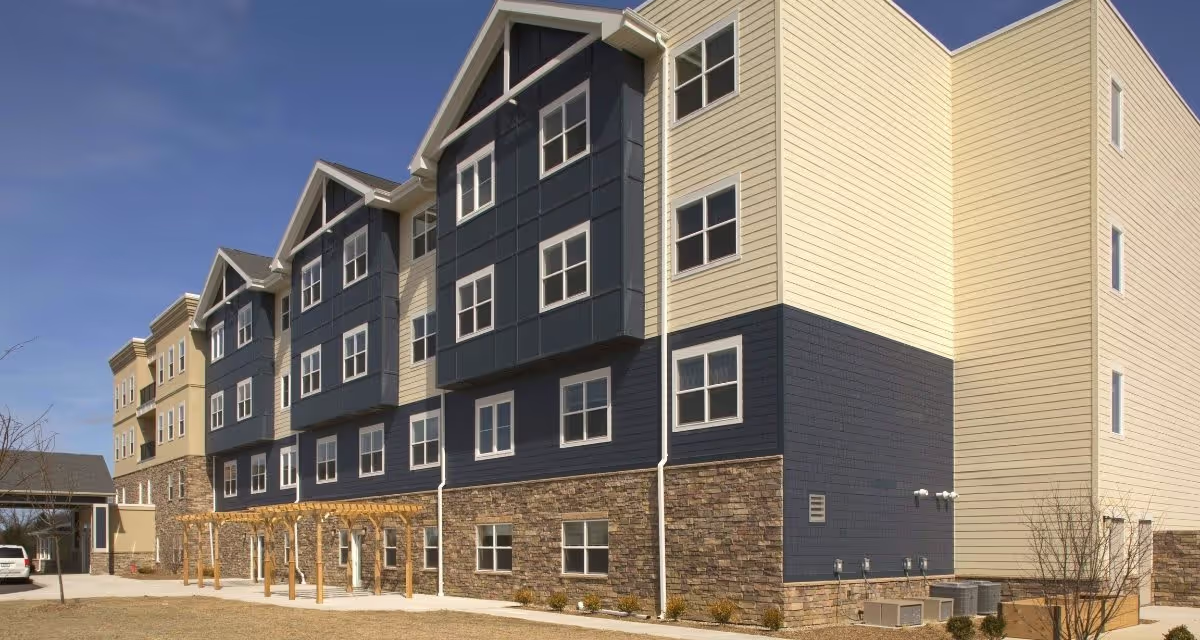
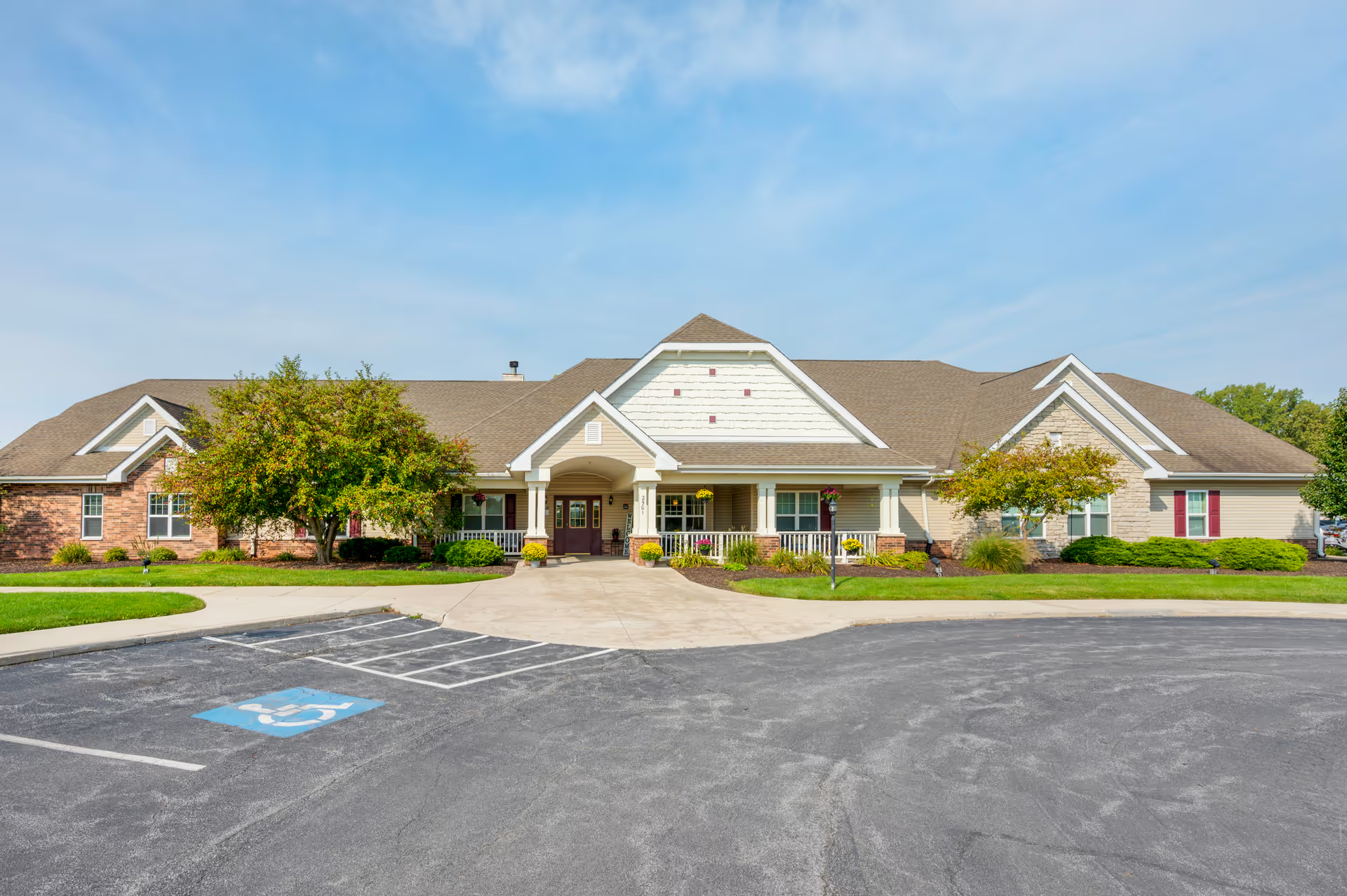
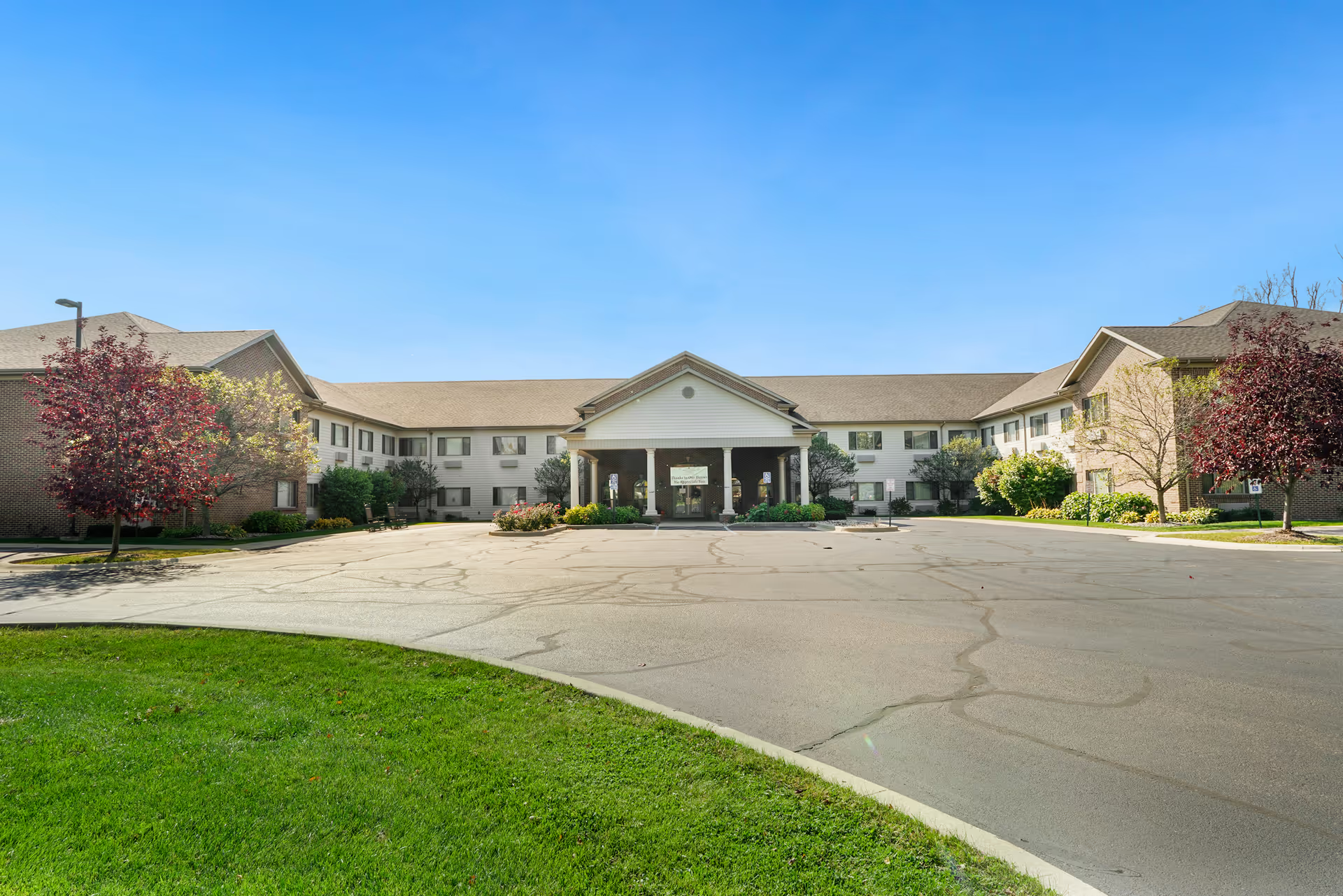
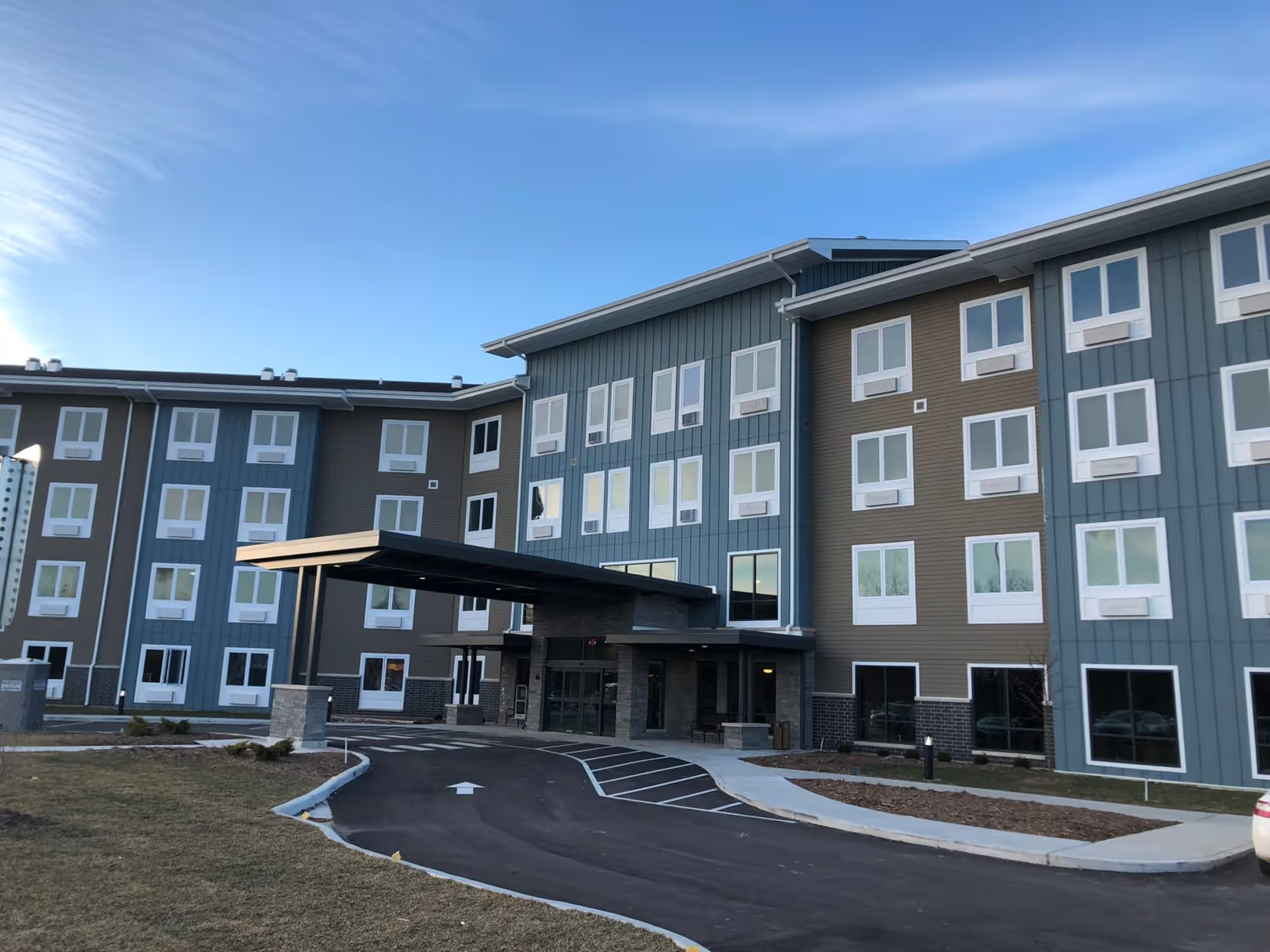
Symphony of Chesterton elicits strongly mixed impressions. Many families and residents praise the facility’s rehabilitation and therapy capabilities, describing skilled, motivating PT/OT teams and measurable functional gains. The building and amenities are frequently highlighted: a modern, resort-style interior, restaurant-like dining room, coffee bar, salon, movie theater and active social calendar create an appealing environment for short-term rehab and social engagement.
At the level of day-to-day care, reviewer experiences diverge. A substantial group of accounts describes compassionate, attentive nurses, CNAs and rehabilitation staff who provide personalized support, wound care, and effective therapy interventions. Activity programming is consistently noted as robust and engaging, with concerts, holiday events and a variety of on-site options that support social well-being. Housekeeping and room maintenance are often described as satisfactory, and front-desk and reception staff receive positive mentions for welcoming interactions.
Counterbalancing those positives are recurring operational concerns that affect safety and family confidence. Staffing instability and frequent understaffing are the most common themes; reviewers describe slow or inconsistent responses to call lights and assistance requests, limited night monitoring, and long waits for basic needs. Medication-administration problems, charting and documentation gaps, and instances of incorrect medication or delayed treatments are cited often enough to indicate weaknesses in clinical controls and shift-to-shift communication. Several families reported challenges with personal-care responsiveness and with maintaining consistent bathing and incontinence-care routines.
Dining and hospitality show a similar pattern of variability: the facility’s menus and food variety are generally praised, but there are repeated notes about delayed meals, dining-room closures, and dishes arriving cold. Administrative processes and transitions also draw concern. Families describe fragmented communication from social services or nursing leadership, inconsistent discharge coordination (including home-health setup), delayed callbacks, and billing or charge-transparency problems that require follow-up. These management and communication gaps amplify family stress when clinical issues arise.
Taken together, the pattern suggests that Symphony of Chesterton offers strong clinical rehabilitation services and an attractive environment, but its operational reliability is uneven. Prospective residents and families considering short-term rehab will likely find significant strengths in therapy and amenities. Those seeking longer-term skilled nursing or assisted-living placements should evaluate staffing levels, night coverage, medication-administration safeguards, and discharge/ billing procedures closely. Asking for recent staffing metrics, incident-response protocols, medication-safety policies, and examples of how management addresses family concerns can help clarify whether the facility’s operational practices meet an individual’s care needs.