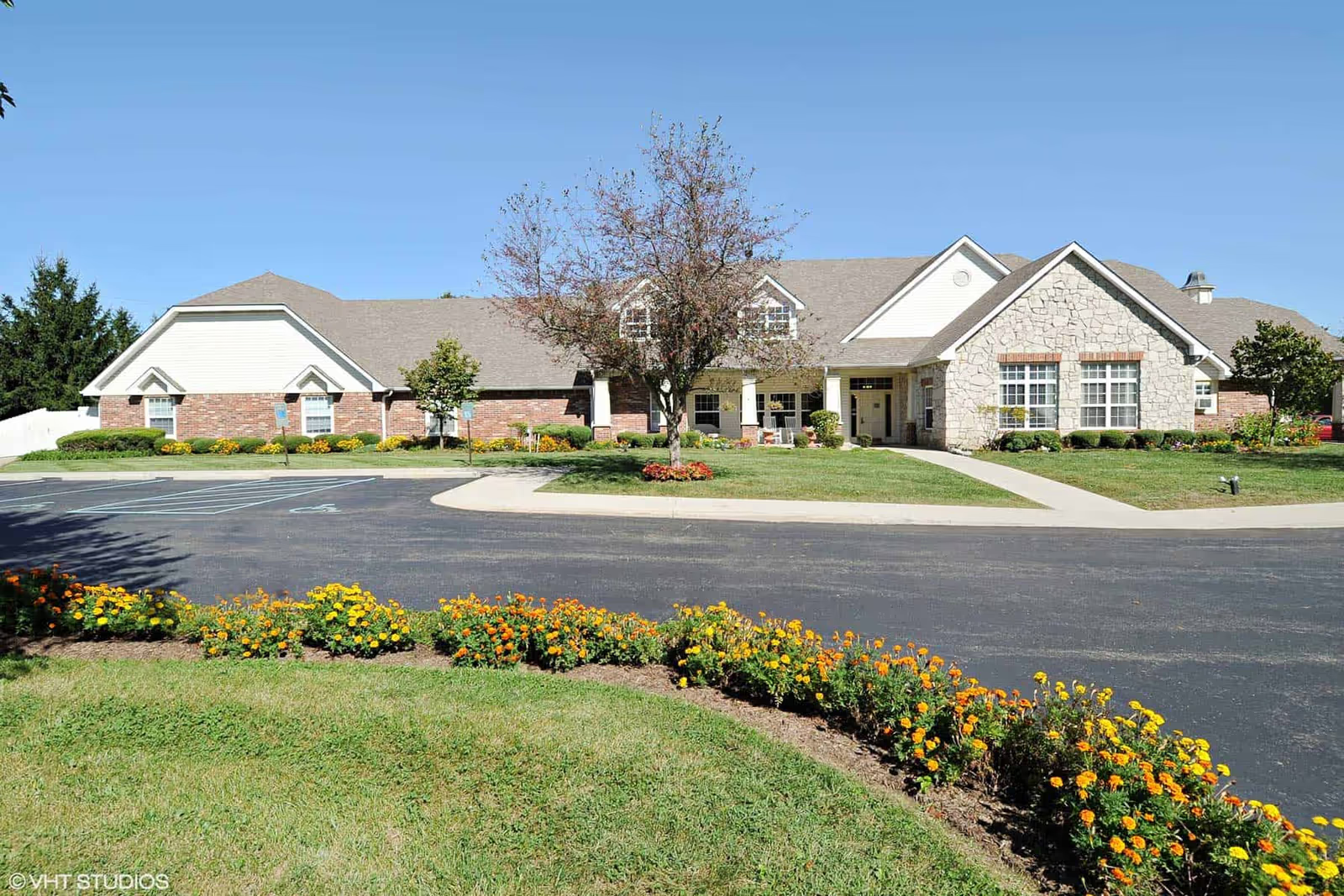
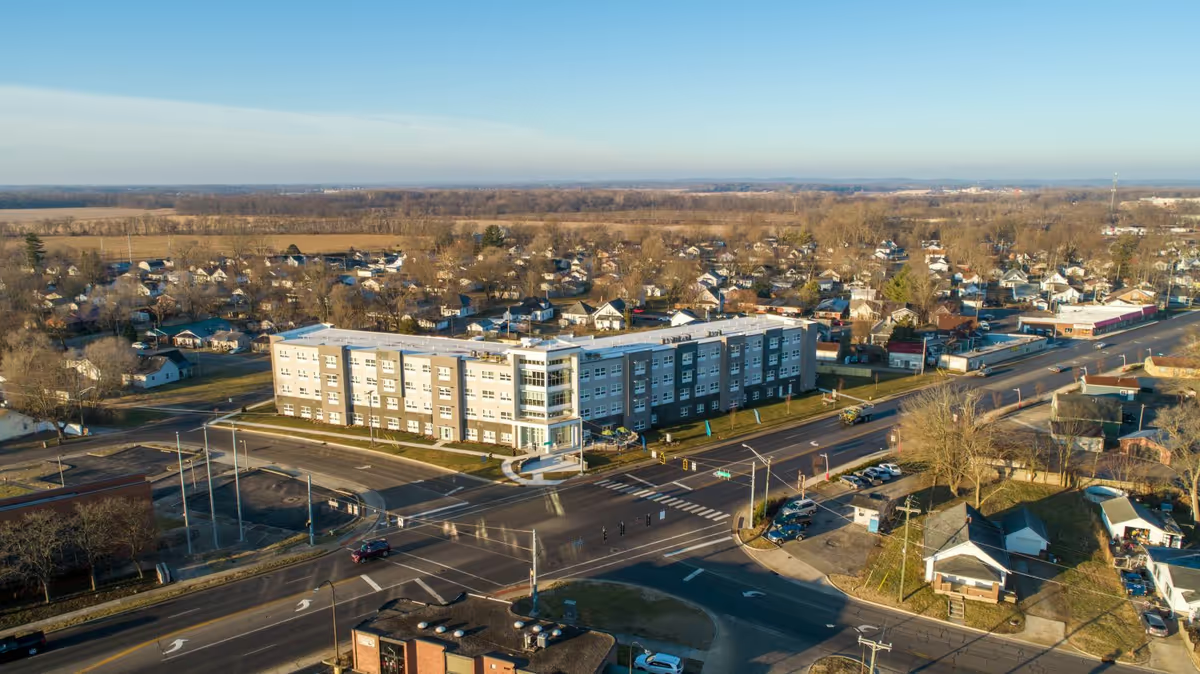
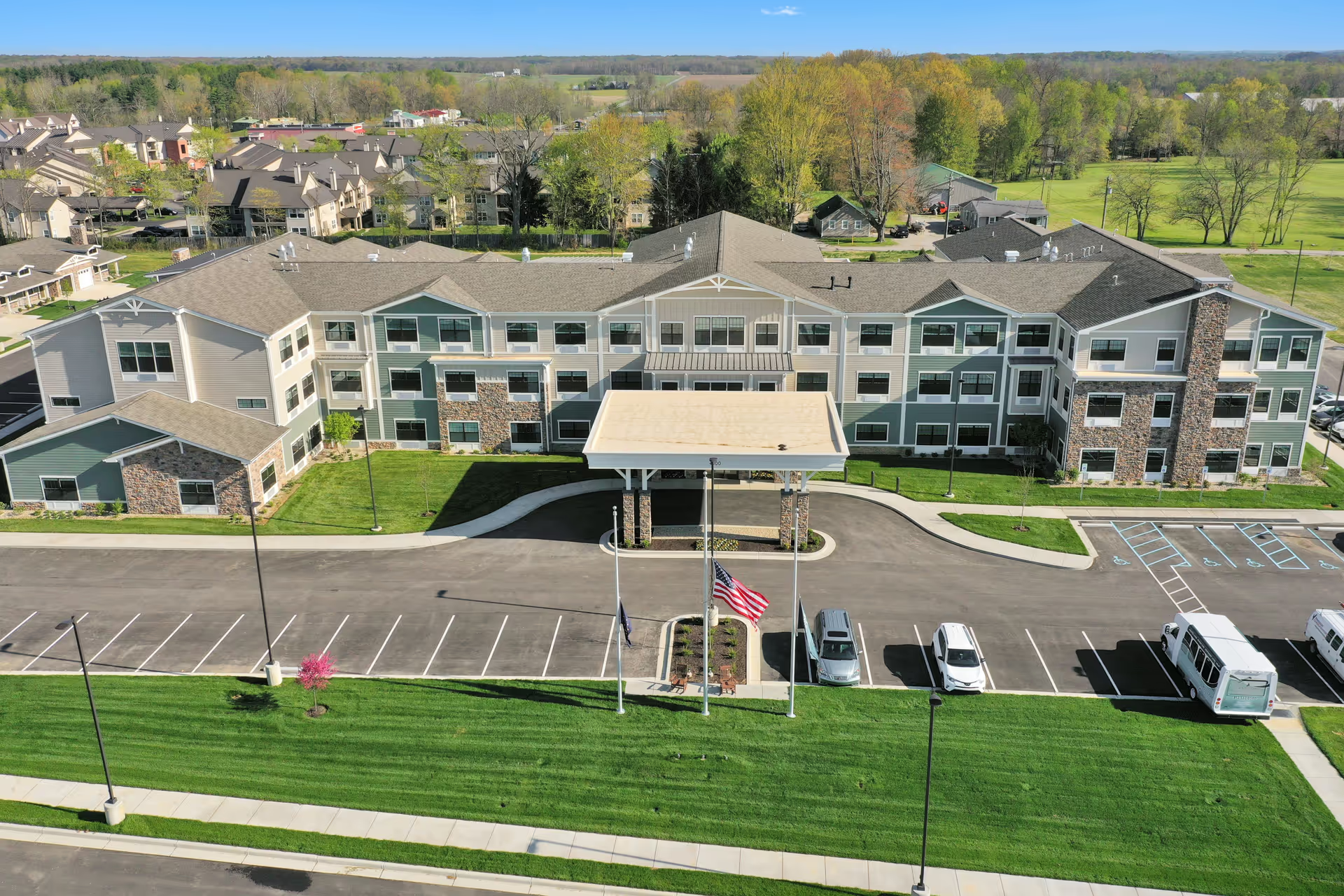
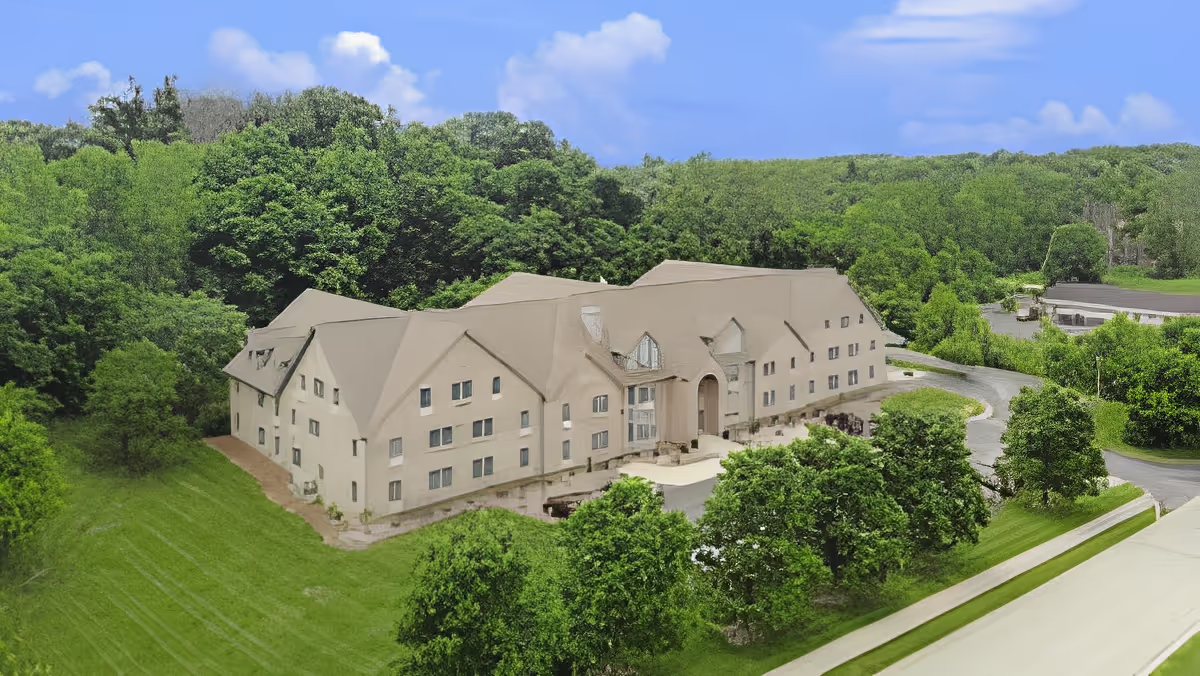
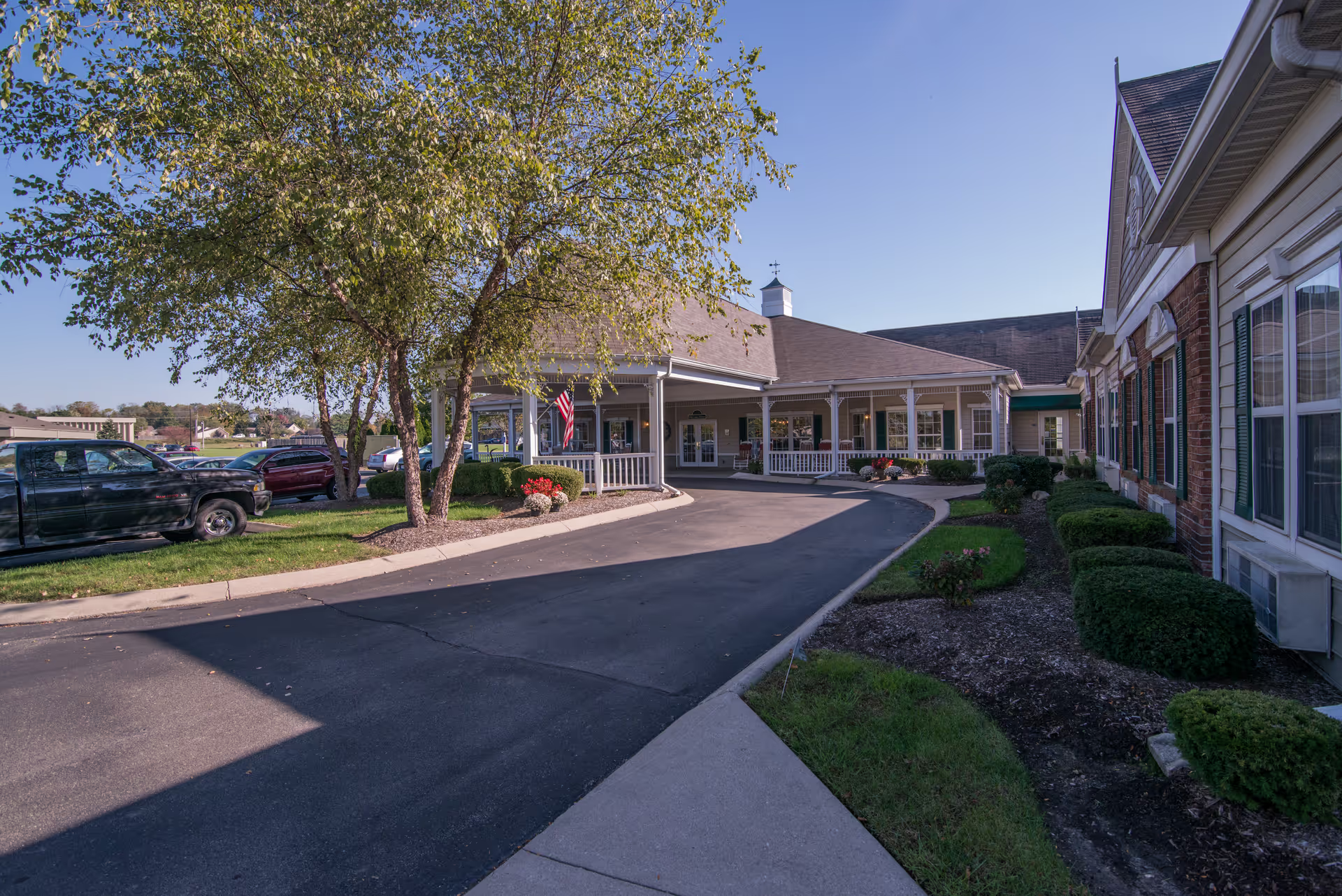
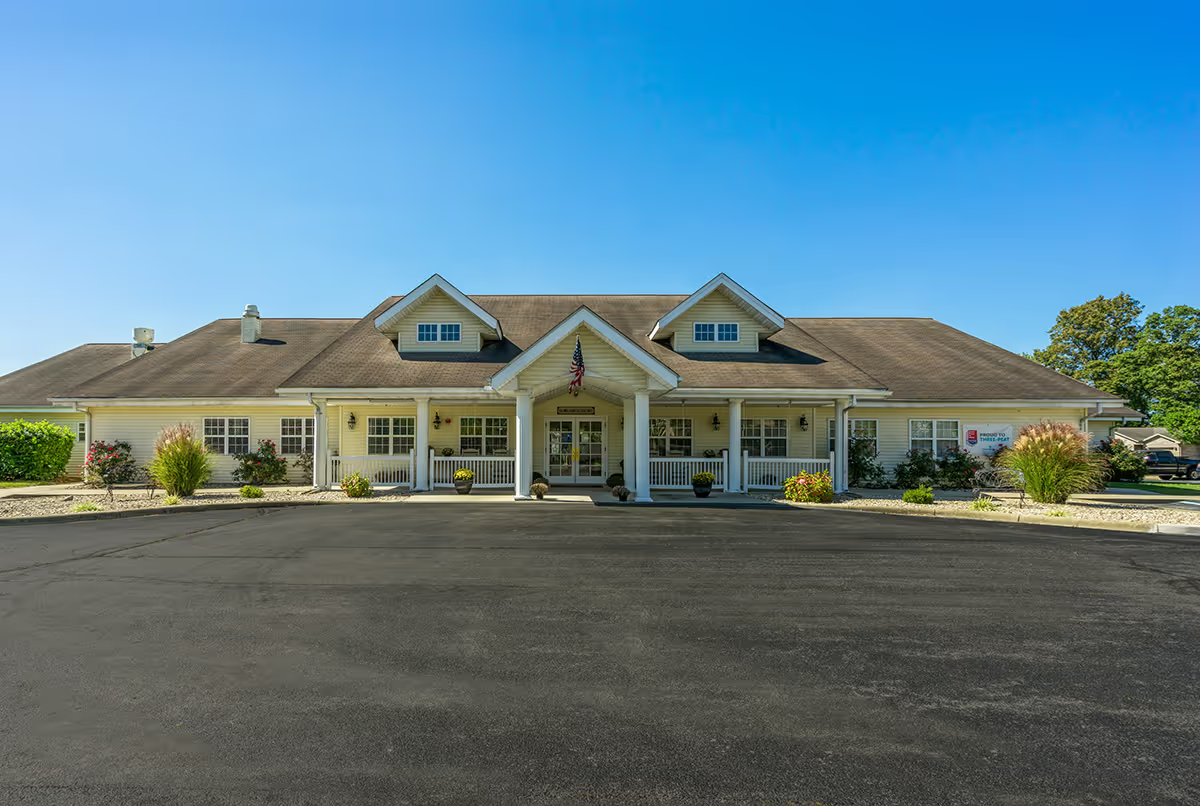
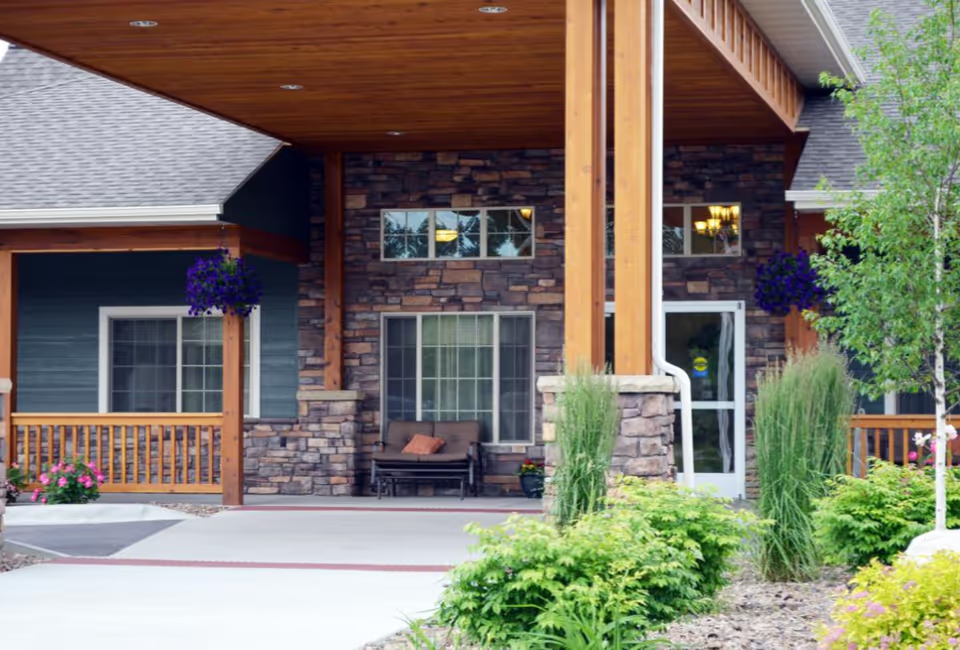
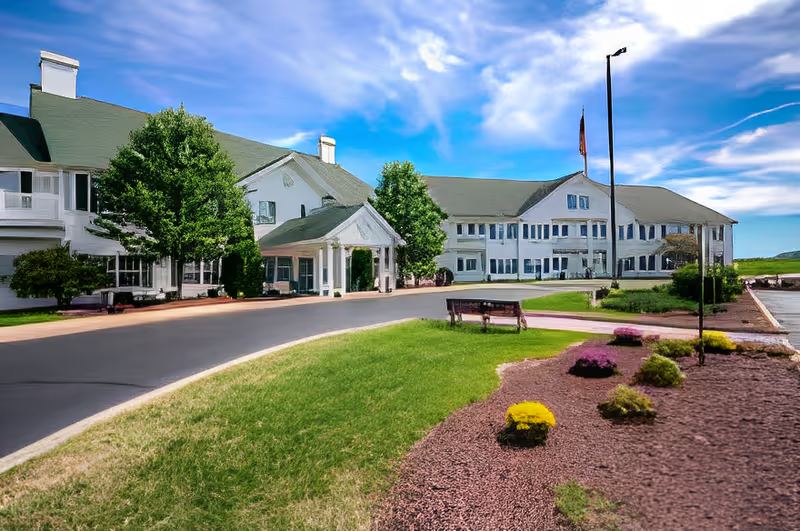
Overall impression: Independence Village of Columbus (Parkside Court-style independent living) shows a strong emphasis on personable staffing and a community-focused environment. Across reviews the facility is repeatedly described as clean, well maintained, and welcoming; many residents and families highlight friendly interactions at reception, an attentive housekeeping program, timely maintenance repairs, and a general condo-like atmosphere. The campus and grounds — with balconies, decks, garden areas, and walking paths — are frequent positives, and several reviewers praised renovated common areas and larger apartment options.
Care and staffing: The facility positions itself as independent living rather than assisted living. Staff are widely characterized as compassionate, proactive, and willing to go above and beyond: daily check-ins, attentive drivers, and involved management and sales personnel are recurring strengths. That said, multiple reviews indicate operational limits when residents require a higher level of personal care. Specific patterns include inconsistent availability of personal-care assistance (for example, shower frequency and help with hygiene) and concern about reductions in on-site management or overnight staff coverage. These elements have produced worries about after-hours access and delays in emergency response for some families. The life-alert system and initial on-site manager coverage are positives, but reviewers noted that changes to staffing models affected perceived safety for residents with greater care needs.
Dining and nutrition: Dining is a mixed picture. Many residents praise the formal dining room, social mealtimes, and the presence of multiple daily meal options; there are accounts of chef involvement and enjoyable items. Conversely, a recurring theme is inconsistent meal quality, smaller portion sizes, and staffing shortages in the kitchen that have sometimes resulted in cold or hit-and-miss service. These inconsistencies appear to be operational rather than universal — some reviews describe improvements after staffing or kitchen changes, while others cite continued variability.
Activities and social life: Activity programming is a clear strength. The community offers a wide variety of regular group activities — games, choir, Bible study, crafts, exercise classes — plus frequent outings and bi-weekly lunch trips. Reviewers emphasize the social dining environment, the ease of making friendships, and opportunities for residents to lead or participate in groups (e.g., choir direction). For prospective residents seeking an engaged, social independent-living environment, the activity calendar and transportation service are strong selling points.
Facilities and accessibility: Physically, the building is usually described as neat, recently updated in places, and accessible in many common areas. Apartments vary in size; some units are spacious with ample storage, while others are studio-sized with open-plan kitchens. However, several reviewers noted accessibility constraints for wheelchair users or residents with significant mobility needs — narrow bathrooms and limited maneuvering space in some floor plans. Emergency-preparedness items such as lighting during outages were also called out in a few reviews.
Management and operational patterns: Sales and executive-level staff frequently receive positive mention for responsiveness and involvement during move-in. At the same time, reviewers described operational variability tied to ownership or management changes — rising fees without parallel service increases, occasional administrative issues (billing or automatic-debit errors), and reduced staffing models (notably overnight coverage). These patterns suggest that the resident experience can be strongly influenced by recent management decisions and staffing levels.
Notable considerations for families: The community is well suited for older adults who are largely independent and value social programming, cleanliness, and a supportive staff. Prospective residents who need regular personal-care assistance, frequent hands-on clinical support, or fully accessible housing for powered mobility devices should evaluate specific unit layouts and confirm the current level of on-site staffing and emergency-response protocols. Additionally, families concerned about meal consistency or continuity of kitchen staffing should ask for recent operational updates. Overall, the dominant themes are high marks for staff engagement, social life, and facility upkeep, tempered by operational concerns around dining consistency, reduced after-hours staffing, accessibility for higher-care needs, and management transitions.