Keepsake Village of Columbus Memory Care elicits polarized feedback that clusters into two primary experiences: many families describe a warm, small-scale dementia care setting with strong programming and engaged staff, while other families raise operational concerns that affect clinical reliability and communication.
Care quality displays both notable strengths and important inconsistencies. Positive accounts emphasize compassionate, family-oriented caregiving, knowledgeable dementia leadership, 24-hour nursing availability, and successful hospice support when needed. Residents are frequently described as well cared for, with supportive morning routines, assistance with dressing, and an overall safe environment. However, a number of reviews describe patterns that suggest gaps in clinical practice: medication-management processes and informed-consent pathways are sometimes unclear, there are incidents indicating failures in wound-care and incontinence-related practices, and variability in nursing and aide competence has been noted. These issues appear episodic but are significant when they occur and have contributed to family concern about clinical reliability.
Staff and management impressions are similarly mixed. Many families praise caring, accommodating caregivers, long-tenured personnel in certain roles, and staff who proactively communicate via phone calls and photo updates. The activity staff and leadership receive consistent commendation for an active calendar — concerts, dancing, games, outings, and regular on-site programming foster engagement and a home-like atmosphere. Counterbalancing this, reviewers report inconsistent staffing levels, frequent turnover in some positions, and occasional difficulty reaching managers or obtaining promised follow-up. Administrative transitions and paperwork confusion during ownership or staffing changes were also mentioned as a source of stress for families.
Dining and activities are clear strengths for many residents. Multiple reviews cite delicious meals, well-organized dining, and plentiful activities including outings, an inviting activity room, and on-site beauty services. That said, some families experienced inconsistent meal quality or problems with dietary adherence (for example, individualized or diabetic meal plans not consistently followed), and food portions were occasionally described as inadequate.
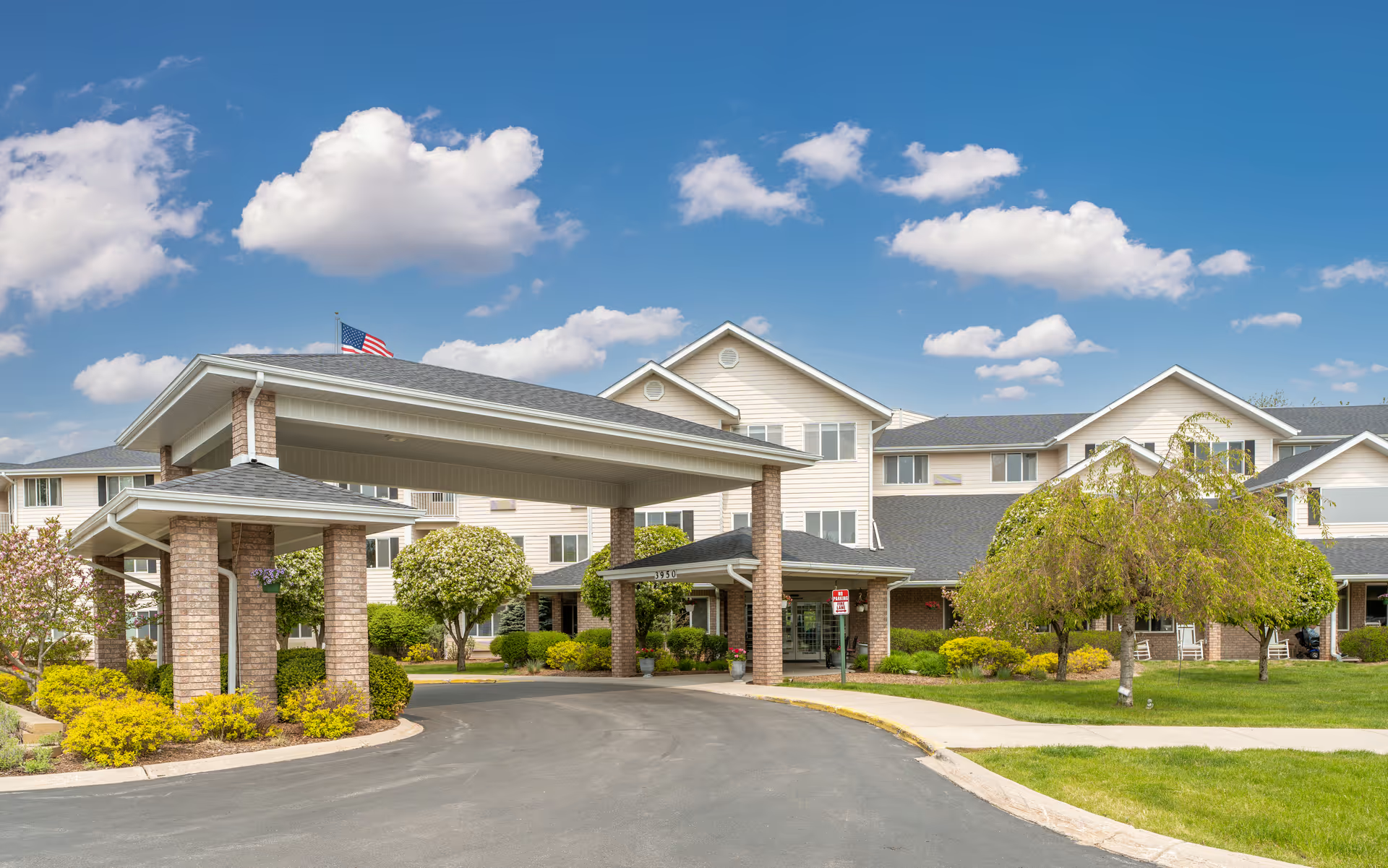
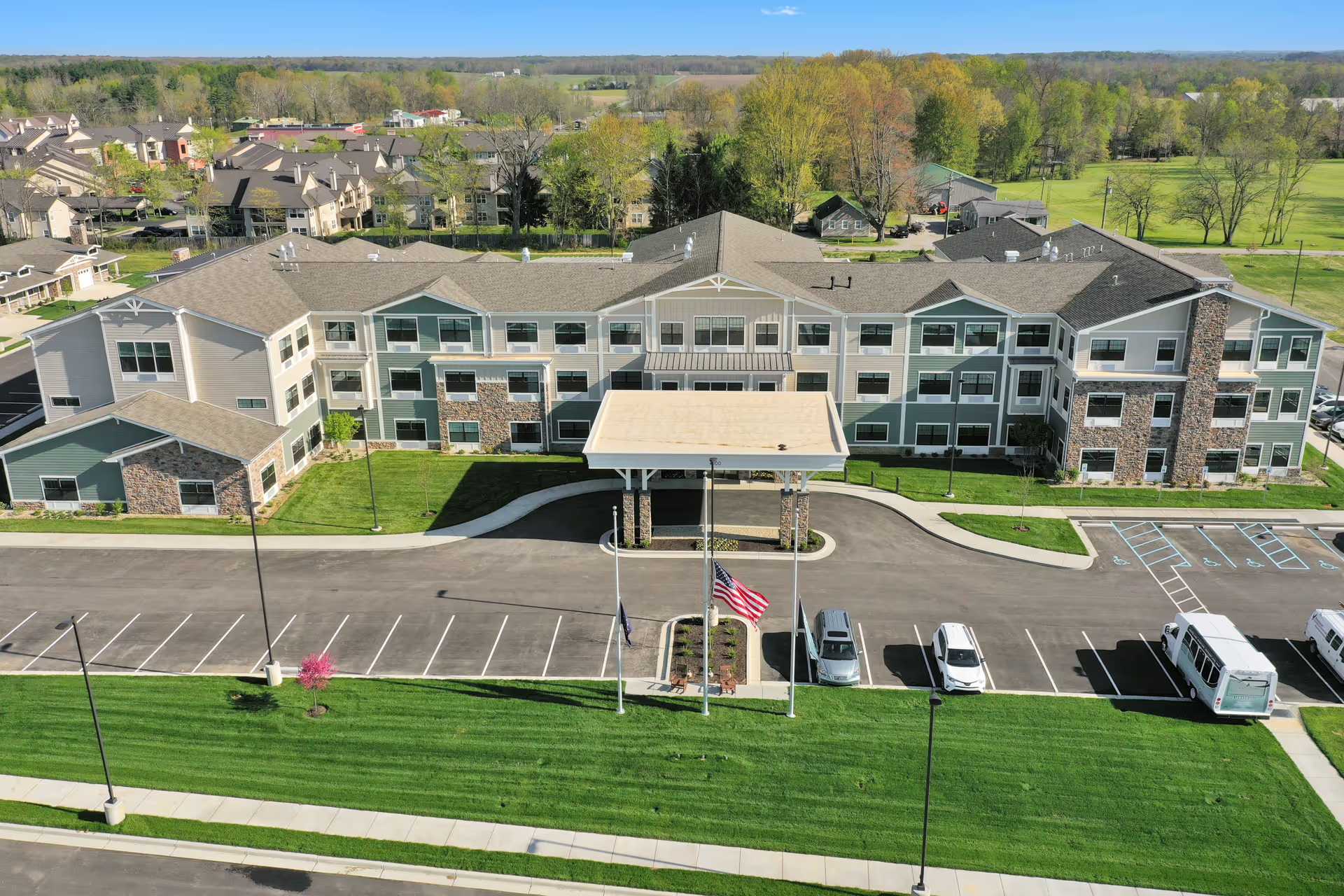
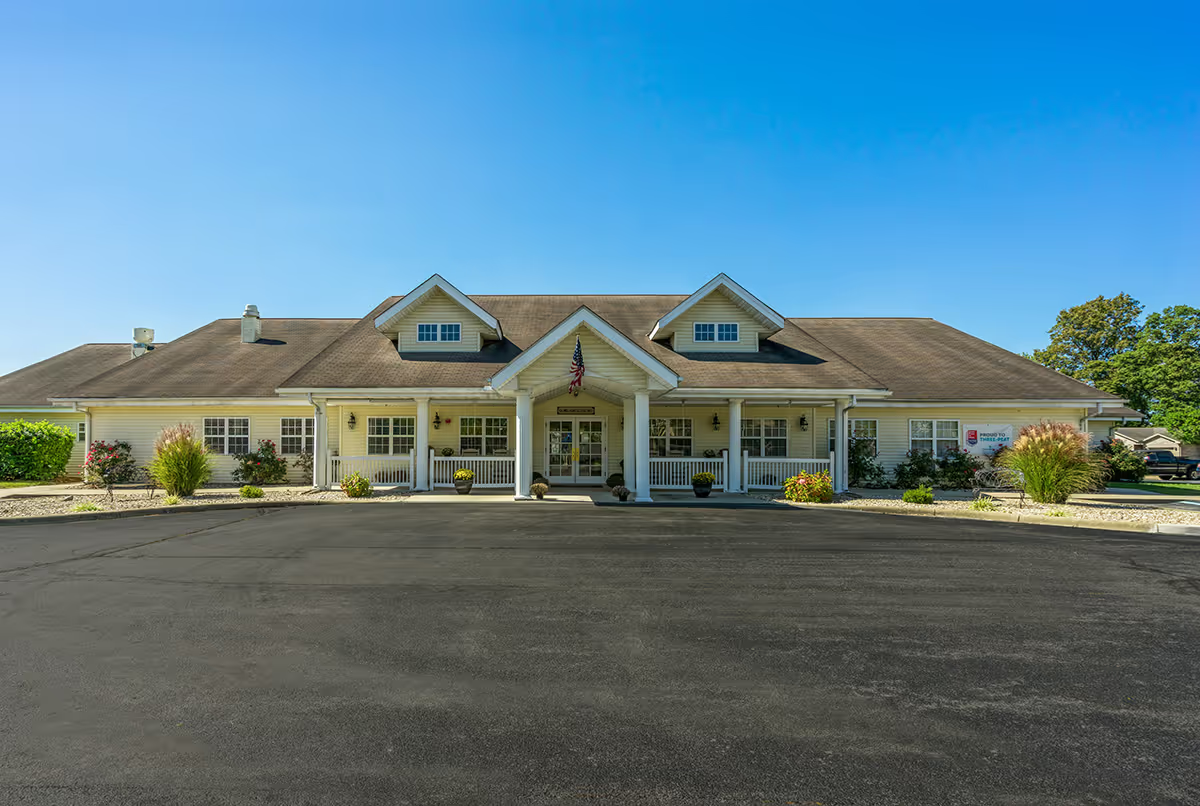
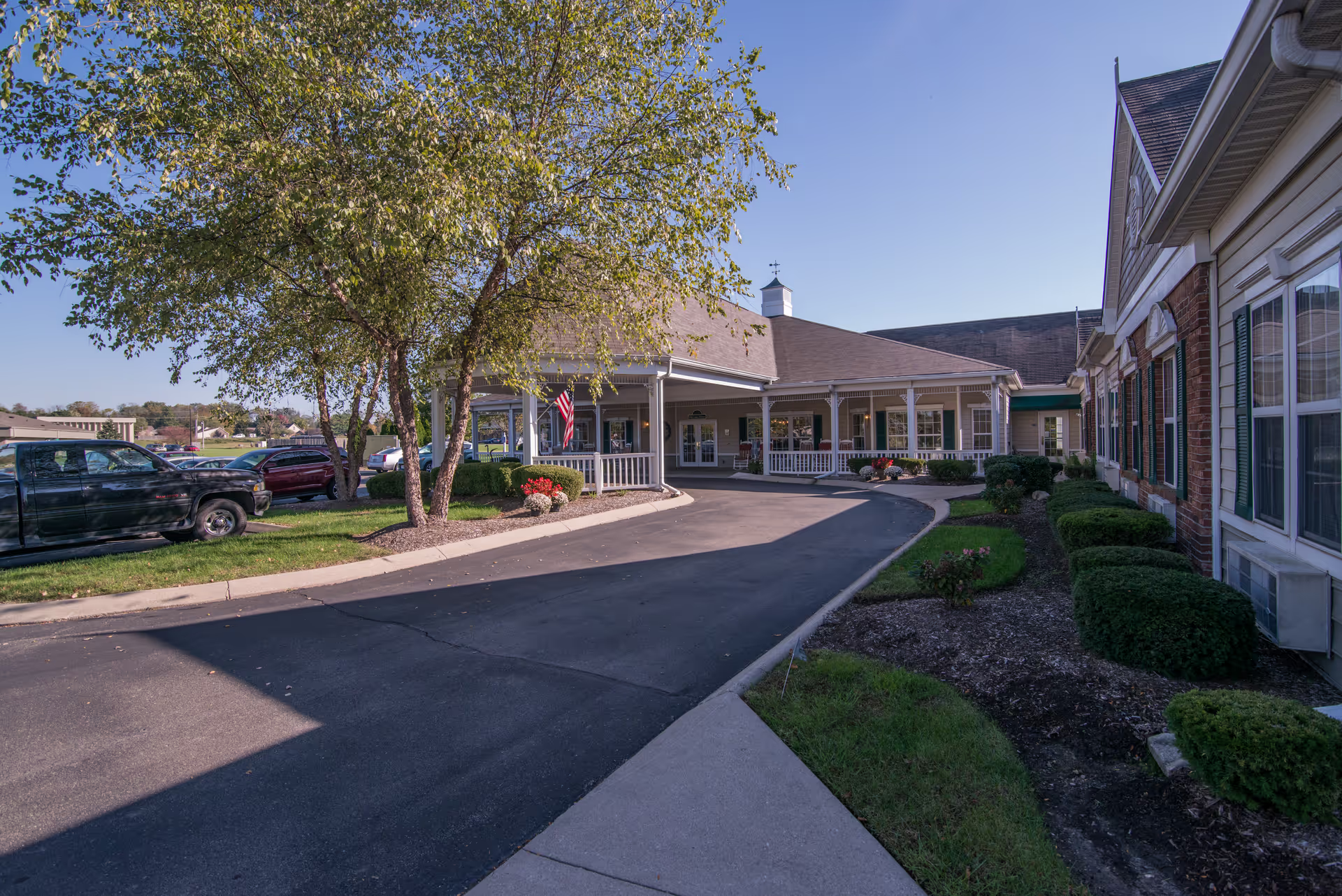
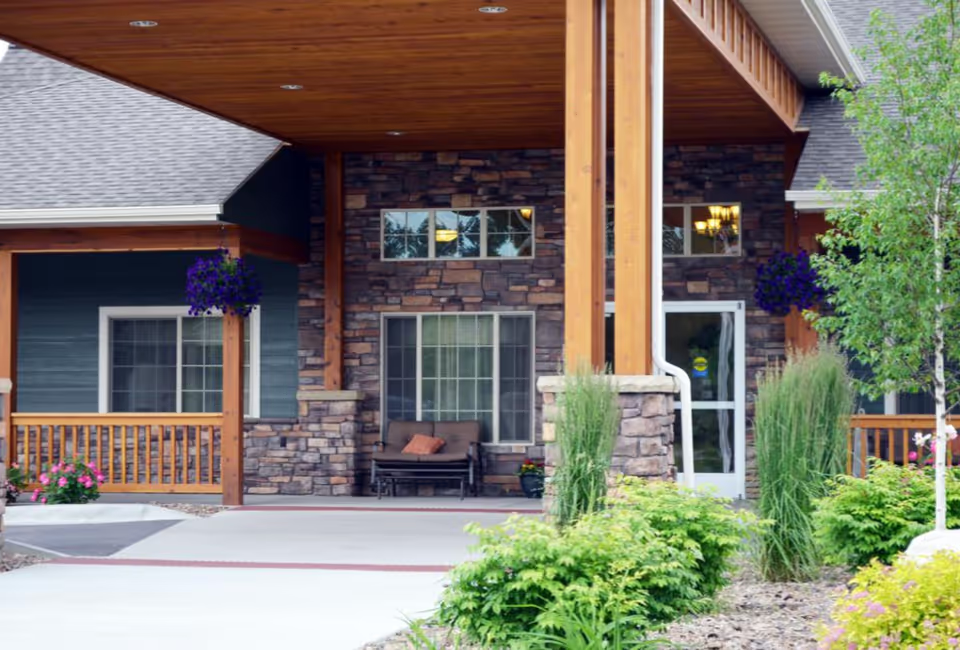
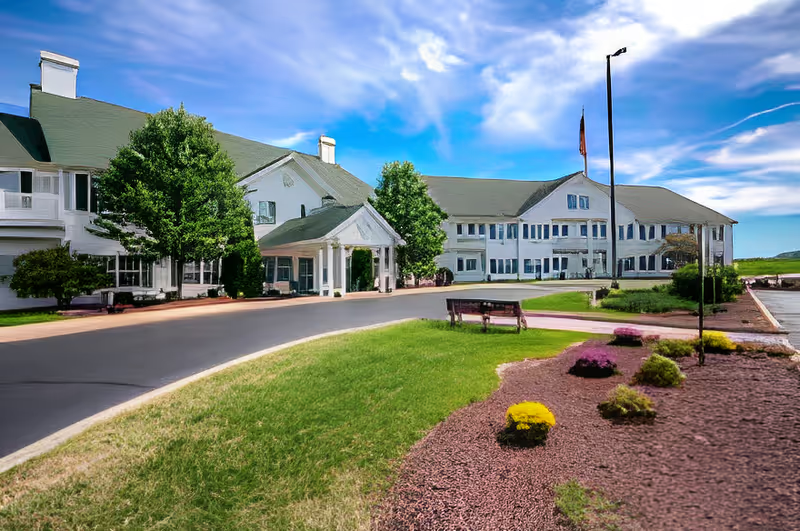
The facility and environment generally receive favorable comments: newer or recently cleaned spaces, a courtyard and safe outdoor area, many private rooms with walk-in closets, and the ability to personalize living areas. A few reviewers noted dated finishes in some rooms (paint/finish choices) and that semi-private rooms can be small for two occupants. Operational issues such as occasional sanitation concerns in specific rooms and lapses in personal-item handling were raised and warrant attention.
Notable patterns for prospective families: Keepsake Village offers a small, activity-rich, dementia-focused environment with many families reporting strong personal attention and improved quality of life for their loved ones. At the same time, there are recurring operational themes—communication gaps with POAs and families, inconsistent staffing and clinical practices (including medication and incontinence/wound care), and administrative accessibility—that can materially affect the resident experience. Prospective residents should weigh the facility’s programmatic strengths and home-like environment against these operational risks, and families are advised to ask targeted questions about staffing continuity, medication-consent policies, wound and incontinence-care protocols, and family-communication procedures during tours and admissions discussions.