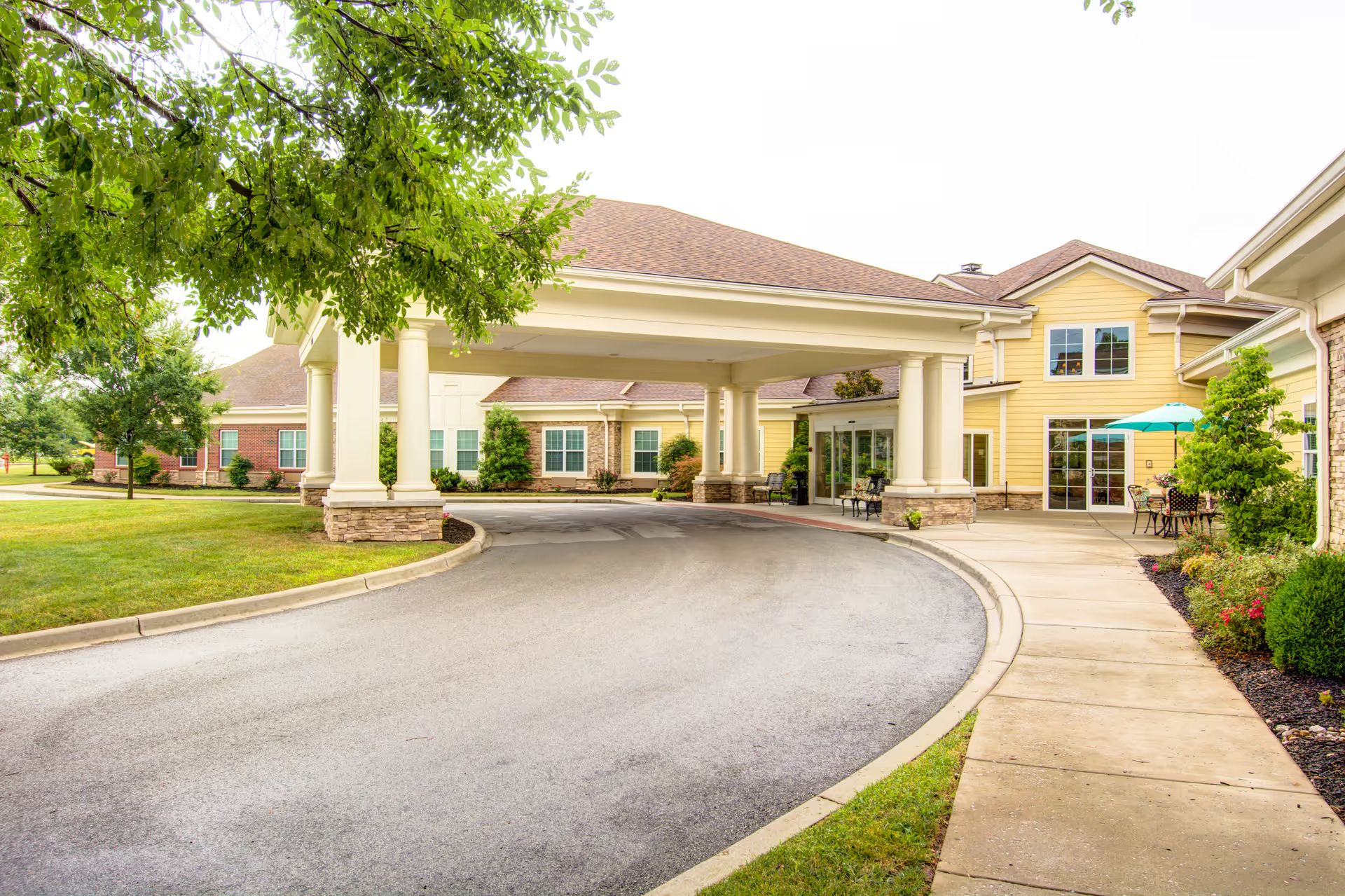
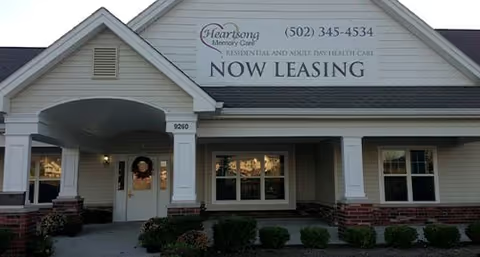
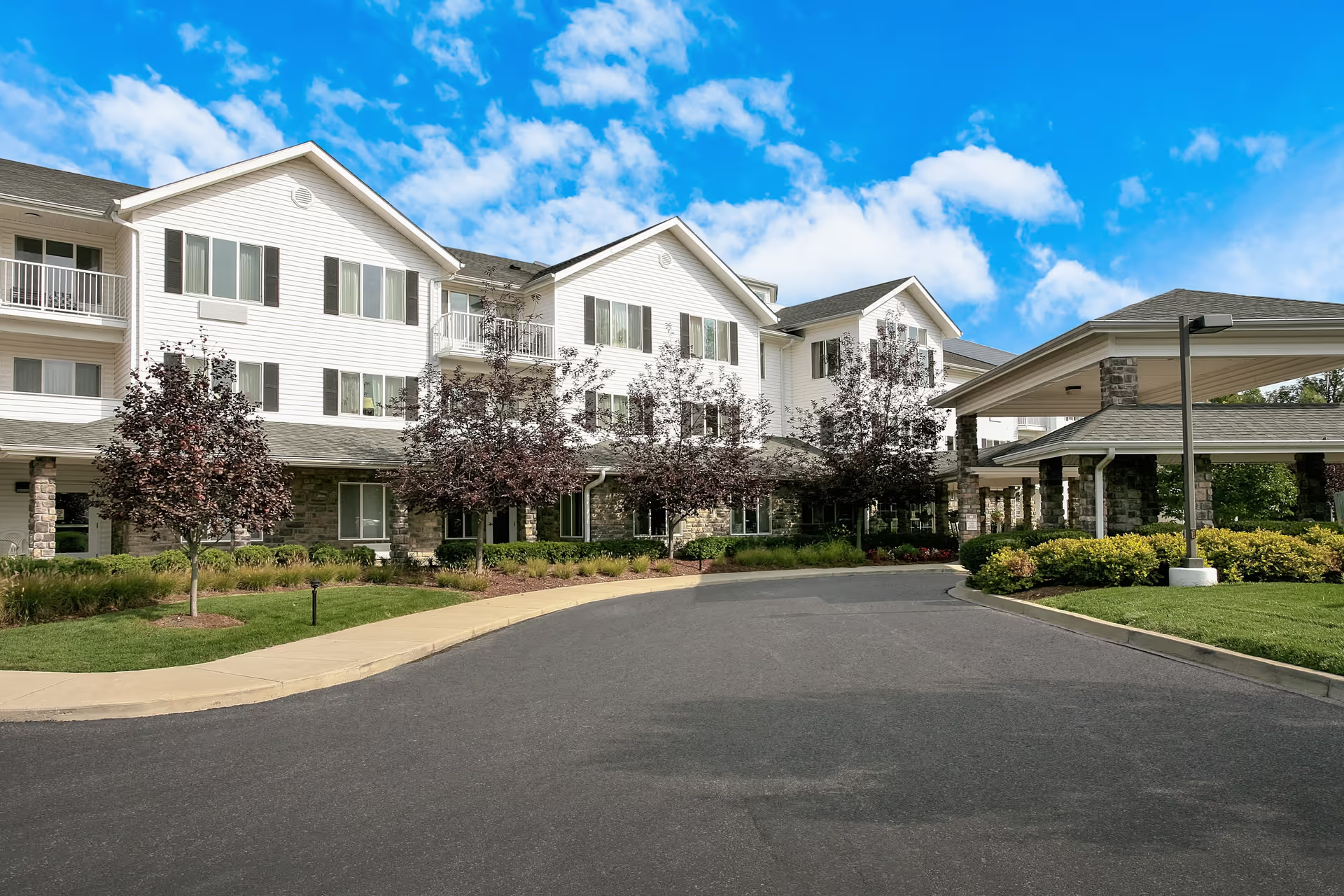
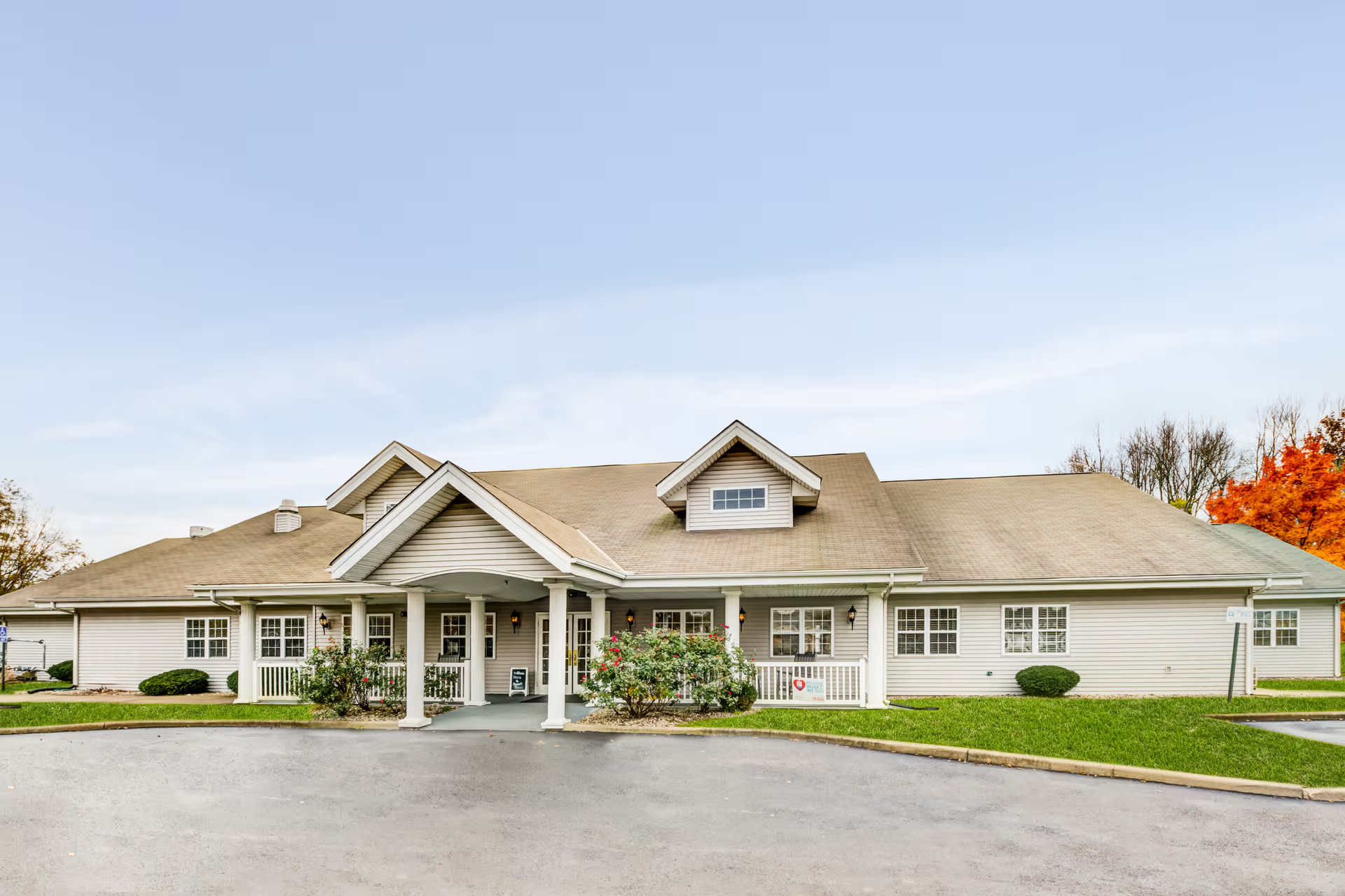
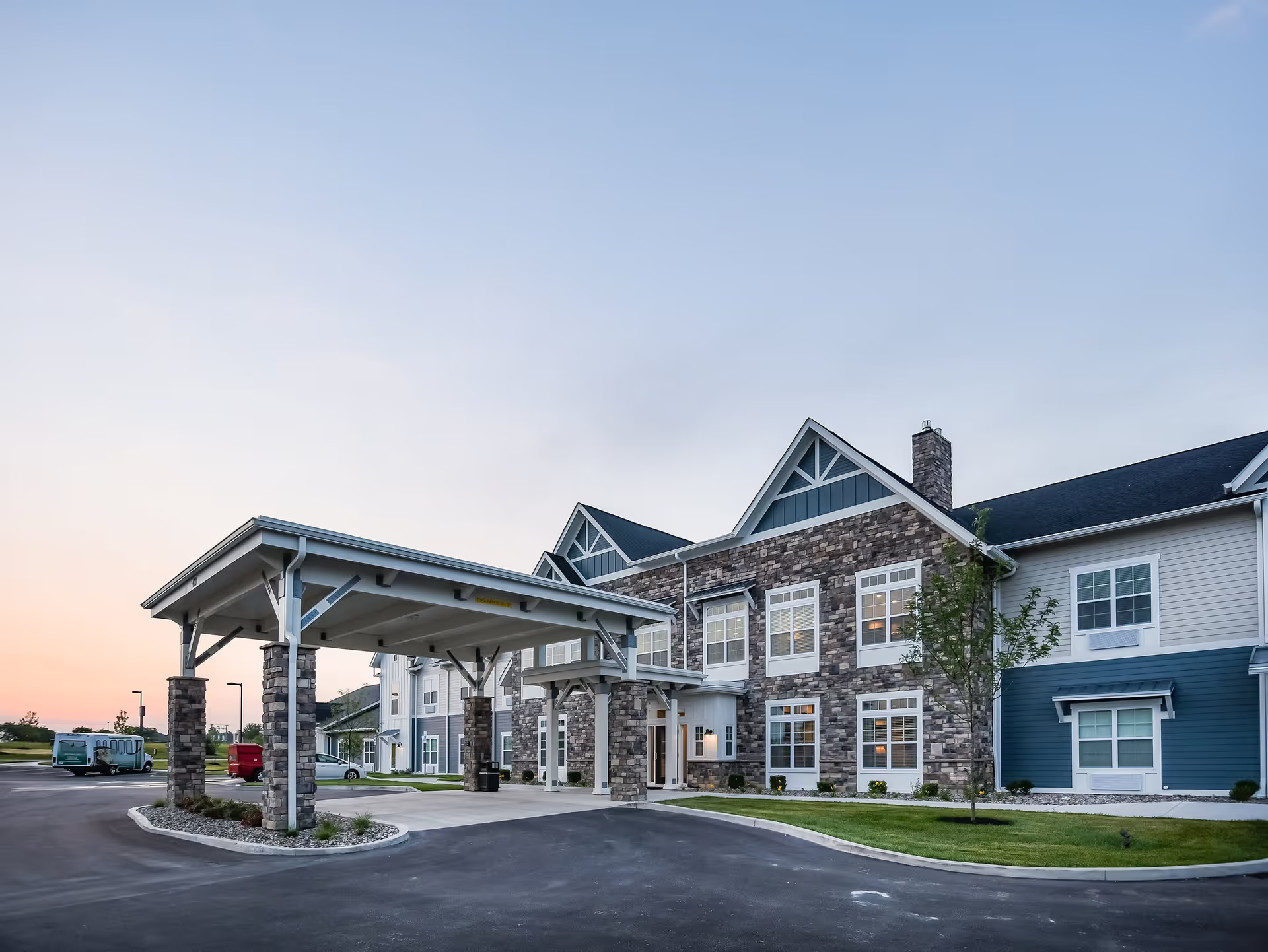
Cedar Court Assisted Living presents as a well-maintained, apartment-style assisted living community with a family-oriented, Christian-influenced culture. Reviewers emphasize a clean, modern building with up-to-date amenities, private units suitable for individuals or couples, and communal spaces such as a large dining room and recreation area. The facility positions itself as assisted living rather than a higher-acuity or memory-care provider.
Care and staff: Staff receive consistently positive remarks for being personable, hardworking, and willing to go beyond routine duties. Many families and residents found staff helpful with medication assistance and daily needs; several accounts describe reassuring, attentive interactions and good responsiveness during infection-control lockdowns. At the same time, there are indications of variability in day-to-day care consistency—some family comments suggest expectations for clinical responsiveness are not always met. Clinically, the community appears geared toward assisted-living-level needs rather than complex medical or memory-care cases.
Dining and activities: Dining is a frequently noted strength—residents describe enjoyable meals, a pleasant dining environment, and good value for cost. The activities program is active, with regular offerings such as exercise classes, Bingo, live music, and other social events that contribute to a lively atmosphere. Reviewers often describe a steady calendar of programming and opportunities for social engagement, which supports the community’s ‘‘family-like’’ reputation.
Facilities and amenities: The building is characterized as fairly new and well kept, with apartment-like rooms, ample communal areas, and modern finishes. Ongoing unit rehabilitation was mentioned, which may create short-term disruptions but also indicates investment in upkeep. Infection-control practices and COVID-19 policies were viewed positively by many families.
Management and notable patterns: The dominant operational concern in the feedback relates to administrative communication and policies around resident transitions. There is at least one strong account of abrupt termination/eviction communication that highlights a broader pattern risk: families would benefit from clearer, more consistent information about discharge/relocation policies and advance notice procedures. Additionally, the facility does not offer on-site memory care or higher-acuity clinical services; families seeking those levels of care should plan accordingly. Overall, the prevailing impression is of a clean, community-focused assisted living option with attentive staff and robust social programming, tempered by occasional variability in care consistency and areas for improvement in administrative communication and higher-acuity clinical capacity.