Wellbrooke of Crawfordsville elicits strongly mixed impressions: many families and residents describe a warm, supportive day-to-day environment led by caring caregivers and an active activities program, while other accounts raise operational and clinical concerns that prospective families should evaluate closely.
Care and clinical services: Numerous comments praise the facility’s skilled nursing, rehabilitative therapy, and effective social-work support; families credited therapy and social work with meaningful improvements for residents. At the same time, there are recurring concerns about inconsistent clinical oversight — notably pain and symptom control, hydration and intake monitoring, and skin-integrity checks. Accounts of delayed responses to calls, fall events, and infection-related complications suggest gaps in bedside responsiveness and safety-practice consistency rather than a uniform failure of clinical capability.
Staff and culture: Reviewers frequently highlight compassionate, personalized interactions where staff learn residents’ names and maintain frequent communication. Long-tenured employees and standout individuals (including a frequently mentioned social worker) receive clear praise. Conversely, reviewers also describe high turnover, variable experience among CNAs, uneven training, and issues with workplace culture such as favoritism or poor conduct that can affect resident experience. These contrasting impressions indicate pockets of strong, stable caregiving alongside areas where recruitment, retention, and supervision appear inconsistent.
Dining and activities: The community offers a robust activities calendar — music, sing-alongs, visitor performances, petting zoos, shopping trips, and family-inclusive events — that many families find engaging and beneficial. Dining is generally viewed positively for accommodating dietary needs (including gluten-free options) and meal coordination, though there are periodic complaints about meal temperature, timeliness, and variable food quality that point to inconsistencies in kitchen operations and service continuity.
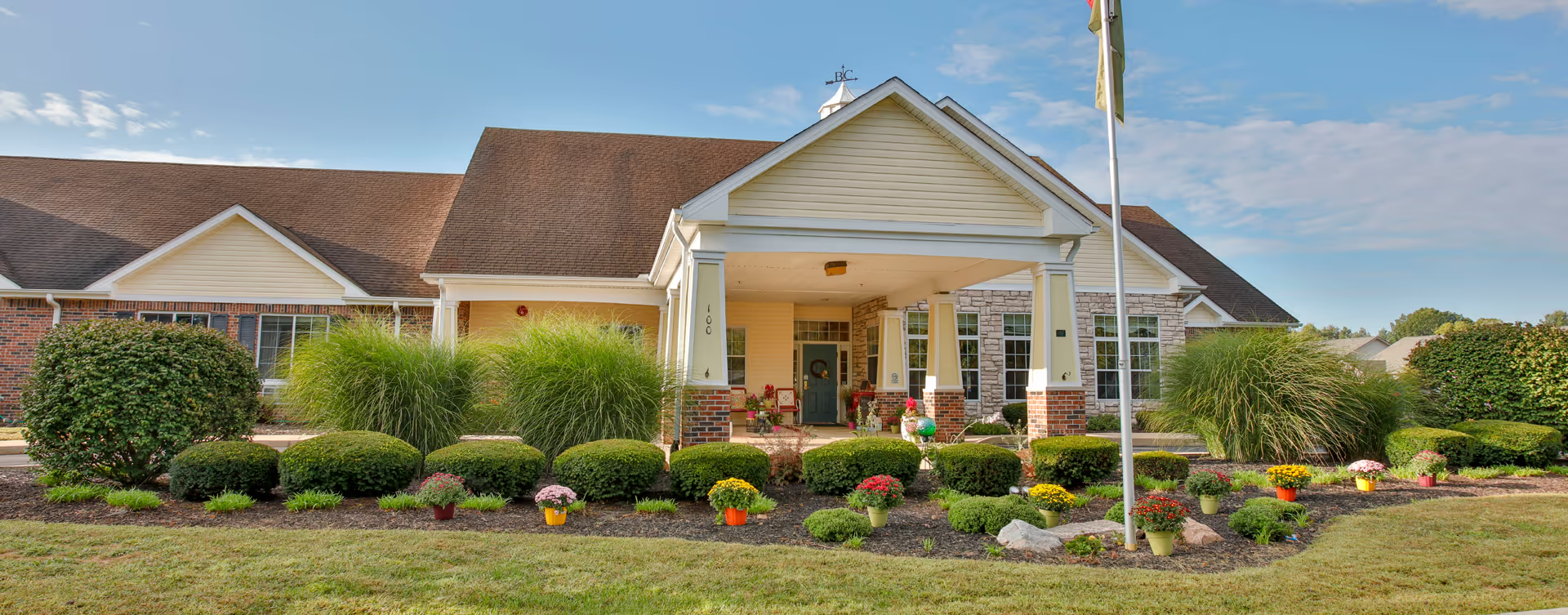
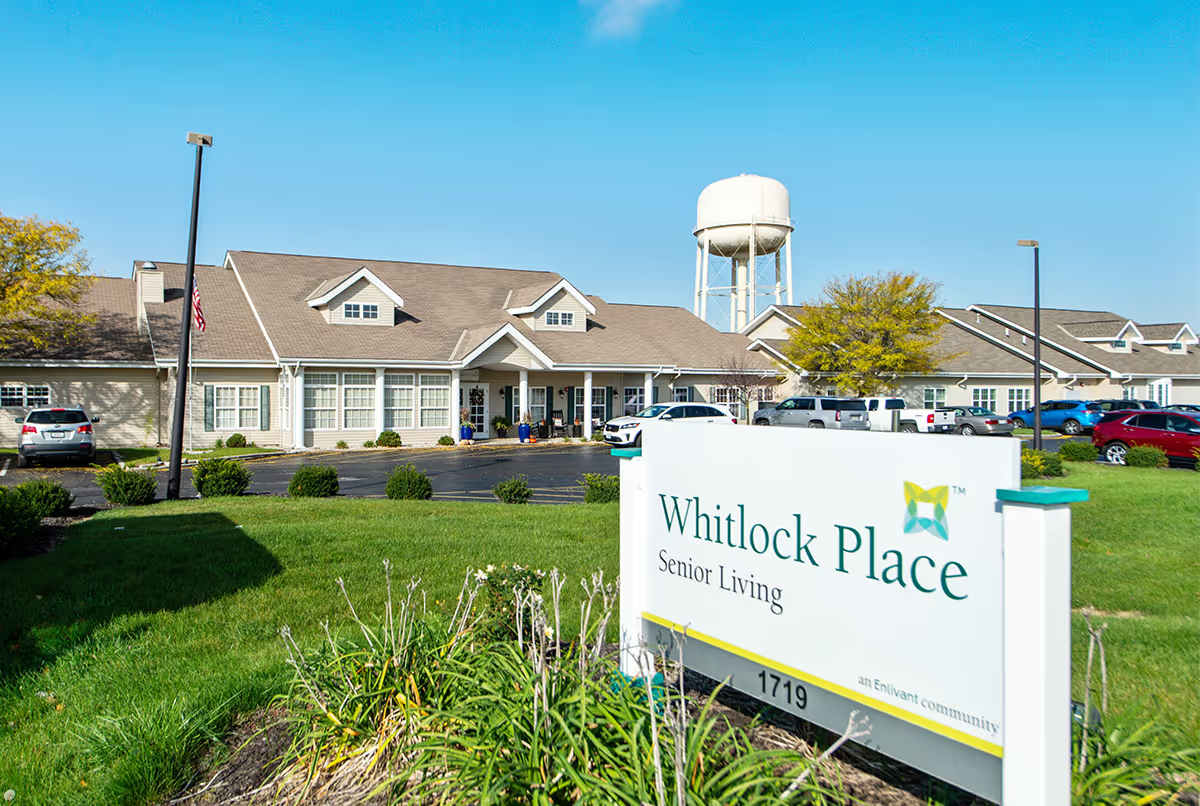
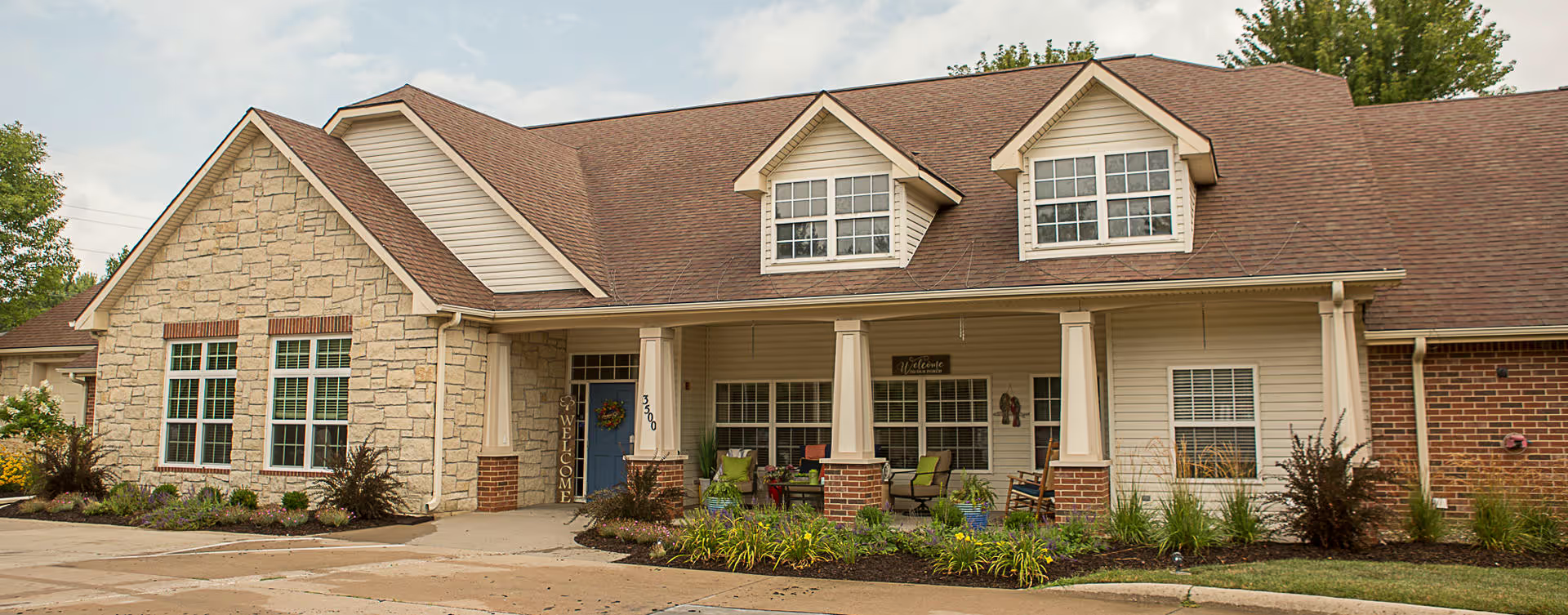
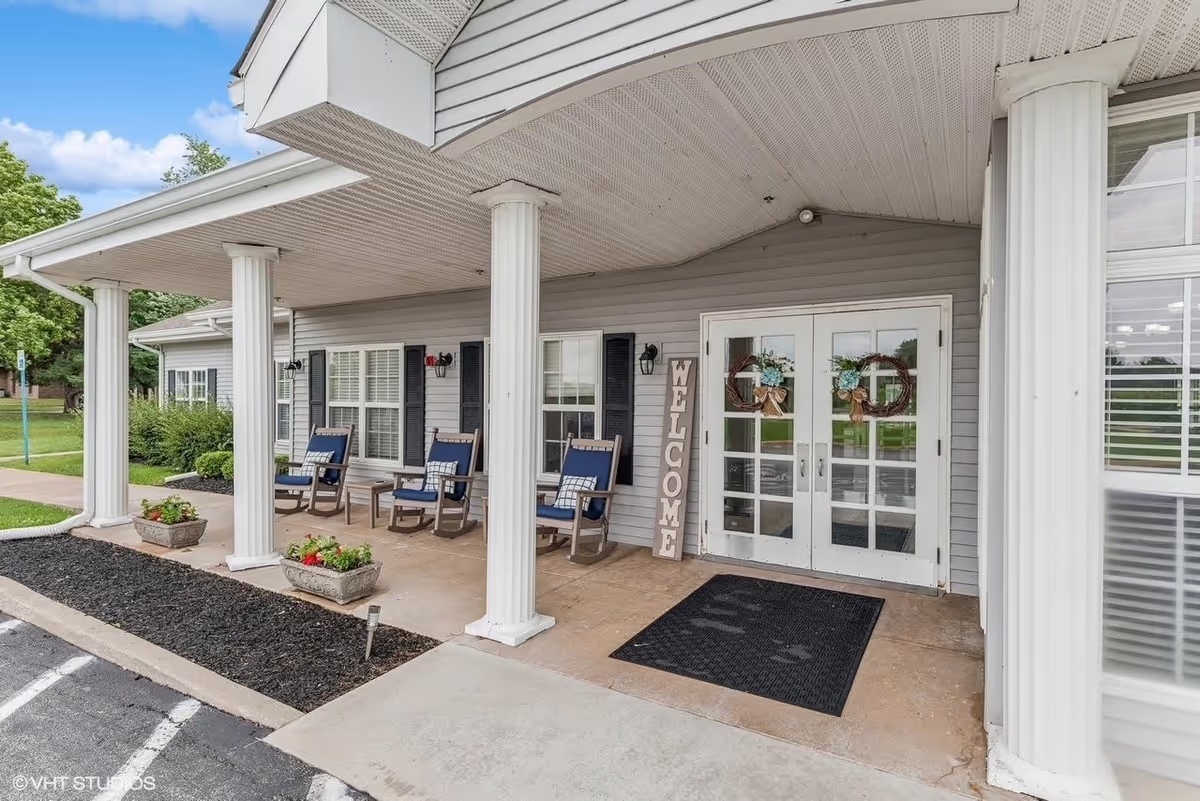
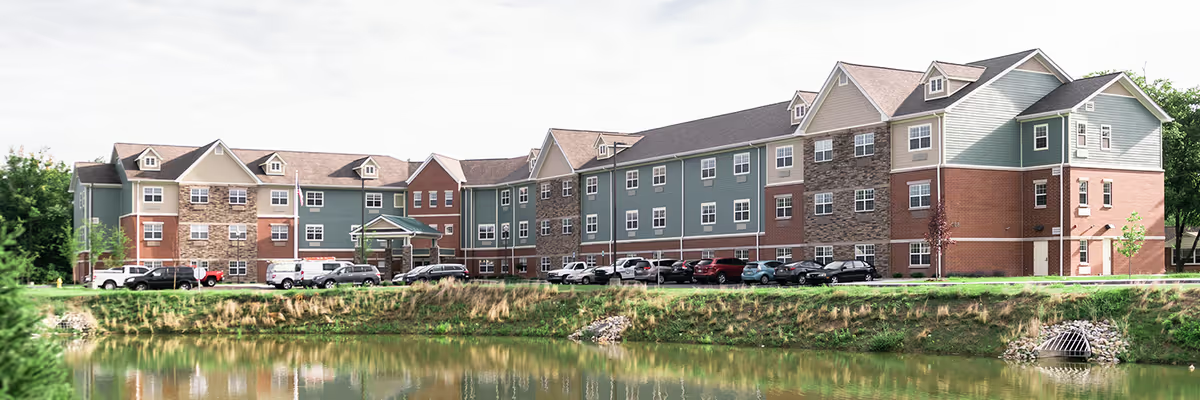
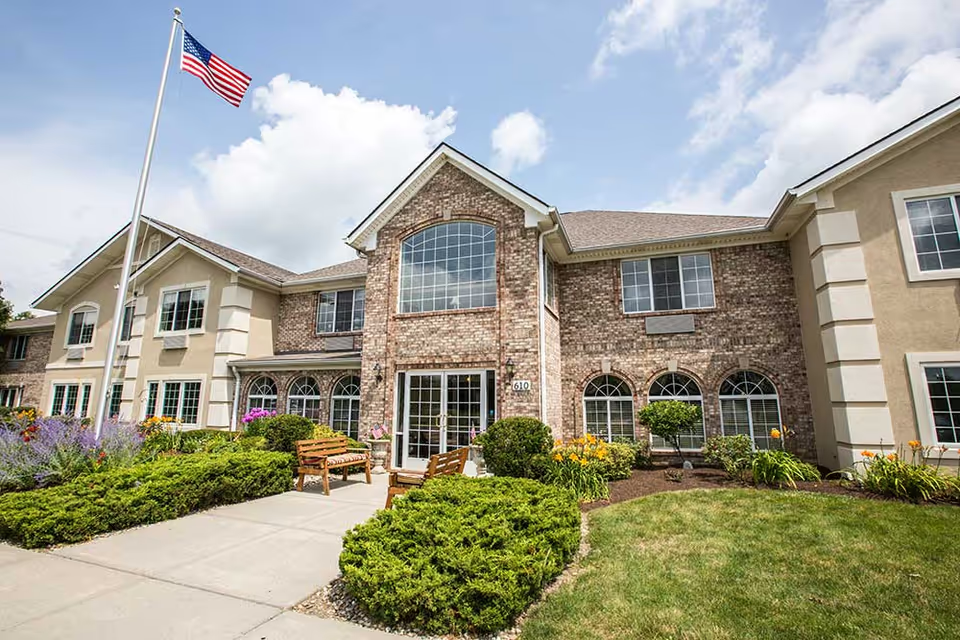
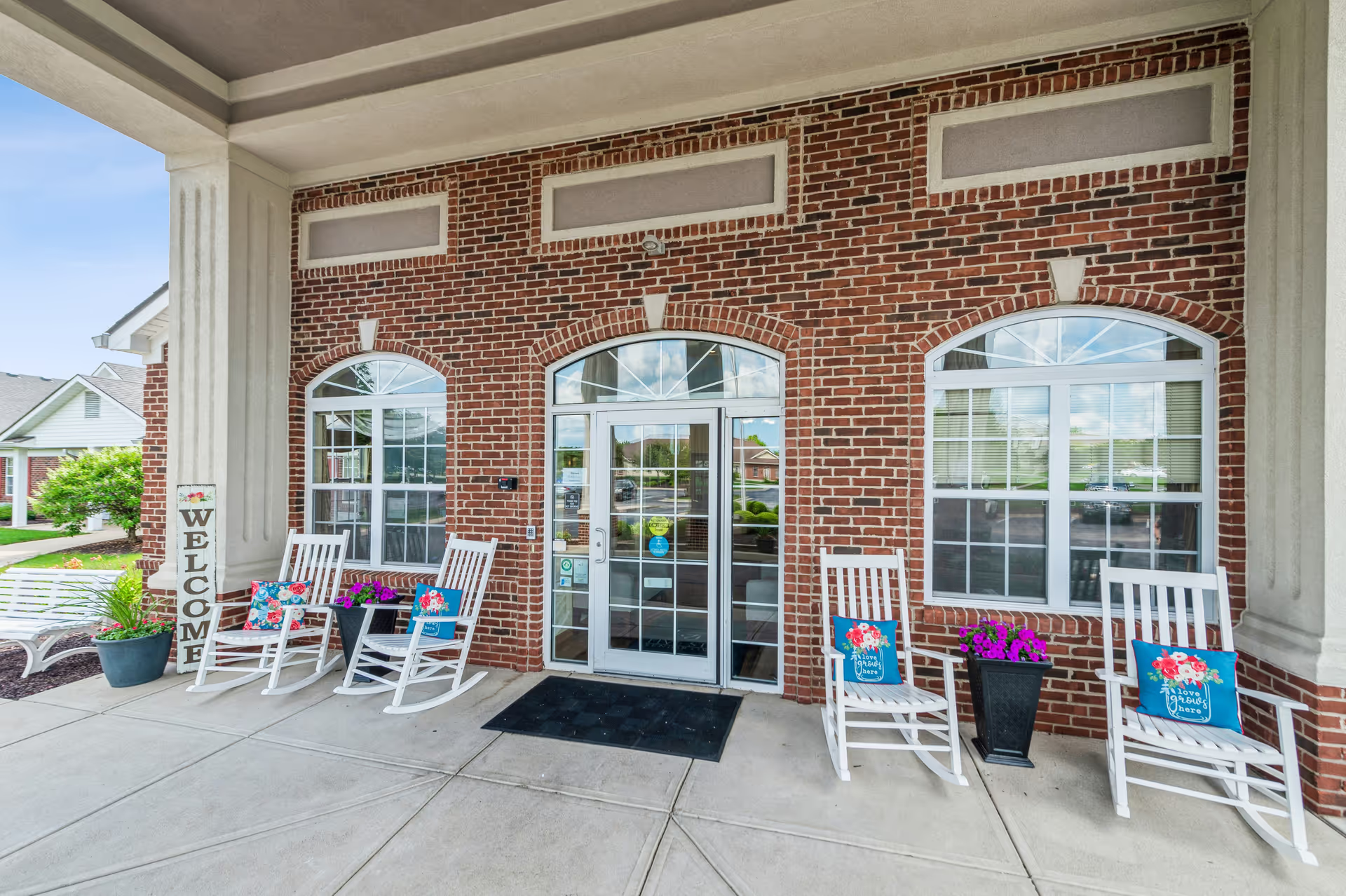
Facilities and administration: The building, grounds, and public spaces are repeatedly described as clean, attractive, and well maintained, with hotel-like common areas and amenities such as a bar and multiple dining rooms. Administrative weaknesses appear in front-desk responsiveness, phone coverage, and clarity around pricing or intake procedures. There are also operational concerns around equipment management and personal-property handling. Additionally, at least one serious claim about testing and documentation practices was raised; this type of issue warrants direct follow-up with leadership and review of facility policies.
Notable patterns and practical considerations: Overall sentiment ranges from high satisfaction and strong recommendation to decisions to transfer out due to specific care or responsiveness concerns. Prospective residents and families should weigh the facility’s evident strengths in staff compassion, therapy, activities, and physical environment against patterns of inconsistent staffing, responsiveness, and certain clinical oversight areas. Recommended areas to review during a visit include staffing ratios and turnover, fall-prevention protocols, response-time metrics for call bells, infection-control and testing procedures, dressing/incontinence and skin-care protocols, therapy scheduling, meal-service logistics, and avenues for raising and resolving conduct or care concerns.