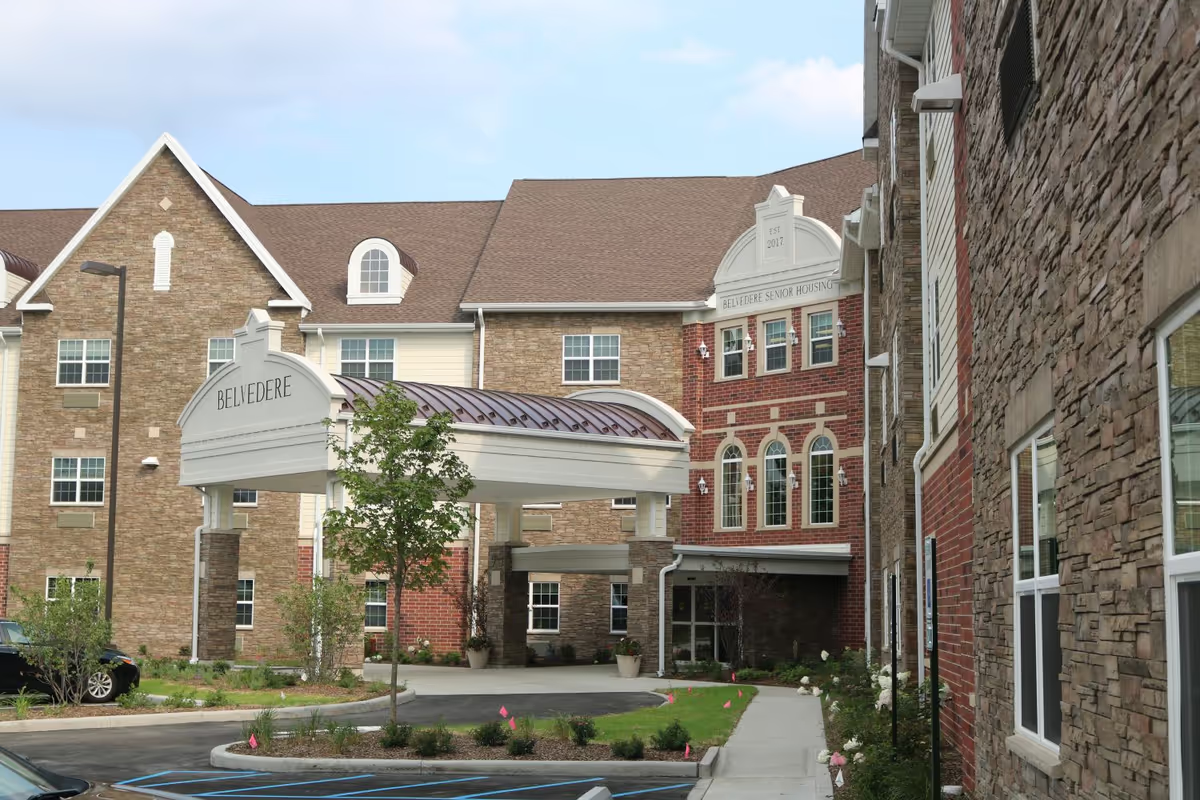
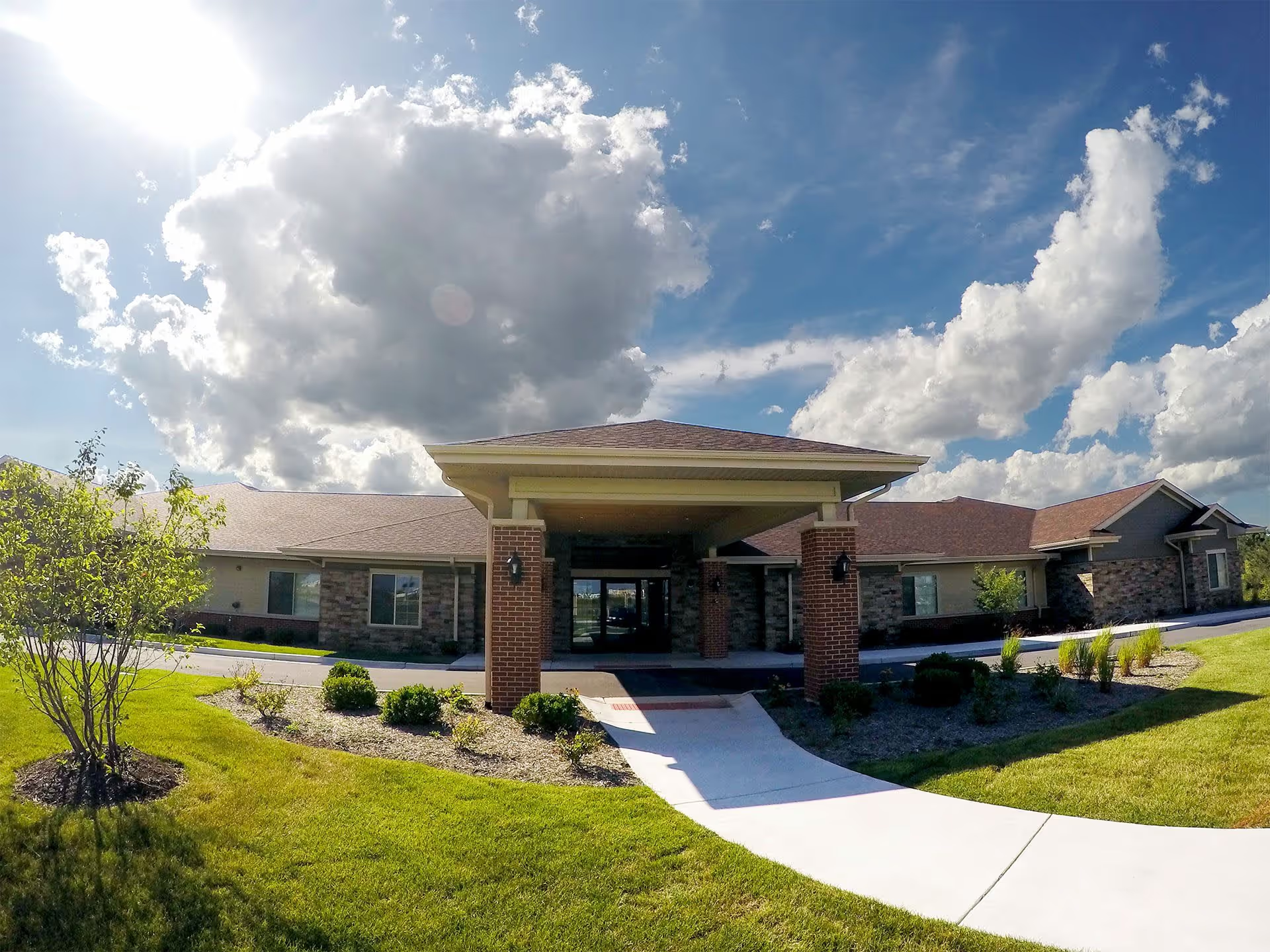
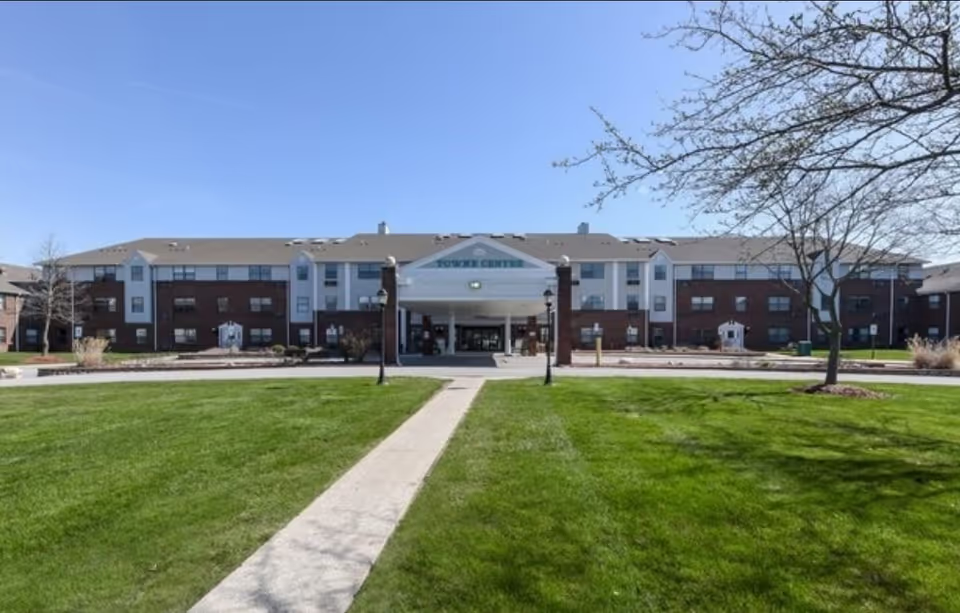
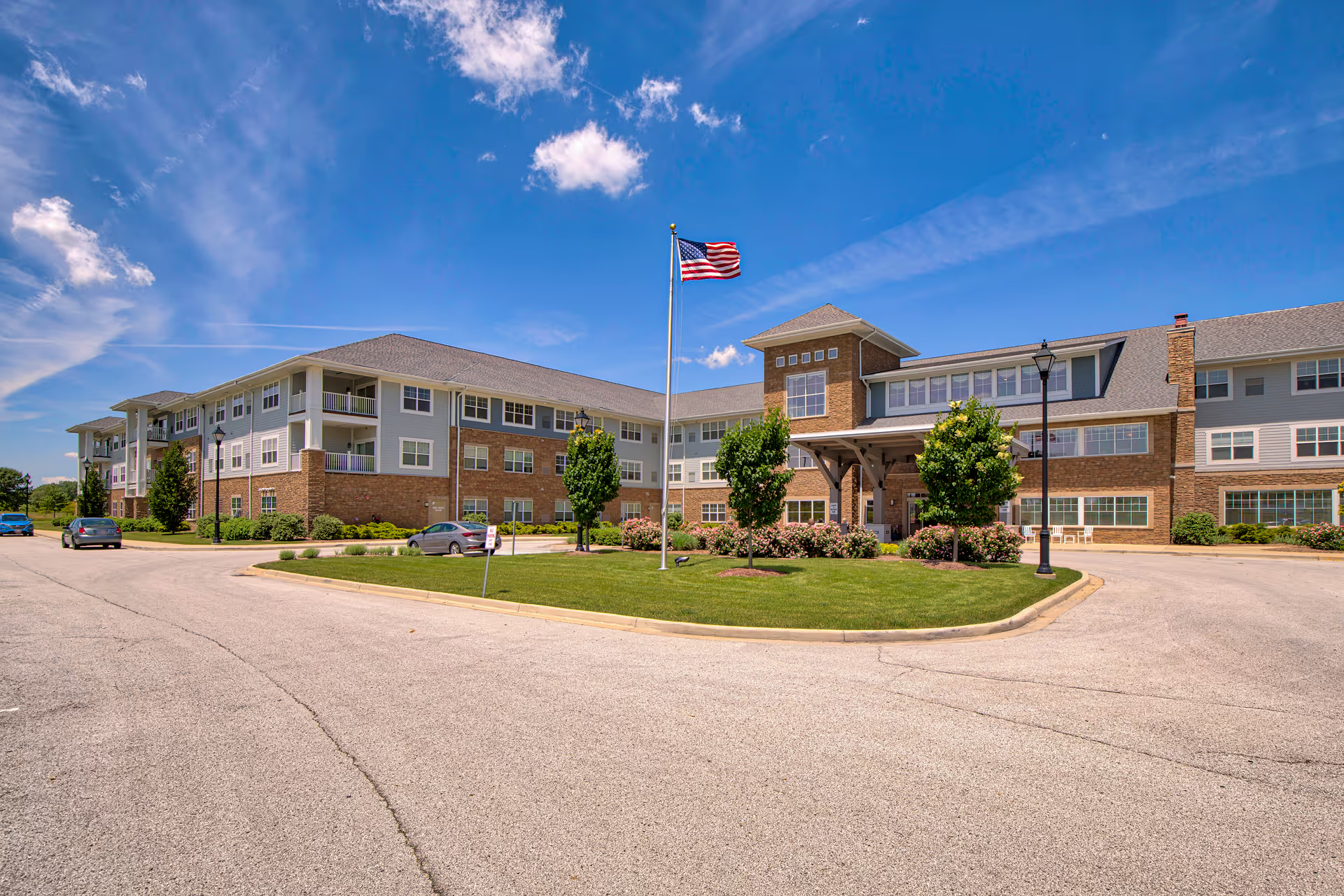
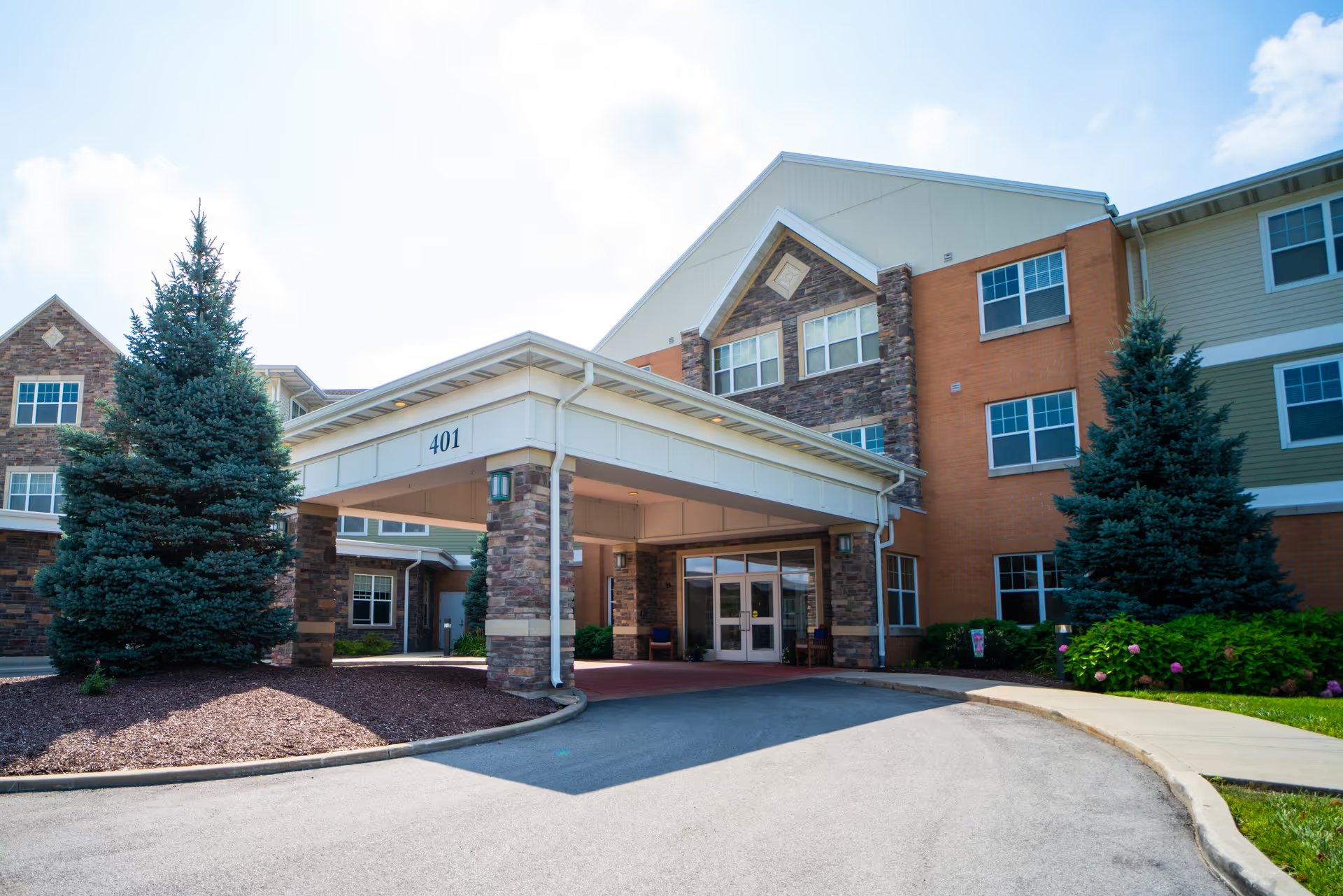
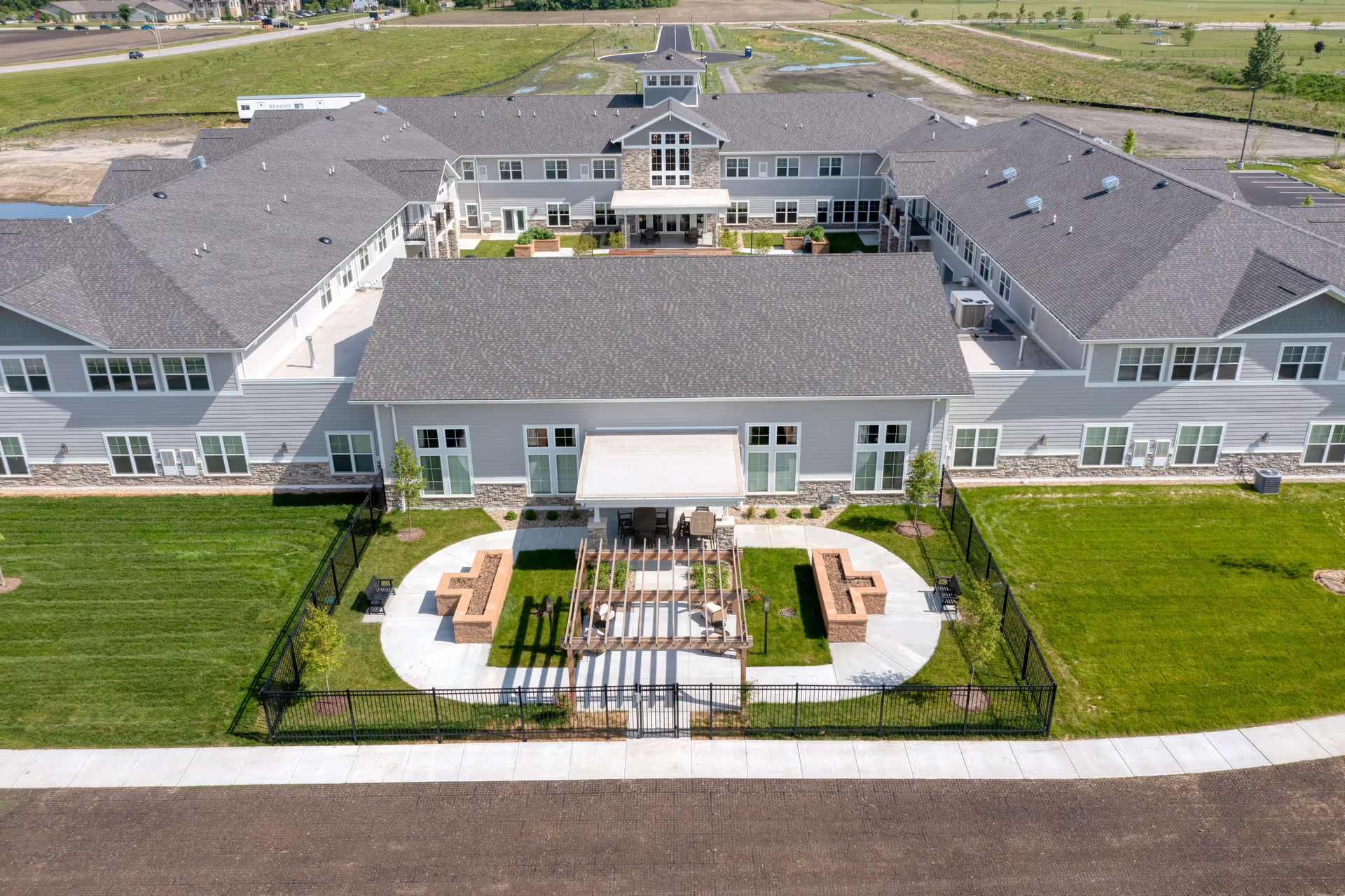
Bickford of Crown Point is described primarily as a clean, well-maintained, and home-like assisted living community with a strong emphasis on social engagement and hospitality. Reviewers consistently highlight warm, attentive staff and a family-oriented culture. Physical attributes that receive frequent praise include modern finishes, single-floor navigation, attractive courtyards and outdoor seating, secure entry, and on-site amenities such as a salon, whirlpool, and conveniently located common areas that support social interaction.
Care quality is generally seen as a strength when staffing is adequate: families note personalized intake processes, one-on-one engagement, rehabilitation services on site, and therapists available for speech and physical therapy. Many reviewers described staff who are respectful and invested in residents’ daily lives. However, there are recurring operational concerns around clinical coordination. Several accounts point to medication- and pharmacy-related coordination issues and billing inaccuracies, and there are repeated comments indicating gaps in how the community handles and communicates clinical incidents to families. These items suggest variability in clinical responsiveness depending on shift and circumstance.
Dining and activities are prominent positive features. The community markets restaurant-style dining with varied menus, scratch-made items, a bistro for snacks and desserts, and room-service options. Many reviewers praised specific meals and the overall dining format. At the same time, food quality is inconsistently described; while some families called meals excellent, others described marginal or inconsistent offerings. Activity programming is broad and active, including crafts, gardening, music, outings, exercise classes and dementia-focused programming; reviewers commonly reported a busy calendar and meaningful social opportunities, though a few noted limitations in movement-based activities or reduced programming during extraordinary circumstances.
Facility amenities and layout are strengths for those seeking a smaller, less institutional environment. The single-level layout, smaller size, and personalized common spaces support orientation and community feel. Room sizes and floorplans vary; several reviewers praised roomy layouts while others found certain private units small. Practical constraints cited include limited parking and occasional housekeeping details such as carpet or spot-cleaning consistency.
Management, cost, and business practices are mixed in reviewer experience. Many families singled out specific staff and directors for praise and described smooth move-ins and transitions. Conversely, others raised concerns about management communication, advertising versus delivered services, deposit and refund procedures, and sudden rent or fee increases. Cost is a recurrent theme: the community is viewed as relatively expensive, with additional fees for care-level increases and separate charges that some families found unclear. Weekend staffing limitations and reports of understaffing at times also contribute to perceptions of uneven service continuity.
Notable patterns to consider: the community offers strong social programming, attractive physical spaces, and staff who are frequently described as caring and engaged. However, operational variability — particularly around staffing consistency, management communication, billing transparency, and clinical incident response — appears repeatedly enough to warrant attention from prospective residents and families. There are isolated but serious allegations concerning incident handling that reviewers felt were not adequately addressed; families evaluating this community should directly probe incident-response protocols, medication and pharmacy processes, weekend staffing coverage, and the total cost structure including refundable/deposit policies before deciding.