Reviews describe a facility with a marked polarization of experience: several families and residents describe compassionate, professional caregivers, strong therapy teams, and effective communication, while other accounts identify significant operational gaps. Care strengths repeatedly cited include attentive CNAs and nurses, dedicated rehabilitation staff who produced measurable functional gains, and social-work/admissions personnel who eased transitions. Many families praised the facility's responsiveness when staff were present, as well as appealing activity programming and the ability to accommodate dietary needs for some residents.
At the facility level there are recurrent operational concerns. Reviewers describe inconsistent care quality between units and shifts, which appears linked to turnover and staffing instability. Commonly noted operational weaknesses include delayed responses to call lights and bathroom assistance, lapses in incontinence care, and medication-administration and documentation issues. Several accounts raise concerns about clinical escalation and emergency response processes; a small number of reviews reference serious clinical incidents and potential regulatory-level issues that warrant verification through formal records or inspections.
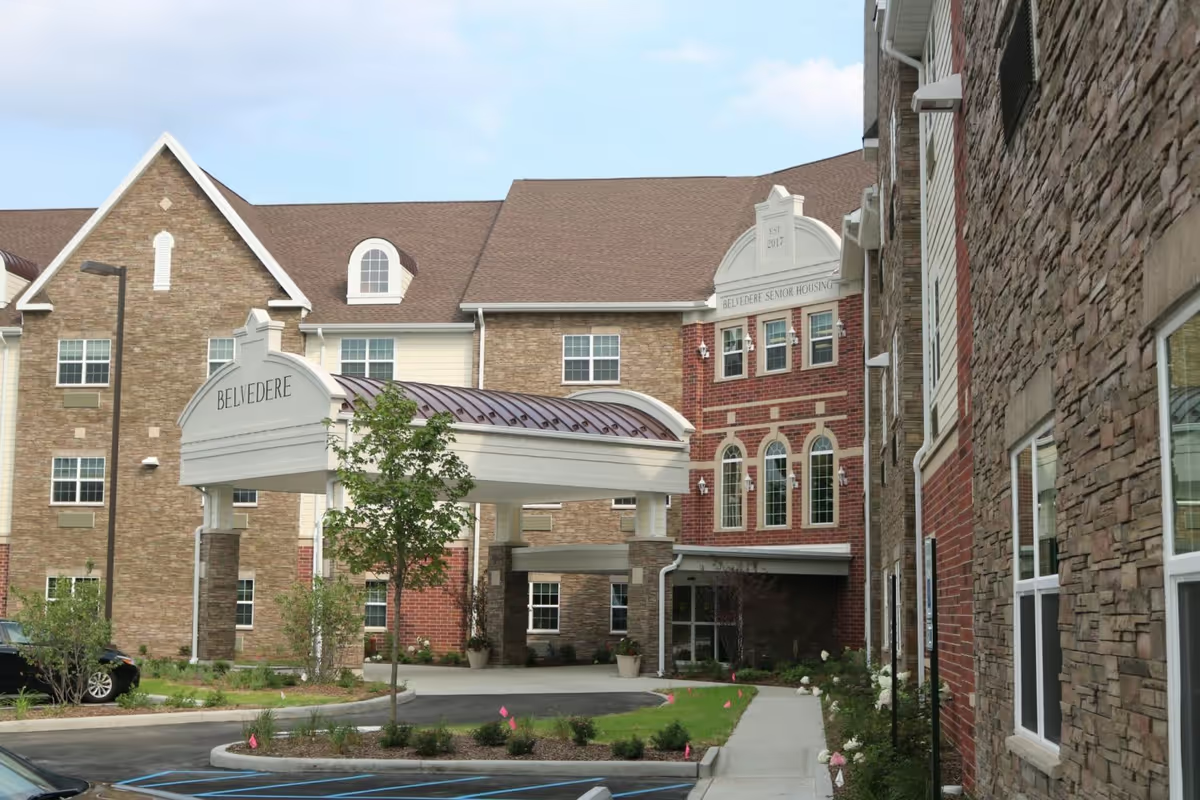
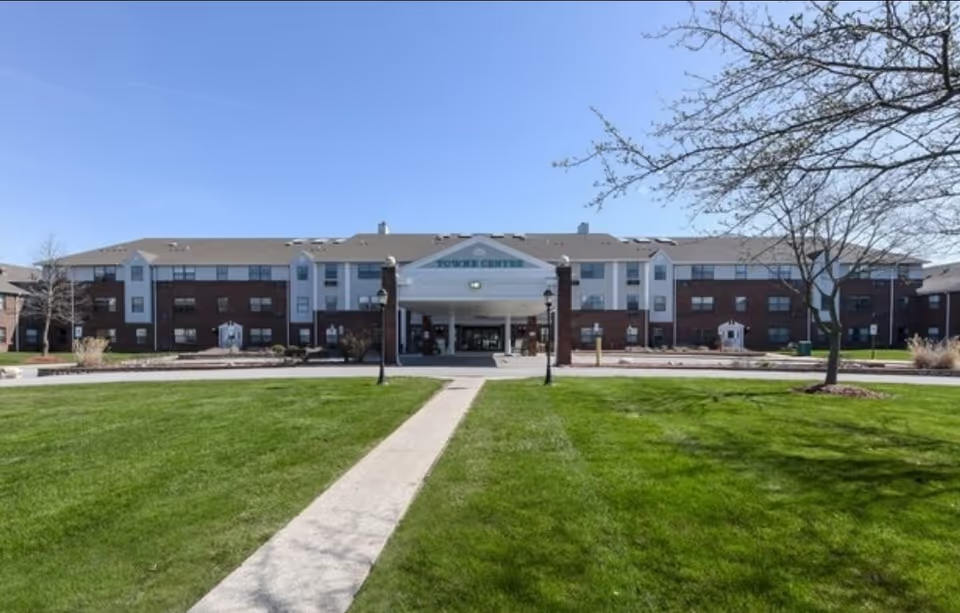
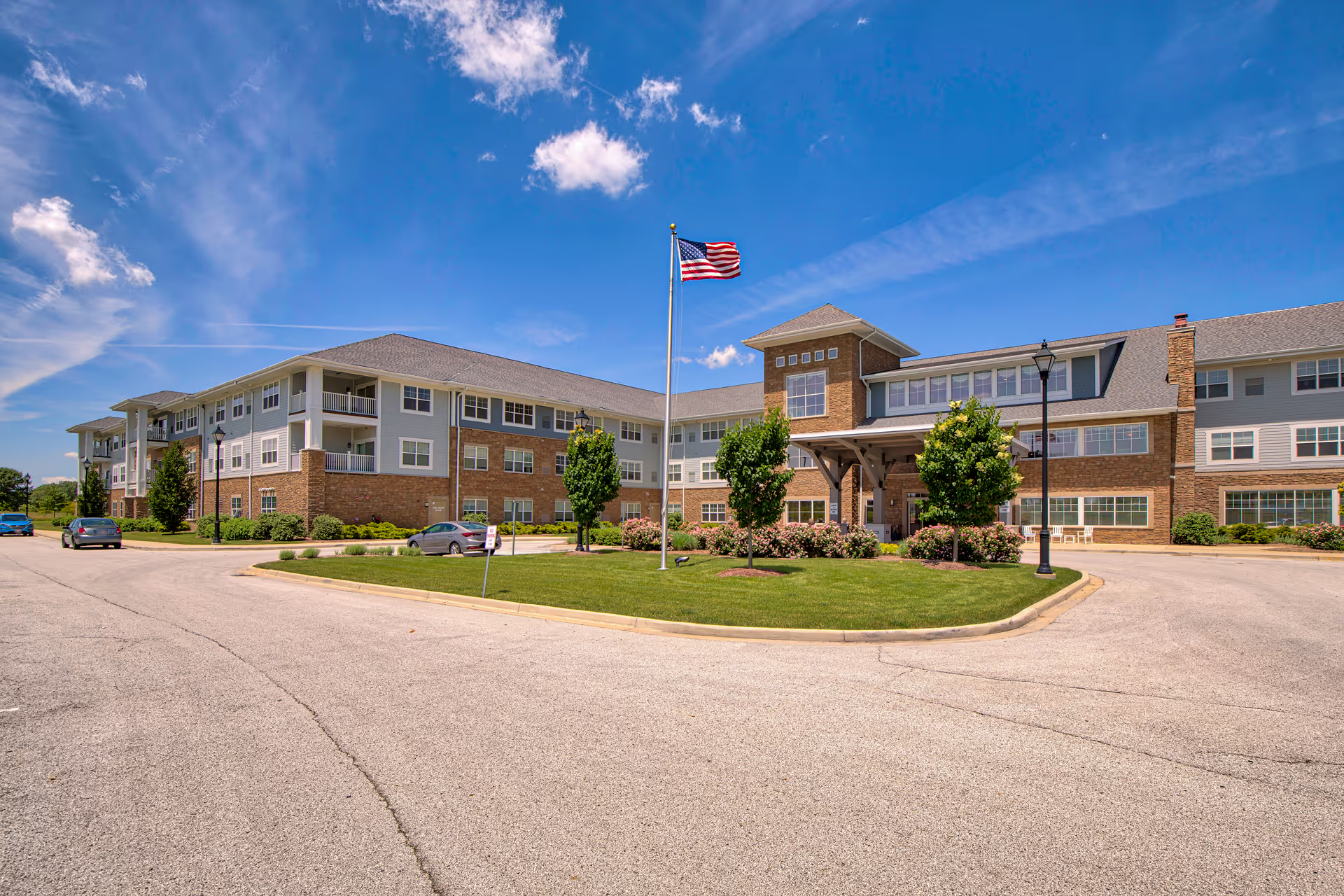
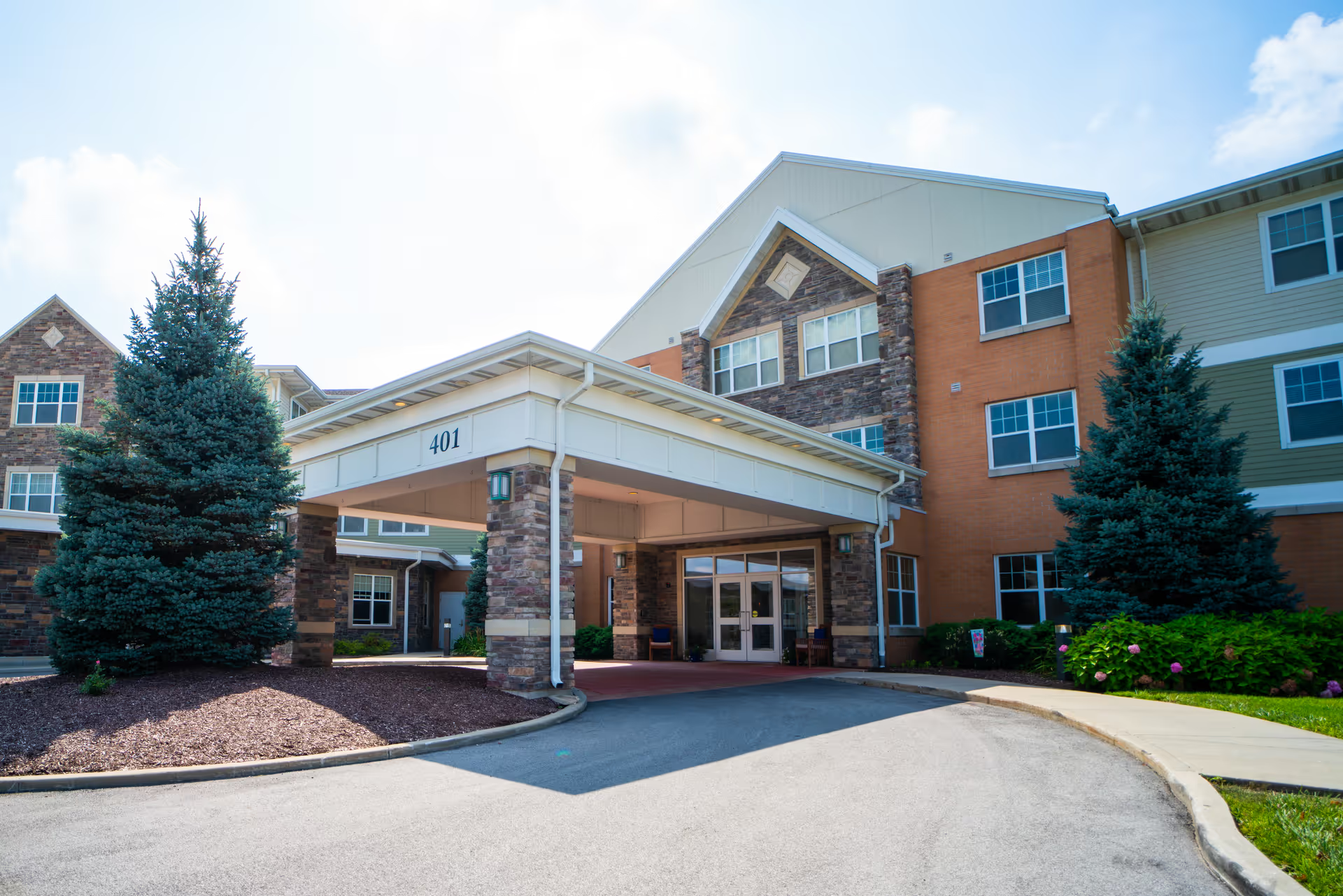
Dining and environment feedback is mixed. Some families report good meals and clean, welcoming common areas; others report late or unpalatable meals, long waits for basic needs, and sanitation concerns in specific areas. The physical plant also appears uneven: while parts of the building are described as bright and well-maintained, other descriptions point to an older facility with maintenance shortfalls and visible wear that may affect comfort and safety.
Management and leadership impressions are likewise mixed. Several reviewers singled out admissions and social-work staff for professional, helpful service and noted administrators who were engaged and responsive. Conversely, other accounts describe unresponsiveness from leadership when clinical or operational problems were raised. Activity and therapy programming is a relative strength in many reports, though engagement levels can vary by unit and by staff availability.
Overall, Colonial Nursing and Rehab demonstrates clear strengths in individualized caregiving, rehabilitation services, and family communication in many cases, but also shows inconsistent performance on fundamental operational controls such as staffing stability, timely assistance, medication management, sanitation consistency, and facility maintenance. Prospective residents and families should evaluate unit-level staffing patterns, observe responsiveness during visits, review recent inspection and incident records, and ask about wound-care, emergency escalation, and medication-safety protocols before making placement decisions.