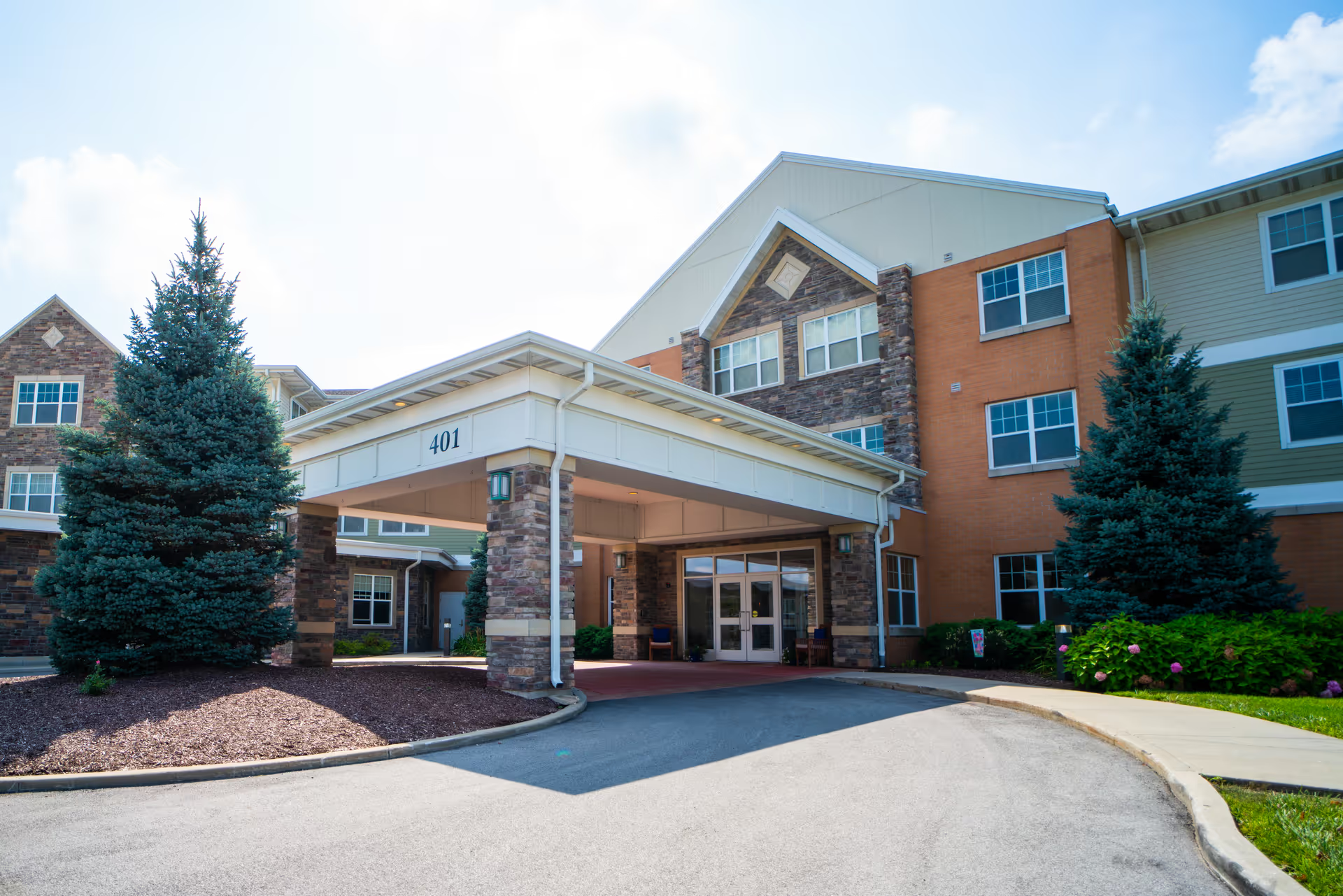
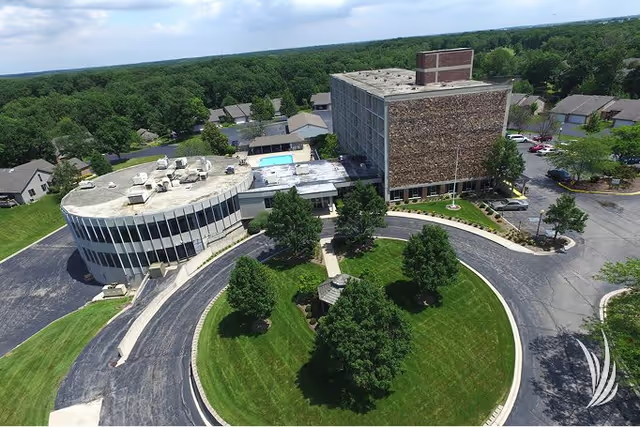
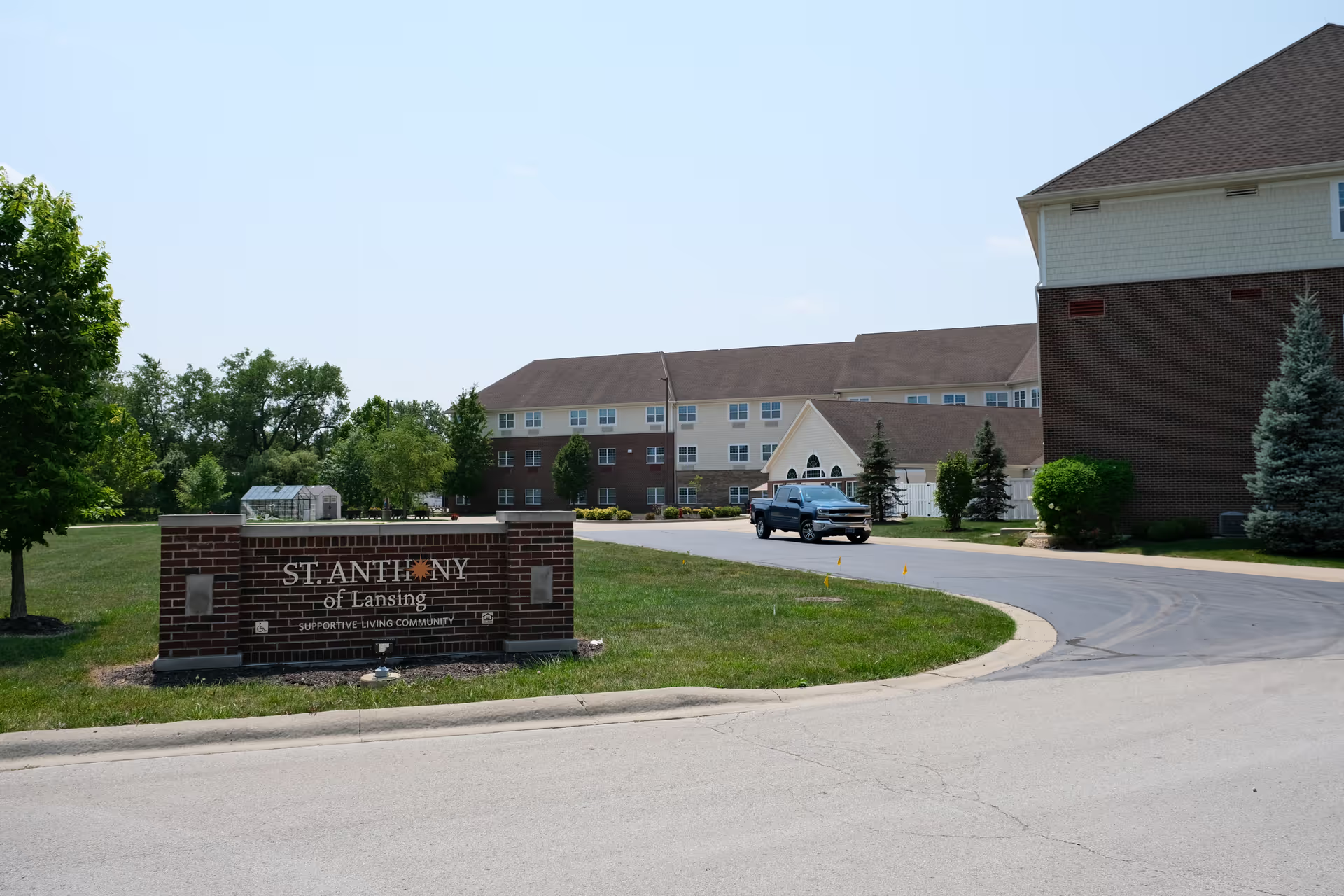
The reviews depict a facility with notable strengths alongside recurring operational weaknesses. Positively, families and residents frequently describe a caring front-line staff, effective therapy and rehabilitation services, and an active programming calendar led by a committed activities director. The facility offers spiritual programming (regular chapel services), a range of room configurations including apartment-style units, on-site services such as a salon, and a convenient location next to hospital and outpatient services. Many reviewers praised the welcoming, family-like atmosphere and felt the facility provided good value for cost in those areas.
Clinical care and staffing present a mixed picture. Numerous comments highlight competent nurses, CNAs, and therapists who supported residents through short-term rehab and long-term needs. At the same time, concerns recur about staffing levels, frequent use of agency personnel, and variability in caregiver responsiveness. Operational patterns noted include inconsistent medication-management practices and documentation, uneven adherence to bathing and incontinence-care schedules, missed or delayed therapies in some cases, and occasional delays in responding to call signals or pain-management requests. These are systemic issues that prospective families should investigate during a tour and care-plan review.
Dining and environmental services receive both praise and criticism. Several reviewers described tasty, varied meals and restaurant-style dining with menu choices; others reported inconsistent meal quality and execution, and a lack of clarity around some meal offerings. Housekeeping and room-level cleanliness were similarly mixed: while common areas are often described as clean and well-maintained, there are also mentions of insufficient housekeeping training, missed laundry or personal-item management, and sanitation or pest-control concerns in some rooms. These patterns point to variability in support services rather than uniform performance across the facility.
The facility’s activity and social programming are consistently identified as a strength. Reviewers list a wide range of events — seasonal celebrations, outings, social clubs, and inclusive activities — that many residents enjoy and that support social engagement. Spiritual life is also a clear asset for residents seeking those services, with frequent religious programming and an on-site chapel.
Facility characteristics and administration show trade-offs. The building is older in places; reviewers note dated areas and a sometimes confusing layout, but also describe roomy units, accessible bathrooms, and useful amenities. Management-level concerns appear repeatedly: lapses in supervisory oversight, inconsistent intra-staff communication, and administrative delays in admissions/discharge paperwork and records have affected transitions and, in some cases, benefits coordination. There are also occasional reports of missing belongings or laundry issues, which suggest gaps in property management procedures.
Overall, Saint Anthony, Majestic Care appears well suited for families prioritizing rehabilitation services, active programming, spiritual life, and a community-oriented atmosphere. At the same time, recurring operational patterns — staffing variability, medication- and hygiene-process inconsistencies, housekeeping and pest-control issues, and administrative communication gaps — are areas of concern that prospective residents and families should address directly with facility leadership. Recommended due diligence includes asking about current staffing ratios, agency-staff usage, medication-administration protocols, housekeeping training and pest-control measures, and the facility’s process for communicating care changes and incident follow-up.