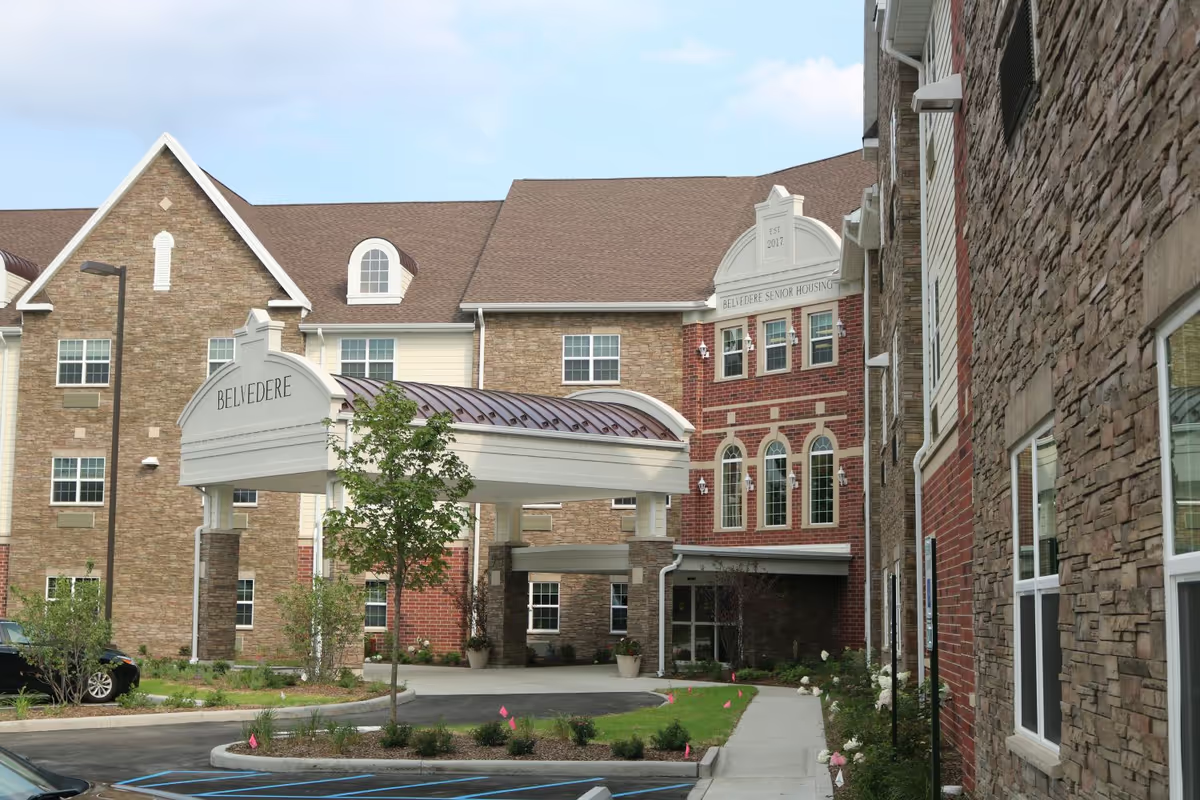
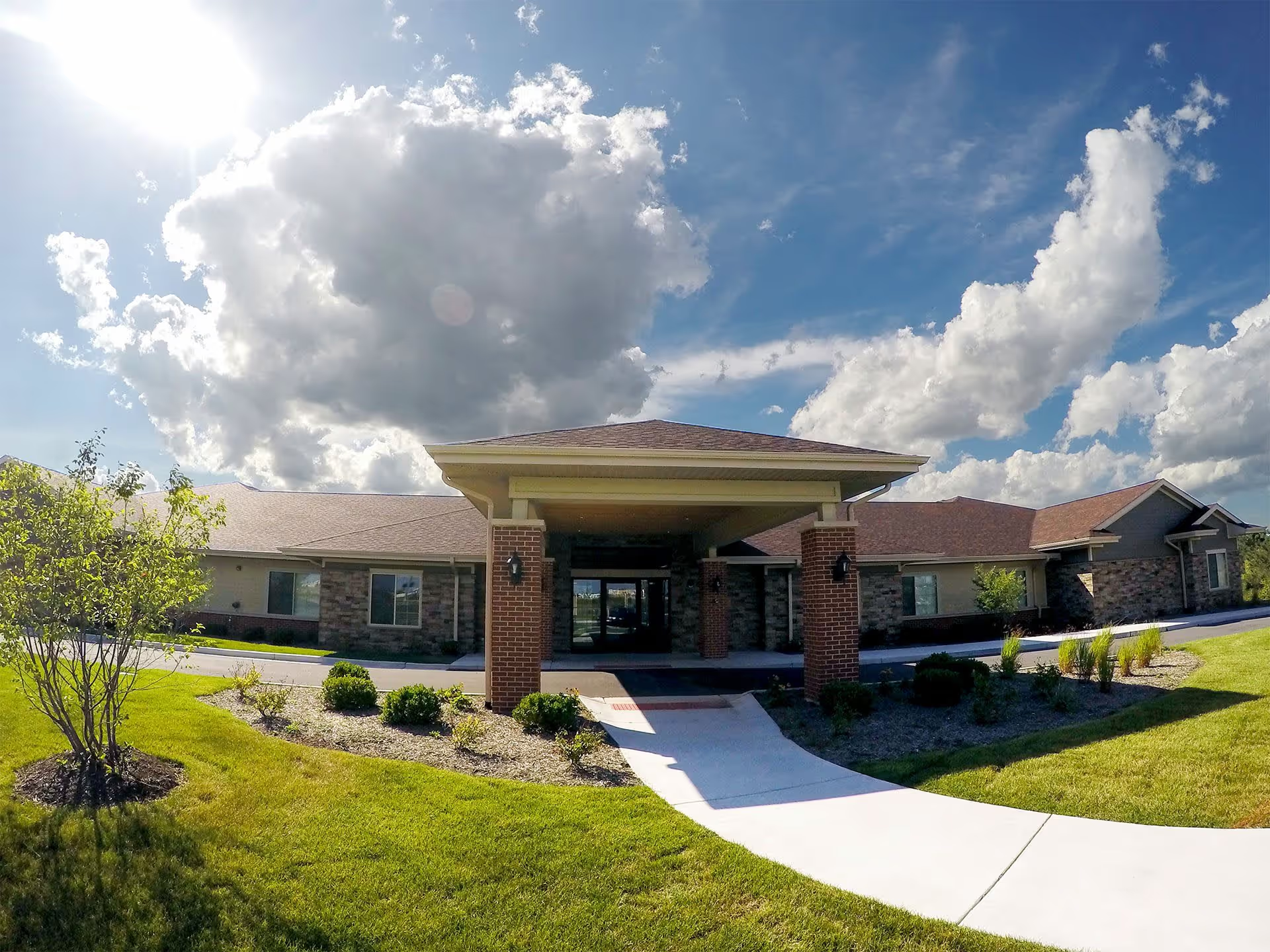
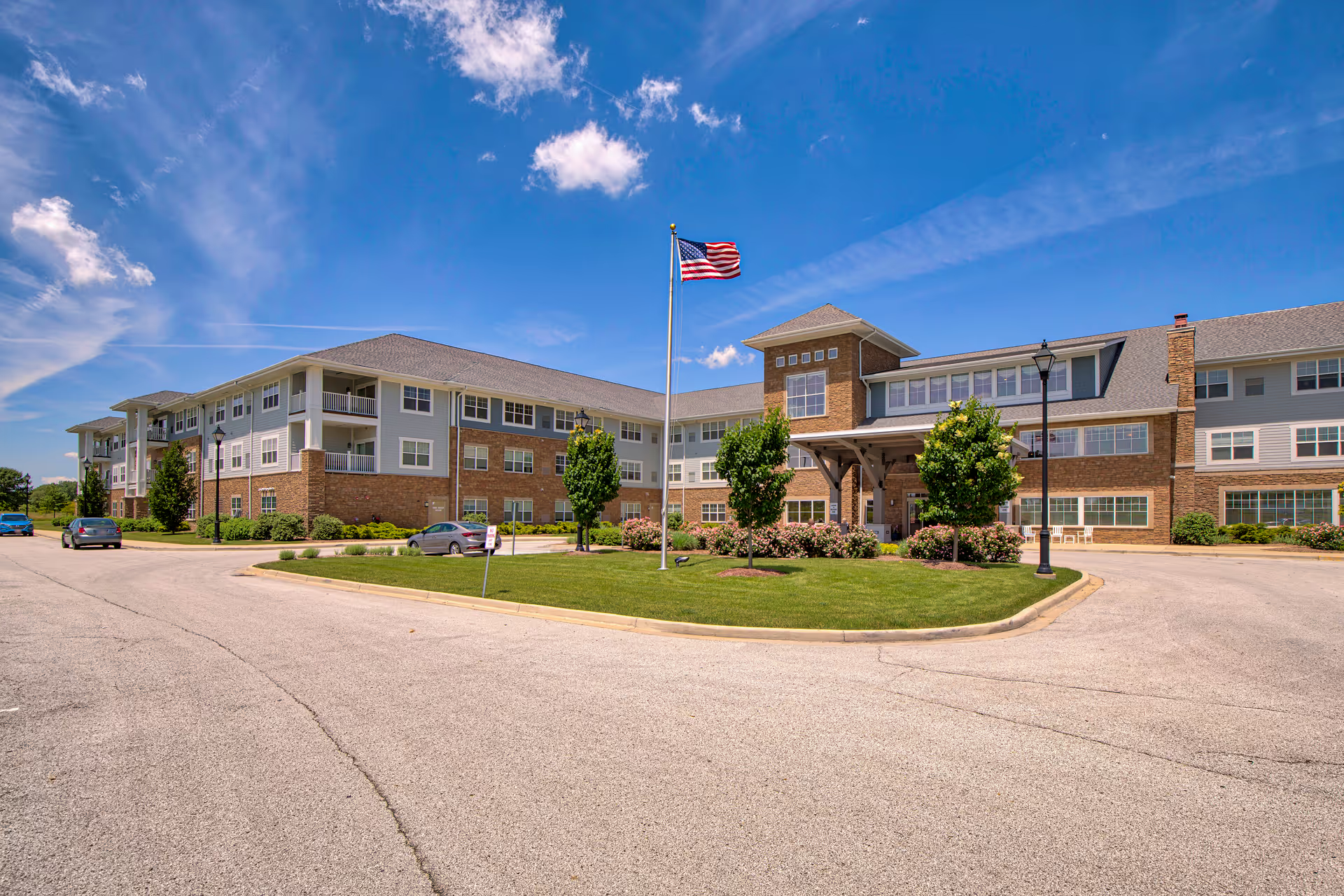
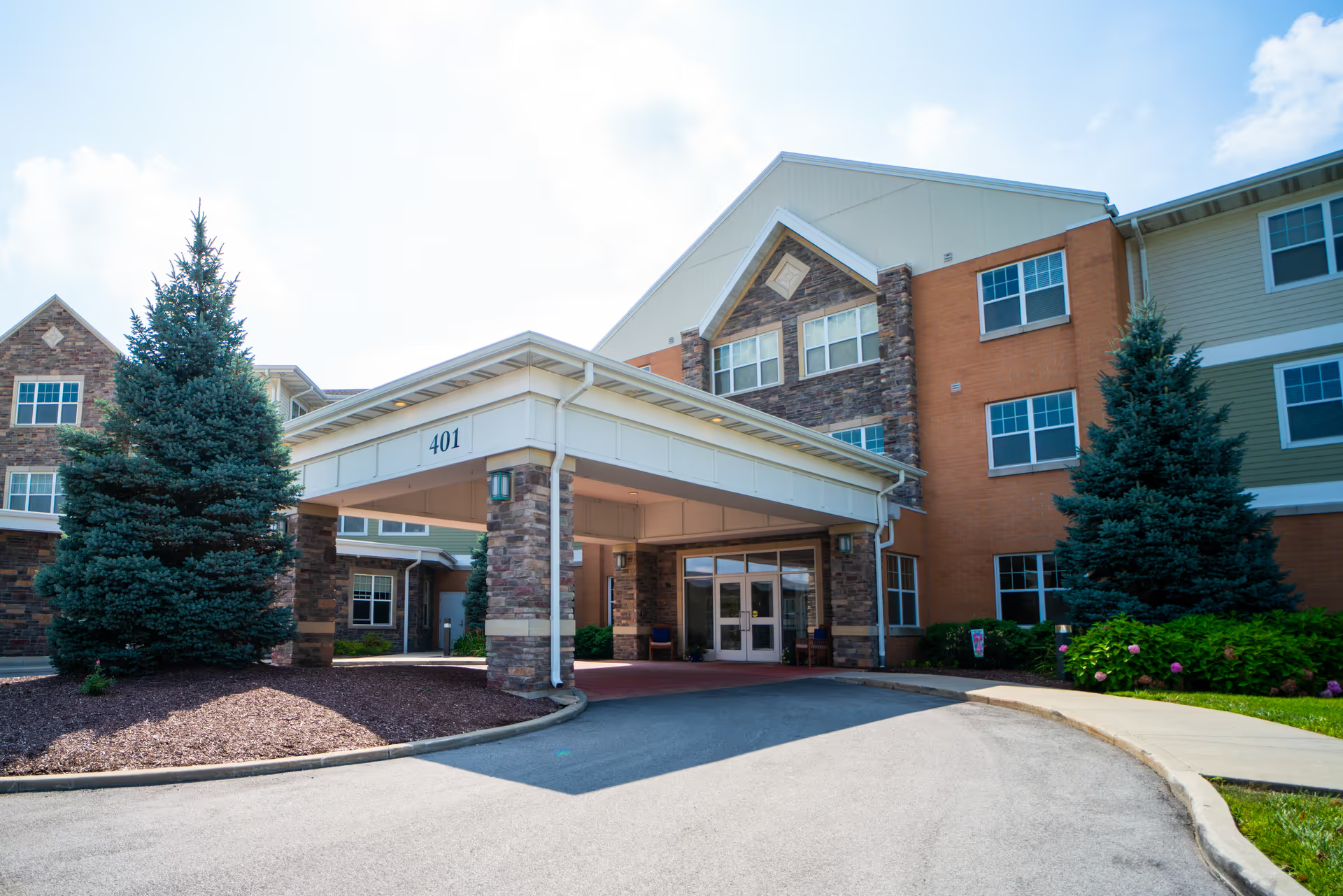
Review feedback for Symphony Crown Point is substantially mixed, with distinct strengths in clinical rehabilitation, dining, and facility upkeep alongside recurring operational weaknesses. The therapy department (physical, occupational, and speech) receives frequent praise for clinical skill and positive outcomes; reviewers singled out individual therapists and noted successful rehabilitation and discharge planning. Wound care, in-house dialysis support, and certain nursing/CNA teams are also highlighted as strong contributors to residents’ clinical progress. The facility’s physical environment — new construction, bright common areas, and amenities such as a coffee bar and restaurant-style dining — is regularly described as attractive and well maintained.
Dining is a clear strength for many residents: reviewers reference a chef-driven menu, appealing meals in the dining room, and options for ordering from a varied menu. Housekeeping and laundry leadership are commended in multiple accounts for cleanliness and responsiveness, contributing to an overall impression of a well-kept facility in many units.
Counterbalancing these positives are consistent operational concerns. Staffing variability and frequent use of agency personnel are linked to delays in responding to call lights and assistance requests, missed or late medication doses, and inconsistent adherence to individualized care plans (for example, dietary restrictions and bathing schedules). Several accounts describe inconsistent meal delivery and room-service quality, including cold trays and portion errors, which appear tied to staffing and coordination issues. Scheduling and transport coordination also emerge as recurring pain points, affecting therapy appointment times, doctor visits, and discharges.
Communication and management practices are another pattern. Families frequently describe poor communication between clinical and administrative teams, incomplete documentation or lack of timely reports, and an inconsistent tone from administration and some social-work staff. These communication gaps compound clinical concerns when escalation is needed; reviewers cite instances where clinical deterioration required hospital transfer and raise concerns about clinical oversight and escalation processes. There are also isolated but serious accounts that involve visitor restrictions, disputed handling of end-of-life care, and concerns following a resident's death; these accounts underscore the importance of clear family communication and transparent protocols.
Taken together, the pattern suggests that resident experience at Symphony Crown Point can vary considerably depending on unit, shift, and staff assignment. Prospective residents and families should weigh the facility’s strong rehabilitation services, dining, and physical environment against the reported variability in day-to-day nursing responsiveness, medication timing, and administrative communication. Practical steps for families considering this facility include verifying medication and care-plan documentation on admission, identifying key clinical contacts, scheduling regular check-ins during the stay, and confirming therapy and transport schedules in writing. These measures can help mitigate operational inconsistencies while taking advantage of the facility’s clinical and amenity strengths.