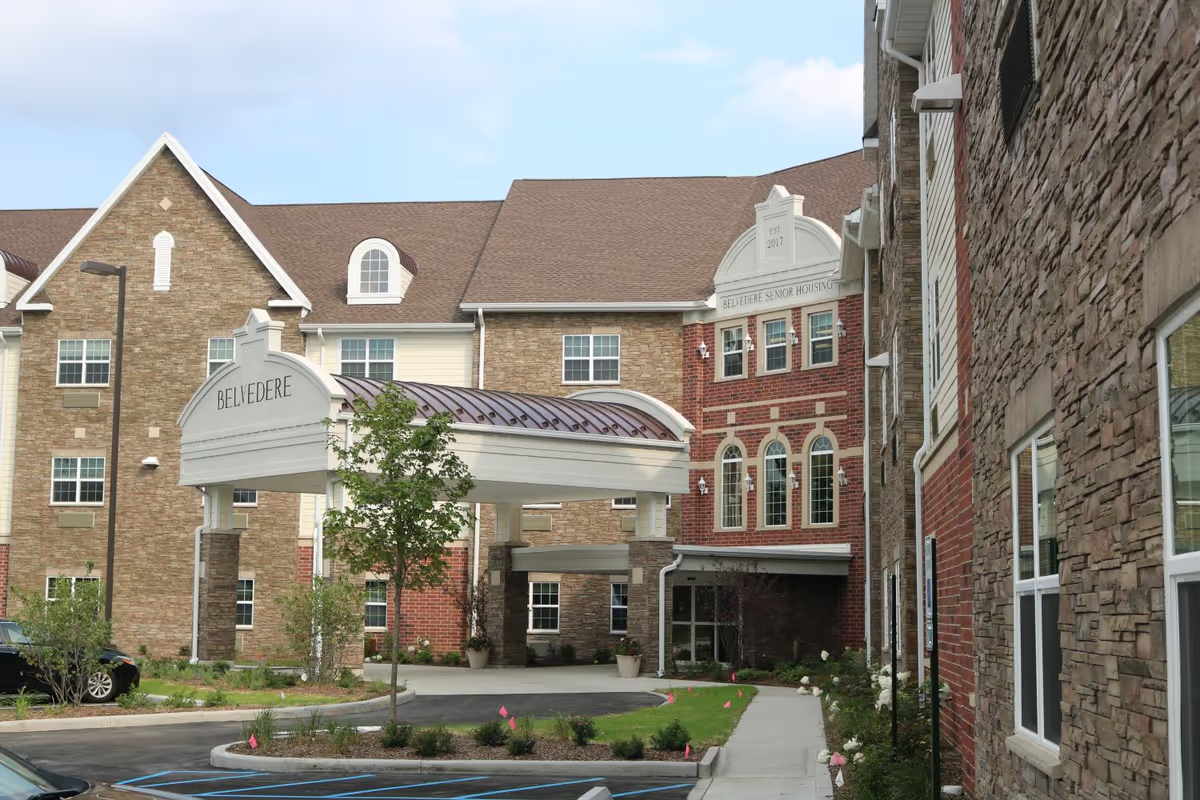
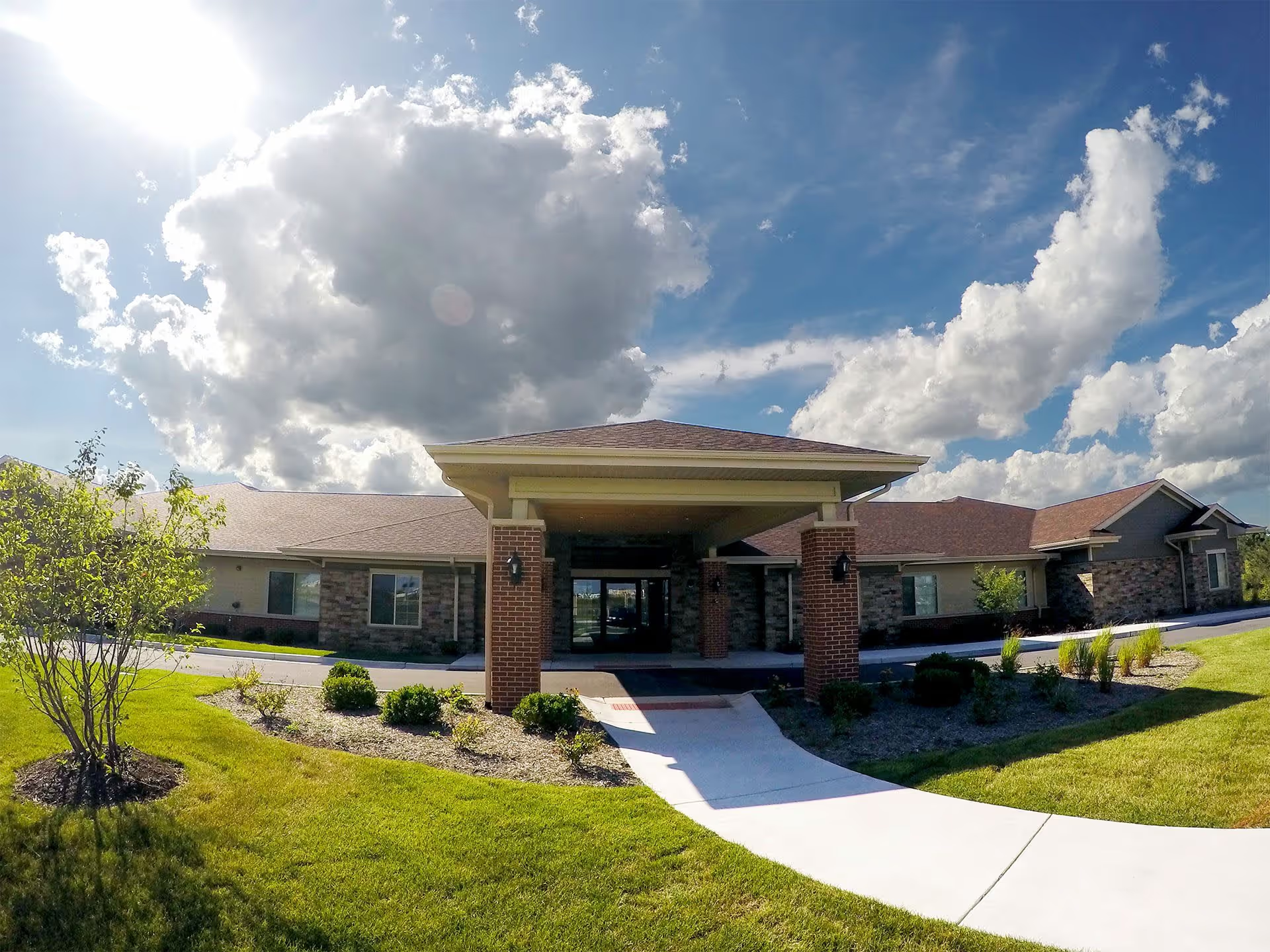
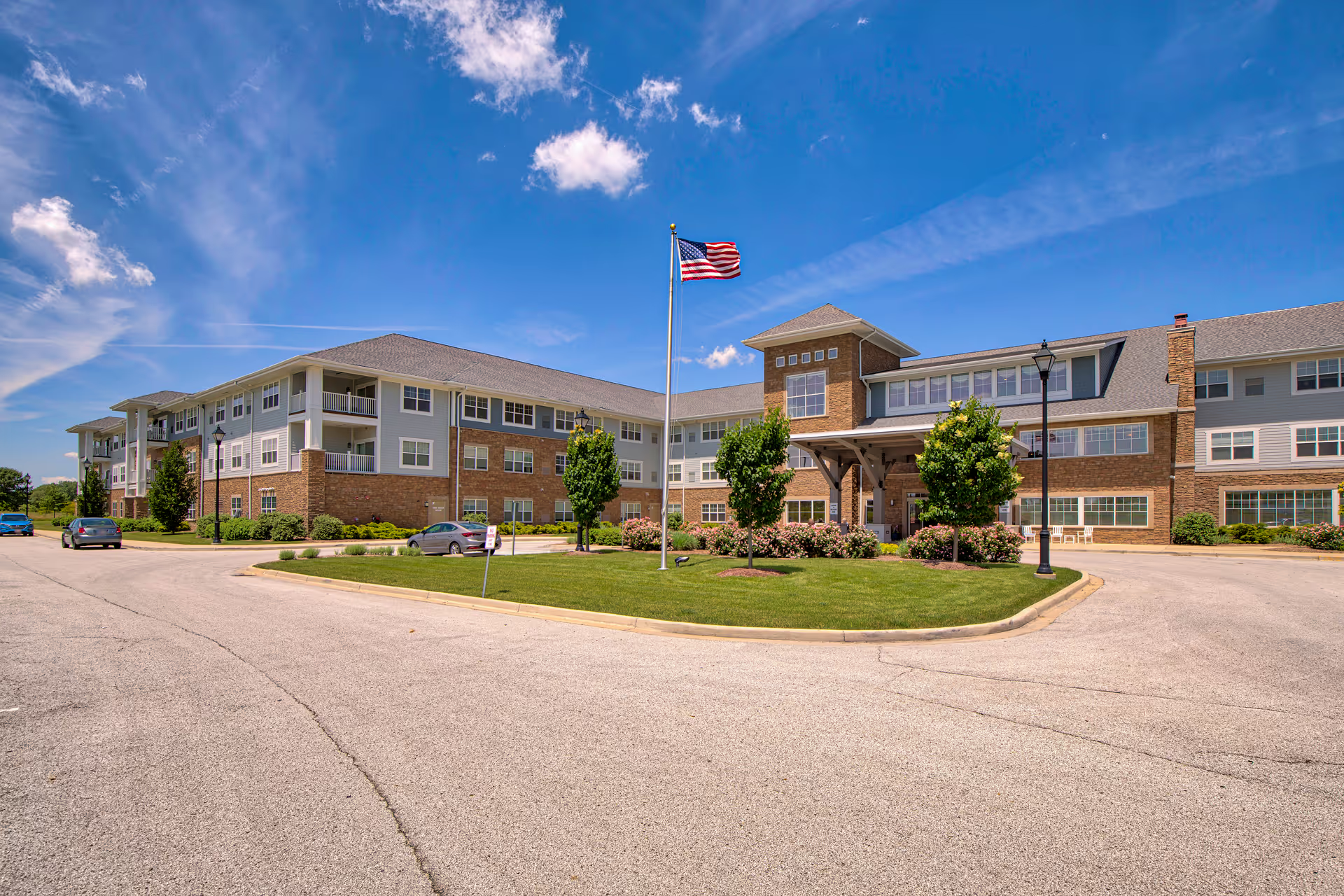
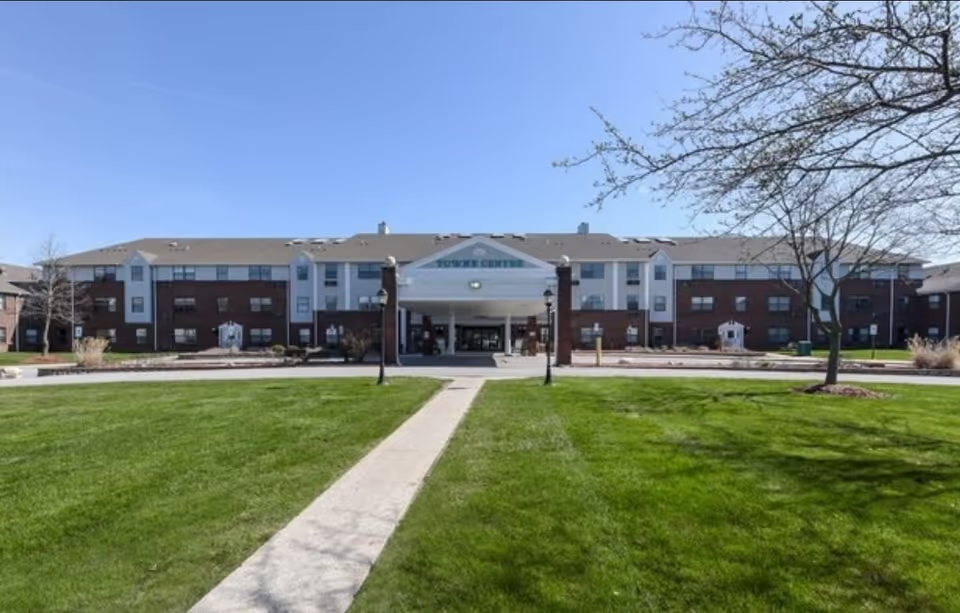
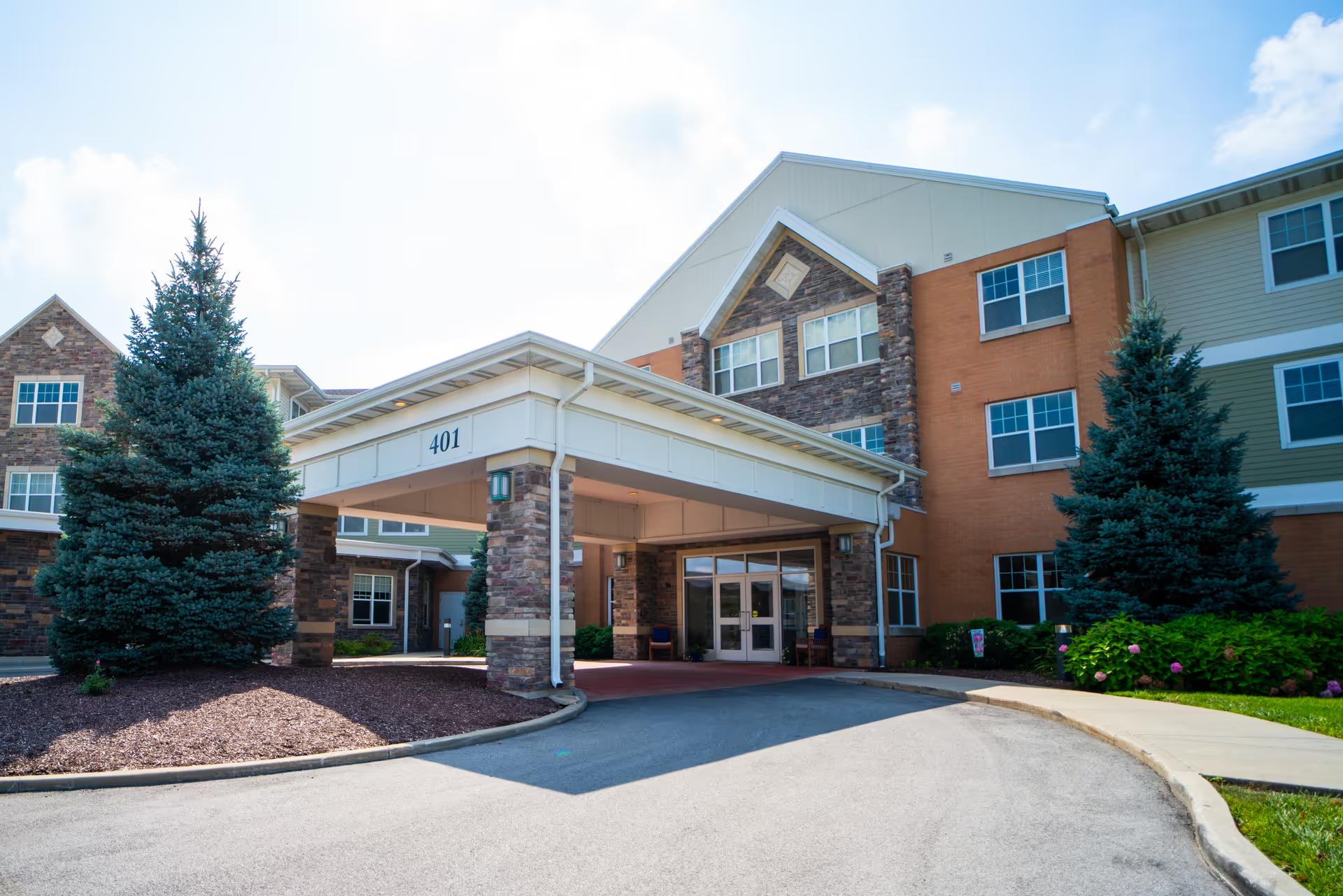
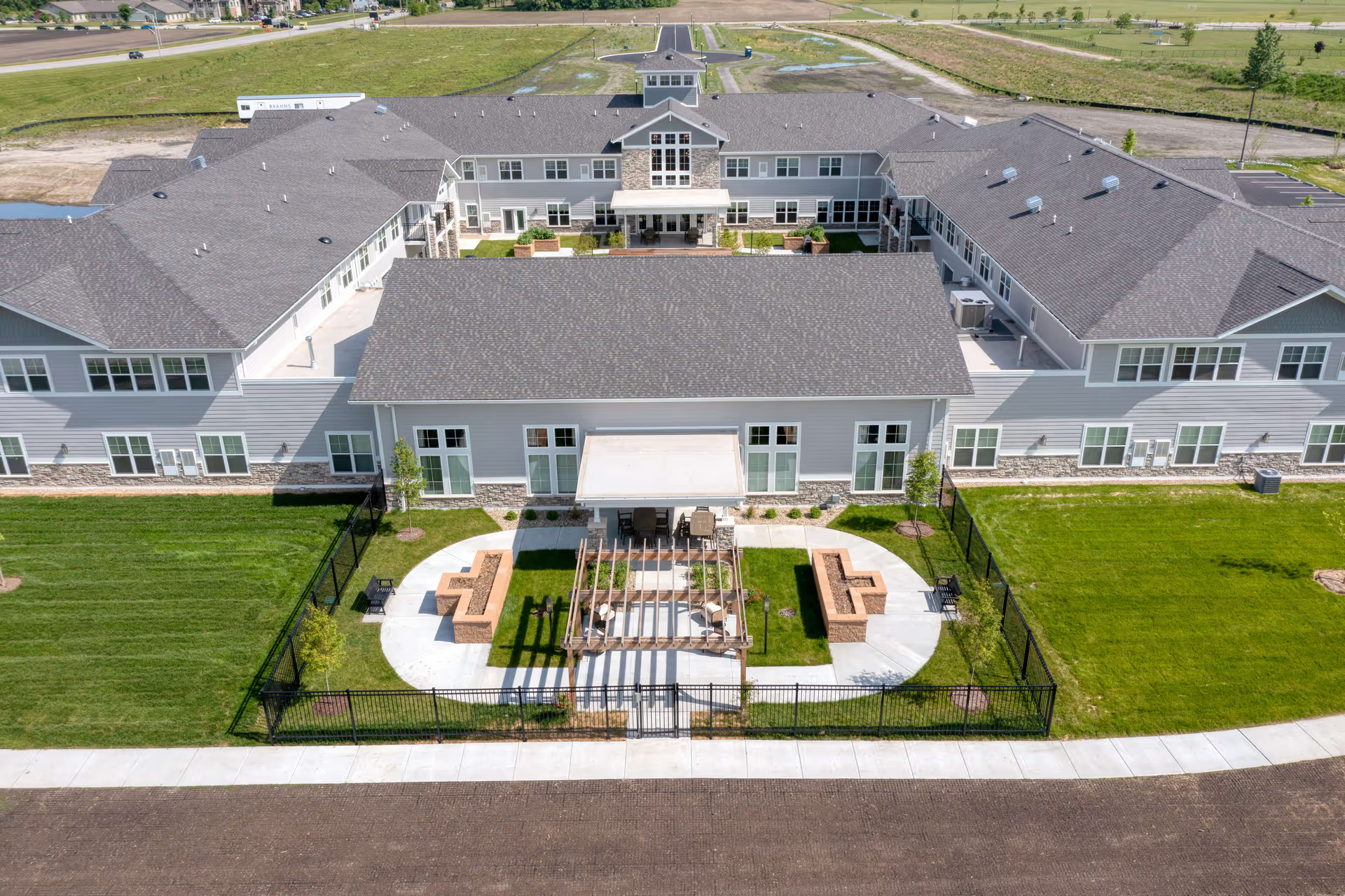
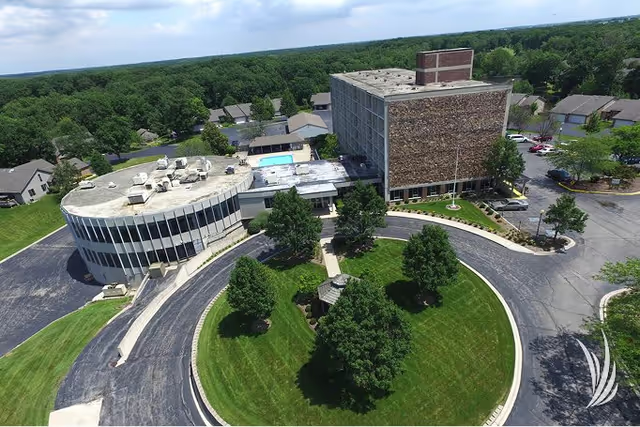
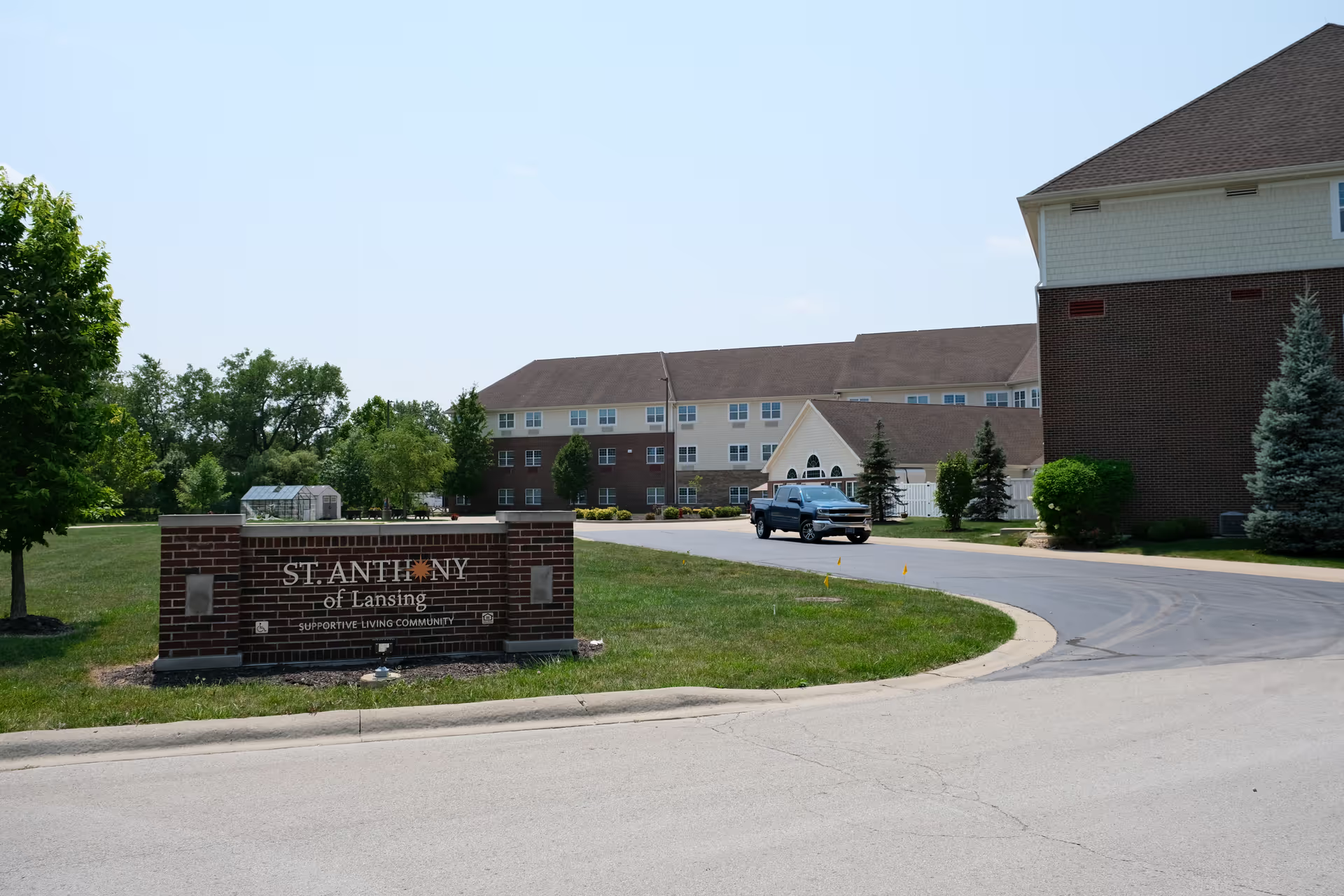
Wittenberg Village: Lutheran Life Communities receives extensive praise for its campus, hospitality, and community orientation. Reviewers consistently describe a clean, well-maintained facility with attractive grounds, updated independent-living units, restaurant-style dining areas, and a full complement of on-campus amenities (fitness center, therapy services, convenience store, salon, chapel). Many families and residents highlight a family-like atmosphere created by friendly, attentive staff and a chaplain-led spiritual program that supports an inclusive faith community.
Care and staff: Staffing and frontline care are frequently cited as strengths. CNAs, dining personnel, housekeepers, maintenance staff, and activity coordinators are commonly described as compassionate, helpful, and engaged with residents. On-site therapy and rehabilitation services and an onsite nursing facility are viewed positively for enabling smoother care transitions. However, there is also a recurring pattern of variability in clinical oversight within assisted-living levels: some families report delays in attending to personal-care needs, inconsistent bathing schedules, medication-management limitations (including constrained pain-control options), and instances where clinical decision-making or diagnostic follow-up was questioned. Prospective residents should inquire about nurse staffing ratios, medication protocols, and incident-response procedures to understand consistency of clinical oversight across levels of care.
Dining and activities: Dining is overall a positive feature—many reviewers praise flavorful meals, multiple entrée choices, accommodating dietary requests, and an elegant dining environment. A subset of reviewers expressed a desire for greater menu variety or had negative dining experiences; this suggests some variability in meal quality or expectations. Activities are broad and well-promoted (cards, bridge, fitness classes, movie nights, outings, fundraising and social events), and are an important part of the community’s social life. Activity participation can vary by unit and resident cohort, so engagement levels may differ depending on roommate matches and resident interests.
Facilities and daily living: The campus is repeatedly described as clean, secure, and thoughtfully landscaped, with opportunities for personalization of rooms. Independent-living units and new construction receive particularly strong positive notes; some assisted-living areas were described as older and in need of updates. Practical conveniences—transportation, maintenance-free living, pet policies, and on-site services—rank highly for residents who value ease of living and aging-in-place continuity.
Management and financial matters: A prominent and consistent concern centers on the buy-in/entrance-fee model and contract terms. Reviews describe large entrance fees, a substantial portion of those fees withheld until units are re-occupied, and lengthy refund timelines. These issues have generated distrust and calls for clearer contract language; some families recommended legal review prior to signing. Additional management-related themes include perceived opacity in leadership communication, occasional delays in unit refurbishment or turnover, and questions about governance or occupancy arrangements that may influence resident expectations. These financial and contractual patterns are material considerations for prospective residents and families and warrant careful, documented discussion with administration.
Notable patterns and advice for prospective residents: Overall sentiment balances strong praise for staff culture, campus amenities, and social life with recurring, operationally significant concerns about contractual transparency and uneven clinical consistency in assisted-living levels. Before committing, visitors should (1) review the buy-in/entrance-fee contract carefully with an elder-law advisor to confirm refund mechanics and timelines, (2) ask for current staffing levels and clinical oversight policies for the specific care level being considered, (3) sample meals and attend activities to gauge engagement, (4) clarify roommate and privacy arrangements, and (5) request written turnaround timelines for unit refurbishment and refund processing. These focused checks will help families align expectations with the facility’s strongest attributes and identify any operational trade-offs.