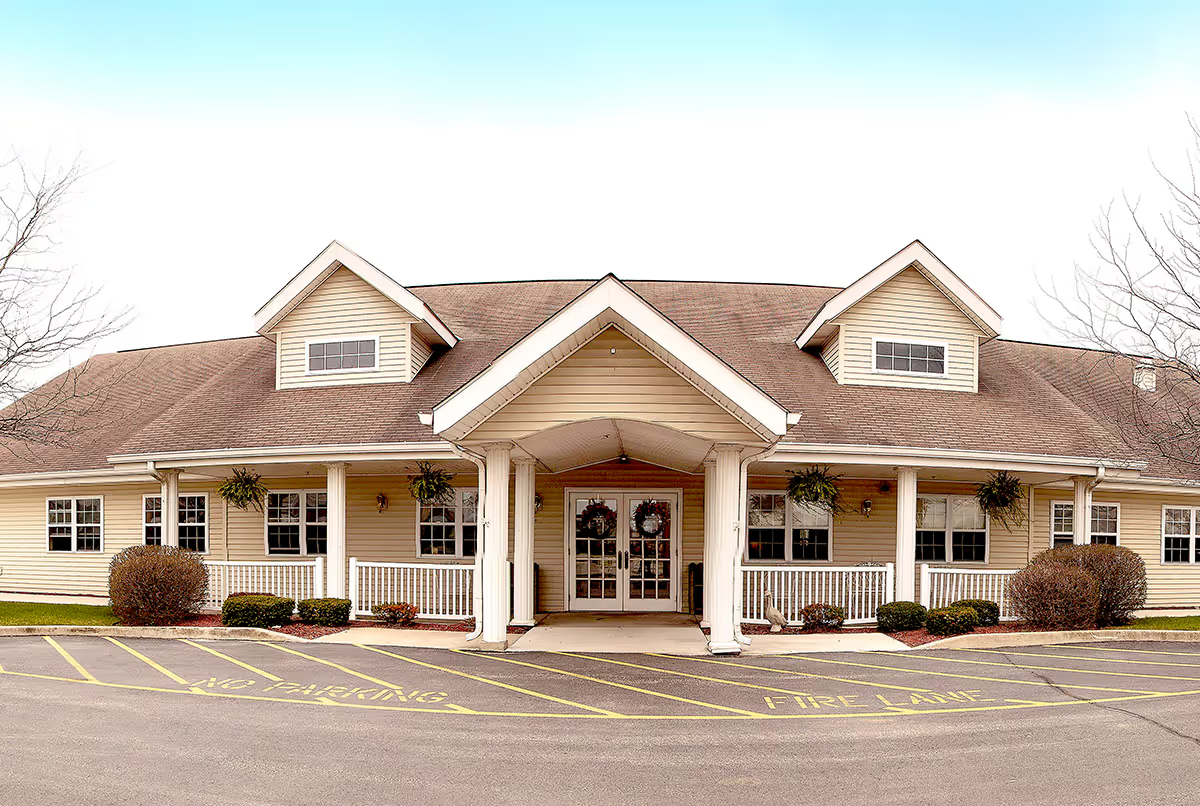
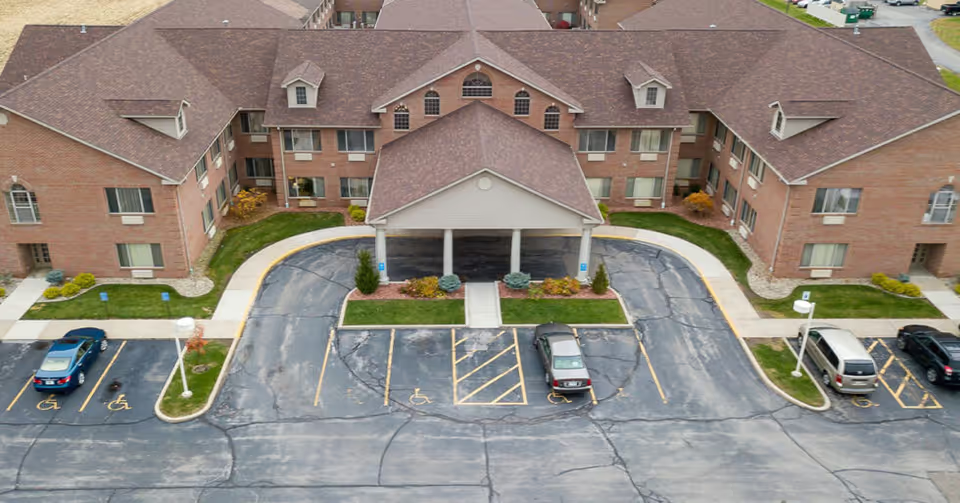
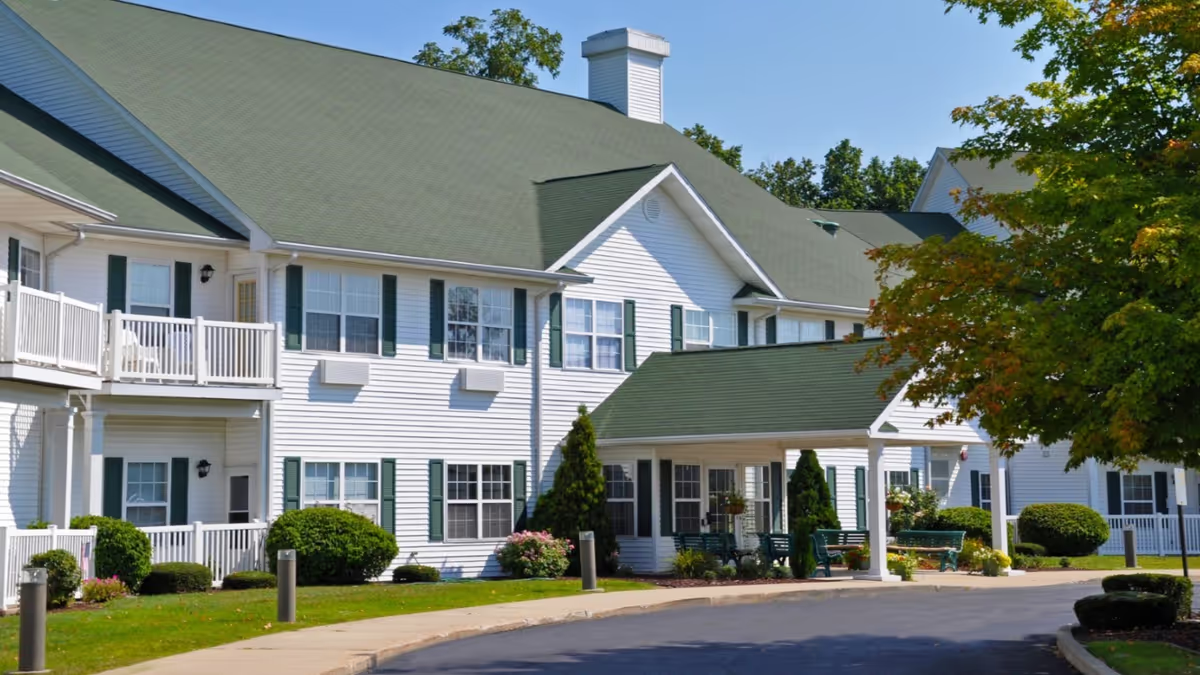
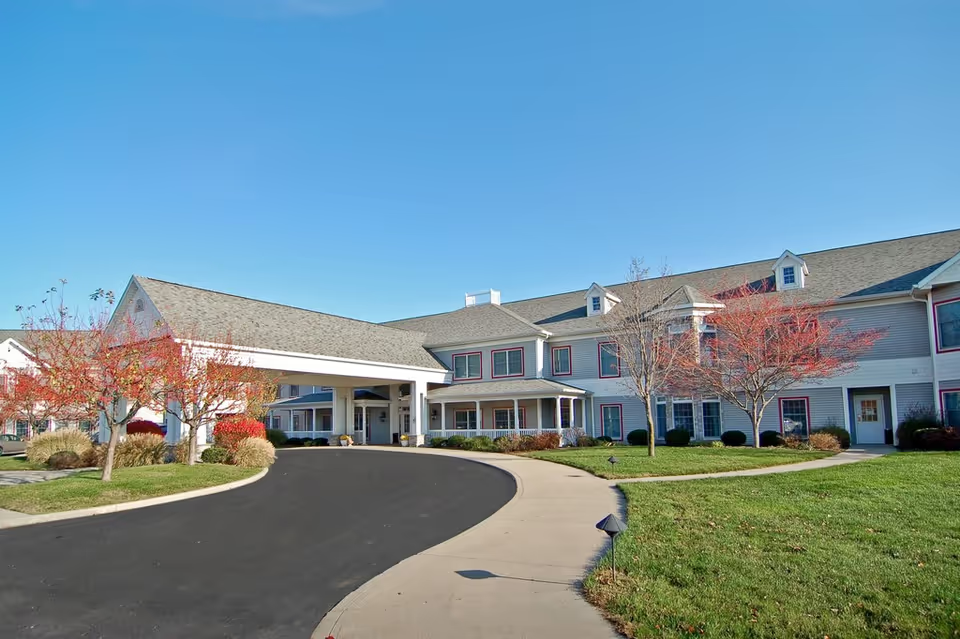
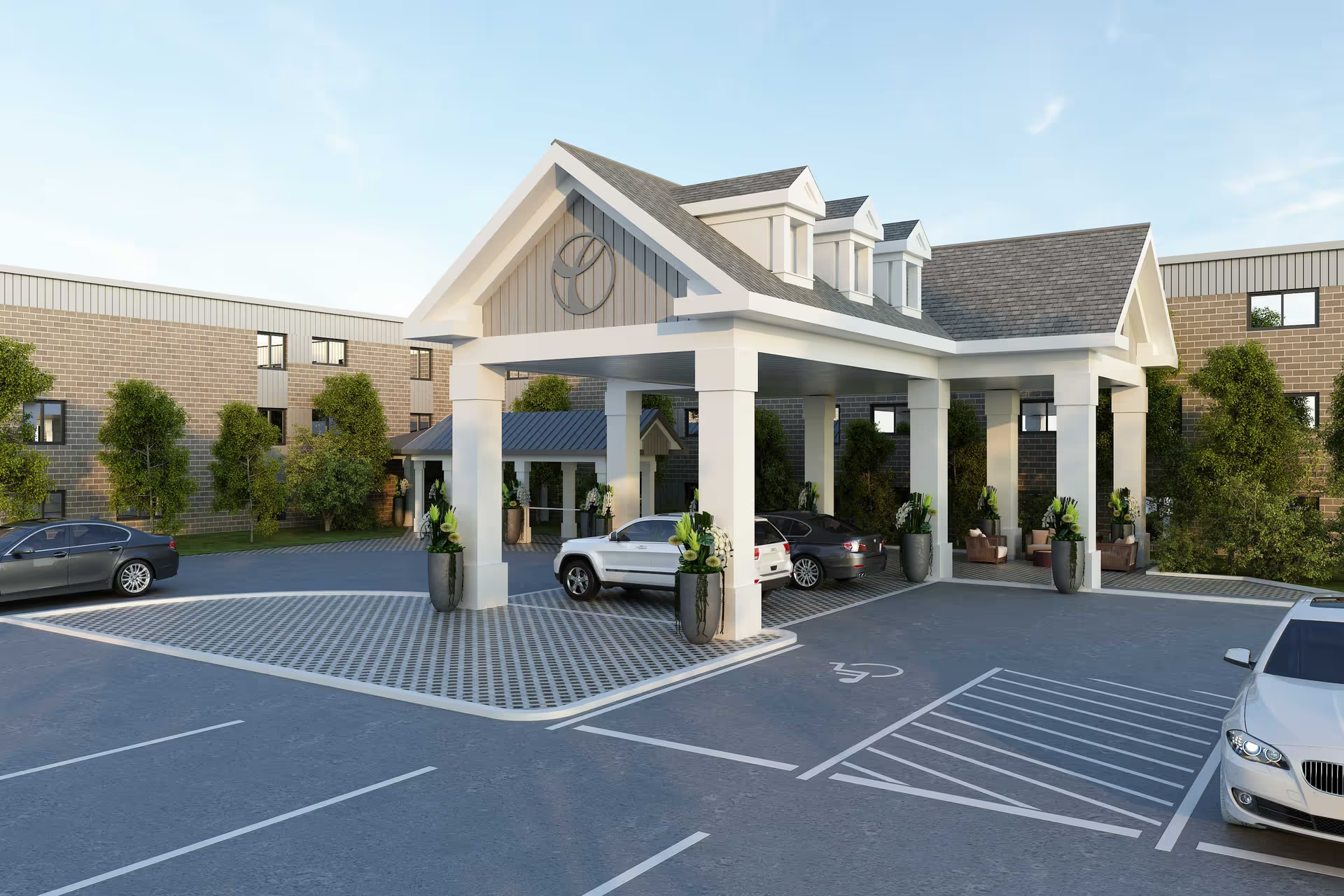
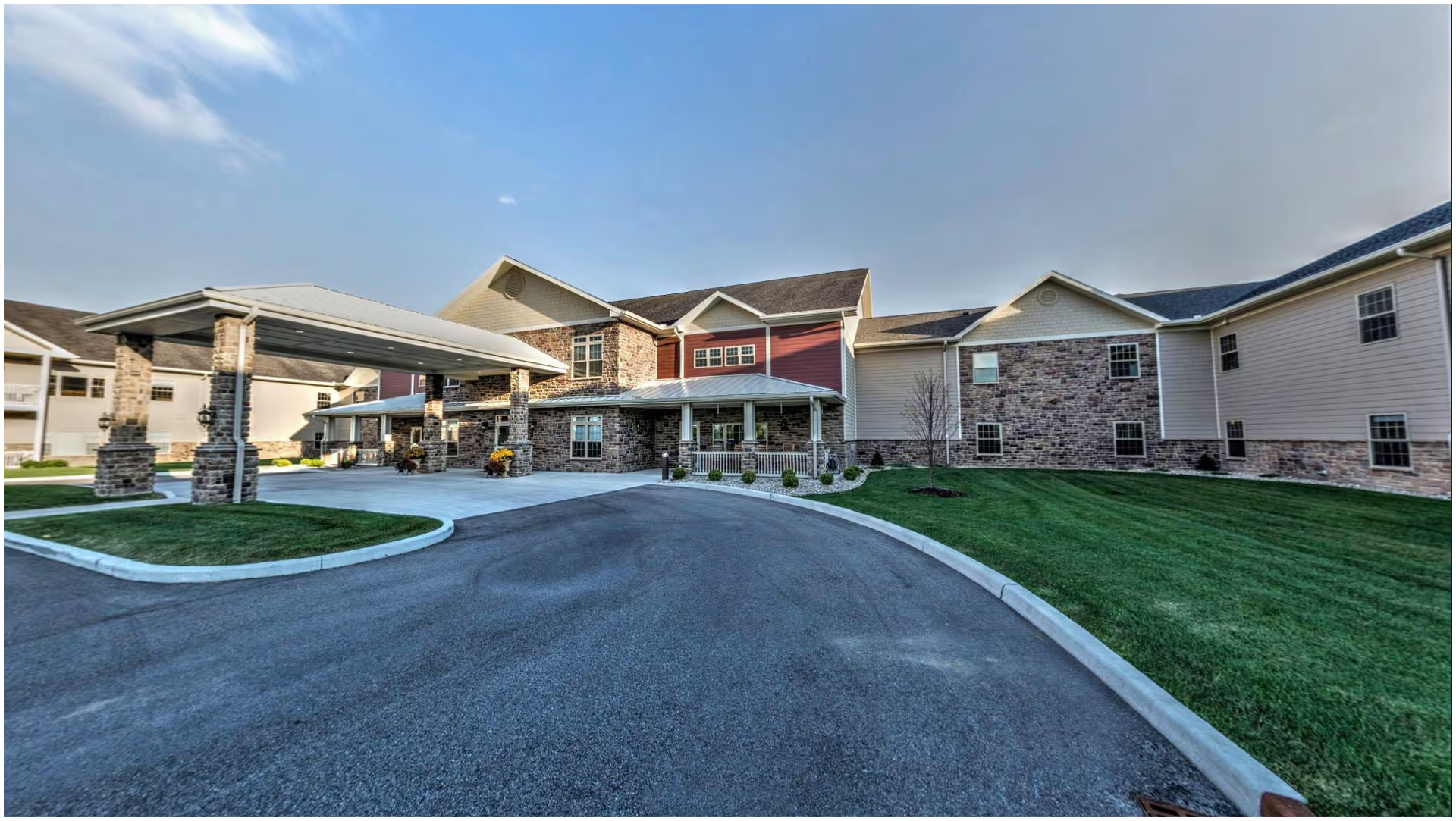
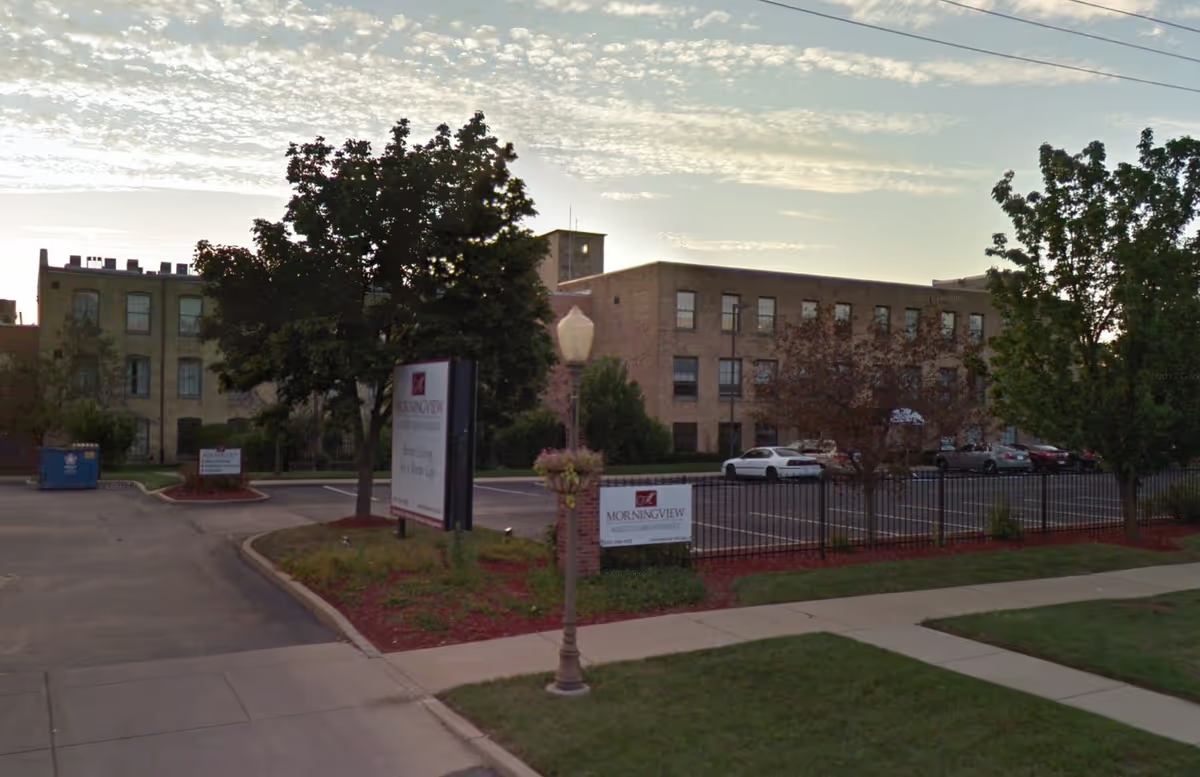
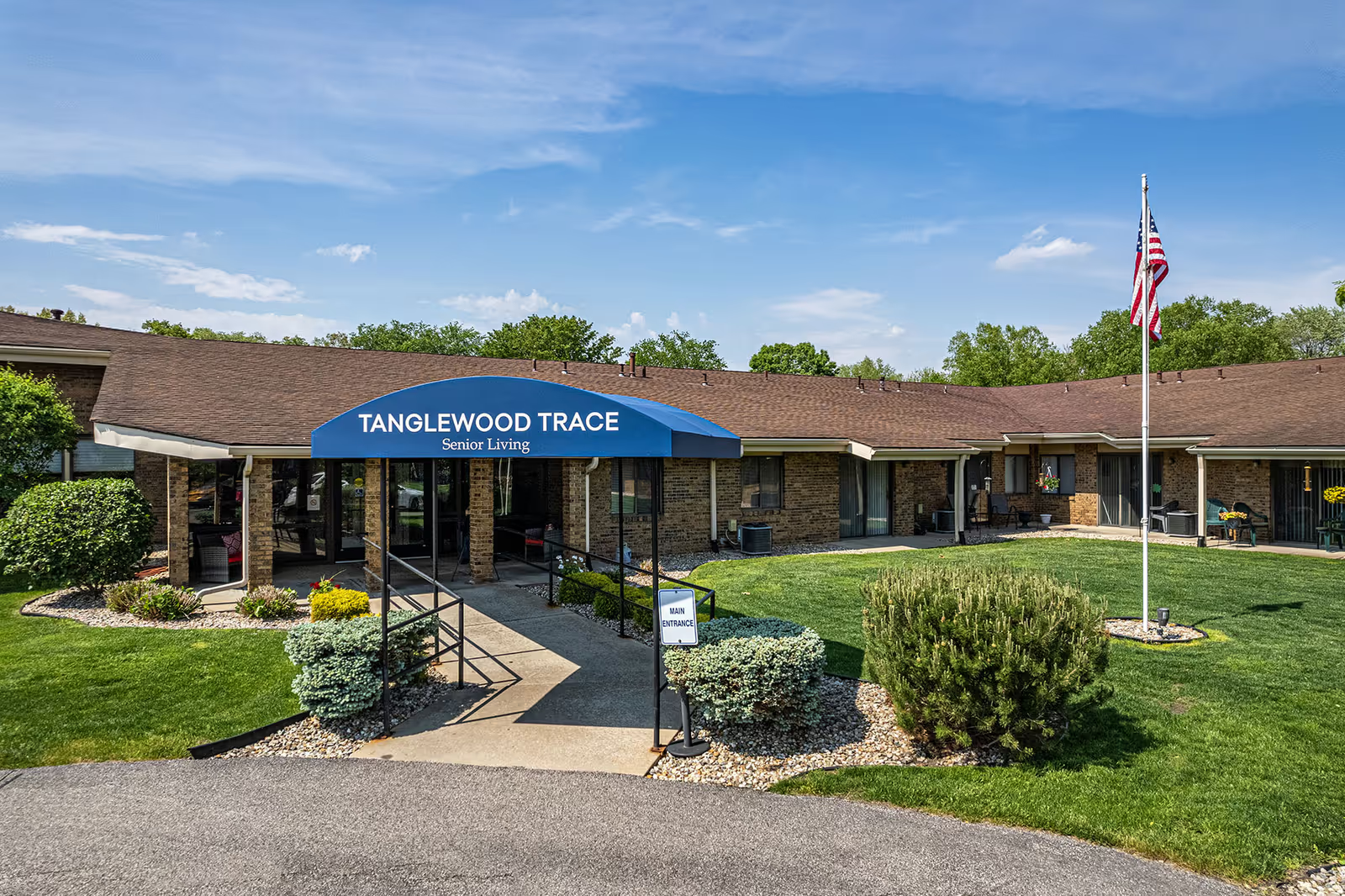
The reviews describe a facility with several clear strengths alongside recurring operational concerns. Positively, families and visitors frequently praised the campus appearance, activities, and dining: the grounds are described as attractive, the activity schedule as plentiful, and meals as above average. Many accounts emphasize a warm, family-like culture and consistently compassionate staff behavior, with specific mention of capable nurses and aides, assistance with bathing and dressing, and staff who accompany or escort residents when needed. Cleanliness of the interior and a pleasant environment are also noted as strengths.
Care quality impressions are mixed. Numerous comments highlight attentive, compassionate caregiving and competent clinical staff who provide individualized assistance. Conversely, other comments describe delays or lapses in care linked to staffing shortfalls; these suggest variability in day-to-day responsiveness and overall care consistency. There are also isolated but strong negative impressions described as poor care; collectively these indicate uneven performance rather than uniformly poor or uniformly excellent clinical care.
Operational and management concerns appear as a second theme. Reviewers identified gaps in communication with administration, including unclear discharge processes and transition coordination. Specific issues mentioned include abrupt discharge practices, lack of home-visit planning at discharge, and difficulty obtaining timely follow-up from therapy providers — matters that can complicate transitions back to home. Financial transparency and billing practices were flagged as problematic in at least one account, creating concern about private-pay fees and how they are applied.
Facility services and accessibility show mixed signals. While communal spaces and grounds are seen as attractive and the facility is generally described as clean, there are recurring notes about laundry-service problems and limitations related to bathing and bed-transfer accessibility. Dementia-care support also appears inconsistent: some families found staff prompting and supervision effective, while others observed gaps in prompting or specialized dementia-focused attention.
For prospective residents and families, the pattern suggests strong interpersonal strengths (compassionate staff, pleasant environment, active programming, and good dining) counterbalanced by operational weaknesses that may affect continuity of care and transitions. Recommended due diligence: ask about current staffing ratios and shift coverage, review the facility’s discharge and transition protocols (including home-visit policies), clarify private-pay fee structure and billing practices, inquire how therapy orders and follow-up calls are handled, and inspect bathing/transfer equipment and laundry procedures. These targeted questions can help determine whether the facility’s operational practices align with a family’s expectations and clinical needs.