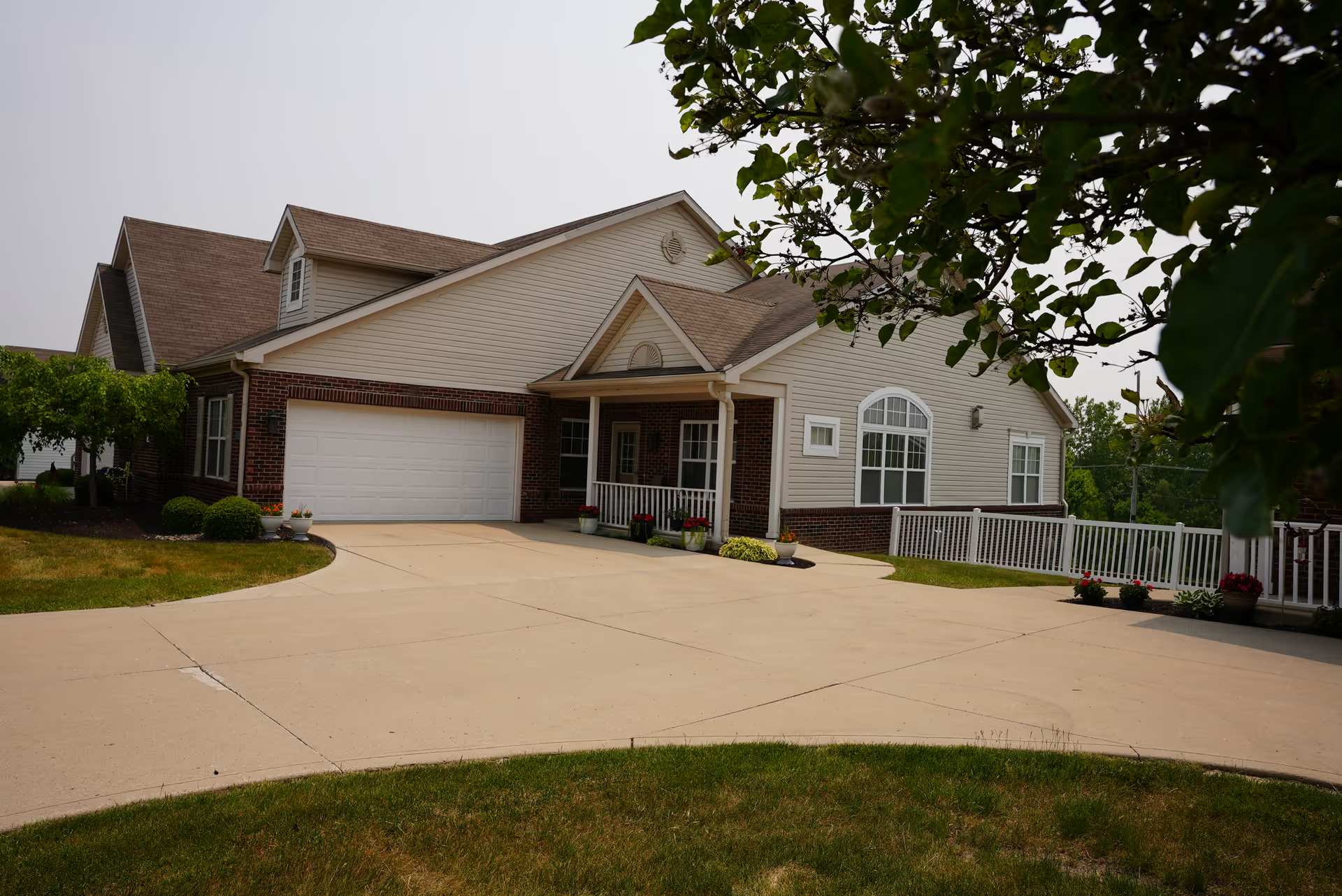
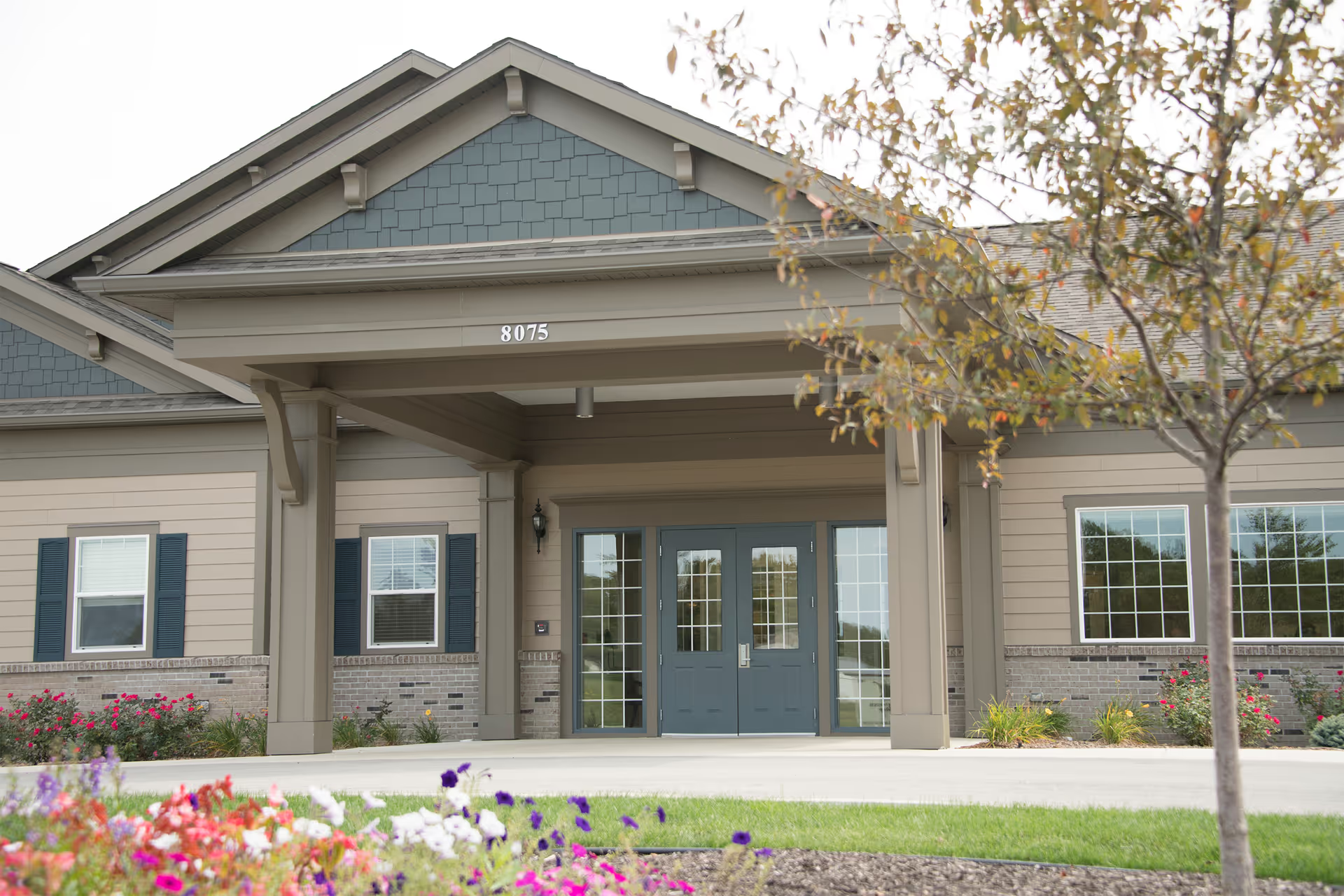
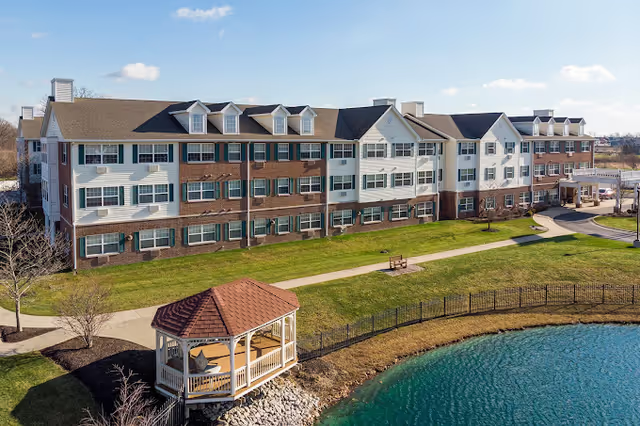
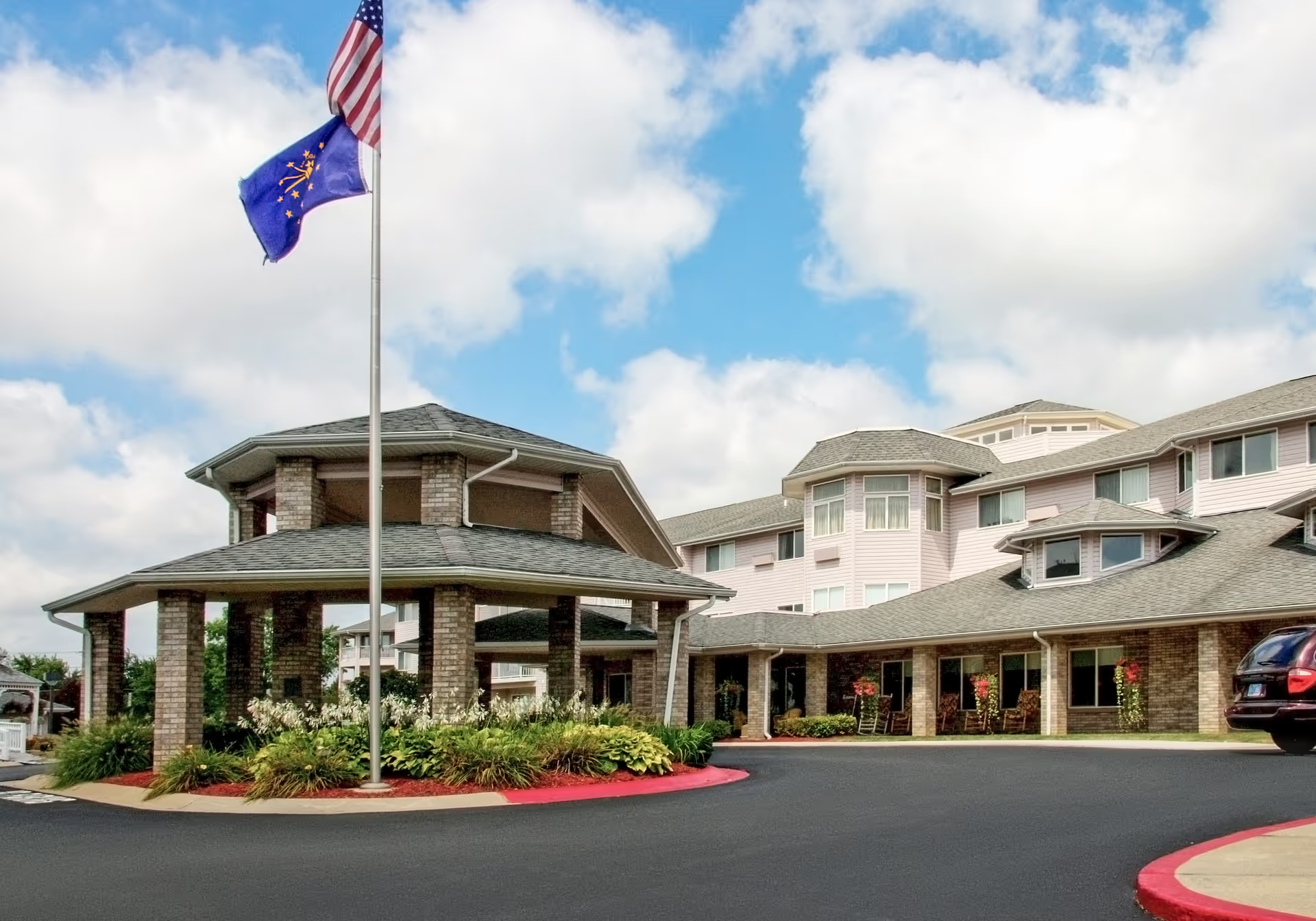
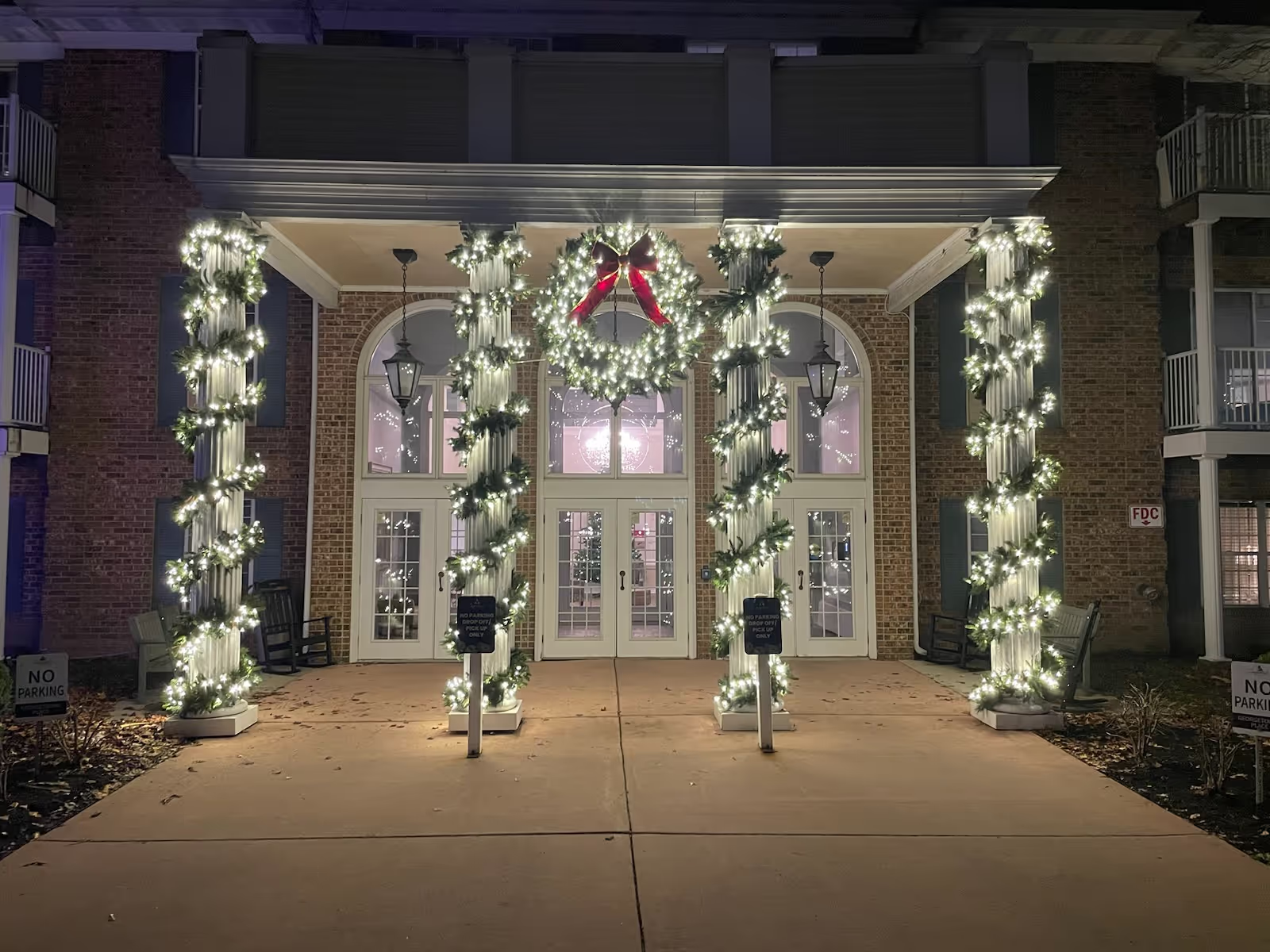
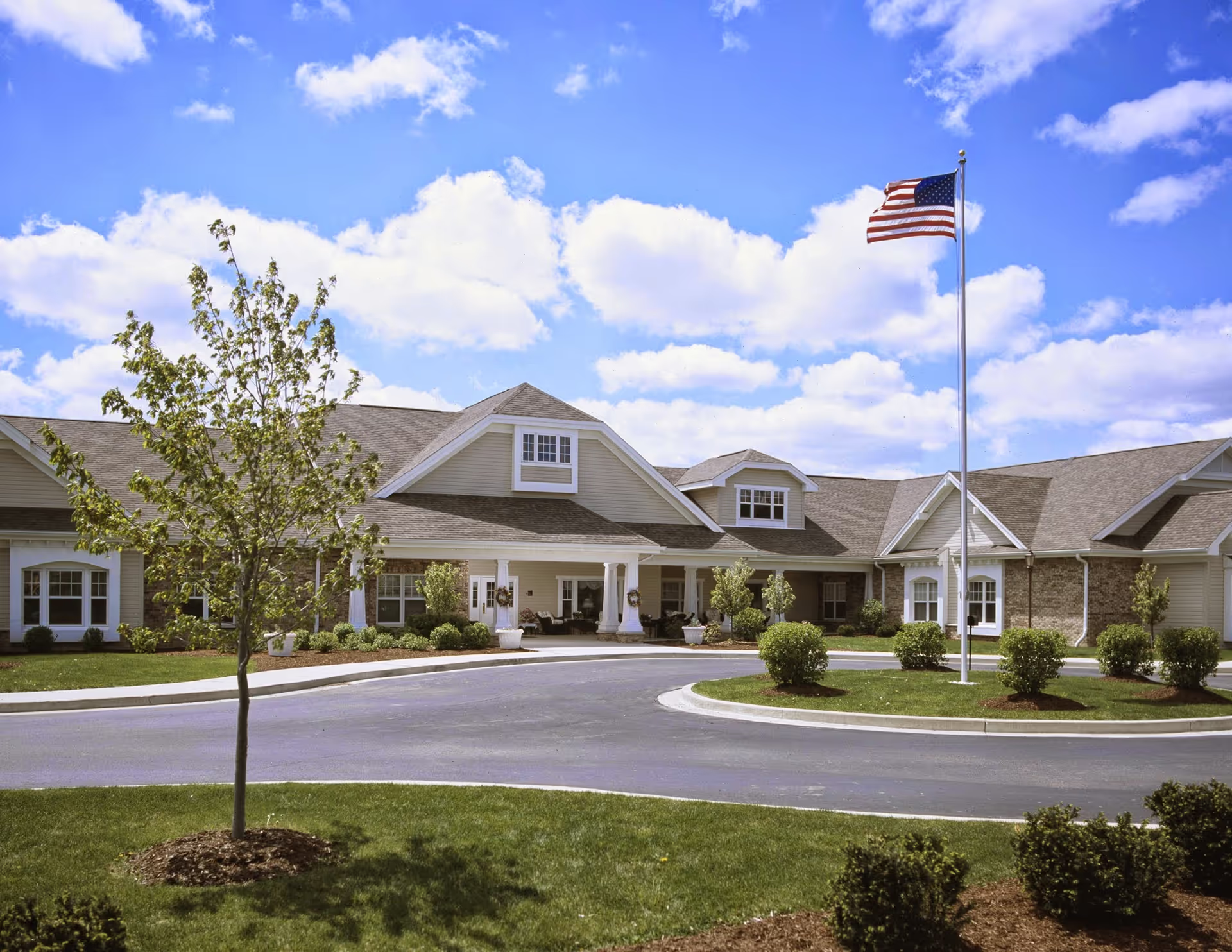
Coventry Meadows presents as a campus with many operational strengths alongside recurring operational weaknesses. Reviewers commonly praise the facility’s rehabilitation services, therapy staff, and day-to-day caregiving CNAs and nurses; these personnel are credited with helping multiple residents regain function and return home. The community offers a broad range of activities and social programming, attractive common areas (including a sunroom, courtyard, library, and small theater), and campus conveniences such as transportation to appointments. Admissions and some leadership contacts are described as helpful and responsive, and the property and landscaping receive frequent positive remarks.
Care quality appears mixed. Numerous families highlight compassionate and attentive daytime staff, effective therapists, and positive resident–staff interactions. At the same time, there are recurring operational concerns affecting the clinical experience: inconsistencies in monitoring and responsiveness (including overnight coverage), variability in medication administration, and examples of discharge decisions and post-discharge coordination that left families dissatisfied. A limited number of accounts describe acute clinical escalations that required hospital transfer; these individual incidents underline the broader pattern of concerns about monitoring, discharge planning, and family communication rather than indicating a uniform level of performance.
Dining, housekeeping, and room-level services show similar variability. Some reviewers commend clean, modern rehab and common spaces and note an orderly independent-living environment. Others describe inconsistent dining quality (temperature and preparation), gaps in laundry service, sanitation concerns in certain clinical units, and occasional maintenance problems such as malfunctioning toilets or room amenities. Room sizes and semi-private layouts were a noted constraint for residents sharing space.
Memory-care and administrative functions are two areas where negative patterns are most apparent. Several accounts express concerns about oversight in the memory-care unit, staffing levels there, and resulting declines in individualized attention. Administrative and billing issues — from delayed or confusing communication to aggressive collections follow-up in at least one case — have eroded trust for some families. Front-desk and phone responsiveness also drew criticism in a number of reports.
For prospective residents and families: Coventry Meadows offers clear strengths in rehabilitation, active programming, and a welcoming campus environment, but the facility shows variability in clinical responsiveness, food and housekeeping consistency, and administrative communication. Families considering placement should ask specific questions about staffing ratios (especially in memory care and night shifts), medication-administration protocols, discharge-planning practices, laundry/housekeeping workflows, and how billing and family communication are handled. A targeted tour that includes the memory-care unit, a review of recent staffing patterns, and direct conversations with therapy and nursing leadership can help clarify how the facility’s strengths and weaknesses align with a prospective resident’s needs.