Overall impression: Reviews of Englewood Health and Rehabilitation Center are highly polarized. Many families and residents describe a small, family‑oriented setting with staff who provide compassionate, individualized attention and strong rehabilitation services. At the same time, a portion of reviews raise serious operational and safety concerns that prospective families should inquire about during tours and admissions discussions.
Care and clinical services: Positive feedback emphasizes effective rehabilitation (physical, occupational, and speech therapy), attentive medication management, and coordinated clinical care across nursing and ancillary services. Several accounts describe timely clinical attention, proactive management of infusion devices, and weekly lab monitoring for short‑term skilled needs. However, other accounts indicate variability in care consistency — specifically delays in responding to requests, gaps in personal‑care routines (including bathing frequency), and incidents that raised safety concerns. These contrasting perspectives suggest that clinical quality may depend on staffing levels and shift coverage.
Staff and professionalism: Many reviewers praise individual staff members by name, highlighting kindness, a supportive family atmosphere, and staff who go above and beyond for residents and families. Conversely, there are repeated comments about inconsistent staff professionalism, problematic interactions with some family members, and difficulty retaining aides. Staffing instability and tone variability in staff–family communications appear to be recurring operational weaknesses that can affect the resident experience.
Dining and activities: The facility is often commended for active programming and community events — car shows, proms, cookouts, themed celebrations, and regular activities such as nail care and devotions — which residents and families frequently cite as meaningful. Dietary staff receive positive notes for accommodating needs and polite service in many accounts, and some events receive specific praise for food quality and value. Nevertheless, there is variability in meal quality and consistent weekend/evening coverage noted; prospective residents should ask about menu planning and special‑diet procedures.
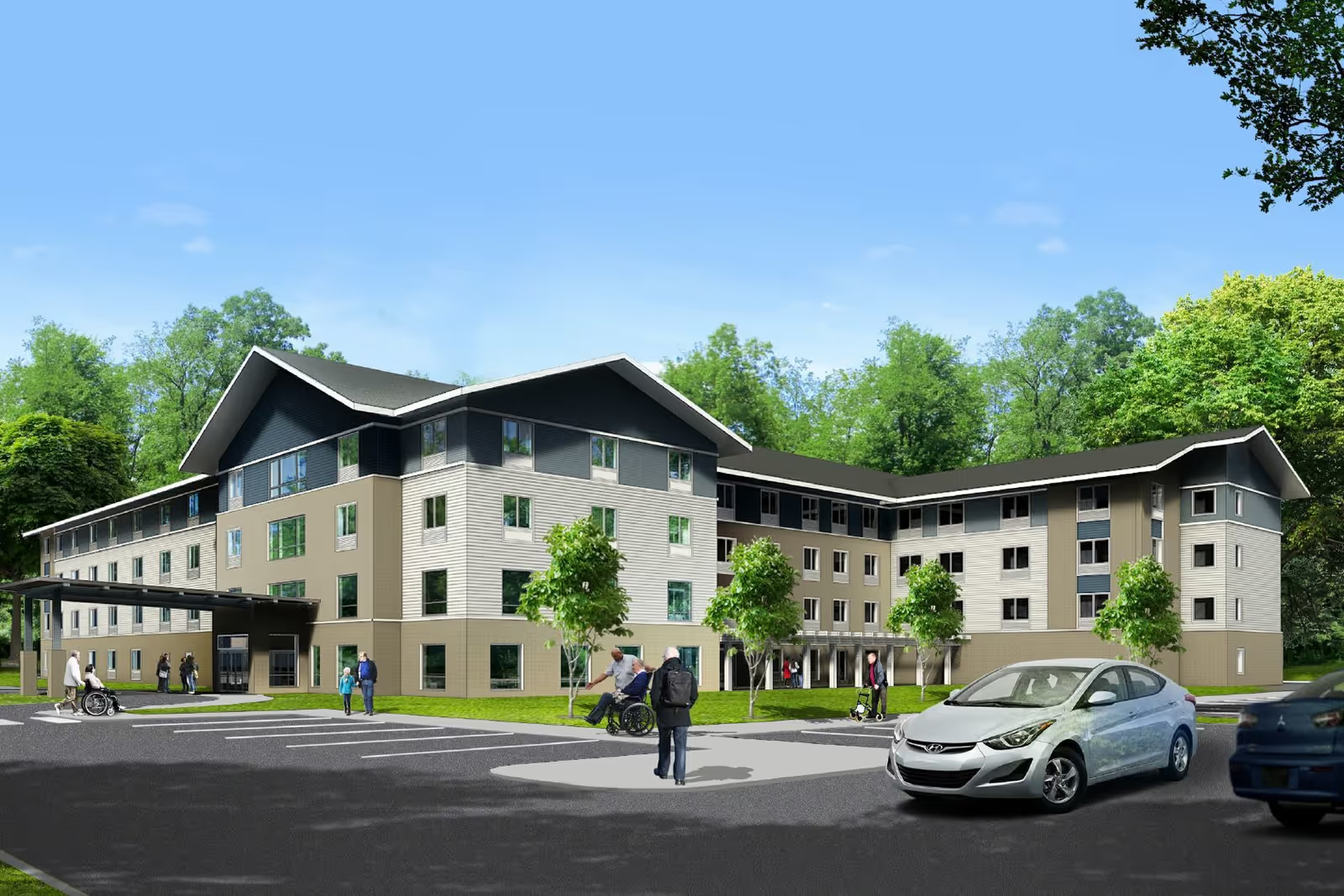
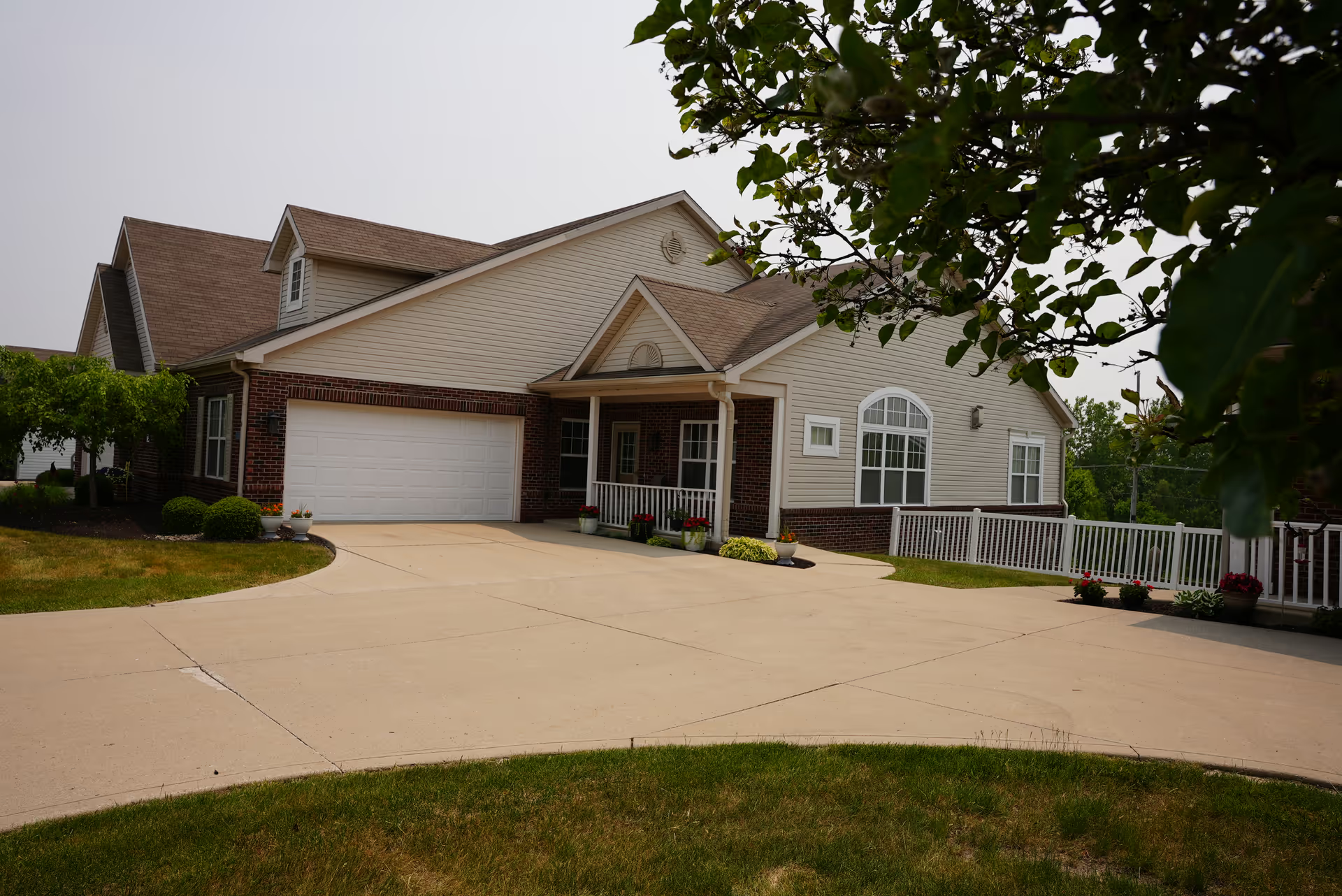
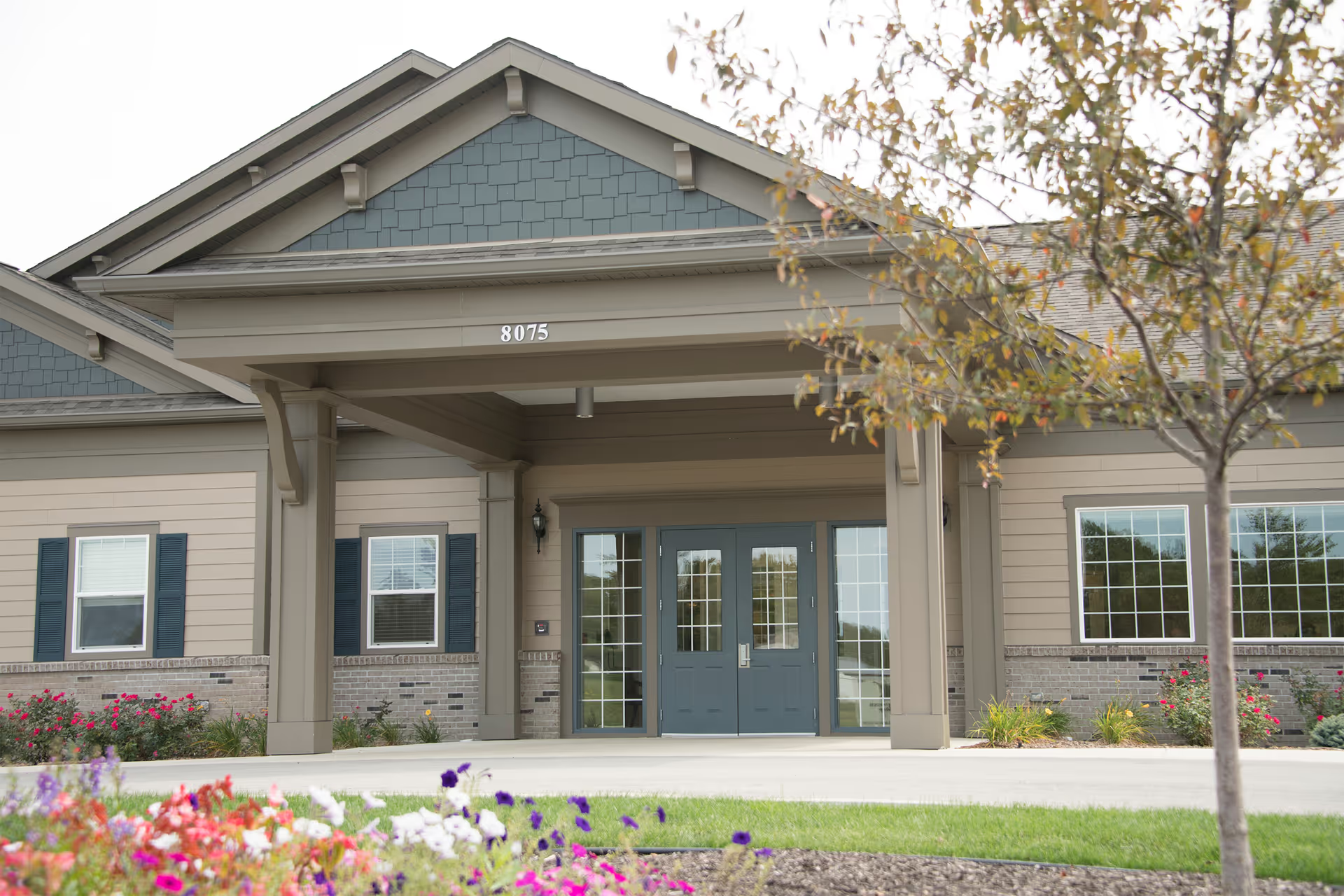
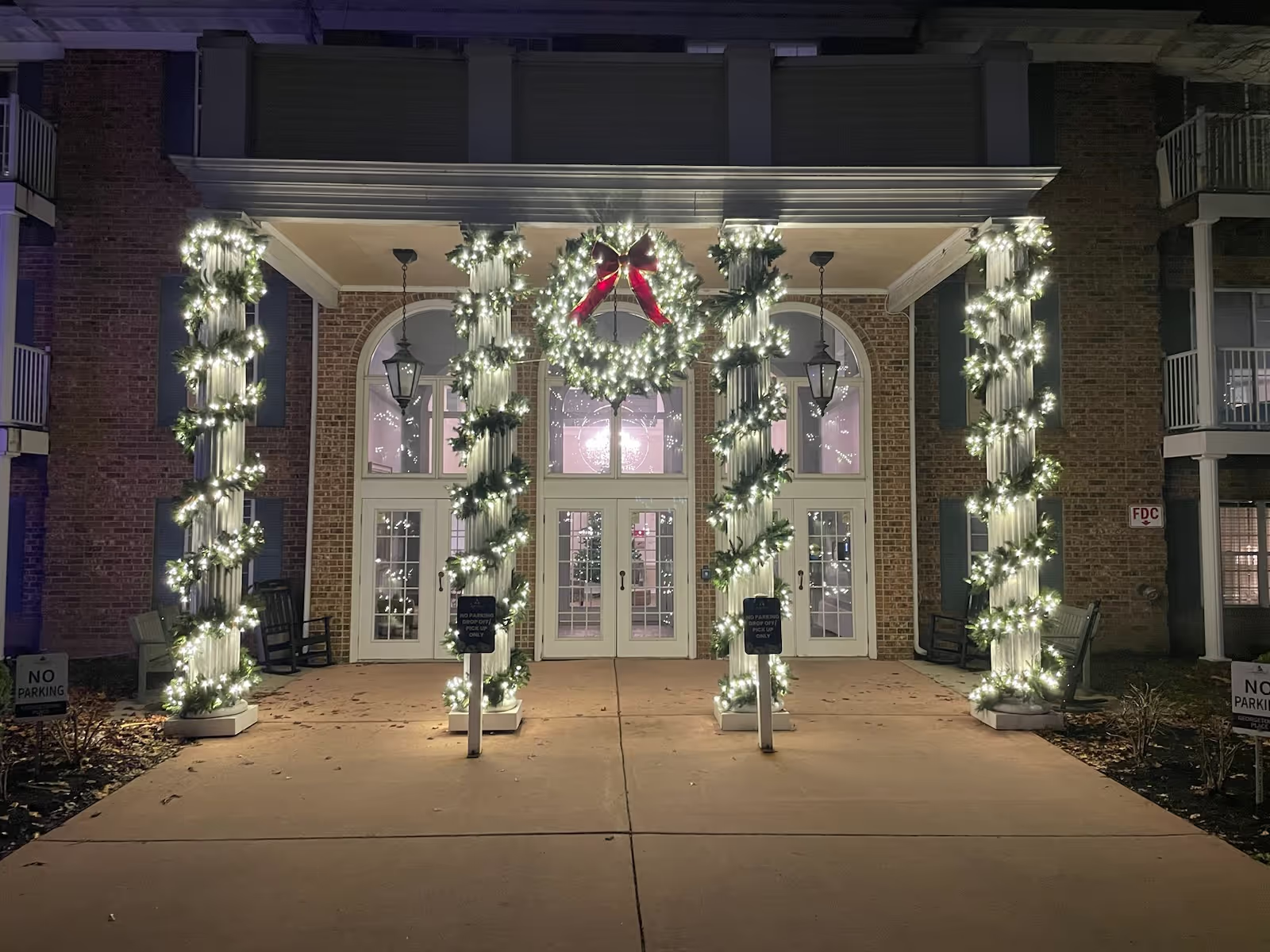
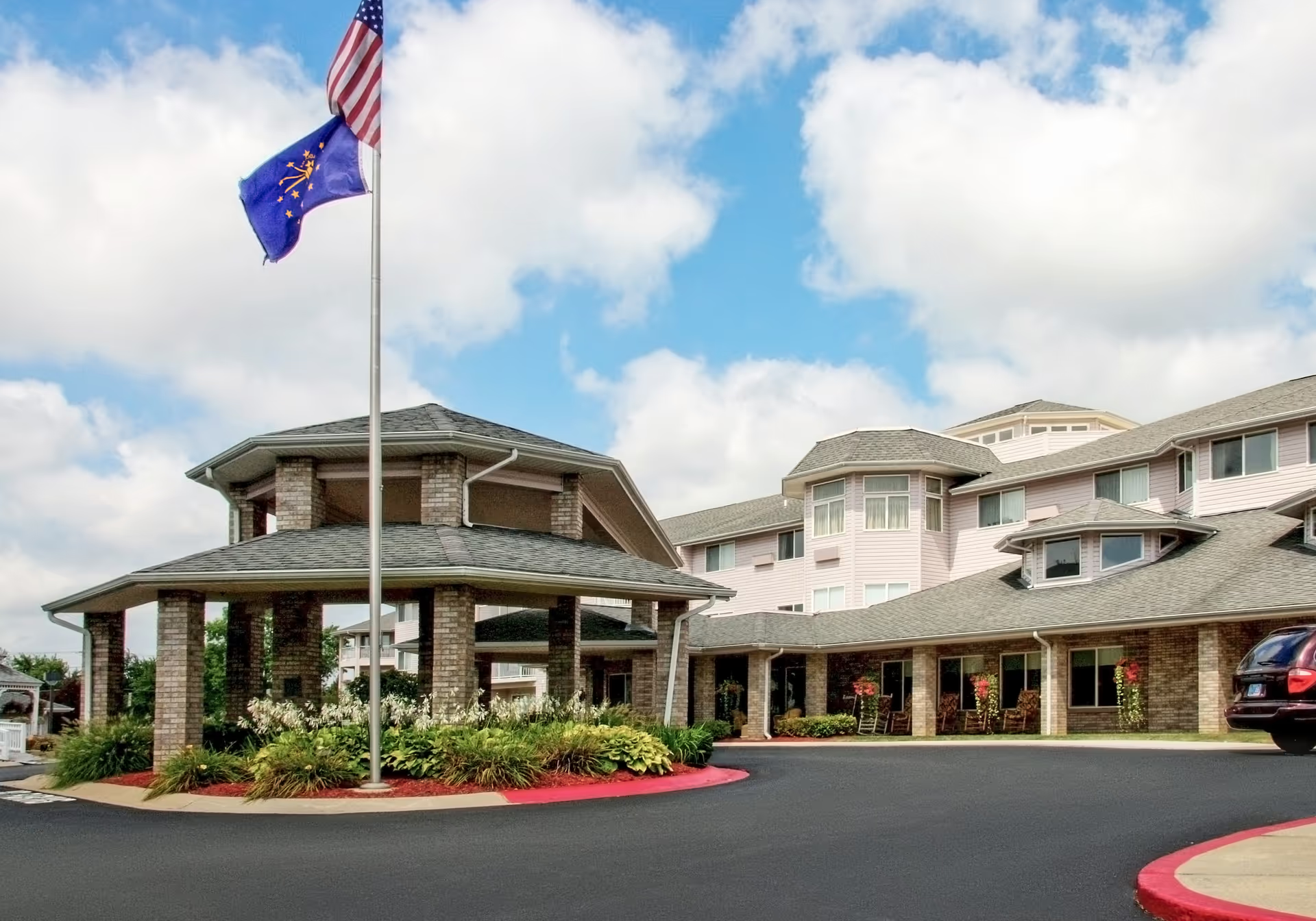
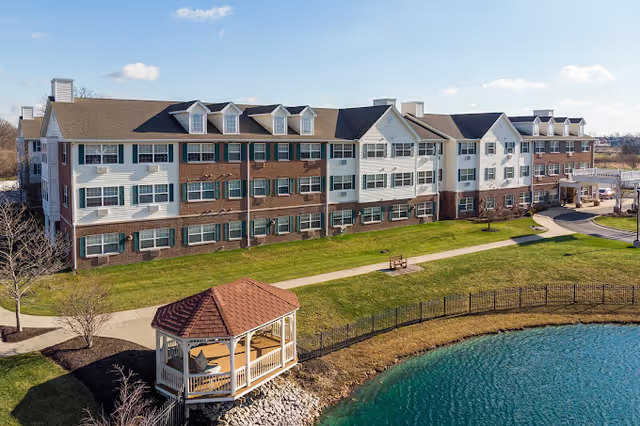
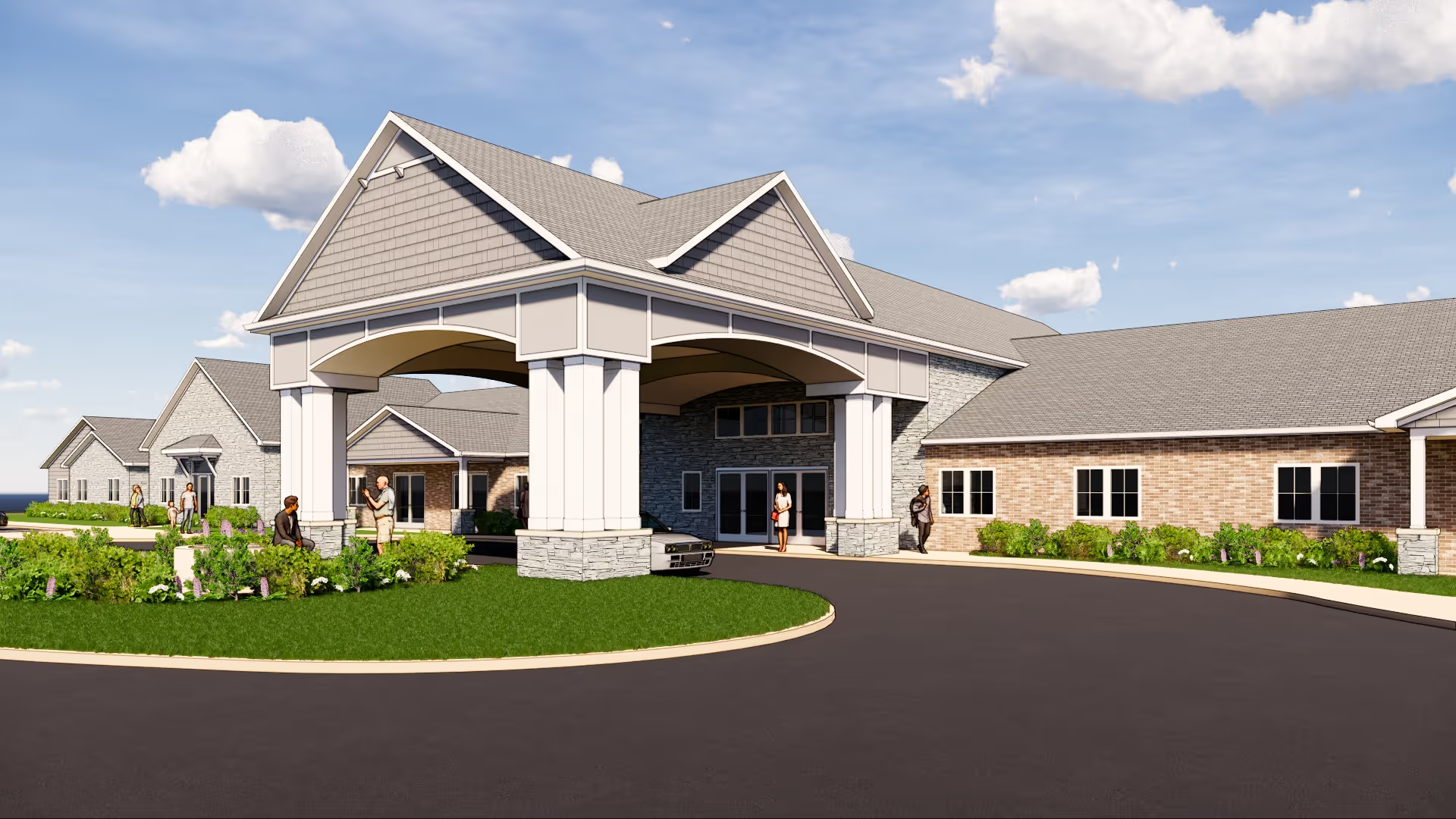
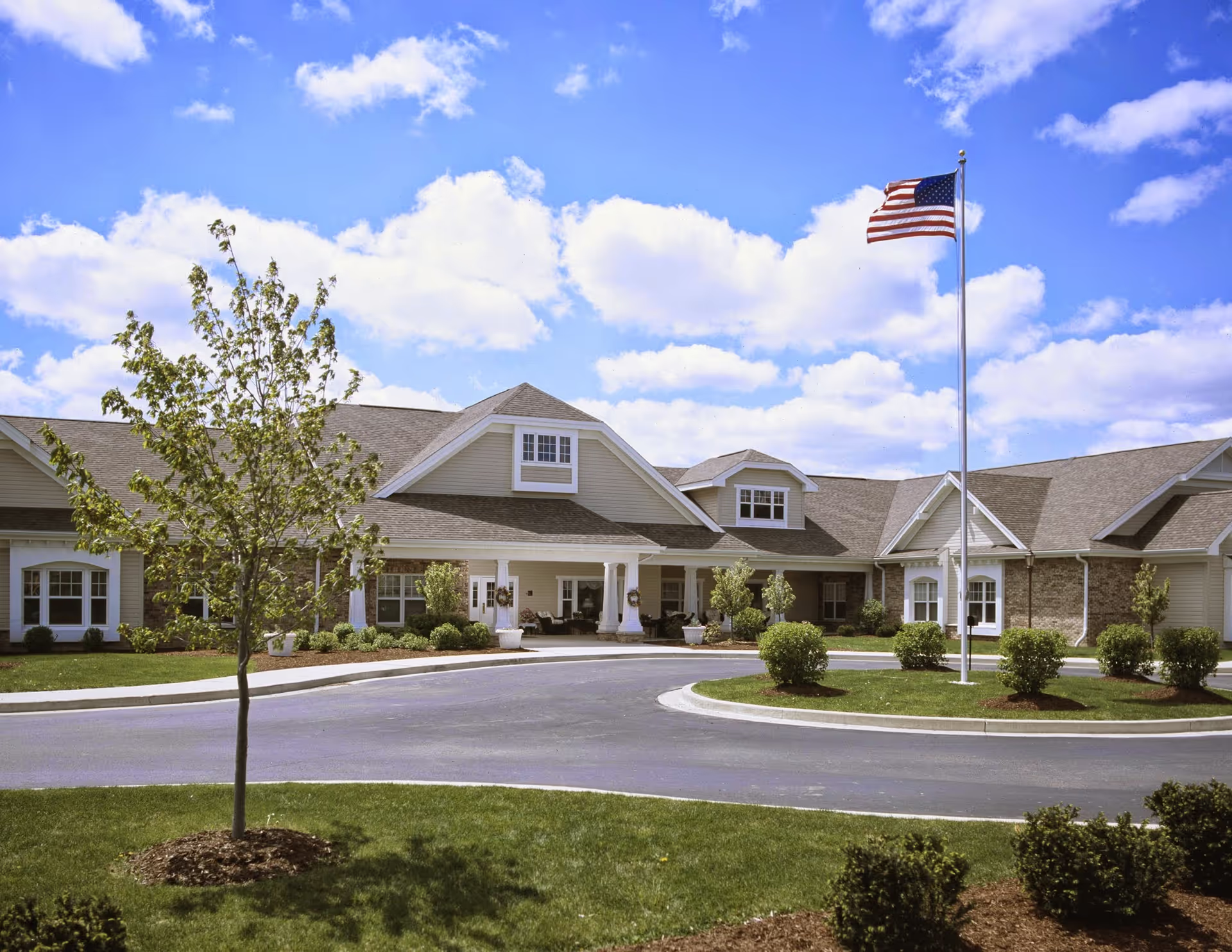
Facilities and cleanliness: Several reviews describe a well‑maintained, clean interior and exterior and a pleasant environment on tours. At the same time, other reviewers note sanitation and odor‑control issues in certain areas and express concerns about laundry and belongings management. These mixed observations indicate that environmental consistency may vary by unit or time of day.
Management and administration: Positive comments cite engaged administrators and named leadership who facilitate good family communication and a safe, organized atmosphere. Countervailing comments point to administrative process problems, including vendor/payment delays and inconsistent follow‑through on complaints. In a limited number of accounts, serious safety‑related incidents and allegations of threatening conduct toward families prompted state complaints or escalations; these claims are significant and merit direct inquiry with facility leadership and review of recent regulatory history.
Notable patterns and guidance: The dominant pattern is one of contrast — strong, individualized rehabilitation and many caring staff, paired with operational variability tied to staffing, responsiveness, hygiene control, and management follow‑through. For prospective residents and families, recommended next steps include: touring multiple units at different times of day, asking for staffing ratios by shift, inquiring about bathing and incontinence‑care protocols, reviewing recent inspection or complaint history, and meeting with therapy and nursing leadership to discuss specific clinical needs. Doing so will help determine whether the facility’s strengths align with the prospective resident’s priorities and whether the facility has addressed the operational weaknesses raised in some reviews.