The available reviews present a highly polarized picture of Simmons Loving Care. Several families describe knowledgeable clinical staff who can manage higher-acuity residents, a warm hospitality orientation, and engaged, family-style management. At the same time, other reviewers describe serious clinical and operational failures; these divergent perspectives produce wide variation in reported resident and family experience.
Care quality is a central area of concern and of praise. Positive comments highlight staff who understand complex care needs and who provide attentive, individualized care. Conversely, multiple accounts point to failures in wound and pressure-injury management, delays or gaps in prescribed clinical treatments, and consequences that required regulatory attention. There is also mention of a legal settlement and allegations of regulatory noncompliance, indicating prior systemic issues that prospective families should review in the facility’s inspection history.
Staff behavior and communication appear inconsistent. Numerous comments describe warm, friendly caregivers and strong leadership, while others describe unresponsiveness to calls, lack of callbacks from the front desk, and interactions perceived as discourteous. Several reports describe difficulties obtaining timely information about residents’ location or status; at least one account referenced escalation to external authorities. These patterns suggest variability across shifts or teams in how the facility communicates with families.
Dining, activities, and personal-care services are less consistently documented in the reviews. Some reviewers praised hospitality and a welcoming environment. Other comments point to role blurring and resource constraints (for example, staff performing nonclinical tasks) and limited bathing options (aged fixtures and constrained shower availability). These descriptions imply staffing and resourcing pressures that can affect routine personal-care and housekeeping functions.
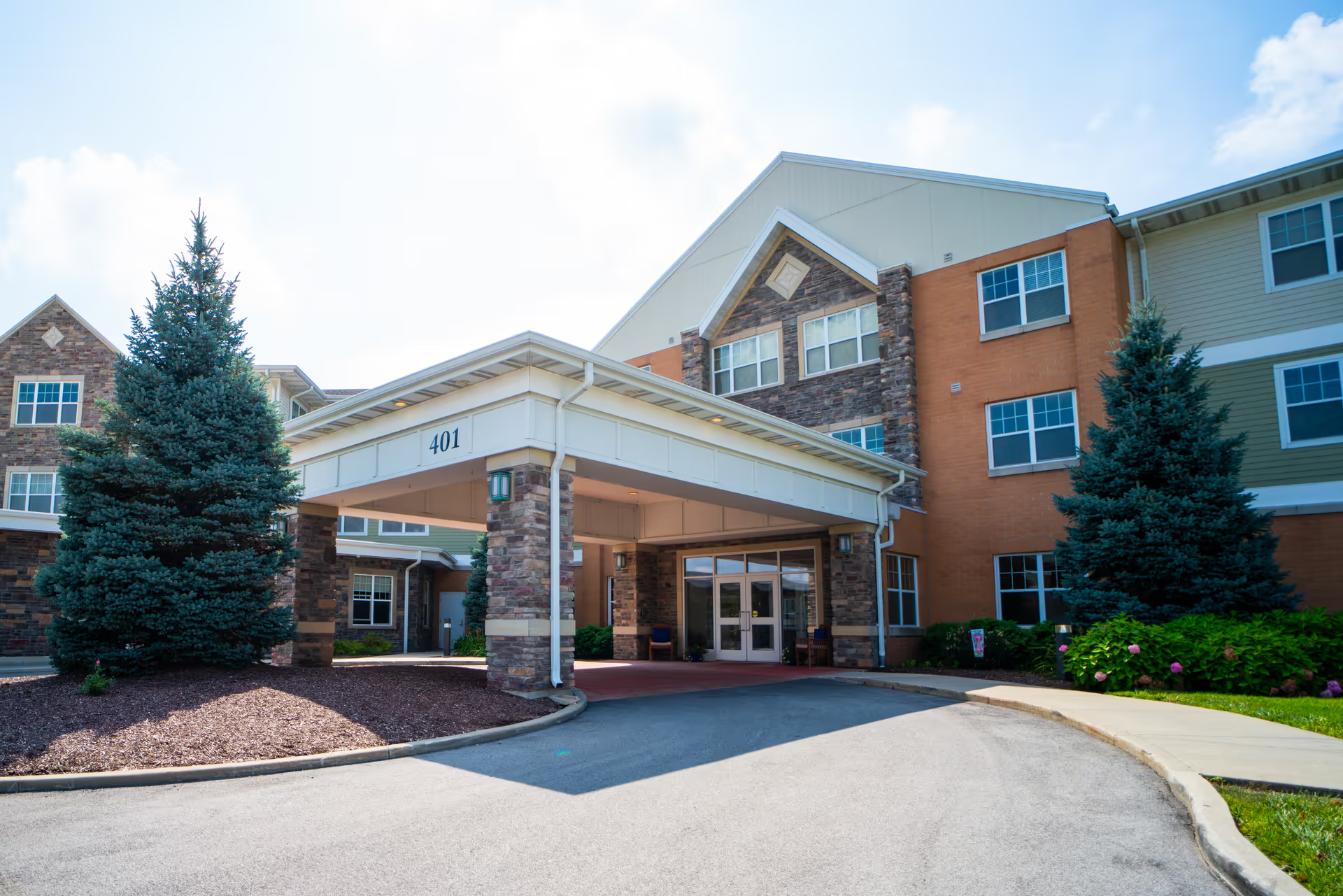
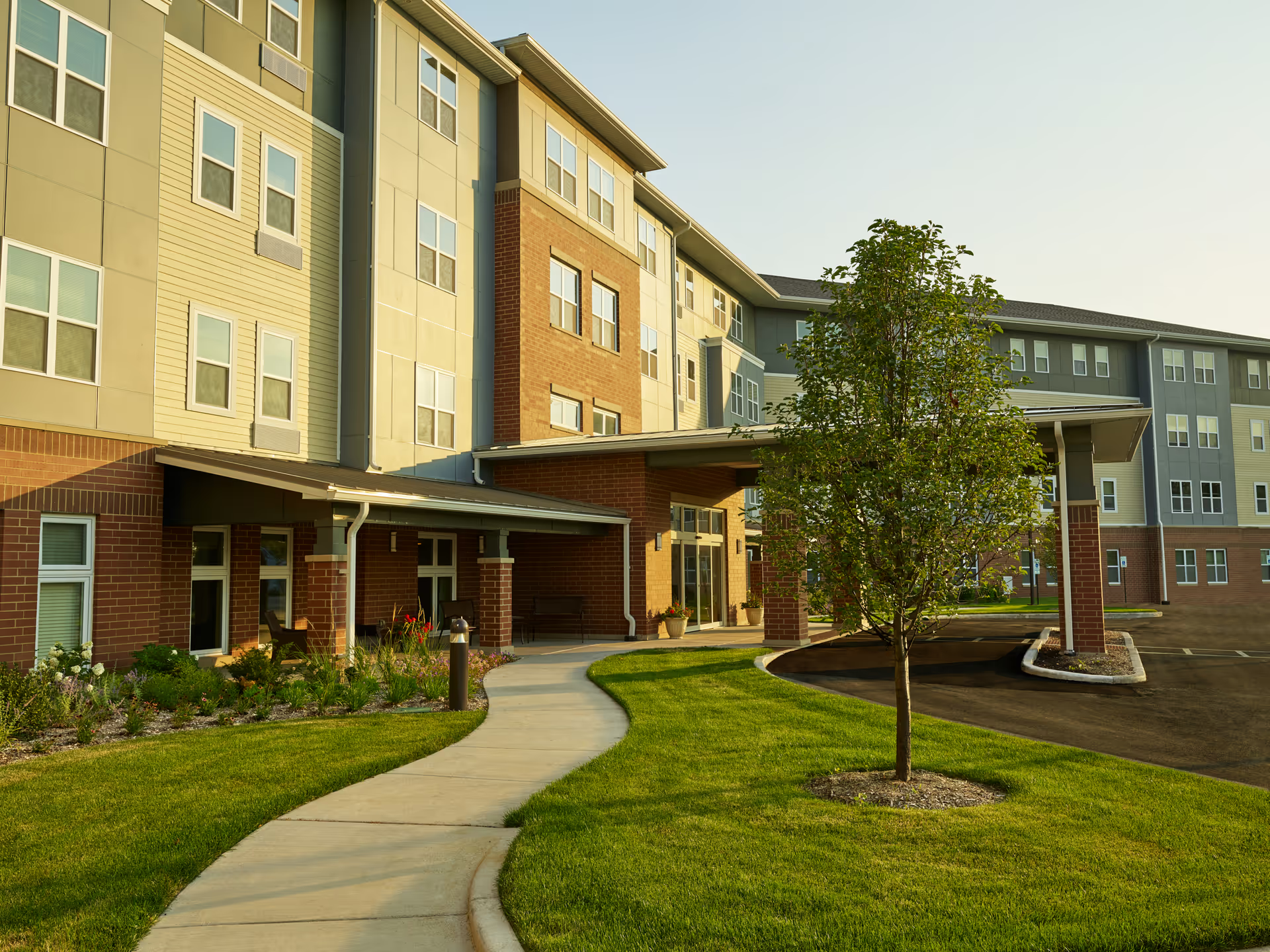
Physical plant and maintenance issues are another recurring theme. Criticisms include inadequate signage and lighting, a generally dilapidated impression in parts of the building, and sanitation concerns that made some visitors feel the environment was unsafe or poorly maintained. At the same time, other reviewers described clean, pleasant common areas, suggesting inconsistency between units or time periods.
Management and administration receive mixed feedback. The facility’s family-owned, onsite leadership is praised by some for responsiveness and quality focus. Yet administrative shortcomings are also noted: mishandled income paperwork, inconsistent admissions processes, and a documented history of regulatory action and operational instability culminating in closure in at least one account. These operational gaps appear linked to the clinical and environmental problems described elsewhere in the reviews.
Overall, the notable pattern is one of highly variable performance: clear strengths in staff who deliver high-acuity care and hospitality in some cases, alongside recurring and serious concerns about wound management, regulatory compliance, maintenance, and family communication. Prospective residents and families should review recent inspection and enforcement records, ask for details on wound-care protocols and staffing ratios, and conduct an in-person tour that includes questions about communication processes, infection control, and how the facility documents and follows up on clinical incidents.