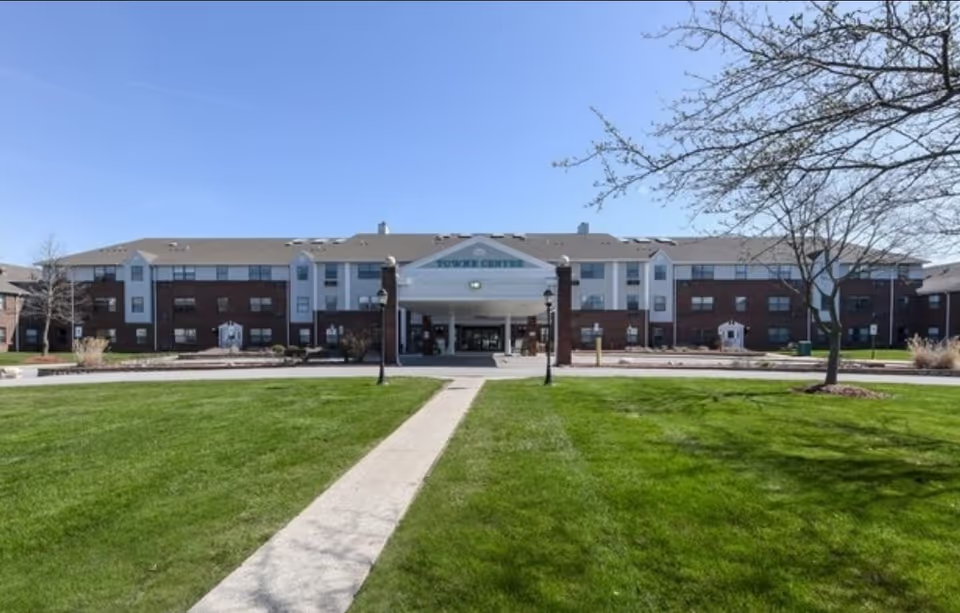
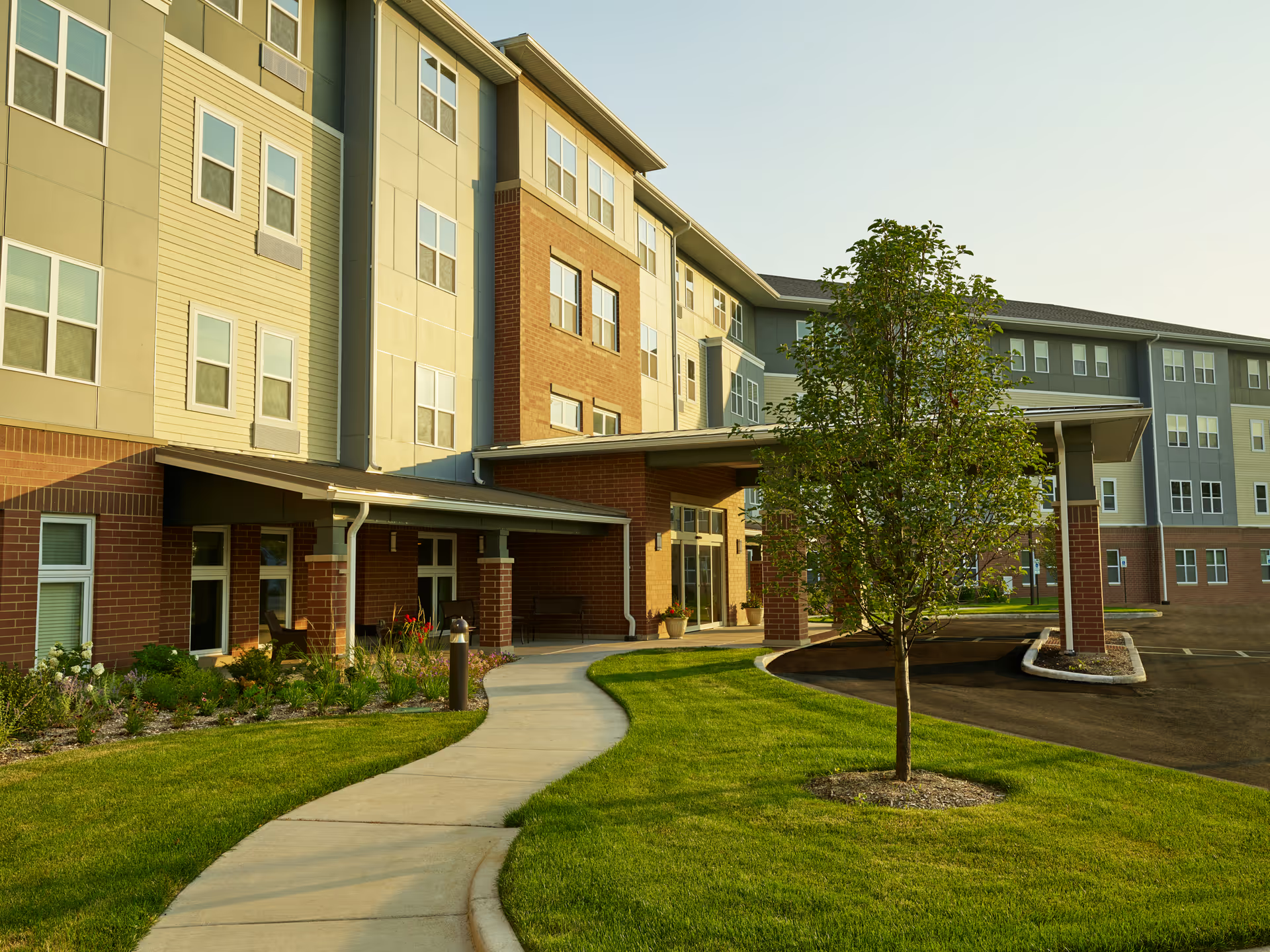
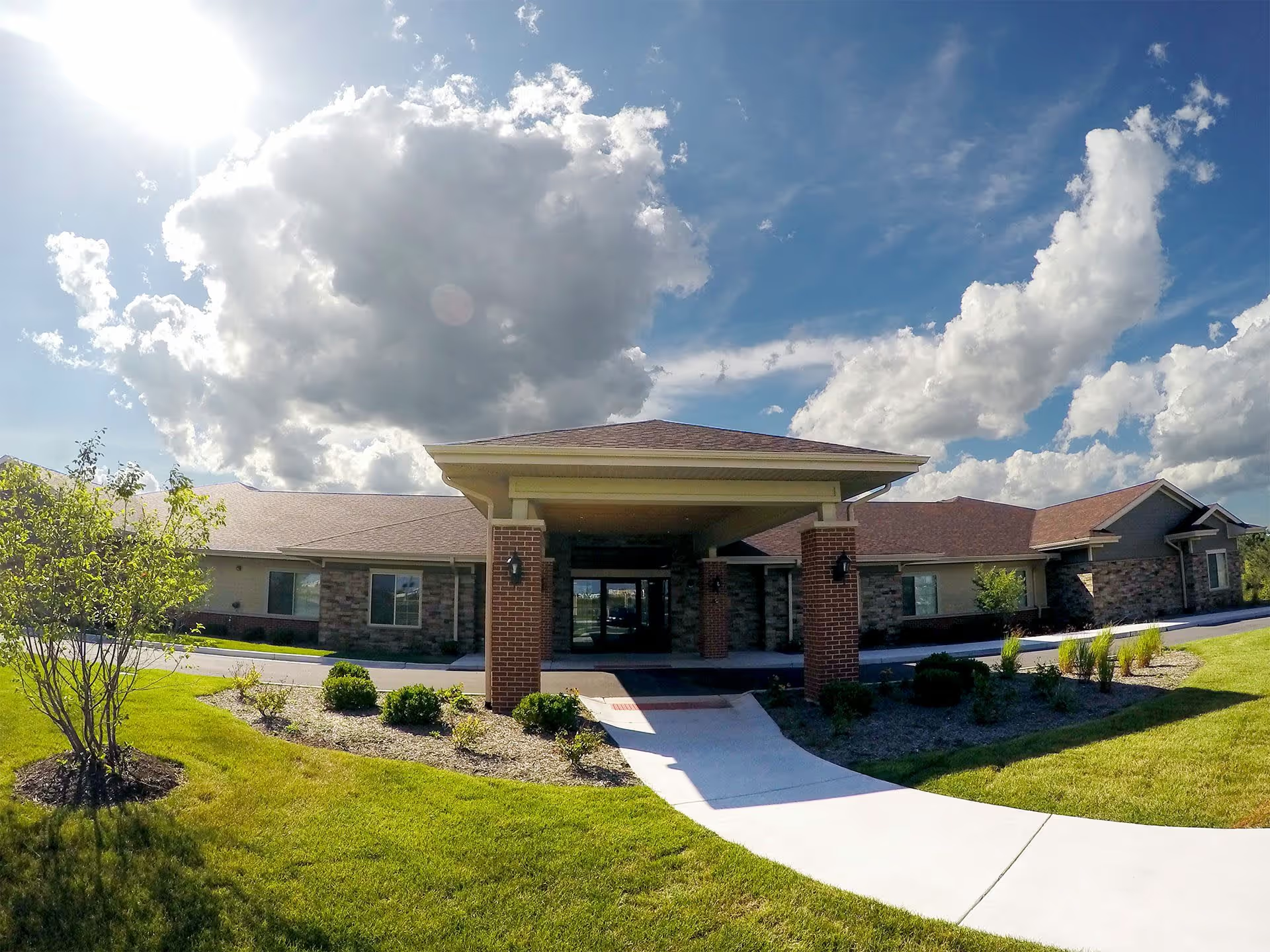
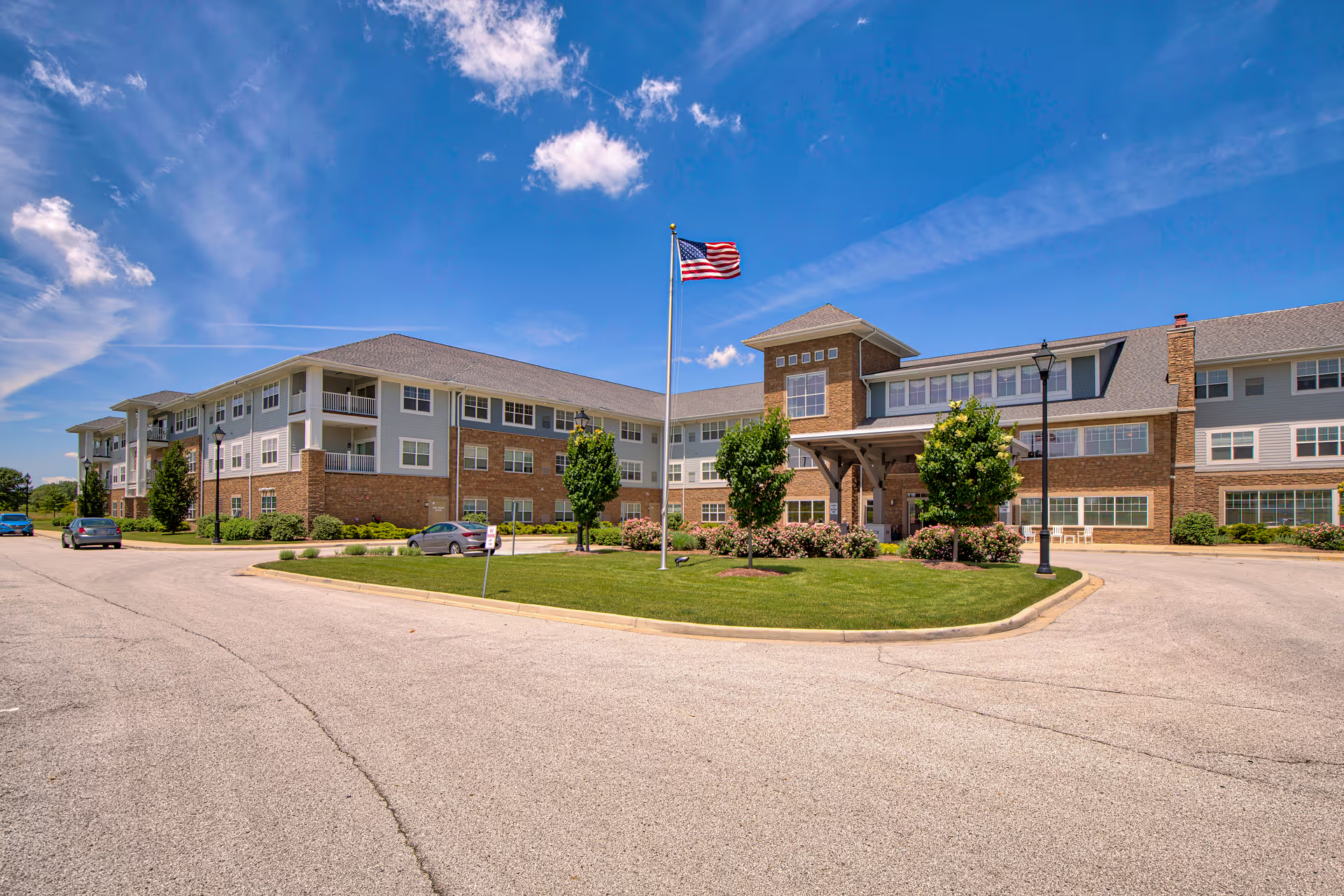
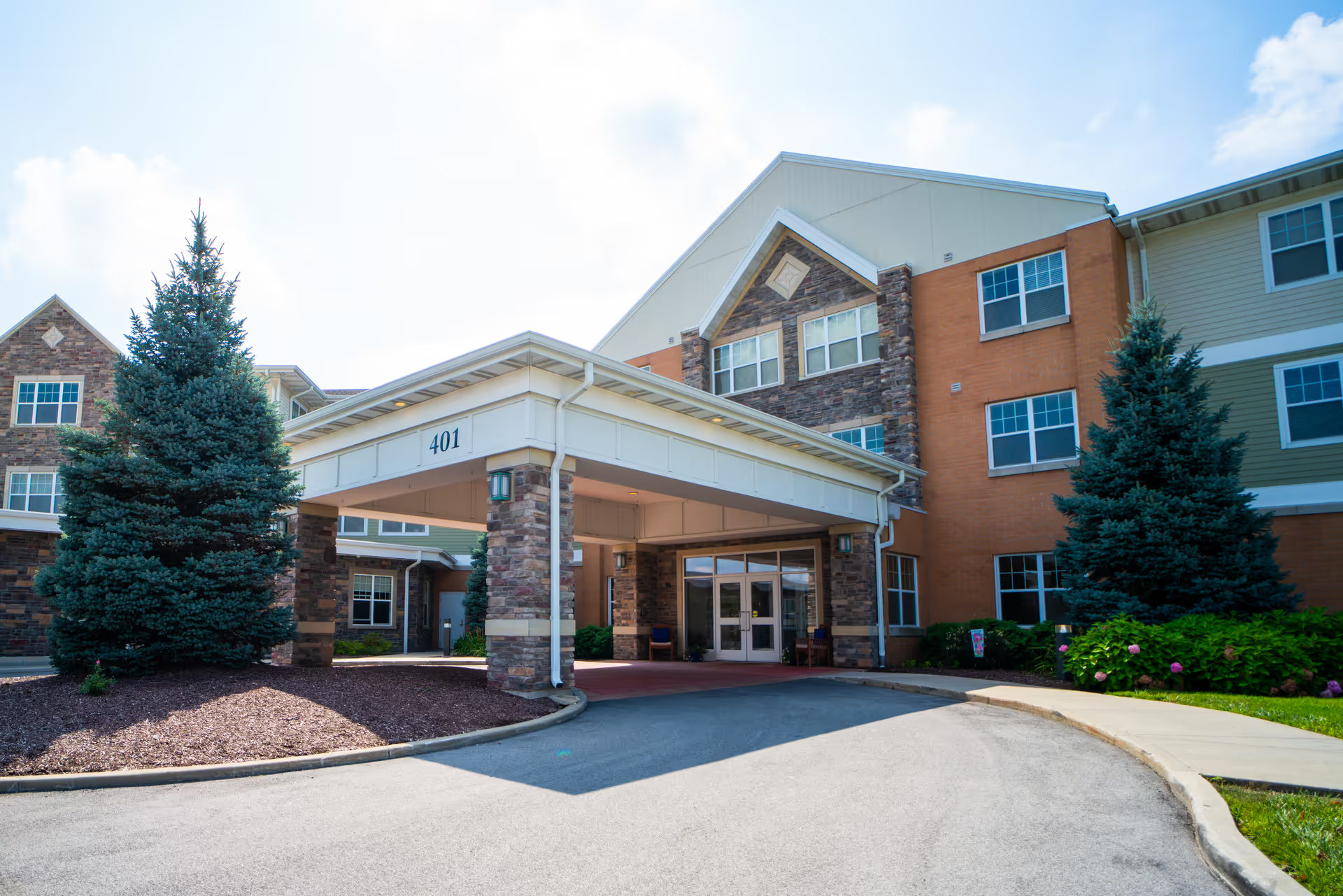
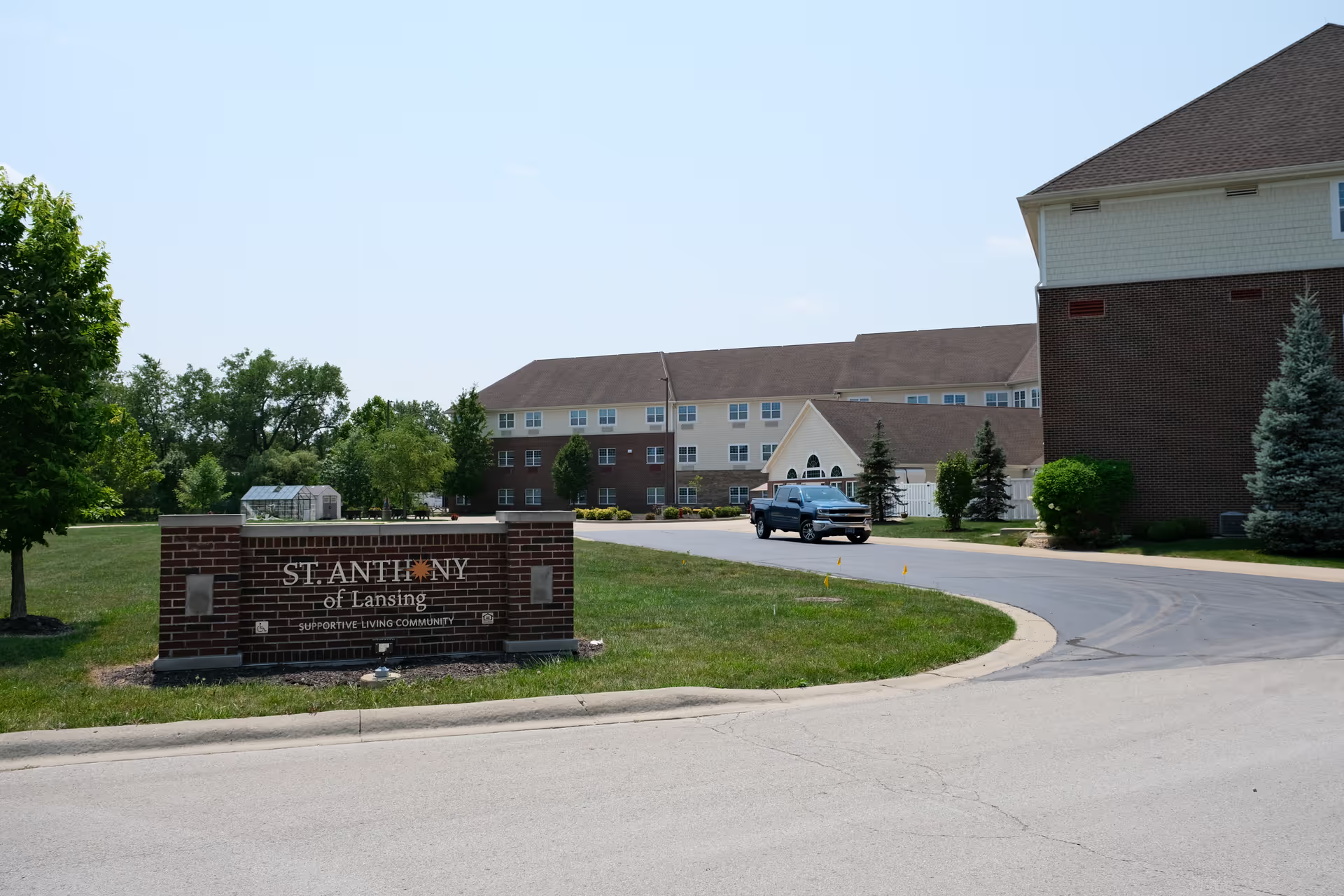
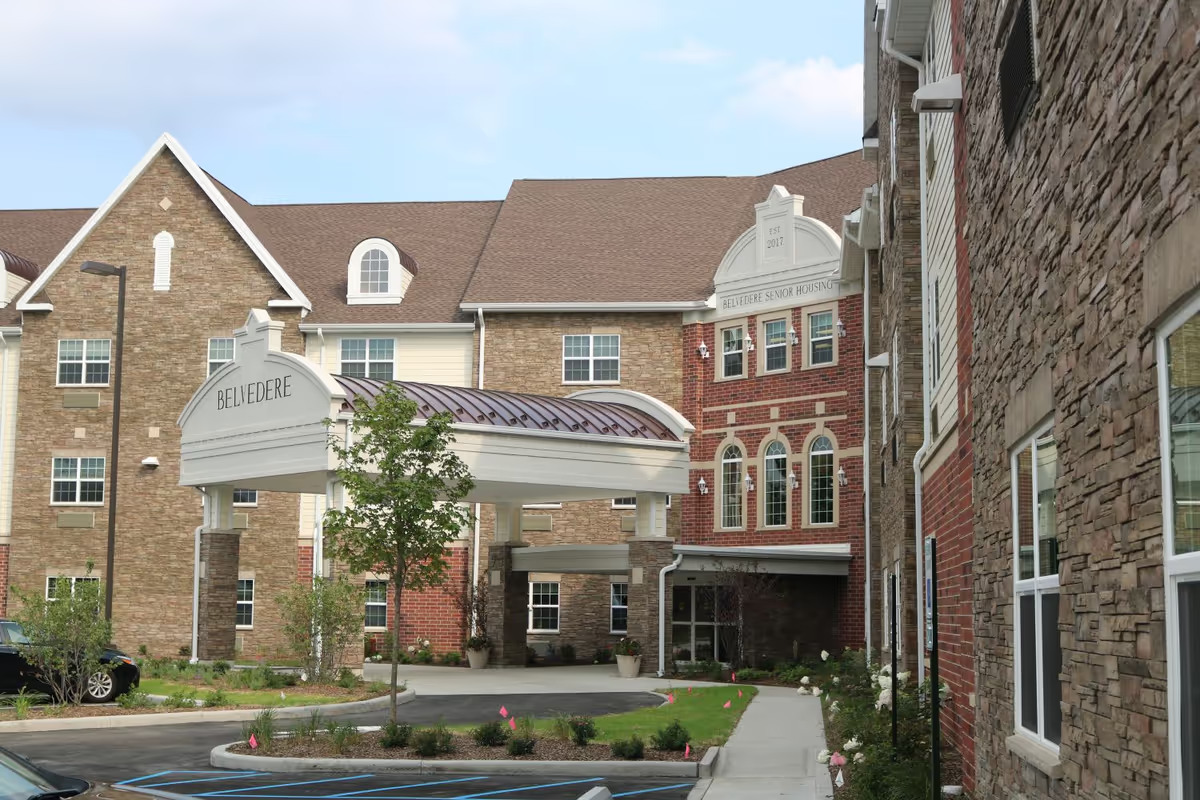
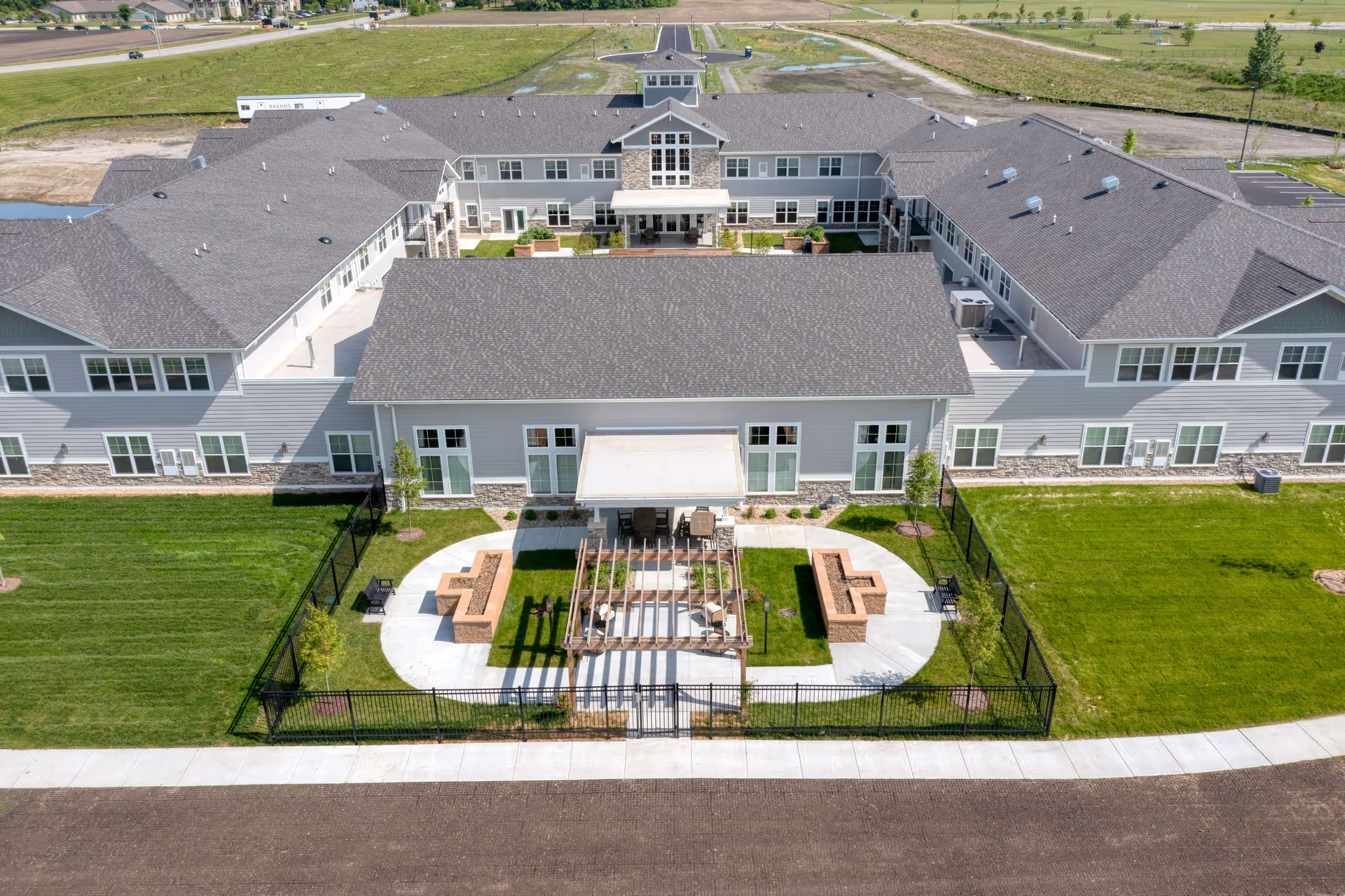
Reviews present a mixed picture with distinct strengths and repeated operational concerns. Positive comments emphasize caring front-line caregivers — particularly nursing assistants — and several accounts describe effective nursing, compassionate bedside manner, and strong rehabilitation outcomes. Activity programming and therapy are frequently cited as beneficial to residents’ recovery and social engagement. Many families also noted comfortable resident rooms and staff who made accommodation efforts for visitors and care planning.
Care-quality patterns are polarized. While some families praised attentive nursing and successful rehab, others raised concerns about clinical practices related to wound management, medication administration timing, and therapy access. There are repeated descriptions of delays in medications, inconsistency in wound-care technique, and interruptions or shortfalls in scheduled therapy sessions. Several reviews raised concerns about incontinence-care responsiveness and transfer-safety practices, indicating variability in day-to-day clinical follow-through.
Staffing and staff conduct emerge as central themes. Praise is common for individual aides, nurses, and particular social-work staff members; however, many reviews also describe staffing shortages, turnover, and uneven professionalism. Families reported variable responsiveness from social services and administrative leadership, occasional brusque or unhelpful front-desk interactions, and inconsistent communication about clinical events and care plans.
Dining and activities are likewise mixed. A number of reviewers appreciated the meal service, social programming, and therapy-related activities, while others described limited menu variety, delays that affected dietary needs, and inconsistent meal accommodations for residents with specific requirements. Activity offerings and therapy were often singled out as a positive counterpoint to other operational issues.
Facility and environmental concerns are notable in the feedback. Several reviewers described sanitation and housekeeping deficiencies, odor concerns in some areas, shortages of basic resident supplies, and pest-control concerns. Maintenance issues such as temperature control and delayed responses to repair needs were also mentioned, as were room/bed management challenges during periods of high census.
Management and systems-level shortcomings recur across reviews. Families reported limited availability of administrative leadership, delayed or inadequate incident response, and gaps in family notification following serious events; these process failures contributed to calls for external review in a few instances. The combination of operational weaknesses—staffing instability, inconsistent clinical practice, environmental and sanitation issues, and variable communication—creates a risk profile that prospective residents and families should evaluate closely.
Recommendations for prospective residents: arrange an in-person tour that includes inspection of common areas and resident rooms; ask about current staffing ratios, wound-care protocols, infection-control policies, pest-control measures, and how dietary restrictions are handled; request current quality and incident reports, and speak with the unit social worker about family communication processes. Those with complex wound, infection-control, or dietary needs should seek clear, written care plans before admission.