Overall impression: Reviewers describe Asbury Towers as a facility with strong clinical capabilities and an active social program, paired with some operational and infrastructure limitations. Many families and residents praised the clinical teams, therapy services and the admissions process; others raised concerns about responsiveness, maintenance and administrative procedures. The pattern is one of generally effective hands-on care and enriching programming, along with persistent facility- and management-level issues that prospective families should evaluate during a visit.
Care and staff: Clinical care is frequently described as attentive and compassionate. Reviewers highlight skilled nurses and CNAs, effective wound care, and positive outcomes after short-term rehabilitation or therapy. Admissions staff and the Director of Nursing receive specific praise for being helpful and proactive. At the same time, there are recurring concerns about responsiveness and the tone of staff communication; a subset of comments referenced delays in attention or unsatisfactory interpersonal exchanges. Overall, the clinical culture appears strong, but communication and responsiveness can be inconsistent.
Dining and daily services: Dining is commonly reported as a strength — food quality receives favorable remarks and the facility offers multiple dining areas and options. Memory-care residents receive meals in-room when needed, and services such as daily room cleaning and laundry are noted positively. One operational pain point is the payment process: the lack of online payment options and reliance on mailed checks was called inconvenient by families.
Activities and social life: The facility offers a broad range of activities, including worship services, music, arts and crafts, outings, group walks and safety-focused programming with therapeutic oversight. Families appreciate opportunities to dine with residents and to remain involved in social events. These programs are a consistent positive and appear to support resident engagement and rehabilitation goals.
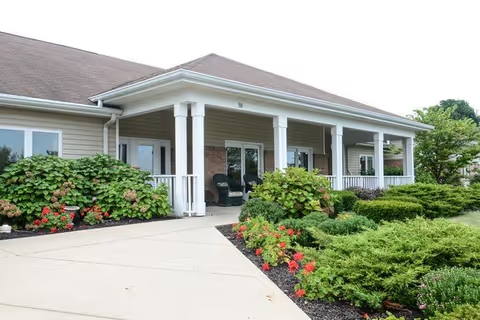
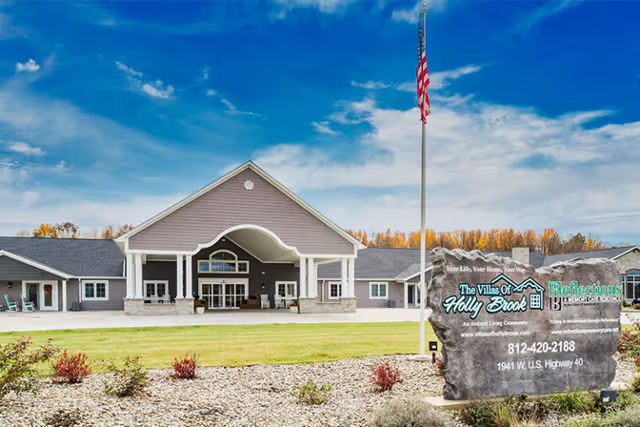
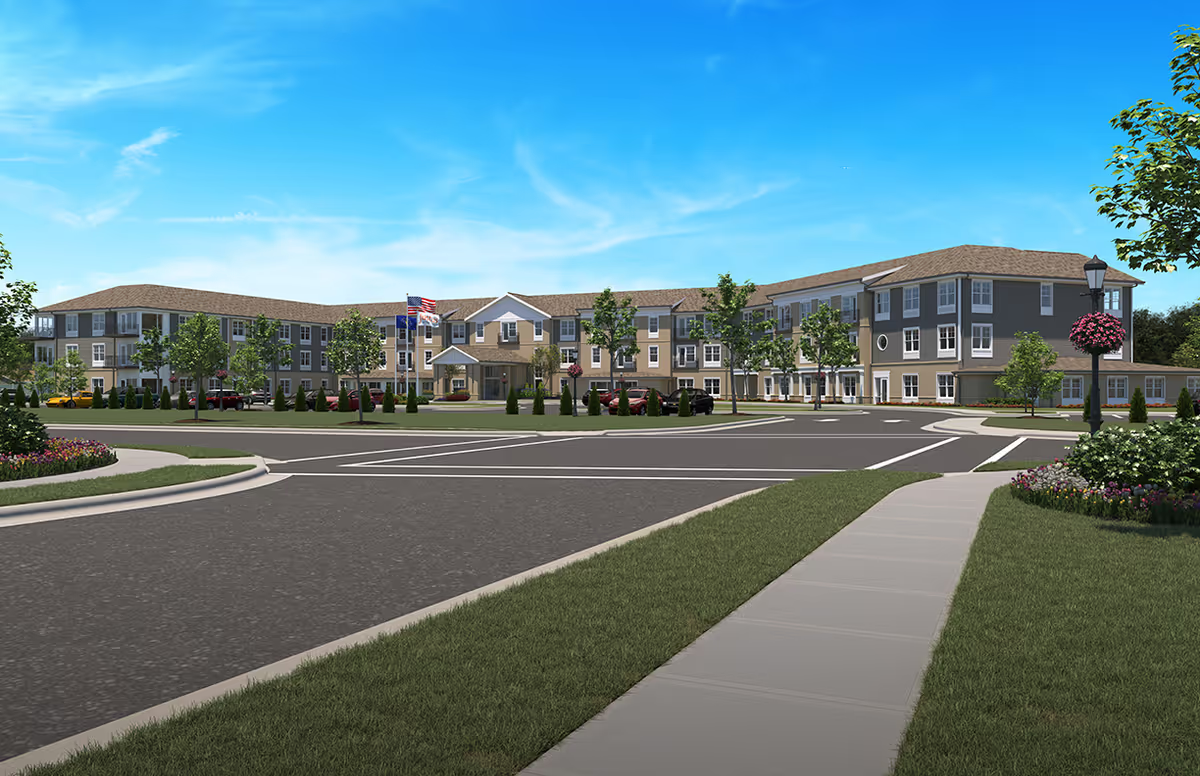
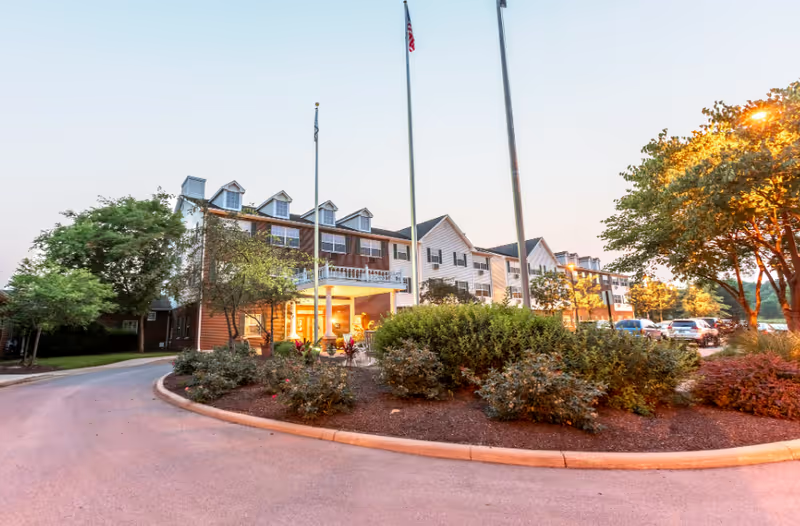
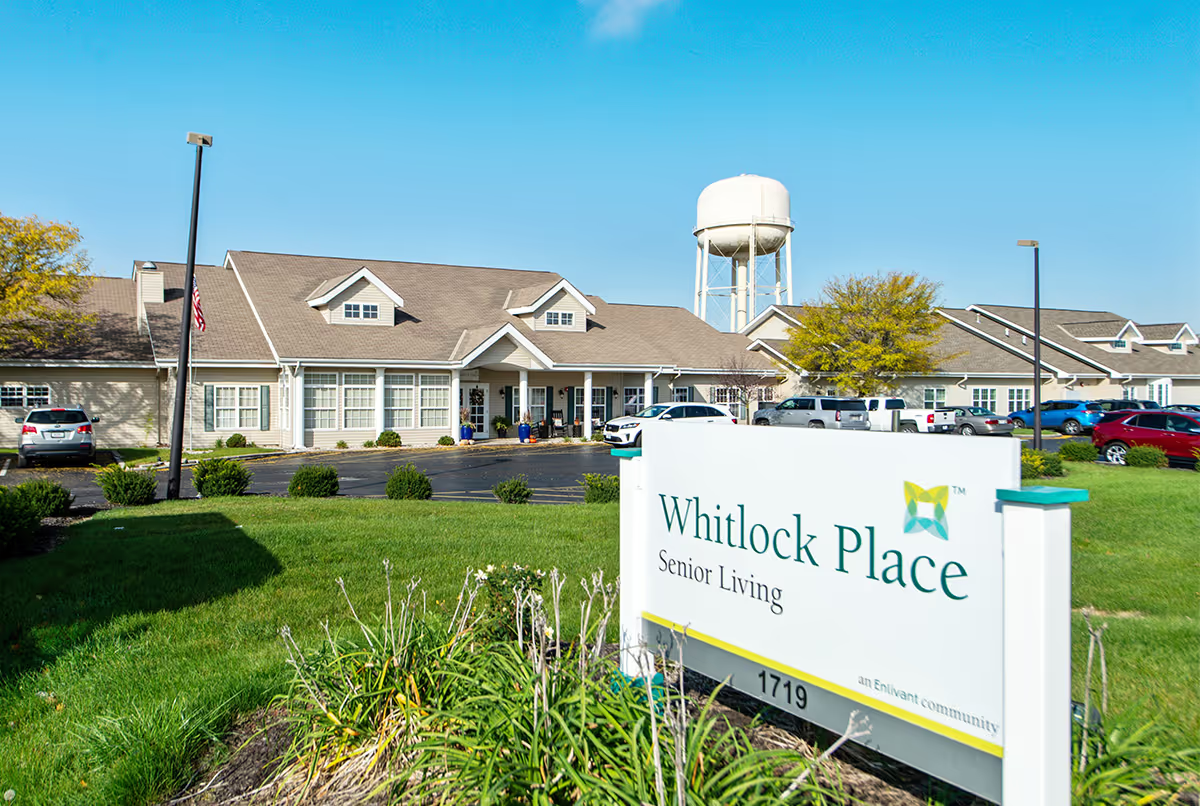
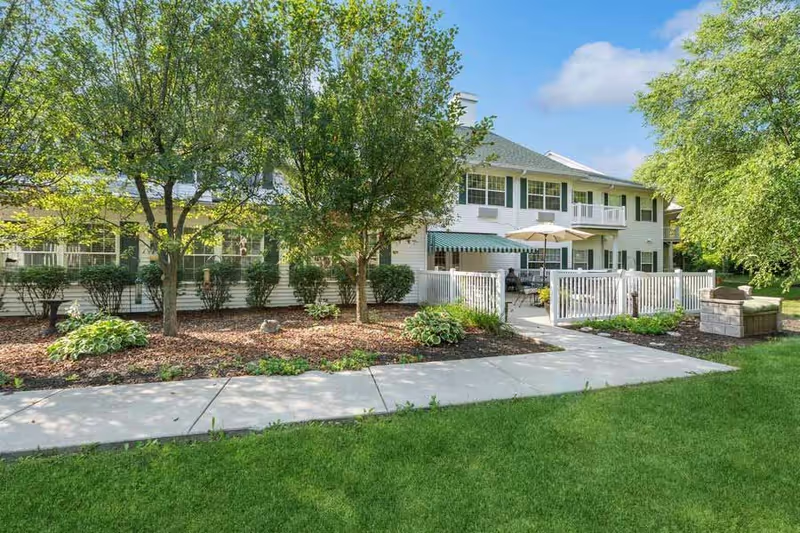
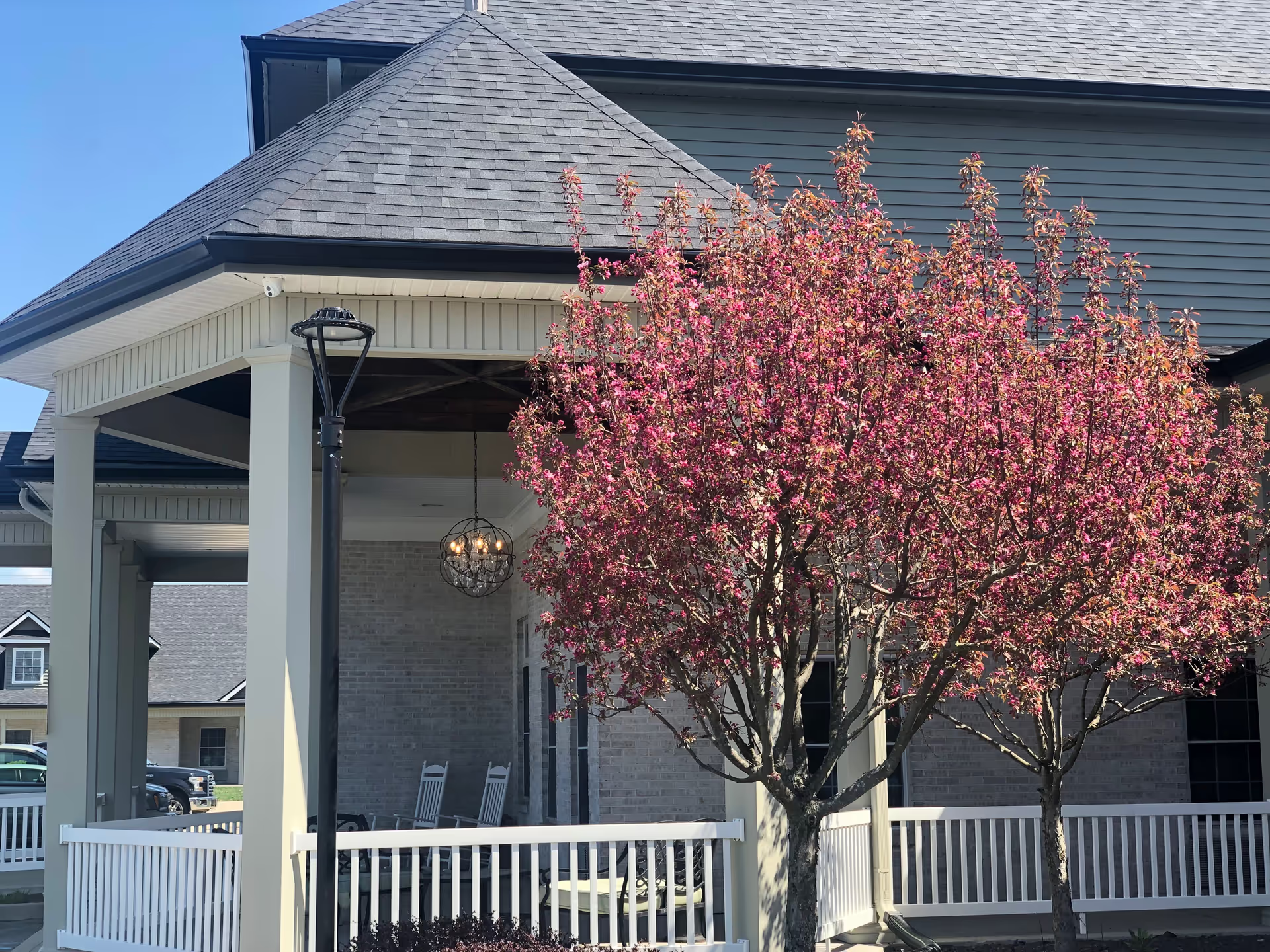
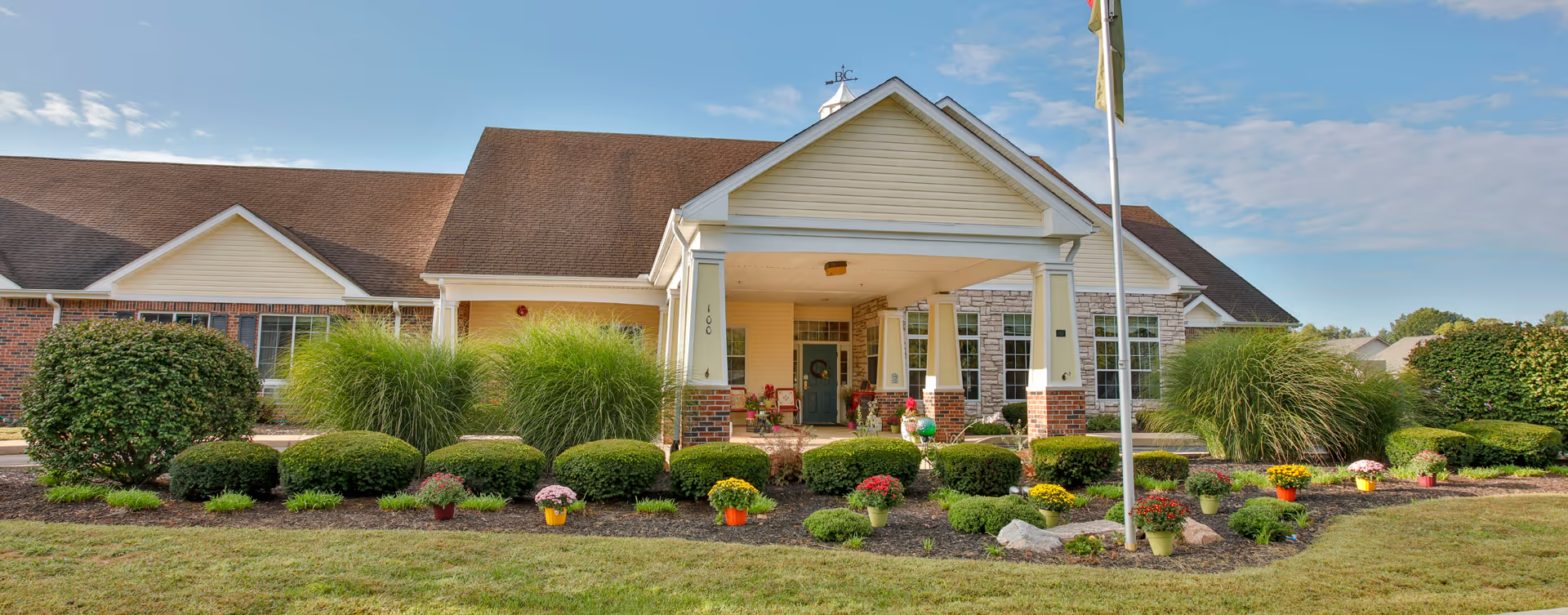
Facilities and operations: Physical space elicits mixed feedback. Some reviewers describe attractive common areas (including an aviary and outdoor spaces), while others note the building is older and in need of maintenance or updates. Accessibility and navigation present challenges for residents using walkers or mobility aids, and parking/site access was flagged as limited. Front-desk coverage and reception staffing were described as inconsistent, which can affect first impressions and daily operations.
Management and governance: Admissions and clinical leadership receive commendation, but there are questions about broader management competence and financial practices. Concerns about business/financial transparency and administrative responsiveness were raised and should be part of conversations during a tour. Prospective residents and families should ask about staffing levels, maintenance plans, payment options, and how the facility addresses communication and responsiveness concerns.
Bottom line: Asbury Towers demonstrates clear strengths in direct care, rehabilitation, and resident programming, making it a compelling option for families prioritizing clinical quality and active social engagement. Prospective residents should weigh those strengths against known operational issues — accessibility, parking, building age, front-desk coverage and administrative processes — and verify current conditions and remediation plans during an in-person visit.