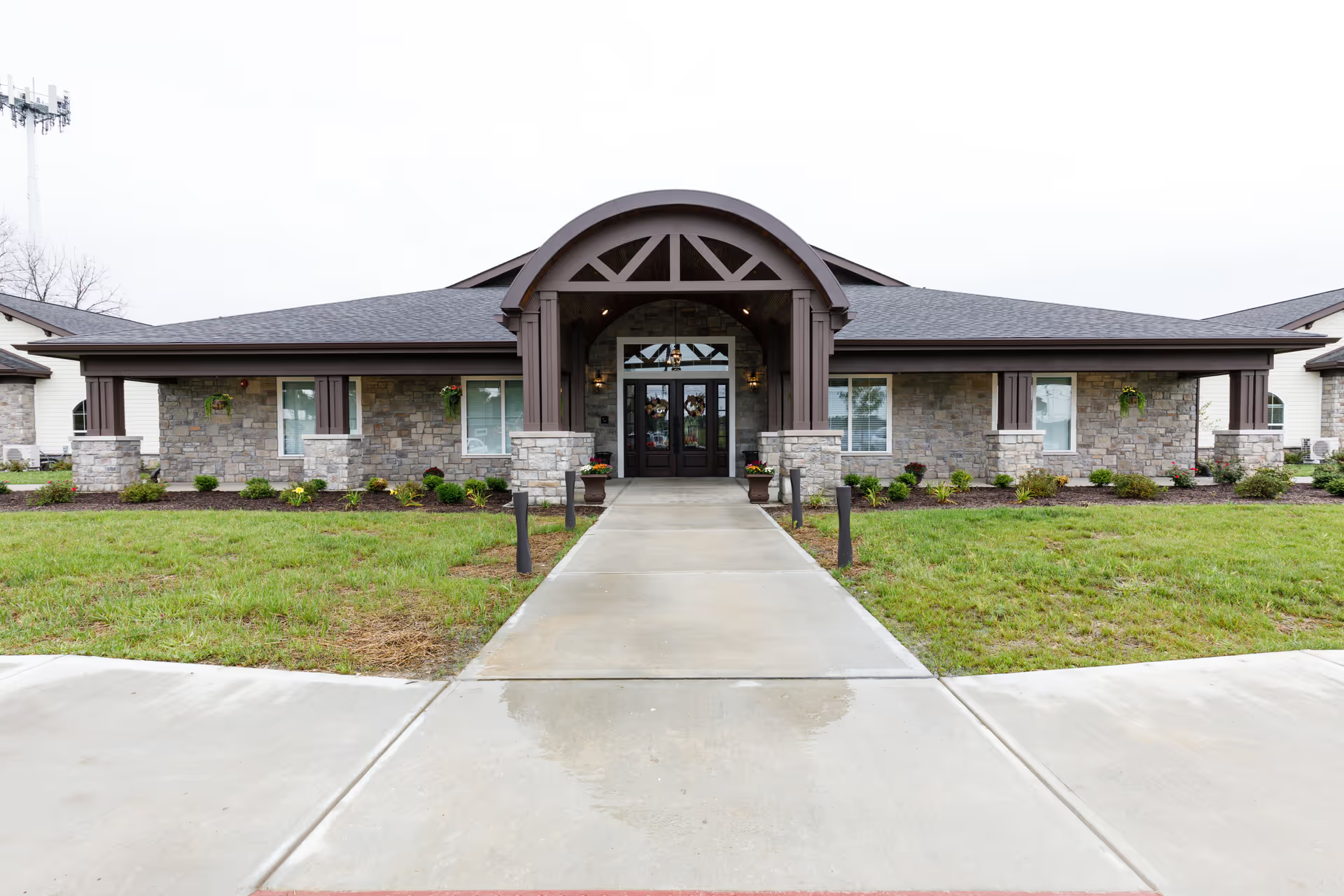
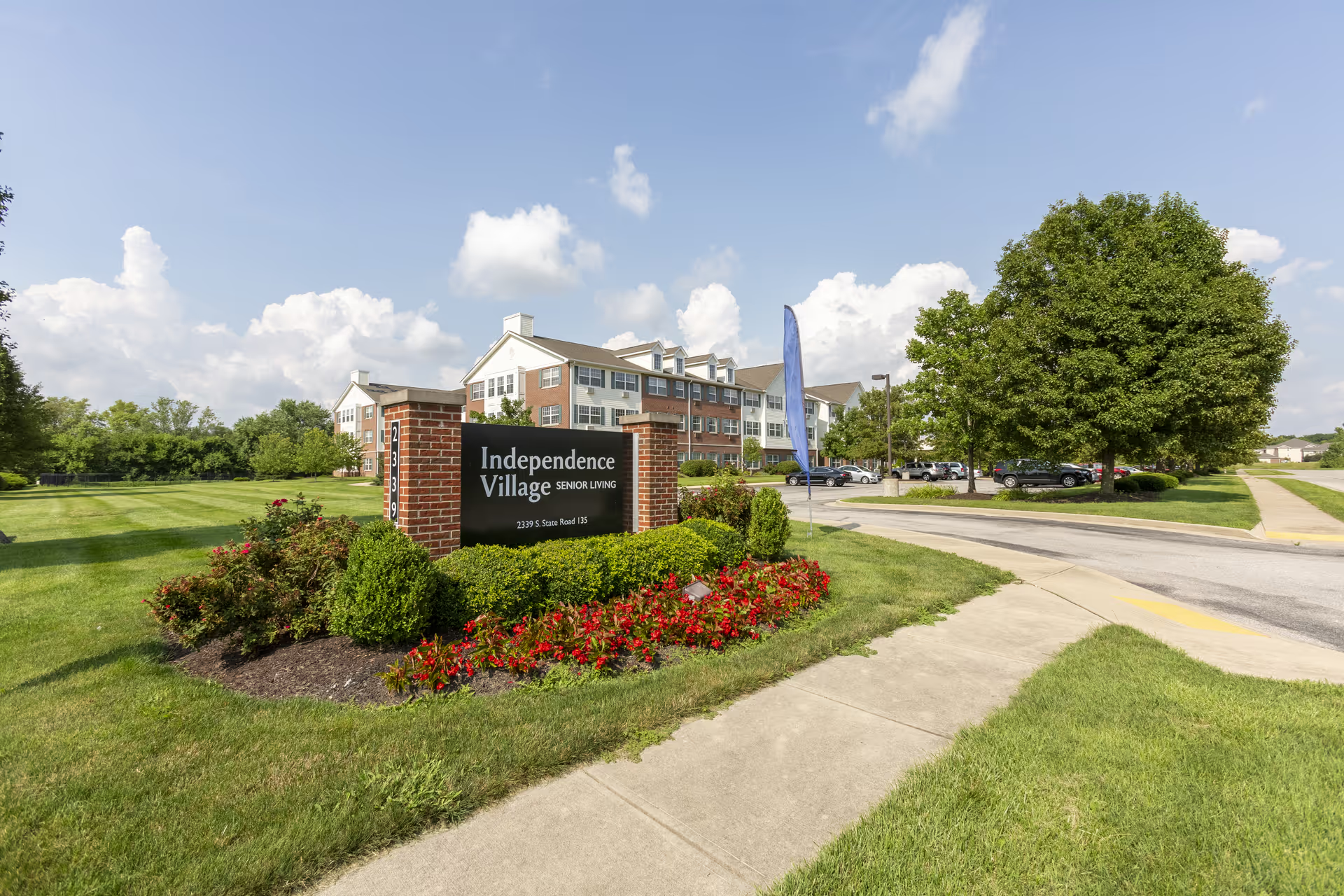
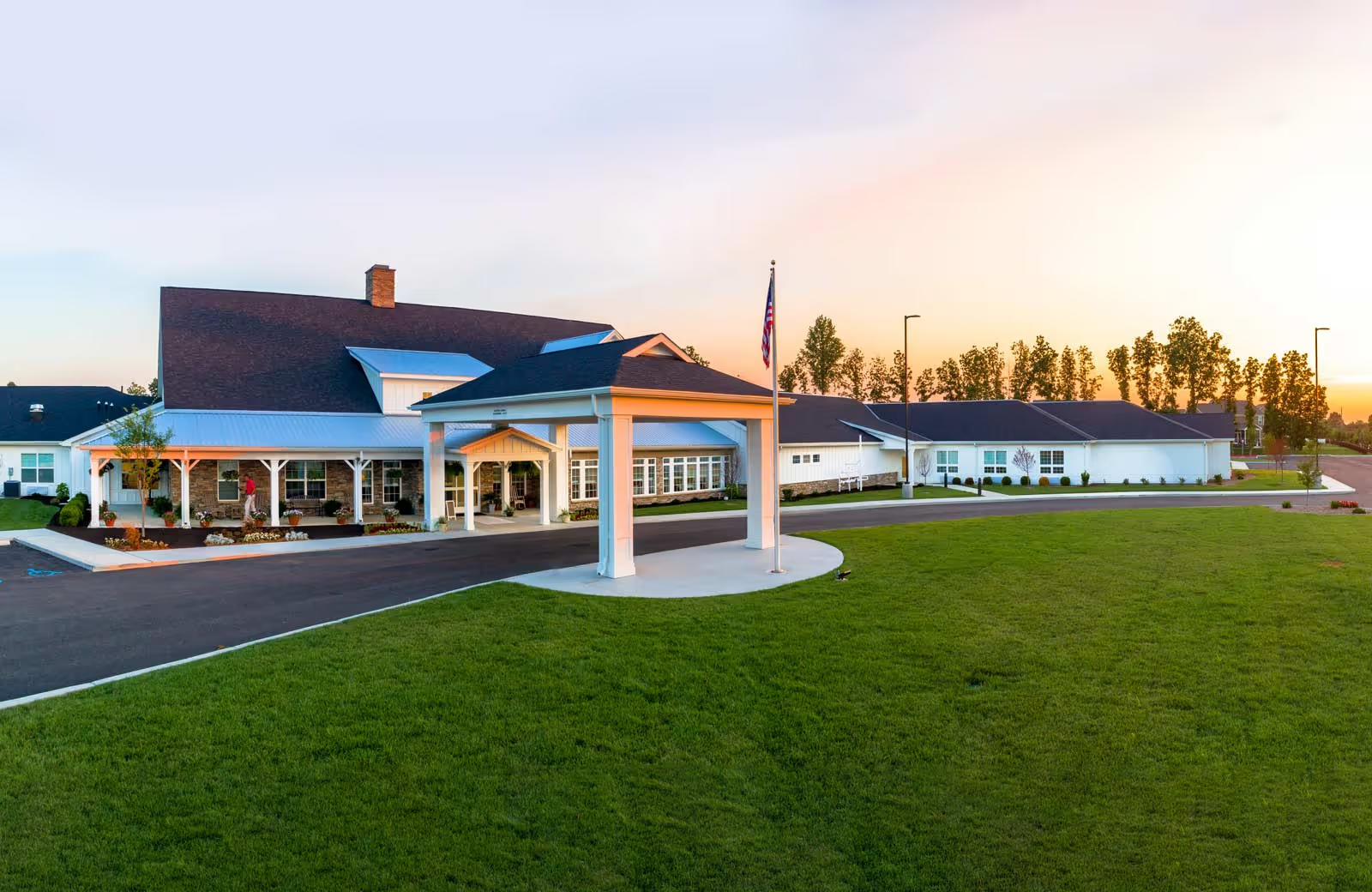
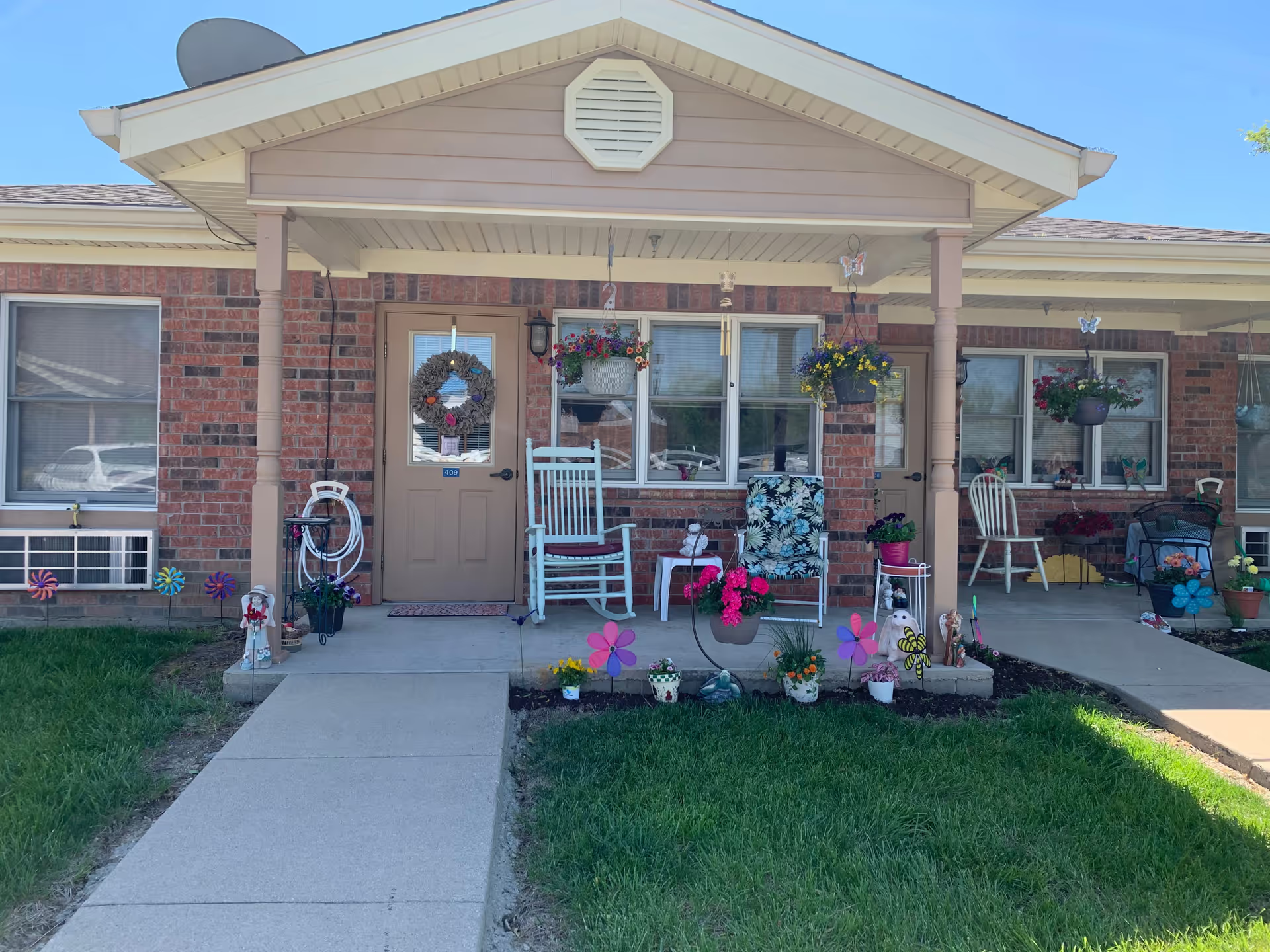
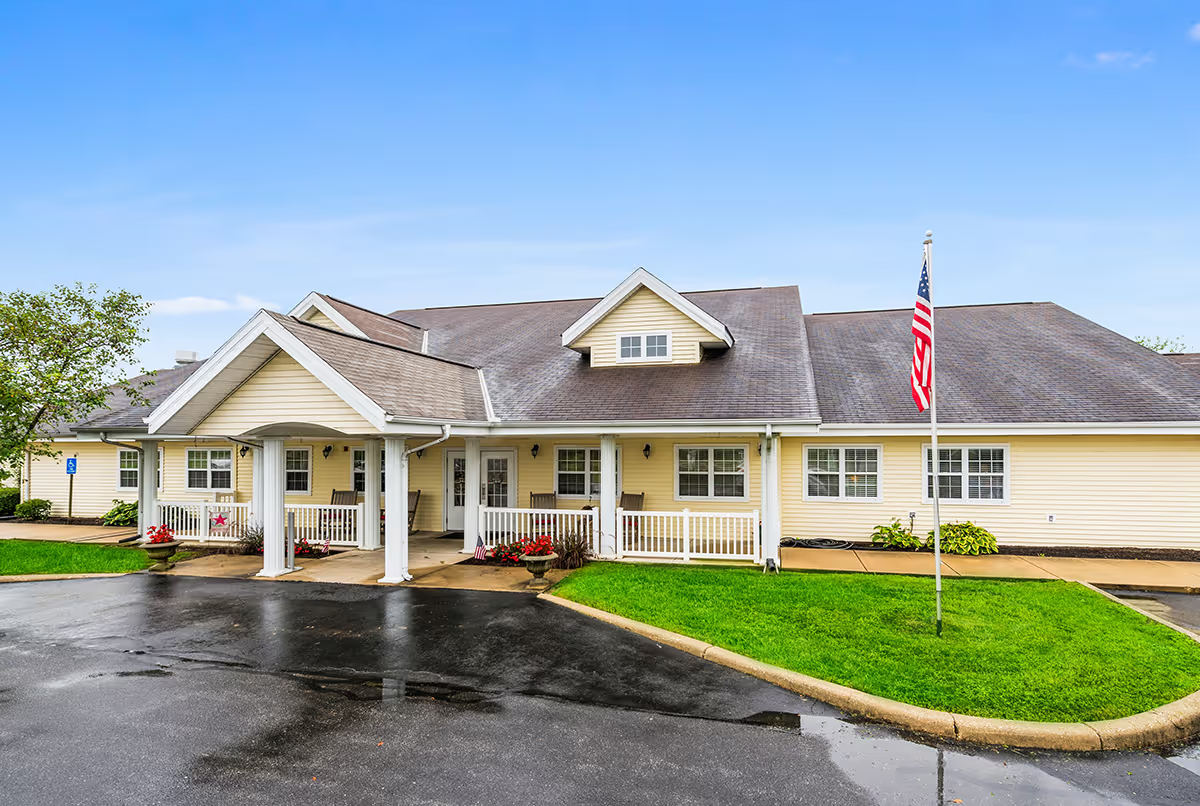
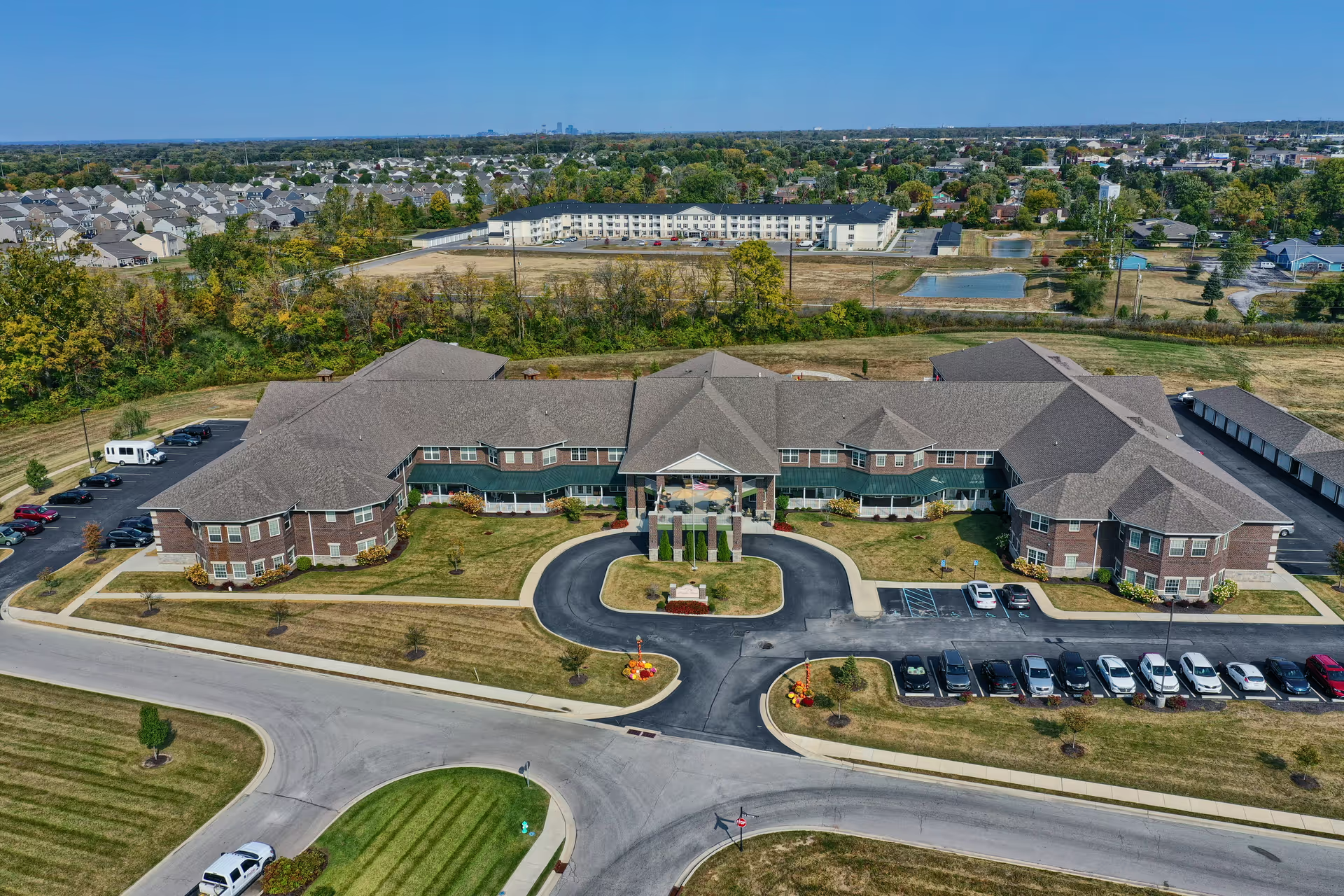
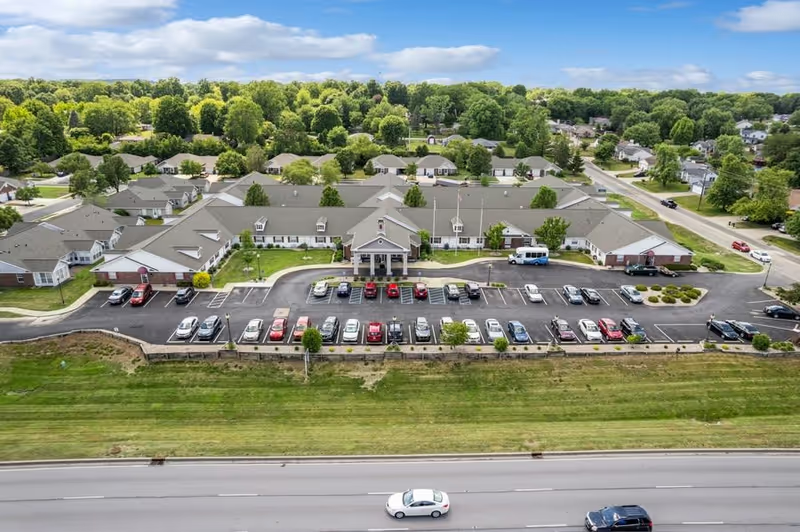
Overall impression: Aspen Trace presents as a modern, well-appointed community with many physical amenities that families find reassuring. Multiple reviewers praised the attractive, hotel-like environment, spacious private rooms with natural light, apartment-style living options (including kitchenettes and in‑room appliances), and a variety of on-site amenities such as a theater, library, and activity rooms. Maintenance and housekeeping are frequently described as responsive, and admissions/intake staff are often highlighted as helpful. When operations are functioning well, reviewers describe an active social program, pleasant dining rooms, and effective therapy services that support rehabilitation goals.
Care quality and clinical operations: Reviews reveal a notable inconsistency in clinical care and care-plan execution. Positive accounts include strong, professional physical and occupational therapy and caring direct-care aides; however, other families reported delays or omissions in personal care tasks, missed or delayed medications, and failures in equipment management (for example, oxygen delivery). There are also accounts of delayed diagnostic actions and hospital transfers. These accounts suggest variability in clinical oversight, handoff communication between shifts, and procedural adherence. There are also serious concerns raised by some families about safety incidents and about outcomes following a resident hospitalization or death; one review included an allegation about delayed emergency notification by a physician. Prospective families should regard clinical reliability and emergency procedures as areas for careful inquiry.
Staffing, communication, and management: Staffing levels and staff turnover emerge as recurring themes. Many reviewers praise the kindness and dedication of front-line aides, nursing staff, and specific employees (including maintenance and therapy personnel). At the same time, slow response times to call bells, perceived inattentiveness from nursing staff at times, and reports of staff appearing overextended are common. Communication gaps were noted between staff and families, especially following incidents or transfers, and some families described difficulties resolving billing or administrative questions. Taken together, the pattern points to uneven performance across shifts and units and variable responsiveness from management or corporate leadership when concerns are raised.
Dining, activities, and environment: Dining and activities evoke mixed feedback. Several reviewers enjoyed restaurant-style dining, scratch-made meals, active programming (bingo, church services, tea events, card games, puzzles), and the social atmosphere. Conversely, others experienced inconsistent food quality, meal-service disruptions (including tray delivery when dining rooms were closed), and limited access to amenities during infection-control periods. Activity offerings appear robust when staffed and scheduled, but availability has been affected at times by operational constraints.
Notable patterns and guidance for families: The overall pattern is one of a facility with strong physical resources and pockets of excellent service, offset by inconsistent operational reliability in clinical care, staffing, dining, and communication. Positive experiences often reference specific departments or employees that go above and beyond; negative experiences tend to describe systemic issues such as understaffing, communication breakdowns, and uneven clinical follow-through. For families considering Aspen Trace, recommended steps include: touring at different times of day, observing dining and activity periods, asking for up‑to‑date staffing ratios and turnover information, inquiring about medication‑management and equipment‑maintenance protocols (oxygen in particular), requesting examples of incident and family-communication procedures, reviewing billing and cohabitation policies, and checking how memory-care needs are assessed and supported. These targeted questions can help determine whether the facility’s operational consistency meets a prospective resident’s care needs.