The reviews portray a facility with a highly mixed performance profile: there are repeated accounts of strong, skilled care in specific units and by identifiable staff members alongside recurring operational weaknesses that affect resident safety, dignity, and family confidence. Clinical strengths include an apparent capacity for effective rehabilitation, notable speech and respiratory therapy interventions, and individual nurses and aides who provided attentive, compassionate care. Several reviews also praised the memory‑care program, engaging activities (including outings and on‑site programs), and attractive outdoor spaces such as an aviary.
At the same time, a consistent set of operational concerns emerges. Staffing and supervision are frequently described as inconsistent, with high turnover and staffing shortages that contribute to slow response times for call lights and delayed assistance. Reviewers describe gaps in clinical escalation and specialist access that, in some cases, led to late transfers to higher levels of care. Infection‑control practices and vaccination policies are areas of concern for families, and there are multiple references to inconsistent medication timing and administration.
Personal‑care and sanitation issues are another recurring theme. Accounts indicate irregular bathing schedules, incontinence‑care delays, and problems with laundry and personal‑belongings management. Related facility issues include sanitation and odor‑control concerns in specific areas, pest‑control and maintenance deficiencies, and occasional cleanliness variability between units. Several reviews also noted safety and equipment maintenance shortfalls — for example, missing or nonfunctional bed‑safety features and problems with respiratory equipment — that raise clinical safety questions.
Communication and management practices receive mixed feedback. Some families praise cohesive unit leadership, clear communication, and timely transfers to hospital when problems were identified; others describe weak family communication, exclusion from care planning, privacy process weaknesses, and a perception that higher management is inconsistent or profit‑driven. Weekend staffing and activity coverage are cited as inferior to weekday programming, and there are reports of pressure toward private‑pay rehab placement rather than reliance on available insurance benefits.
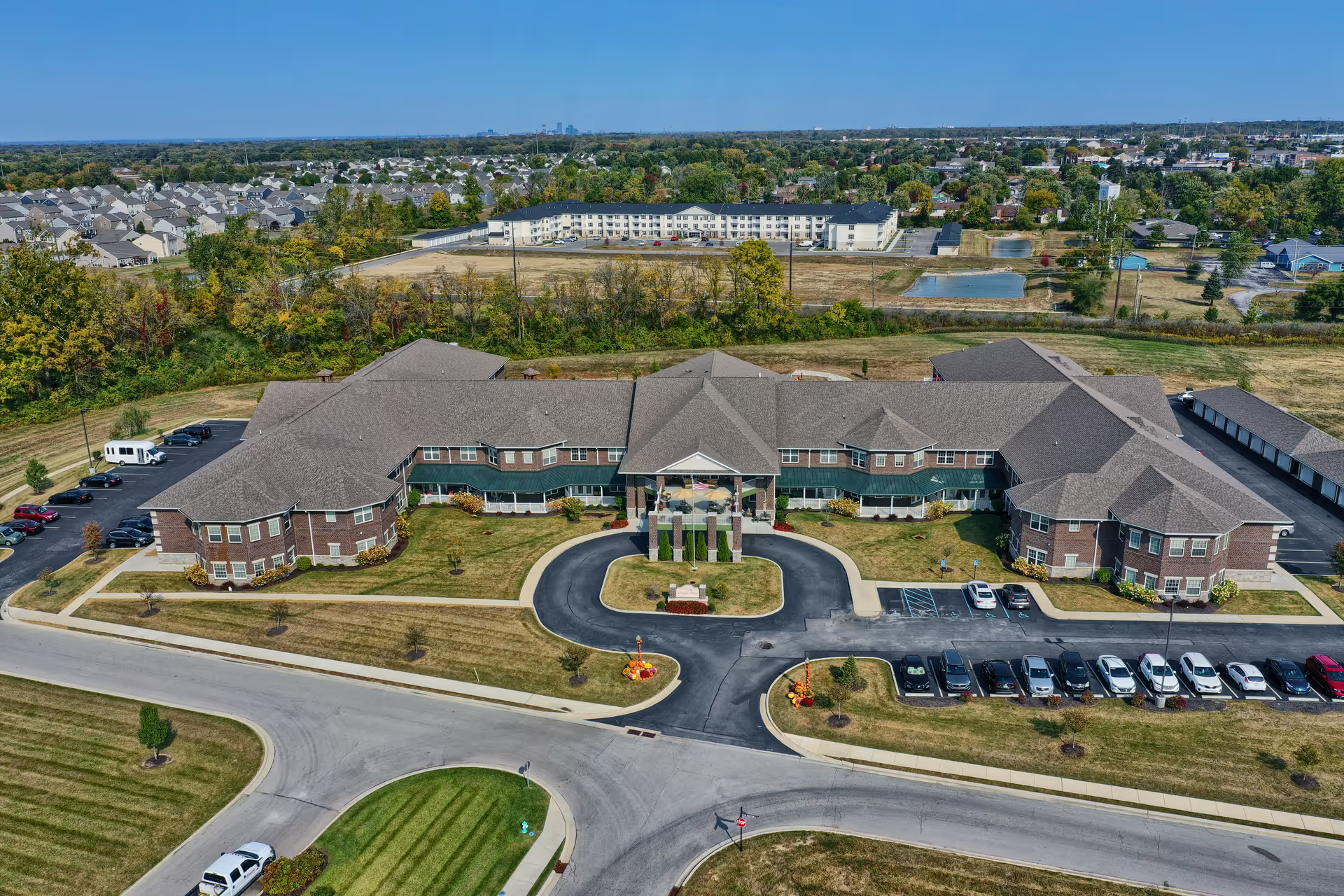
Dining and daily‑life concerns are also uneven. Many reviewers criticized food quality and meal continuity, while some highlighted positive meals and a capable chef. Activity programming and social opportunities are often described as strengths in some units but as limited — especially on weekends — in others. Facility condition is described as aging in places: rooms and equipment sometimes need repair, and double‑occupancy rehab rooms are considered small by some families.
Taken together, the pattern is of a facility that provides strong, compassionate care in particular units and by specific staff members but that suffers from systemic operational inconsistencies. Key areas for prospective residents and families to explore during a tour and intake conversation are staffing ratios/turnover, clinical escalation protocols, infection‑control and vaccination policies, medication administration practices, laundry and property procedures, and management’s plan for maintenance and pest control. Asking for written policies, recent inspection reports, and references to specific unit leaders may help identify where the facility’s strengths align with a prospective resident’s needs and where risk mitigations may be required.