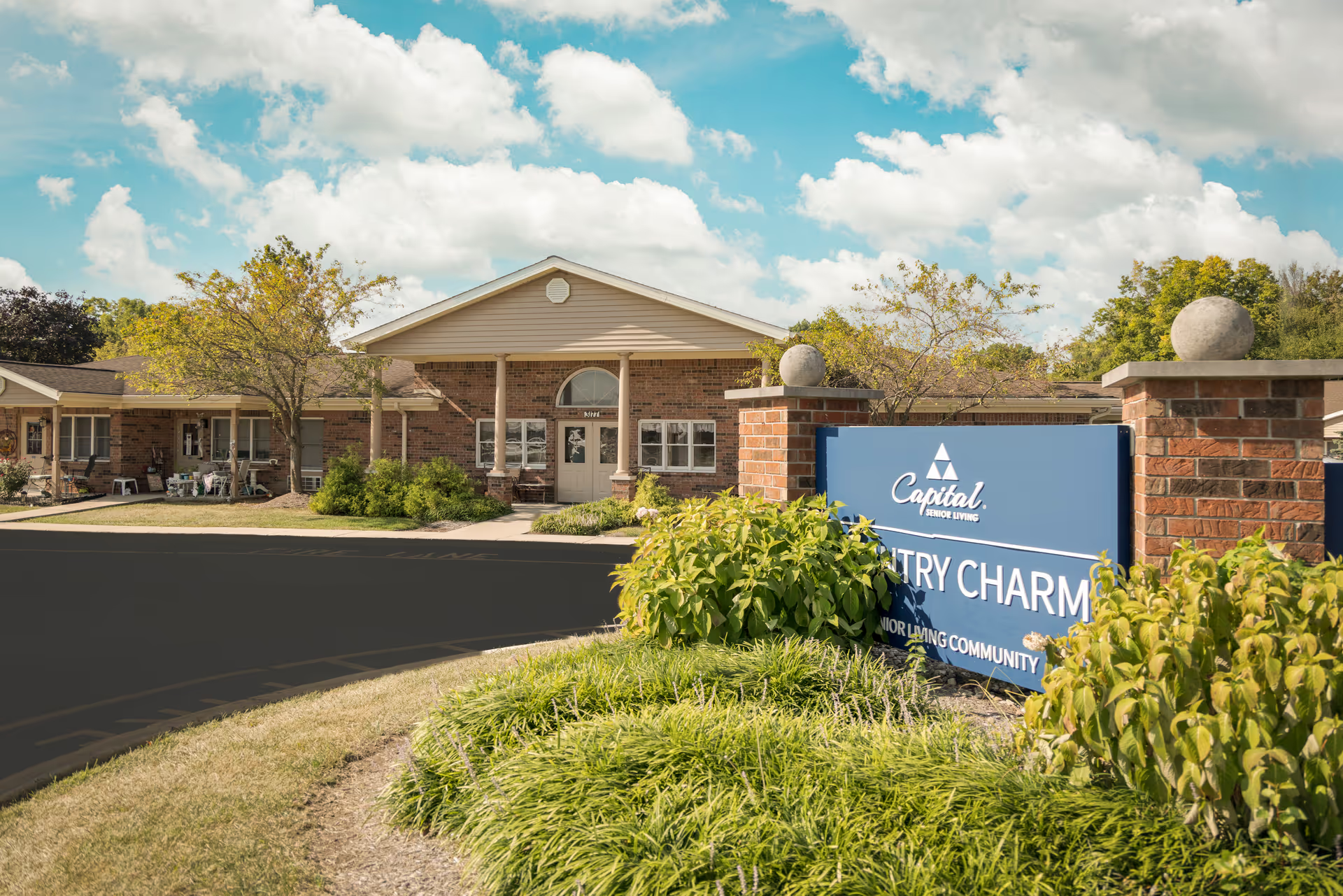
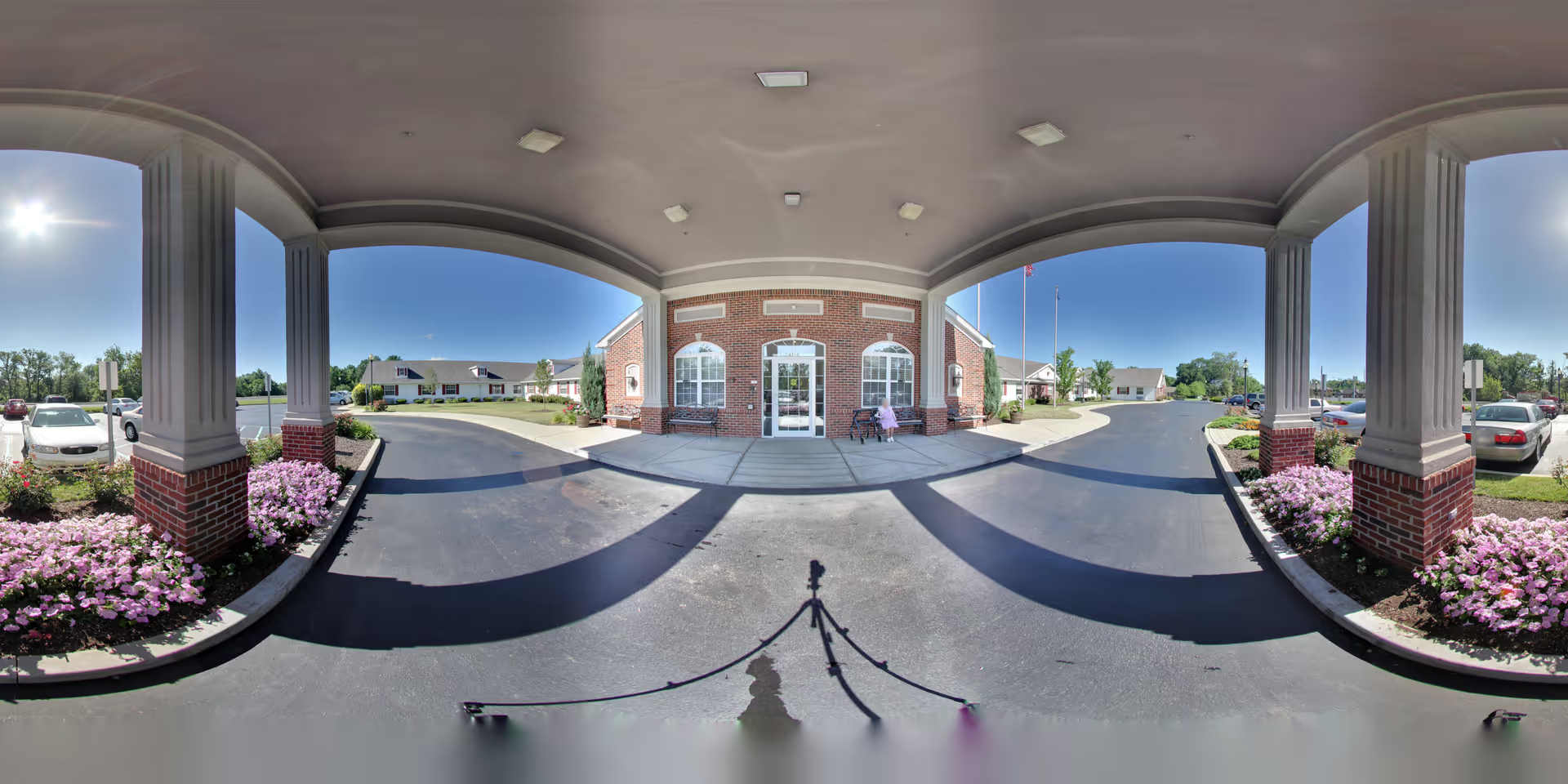
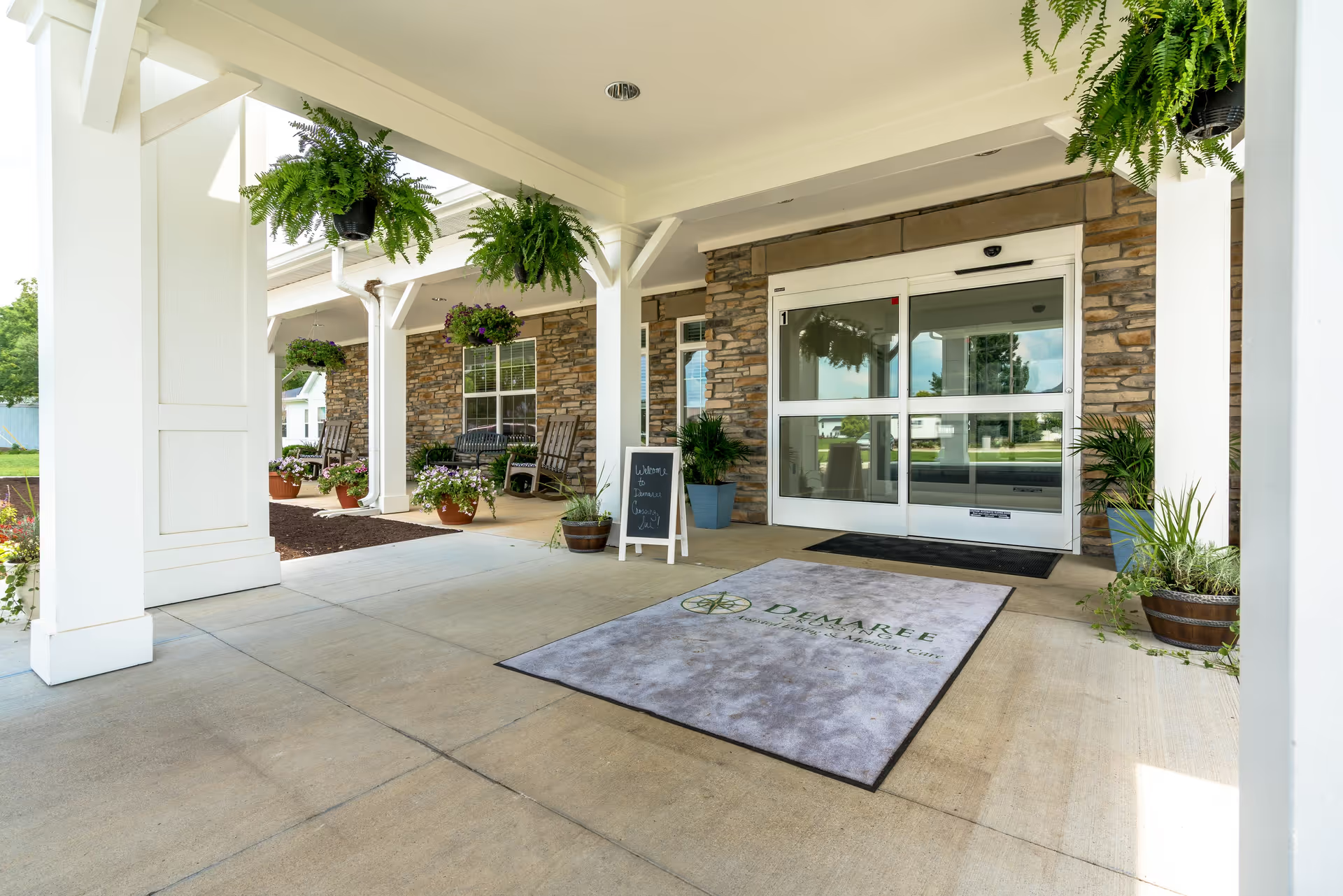
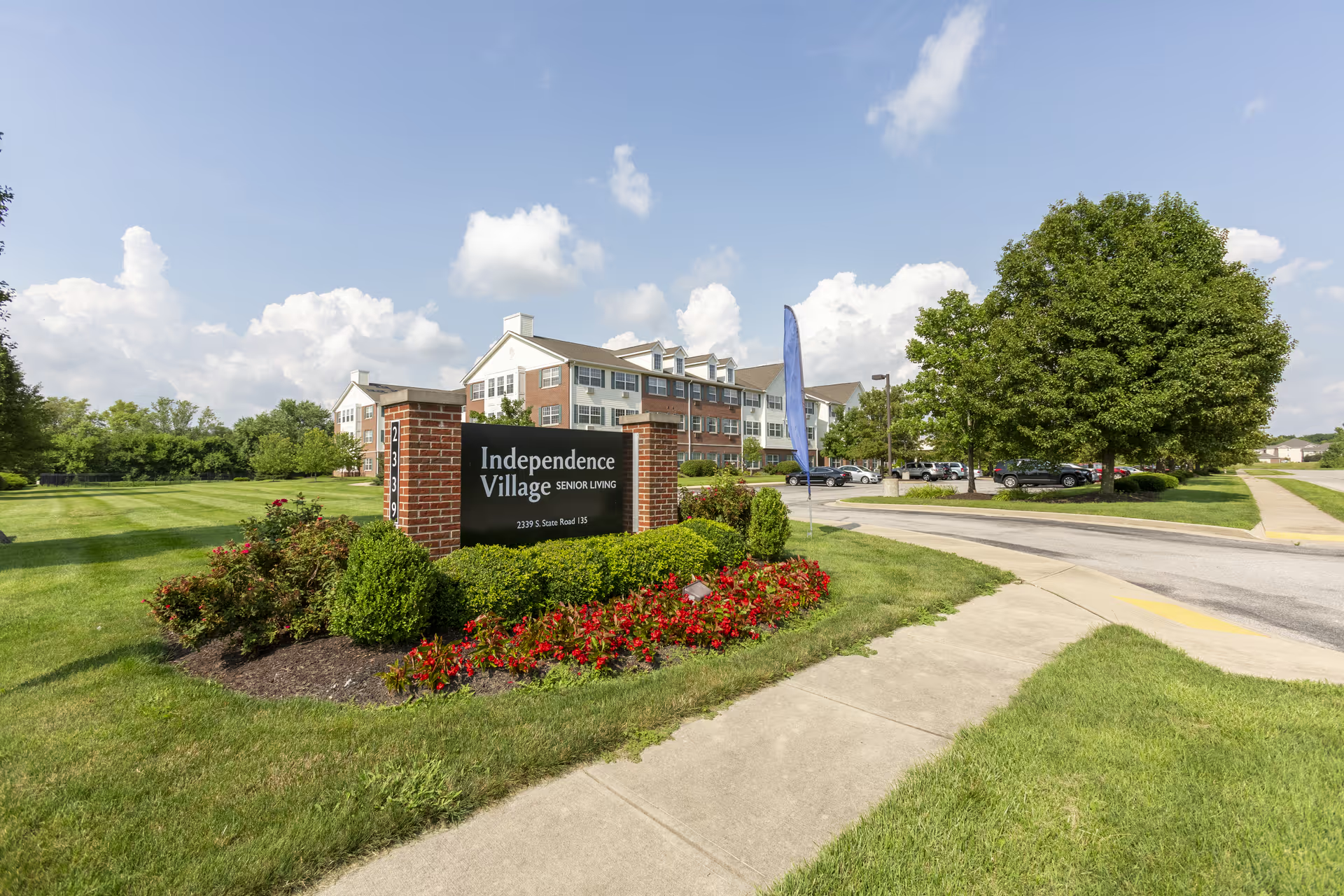
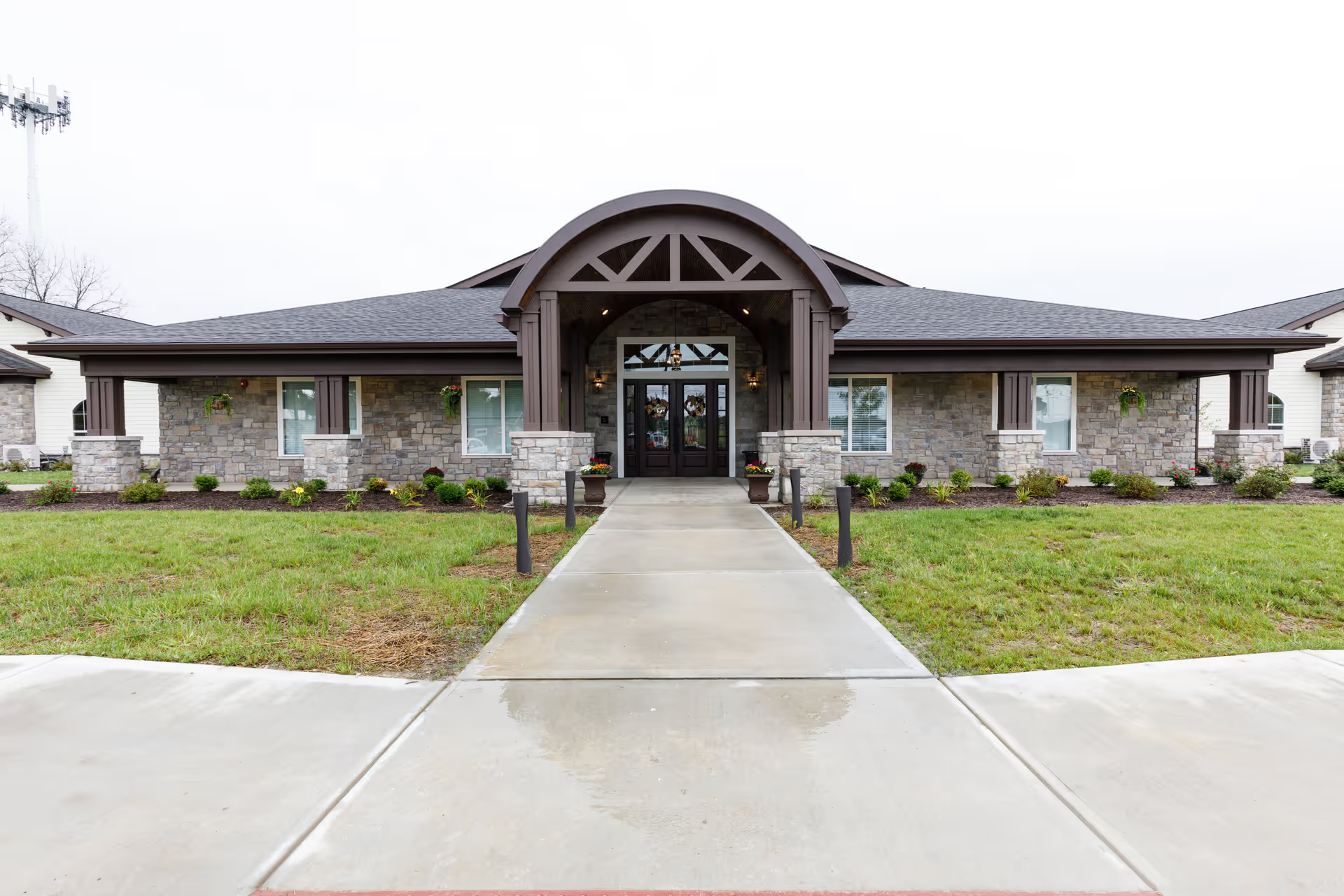
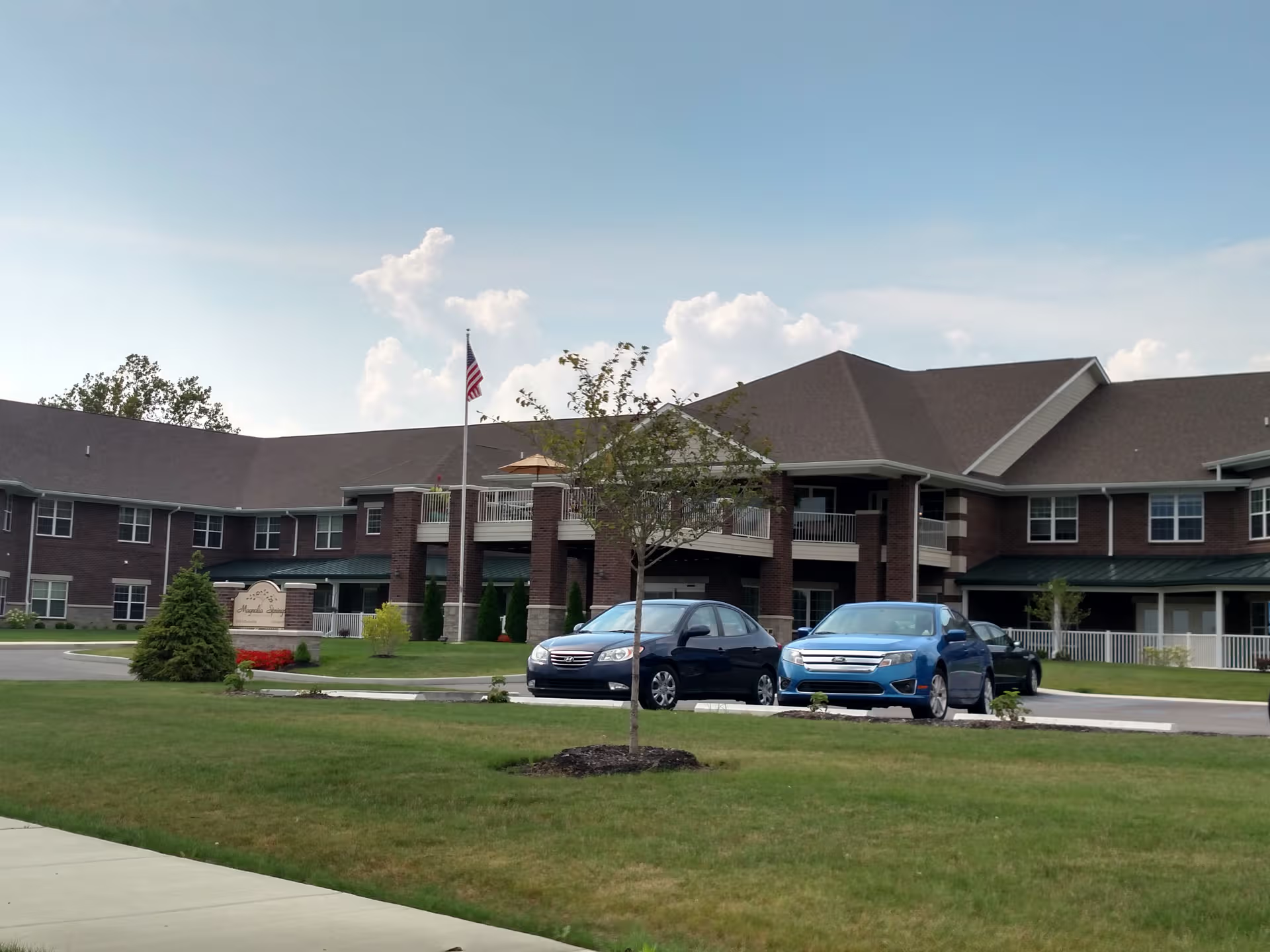
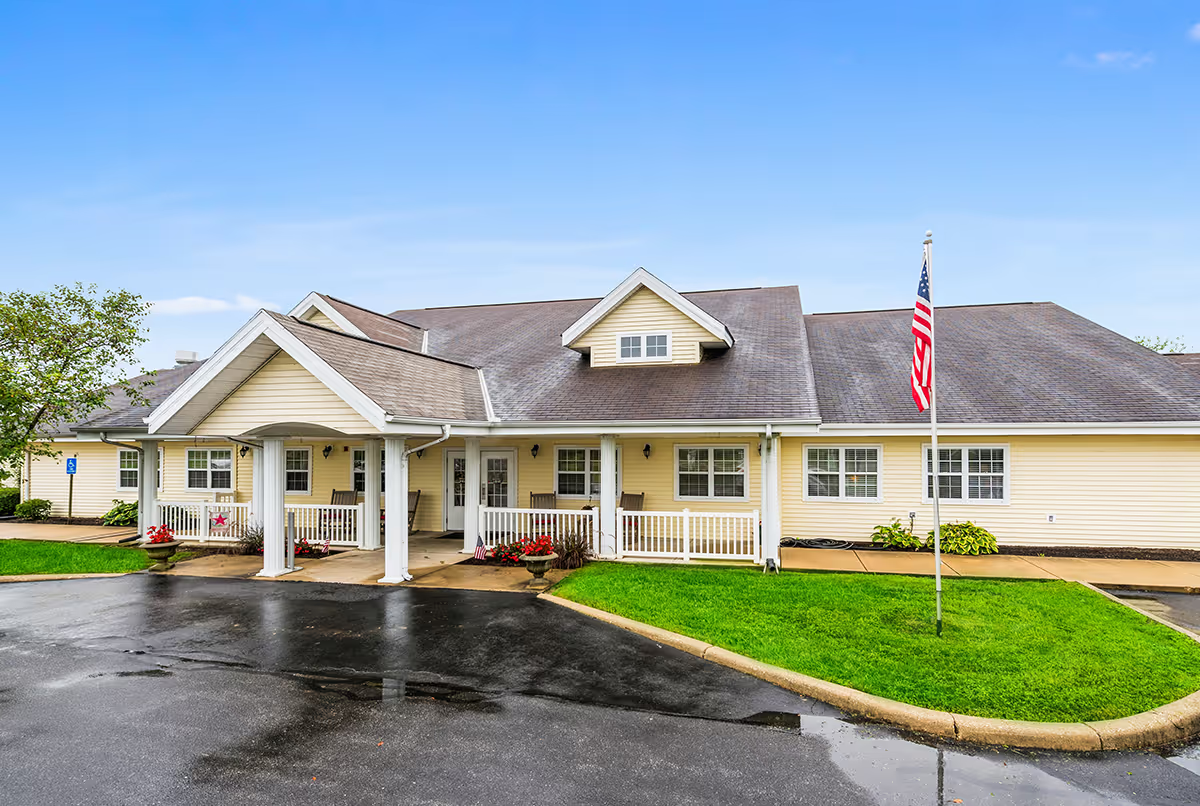
The reviews present a mixed but informative picture. Many families and residents praise Greenwood Meadows for its strong rehabilitation services, active programming, and generally pleasant physical environment. The facility receives frequent positive comments about its therapy staff (PT/OT), rehabilitation focus, and successful transitions from rehab to skilled care. Common-area spaces, dining room aesthetics, natural light, courtyards, holiday decorations, and community-oriented offerings (music visits, pet visits, church services, outings) are repeatedly described as strengths that contribute to a cheerful, apartment-like atmosphere for residents.
Direct-care staff often receive credit for compassion and attentiveness: aides and certain nurses are singled out for respectful, person-centered interactions, support during family visits, and accommodation of individual needs. Social work and administrative team members are also noted as helpful when coordinating in-home services or addressing family concerns. Several reviews highlight on-site clinical presence (nurse practitioner and physicians) and proactive communication by staff when care is going well.
However, a distinct set of operational concerns appears across reviews and creates a polarized experience. The primary clinical pattern involves inconsistent nursing coverage and oversight, with attendant gaps in medication administration and documentation. Families also describe variability in responsiveness to assistance requests and call lights, and inconsistent delivery of personal care (bathing frequency, linen changes). These issues are linked in some accounts to transfer- and equipment-safety shortcomings and to a perception that memory-care services are not uniformly effective; the memory-care unit is described as small and performance there appears uneven.
Dining and housekeeping show similar variability: while the dining room and food presentation receive favorable remarks from some, others note cold meals, insufficient dining staff, and occasional sanitation or pest-control concerns in common areas. Facility infrastructure is described as uneven — public spaces and therapy areas appear updated and well-kept, whereas some resident rooms and medical equipment are characterized as older or needing repair. Management responsiveness is also mixed: several families report that issues were addressed when raised, but others feel problems persisted or were insufficiently documented.
For prospective residents and families, the overarching pattern is one of notable strengths in rehabilitation, activities, and community life, paired with operational inconsistencies affecting clinical oversight, personal care routines, and certain safety processes. When evaluating Greenwood Meadows in person, consider observing nurse-to-resident staffing levels at different times of day, asking about medication-administration and documentation protocols, reviewing recent inspection or complaint histories, inspecting the specific room(s) under consideration for equipment condition, and discussing dementia-care staffing and unit size. A focused tour that includes the memory-care unit, therapy gym, dining during a meal service, and conversation with social work/clinical leadership will help determine whether the facility’s strengths match your relative’s needs and whether the operational risks are being actively managed.