The reviews present a mixed picture of Highland Nursing & Rehab, with clear strengths in rehabilitation and day-to-day caregiving alongside notable operational and clinical governance concerns. Many families and residents praise the facility's therapy program and the caring demeanor of several staff members, while other accounts raise questions about consistent clinical coverage, personal-care practices, and management responsiveness.
Care quality: The facility appears to provide effective, individualized physical and occupational therapy in many cases; reviewers specifically cite skilled therapists, well-maintained equipment, and therapy plans that allow residents to progress at their own pace. At the same time, there are documented concerns about limited on-site medical coverage and access to specialty services (for example, wound care and nutrition support). Several accounts describe delays or gaps in attending to clinical problems and incontinence-care concerns. These mixed signals suggest that clinical experience can vary by unit, shift, or the presence of on-site clinicians.
Staff and communication: Staff behavior is described as a major driver of family satisfaction. Numerous reviews emphasize friendly, attentive caregivers who make residents feel supported; conversely, other families report poor communication, staff unresponsiveness to complaints, and a negative attitude from some aides. High staff turnover and limited leadership accessibility (for example, difficulty contacting the director) are recurring themes that likely contribute to variability in care and family experience.
Dining and activities: Dining is frequently noted as a positive feature — home-style meals served in a dining-room setting — though some reviewers think food quality could be improved or diversified. Activity programming includes regular offerings such as bingo and occasional outings; however, a portion of families felt activity variety and frequency were insufficient for some residents. Overall, social programming appears present and appreciated by many, but not uniformly robust for all residents' needs.
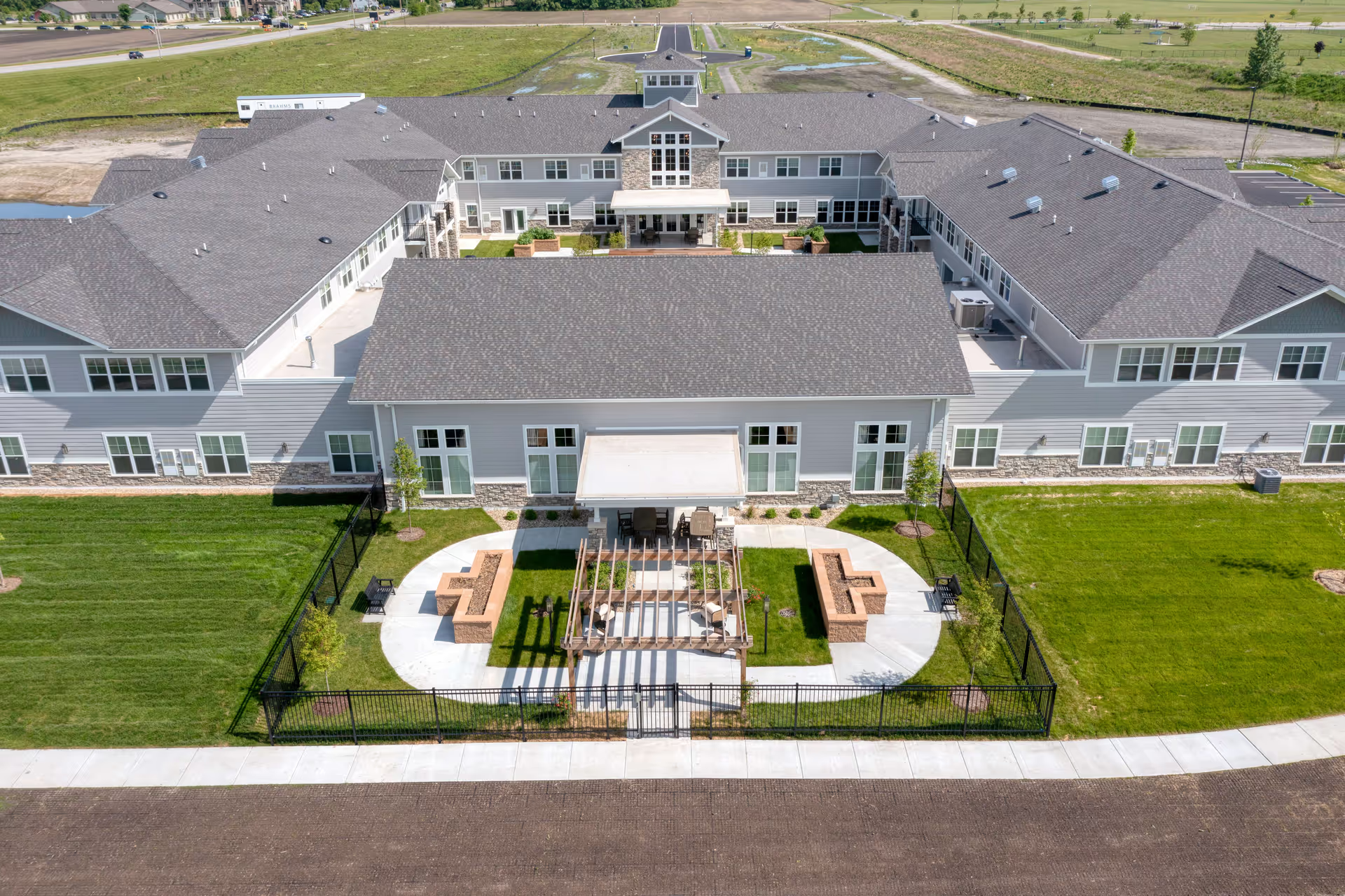
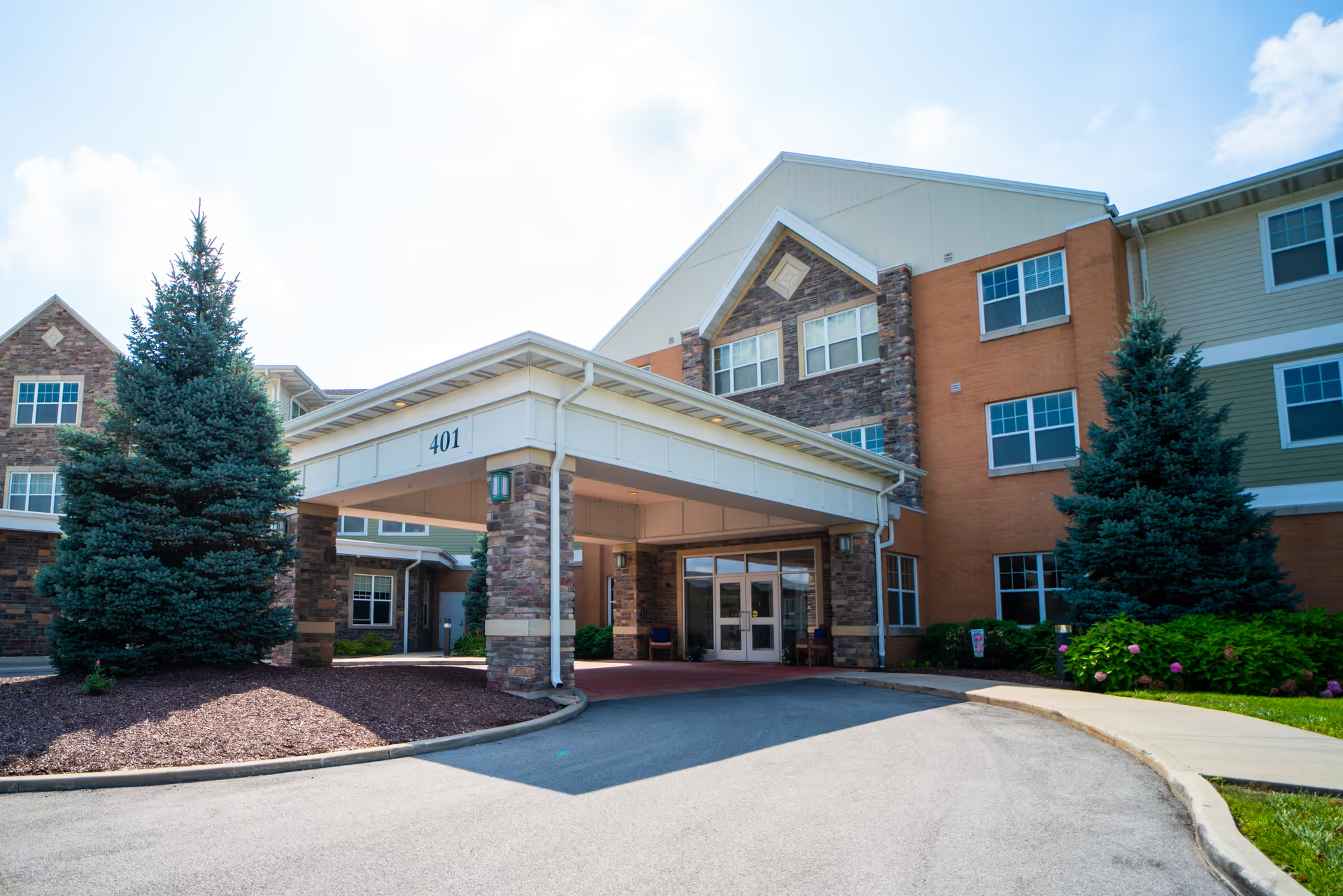
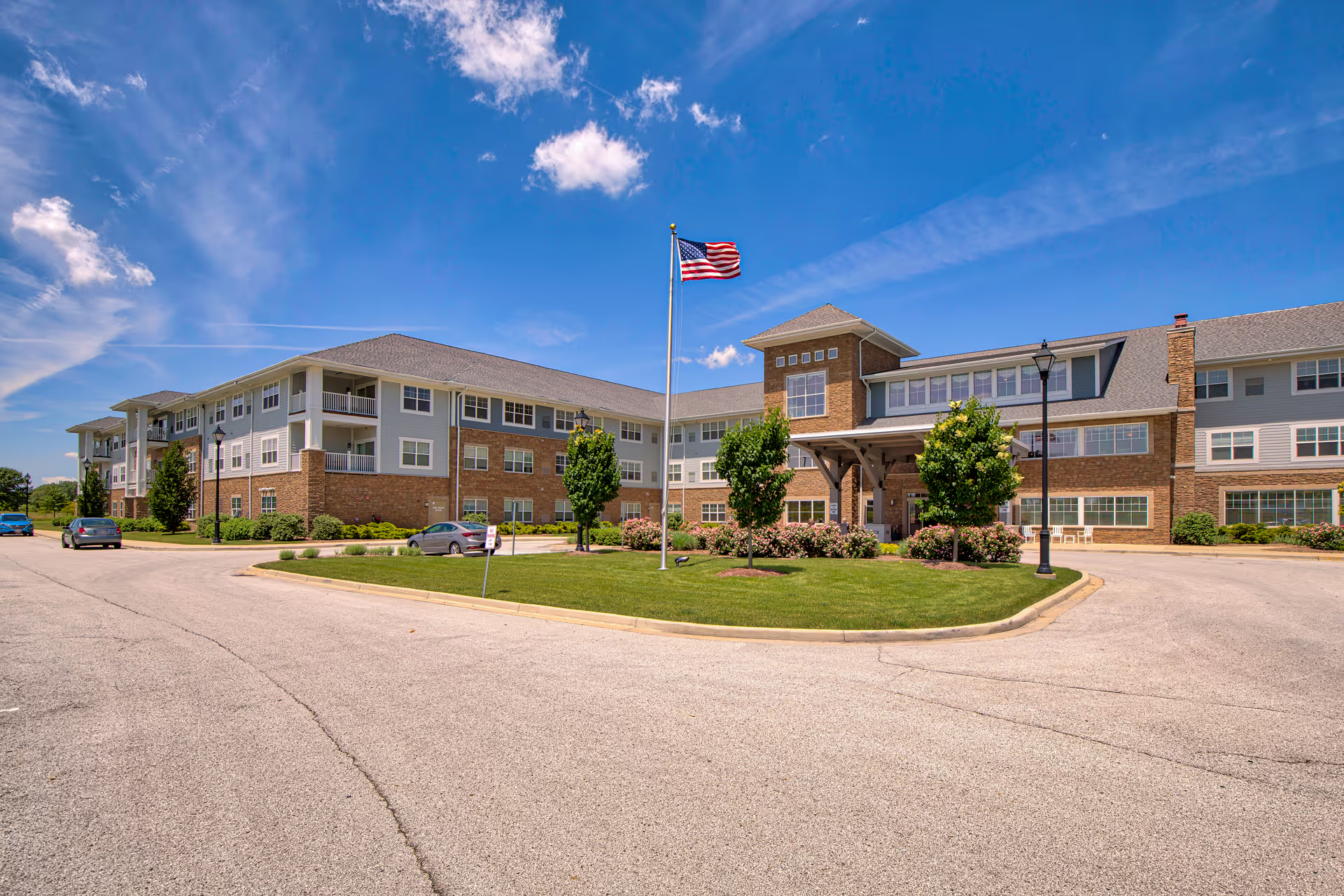
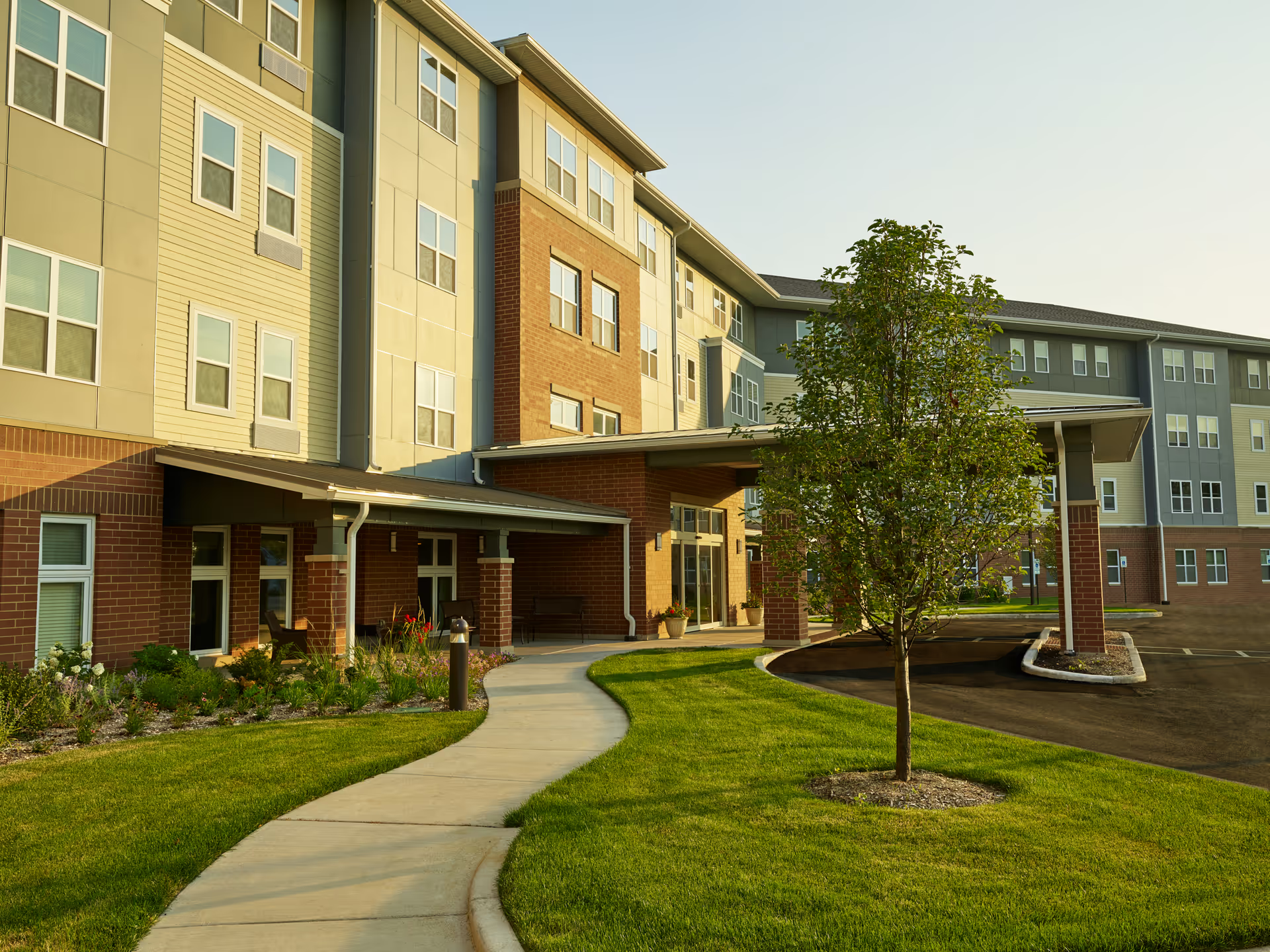
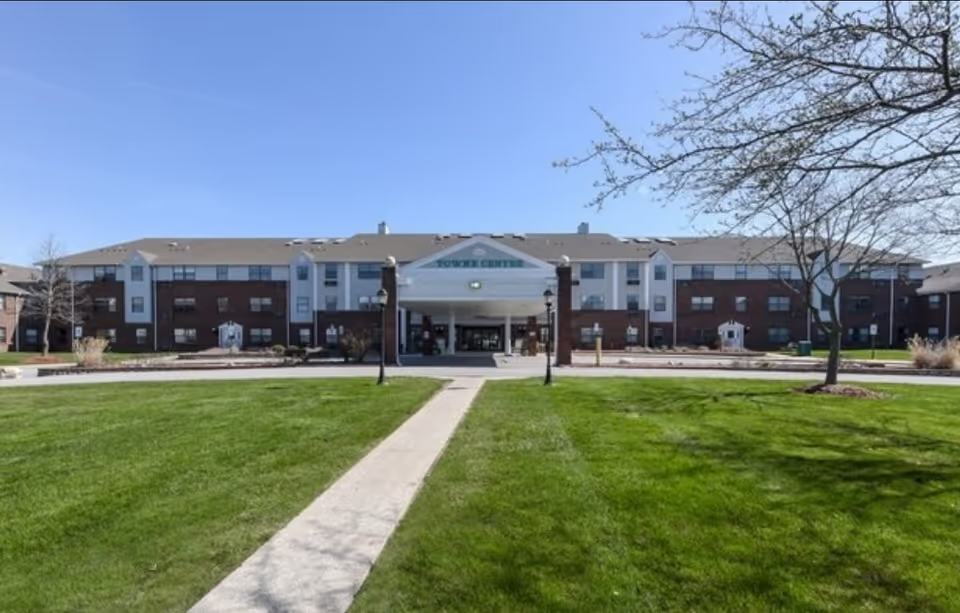
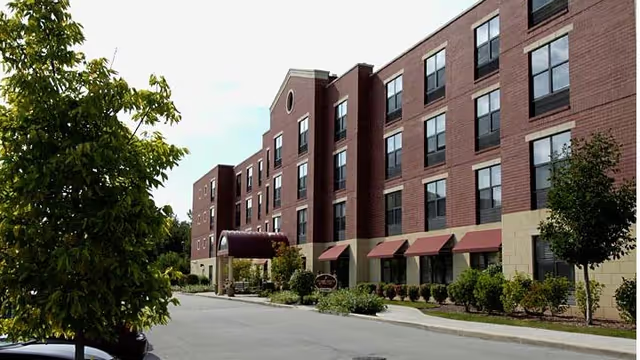
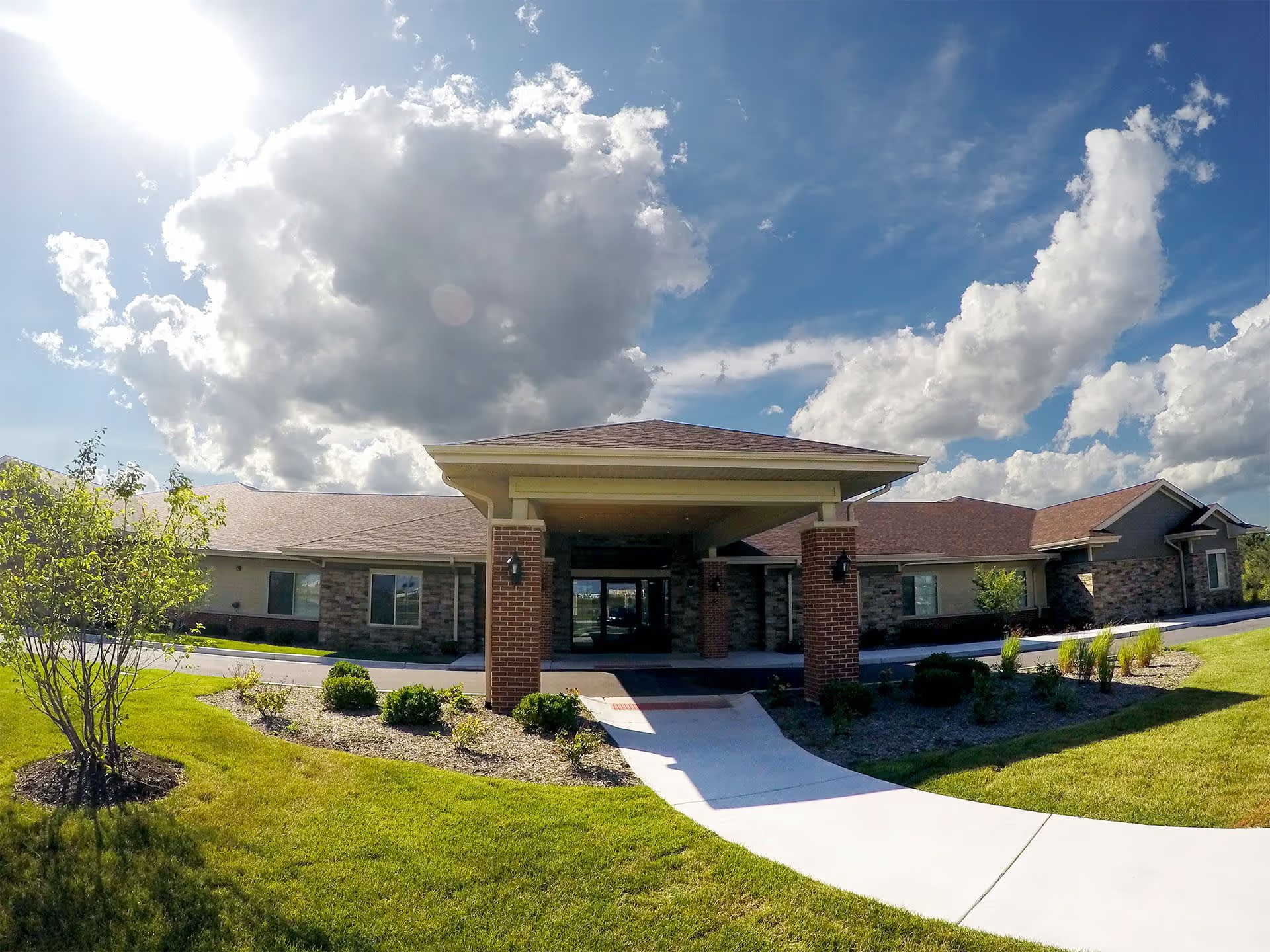
Facilities and maintenance: Internally the facility is commonly described as clean and orderly, with small rooms and sanitary bathrooms. At the same time, reviewers note an unappealing exterior and, more seriously, heating and infrastructure problems in resident rooms; these maintenance issues have been significant enough to prompt state-level attention in at least one account. Ambience is sometimes characterized as clinical rather than home-like in certain areas.
Management and governance: Several operational concerns recur across reviews: alleged alterations to medical records, perceived prioritization of insurance or revenue considerations, and policy or practice gaps around responding to family complaints. There are also identified service gaps such as a lack of dedicated wound-care clinicians or dietitian oversight. These governance and documentation issues are among the most serious themes and would merit direct follow-up by prospective families.
Notable patterns: The facility often performs well for short-term rehabilitation and for residents who benefit from focused PT/OT in a small, close-knit setting. However, families who require continuous clinical oversight, reliable specialty services, or consistently attentive personal care report mixed to negative experiences. Variability across shifts and staff likely explains many of the conflicting impressions.
For prospective residents and families: verify current on-site medical coverage and specialty services, ask about recent maintenance/ heating repairs and any regulatory findings, review the facility's documentation and complaint-resolution policies, and meet therapy and nursing staff across different shifts. Those prioritizing strong, individualized rehab in a small setting may find strengths here; those needing consistently available medical oversight and tightly managed personal-care routines should confirm those capabilities before admission.