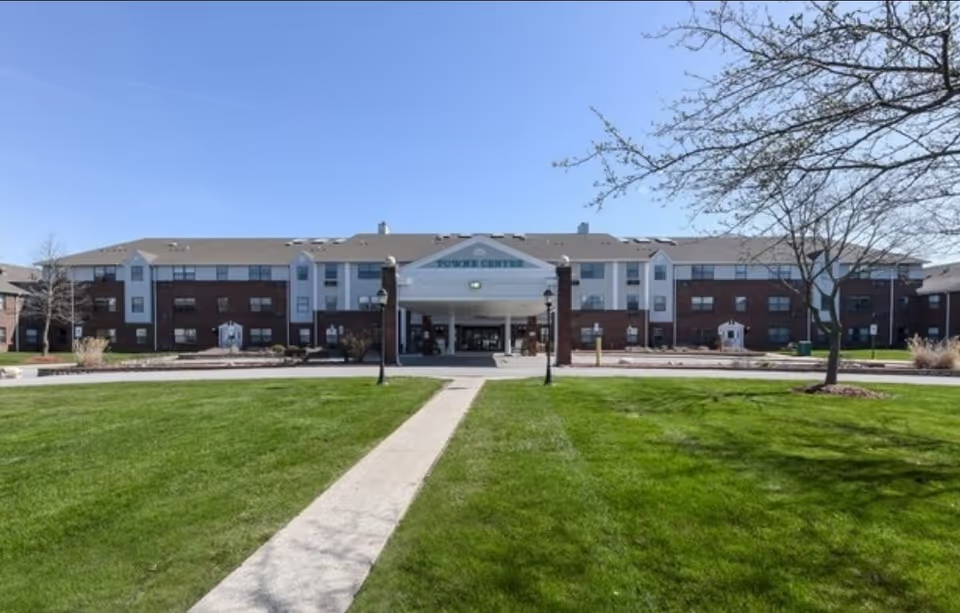
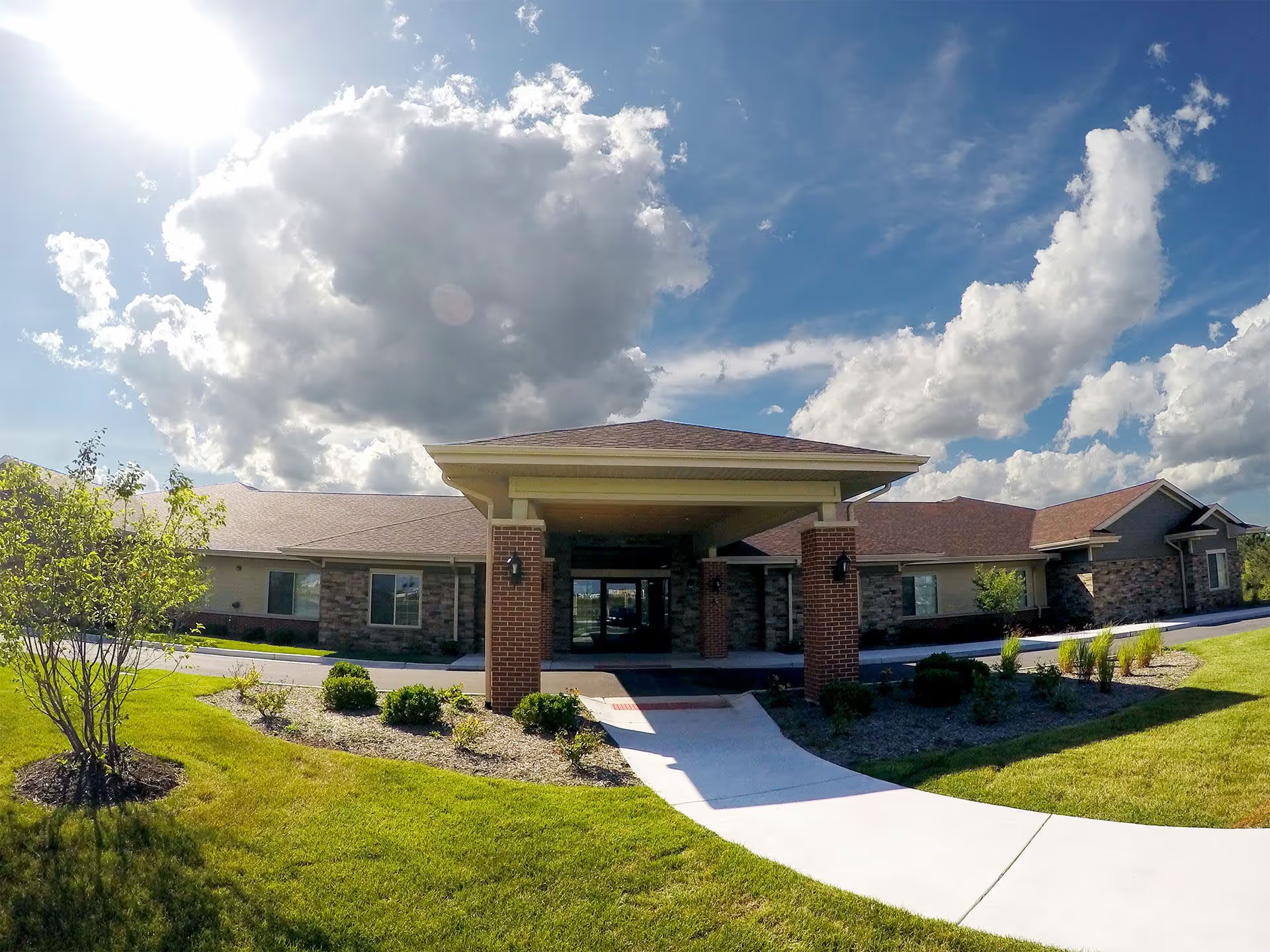
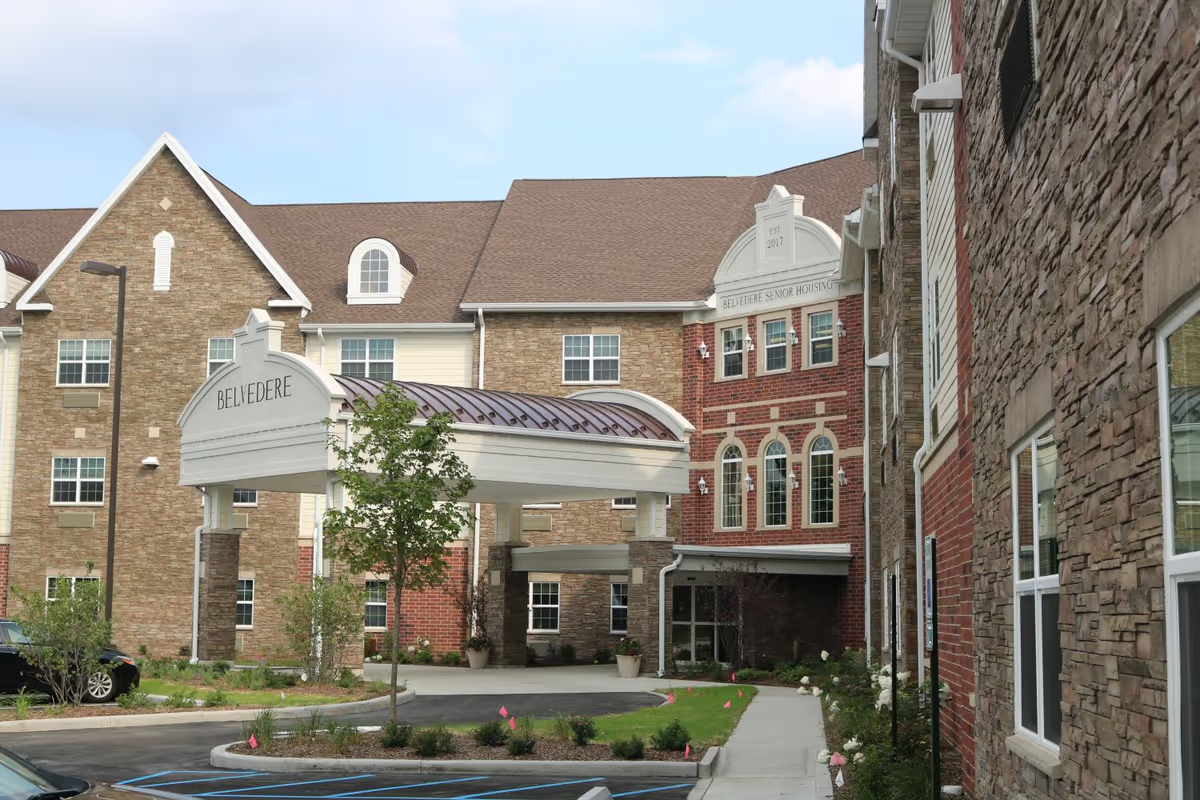
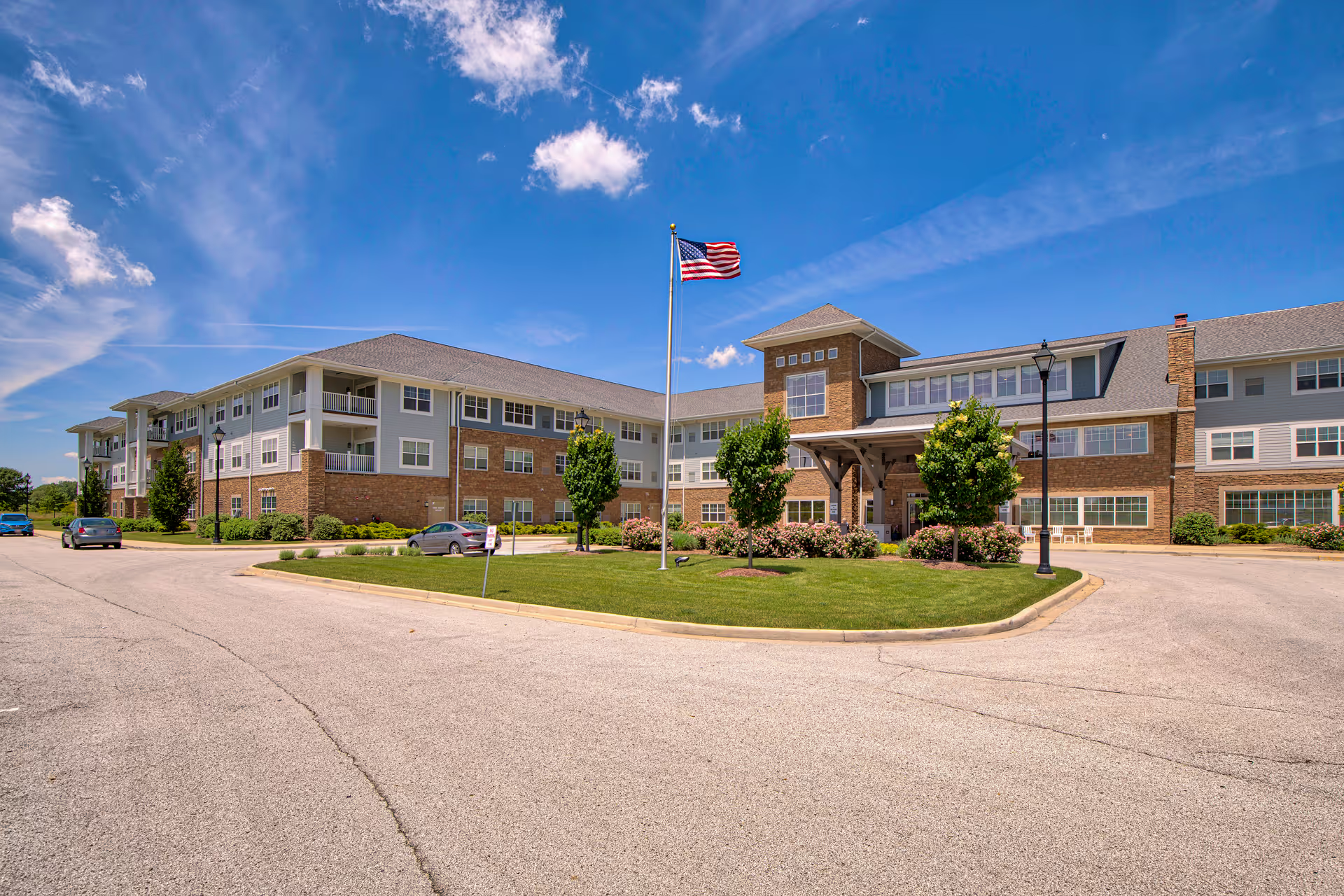
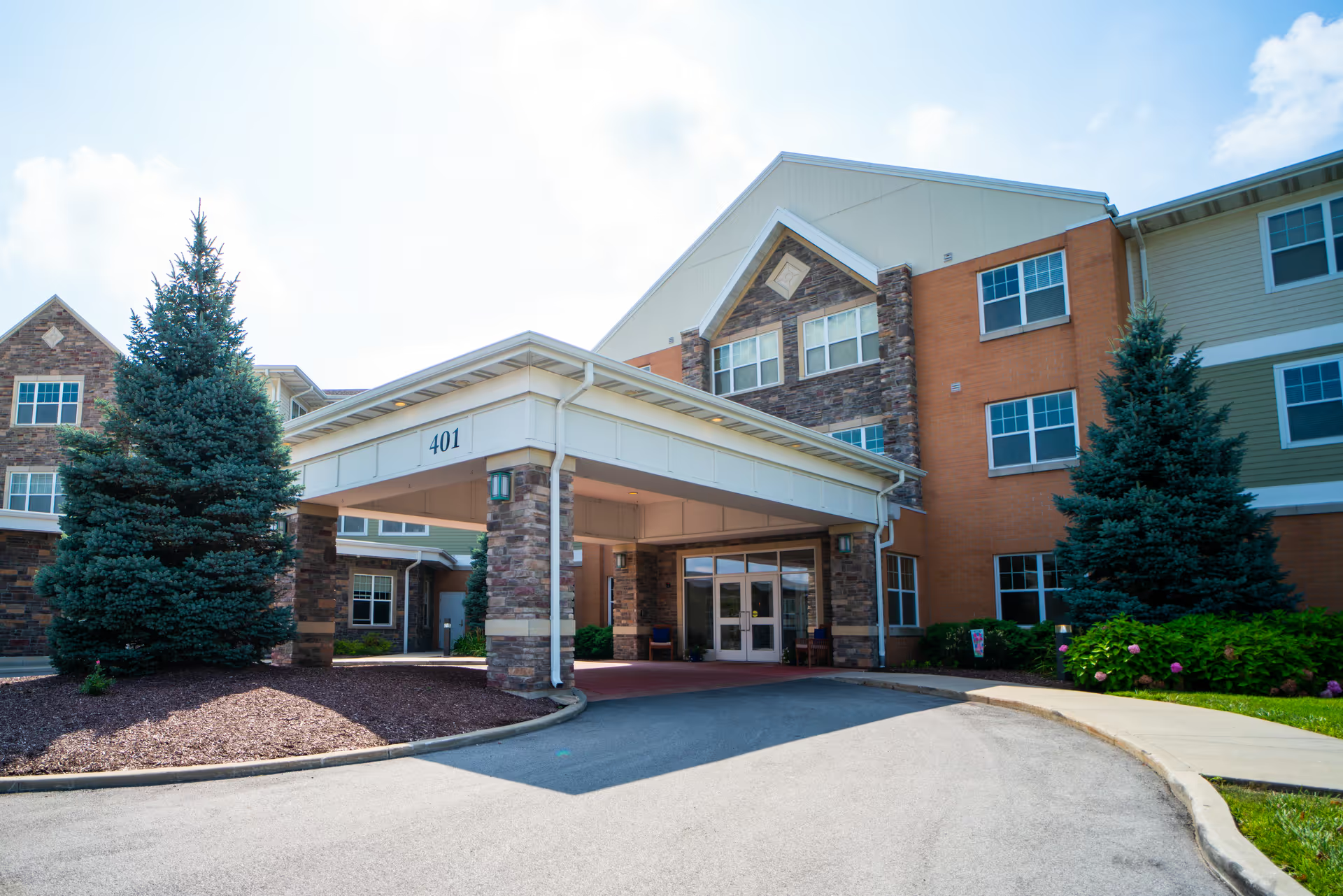
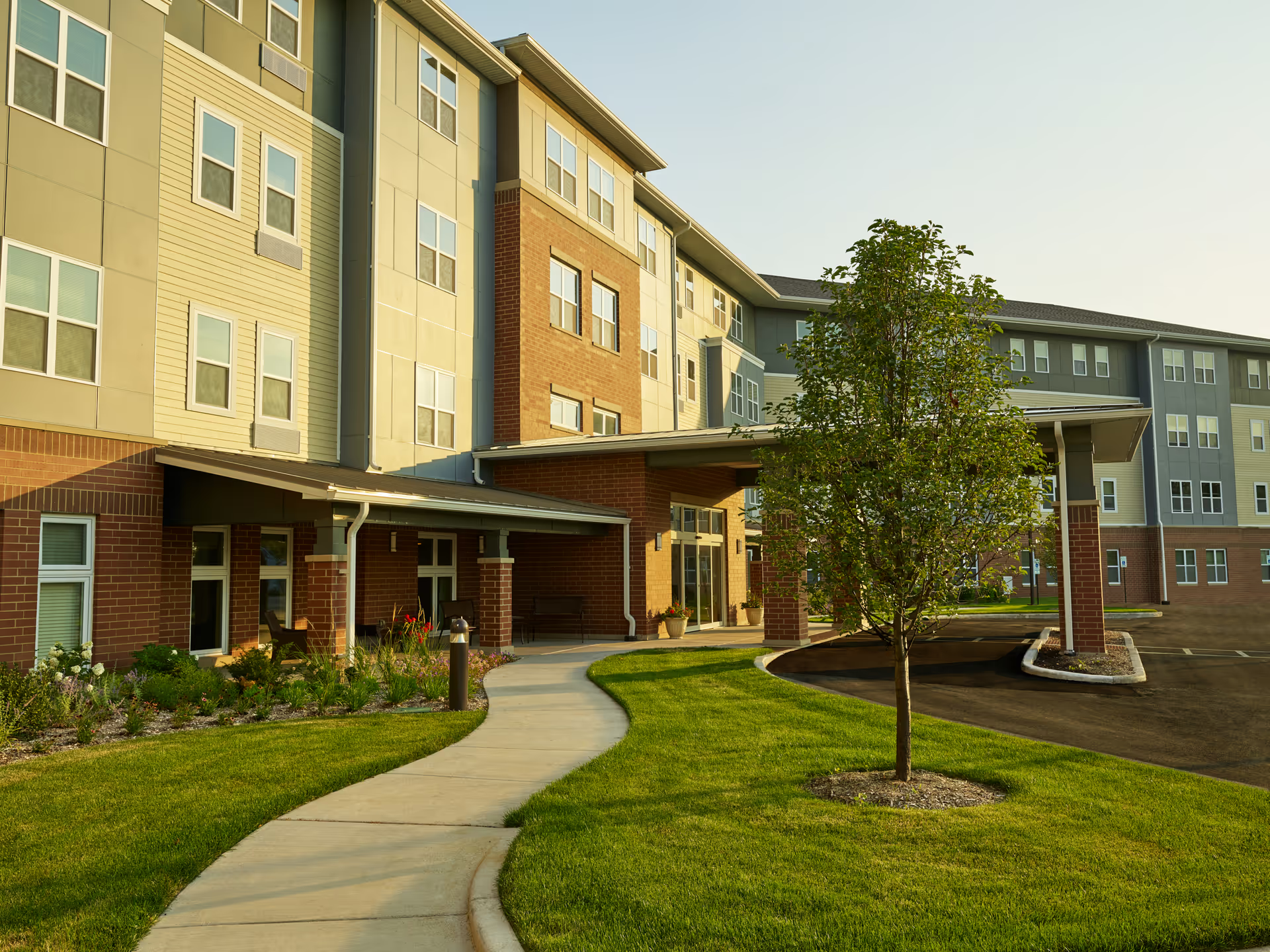
Reviews for Casa of Hobart present a mixed and polarized picture across clinical care, environment, and management. Strengths are concentrated in rehabilitation services and in specific staff members and departments: many families praise the therapy team for functional gains, note positive wound-care outcomes, and describe compassionate, responsive CNAs and nurses in particular units. The facility also has visible capital improvements (renovated common areas, an inviting entrance), in-house dialysis capability, active recreational programming, and staff who facilitate family connections via virtual visits and patio visits.
At the same time, a consistent set of operational concerns emerges. Staffing levels — especially overnight — are frequently described as inadequate, producing long call-light response times and delays in assistance. Those delays are linked to a broader pattern of inconsistent personal-hygiene support, missed or irregular bathing schedules, and lapses in routine housekeeping and linen changes. Multiple reviews flagged sanitation and odor concerns in some patient and common areas, as well as cluttered hallways and maintenance gaps in parts of the building.
Clinical practice and safety issues are uneven. While some nursing teams are described as attentive, other accounts describe inconsistent medication and equipment administration (for example, difficulties with respiratory devices and long waits for pain medication), variable supervision after therapy sessions, and safety lapses associated with transfers and falls. High staff turnover and the use of agency nurses contribute to inconsistency of care. Several families also raised serious administrative concerns — including difficulty obtaining medical records, billing and admission communication problems, and allegations of missing personal items or financial withholding — and regulatory scrutiny was referenced in multiple accounts.
Dining and nutrition are described inconsistently: some residents benefit from appropriate nourishment and weight gain attributed to care and therapy, while others experienced repetitive menus, small portions, and weight-loss or nutrition concerns. Activities programming and memory-care supports receive favorable comments overall, though engagement appears to vary by unit and length of stay.
Management and leadership appear to be in transition. Multiple reviewers note improvements after leadership changes — cleaner areas, better responsiveness, and increased staffing in some departments — while others continue to experience long-standing issues with communication, transparency, and operational oversight. The result is a polarized experience: families seeking short-term rehabilitation often report positive outcomes, while families with long-term placements or complex medical needs report more persistent problems.
For prospective residents and families, the pattern suggests specific points to evaluate during a tour and intake: current staffing ratios (including overnight coverage), average call-light response time, hygiene and laundry protocols, personal-property safeguards, medication- and equipment-administration procedures, avenues for obtaining medical records, and recent regulatory or inspection history. Asking to meet therapy staff, the director of nursing, and the facility administrator can help clarify whether recent improvements are sustained and relevant to the prospective resident’s needs.