Forest Creek Village elicits a wide range of family experiences, with clear strengths and recurring operational concerns. The most consistent positive signal is the facility’s therapy and rehabilitation program: reviewers describe proactive, communicative therapists and measurable progress in mobility and function. Many accounts praise individual caregivers, nursing leadership (including the director of nursing and assistant DON), admissions and social-work staff, and an approachable administrator, which together create a welcoming, community-oriented atmosphere for residents. The dining operation and kitchen receive frequent positive mention for food quality and meal service. Activities and life-enrichment programming are commonly characterized as engaging and well run.
At the same time, reviews reflect notable variability in day-to-day clinical operations and facility maintenance. Staffing levels and responsiveness are uneven; families report periods when call bells and care needs were not addressed promptly, and there are repeated comments about being shorthanded. These coverage gaps are linked in several accounts to delayed care, inconsistent bathing and hydration support, and interruptions in housekeeping and supply availability. Medication management emerges as a significant operational concern: examples include delayed medication administration, application issues with topical patches, and instances that reviewers describe as medication errors. Relatedly, reviewers raise concerns about clinical oversight and emergency response protocols, citing delays in escalating care and inconsistent documentation and follow-up for injuries and clinical changes.
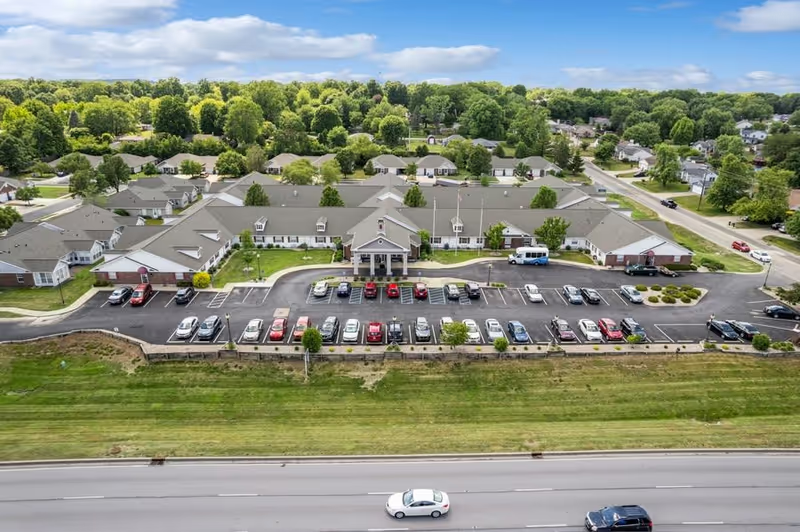
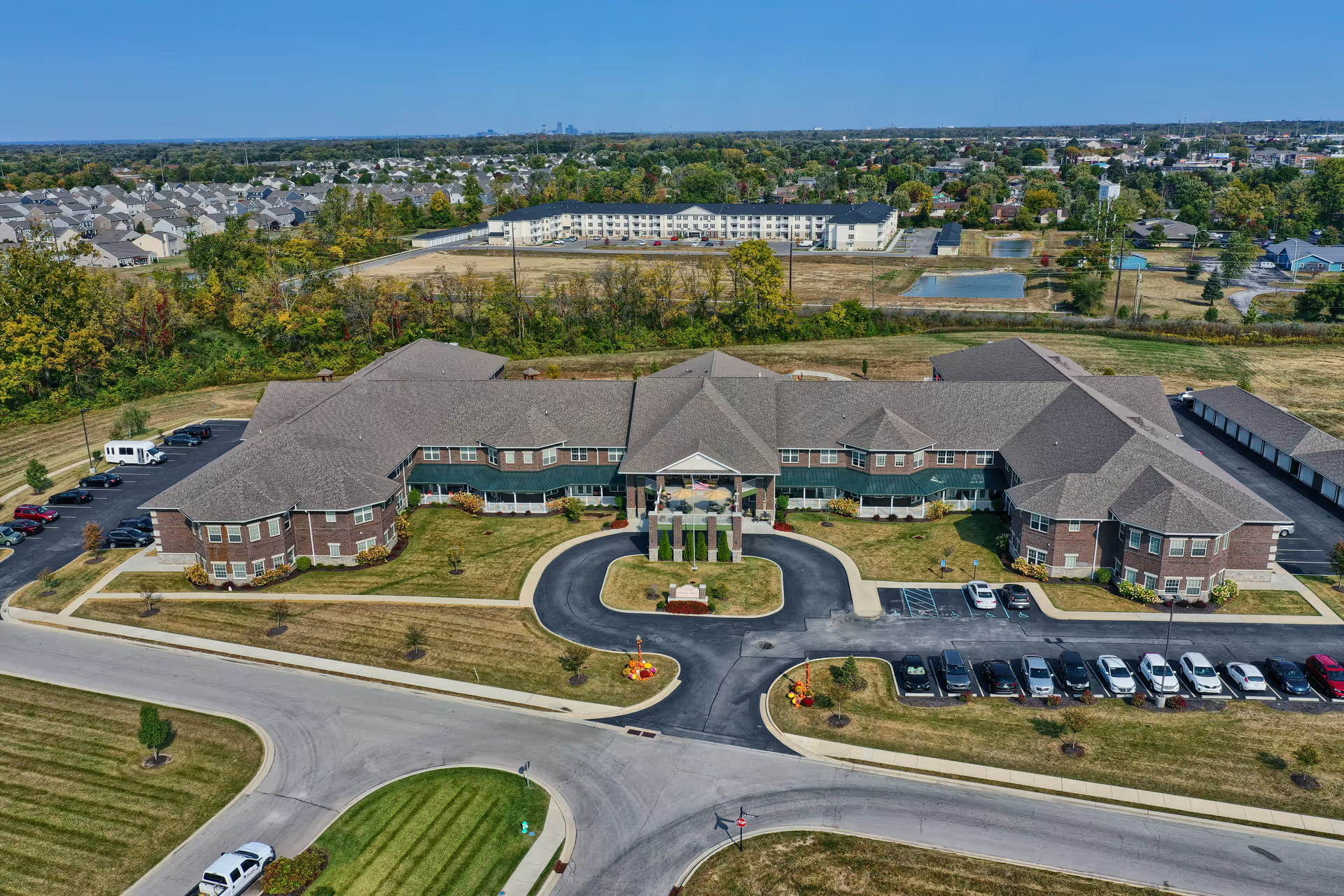
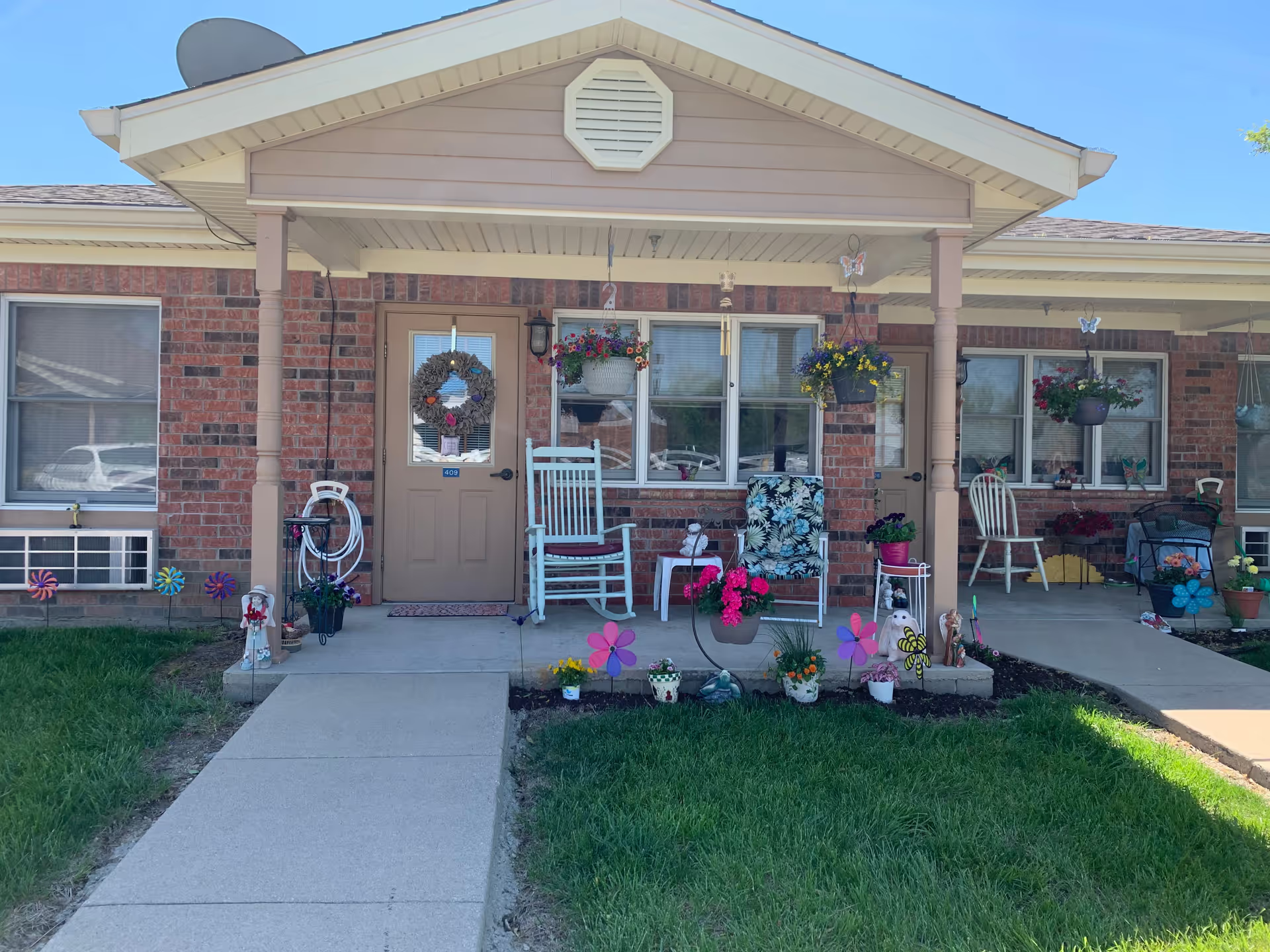
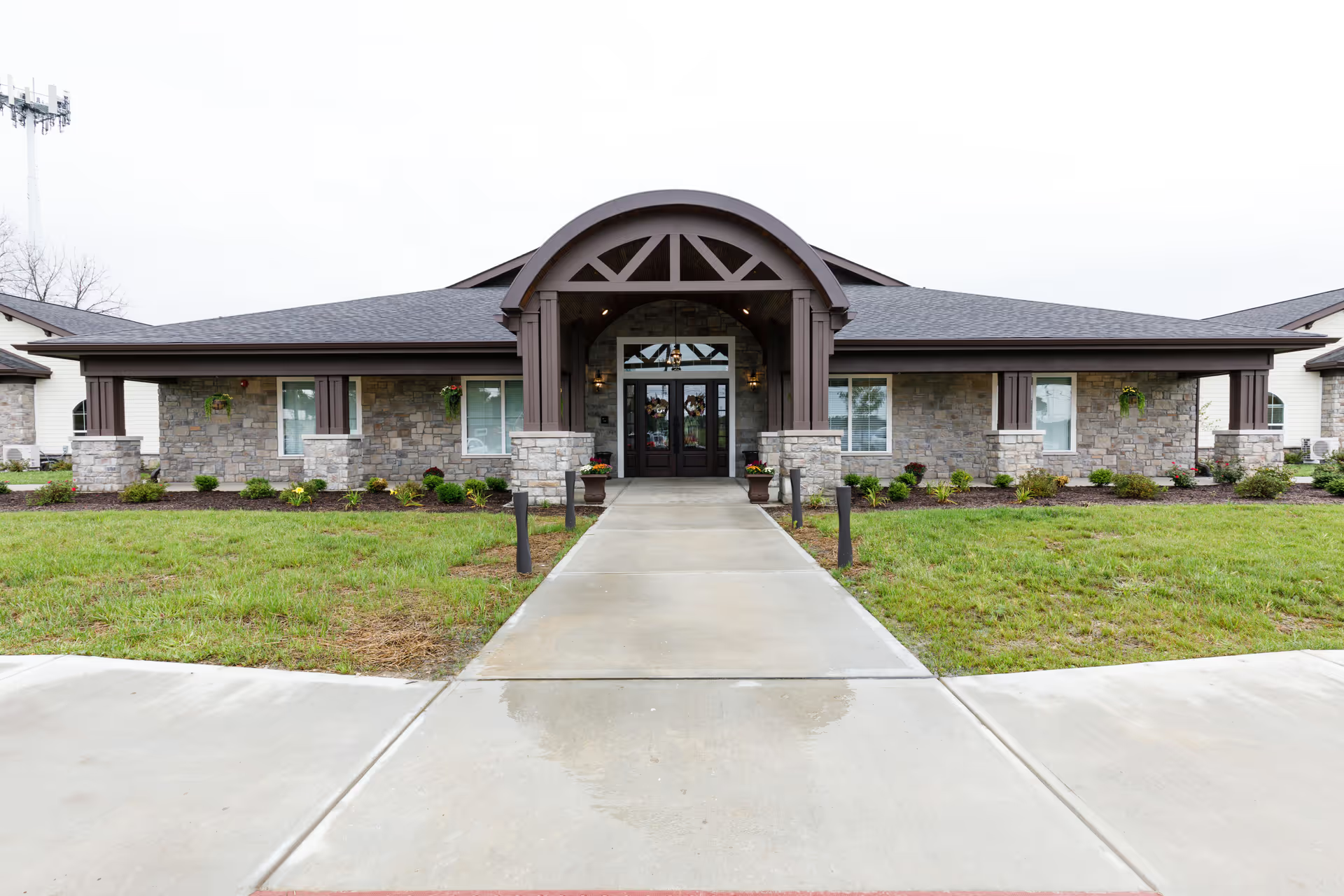
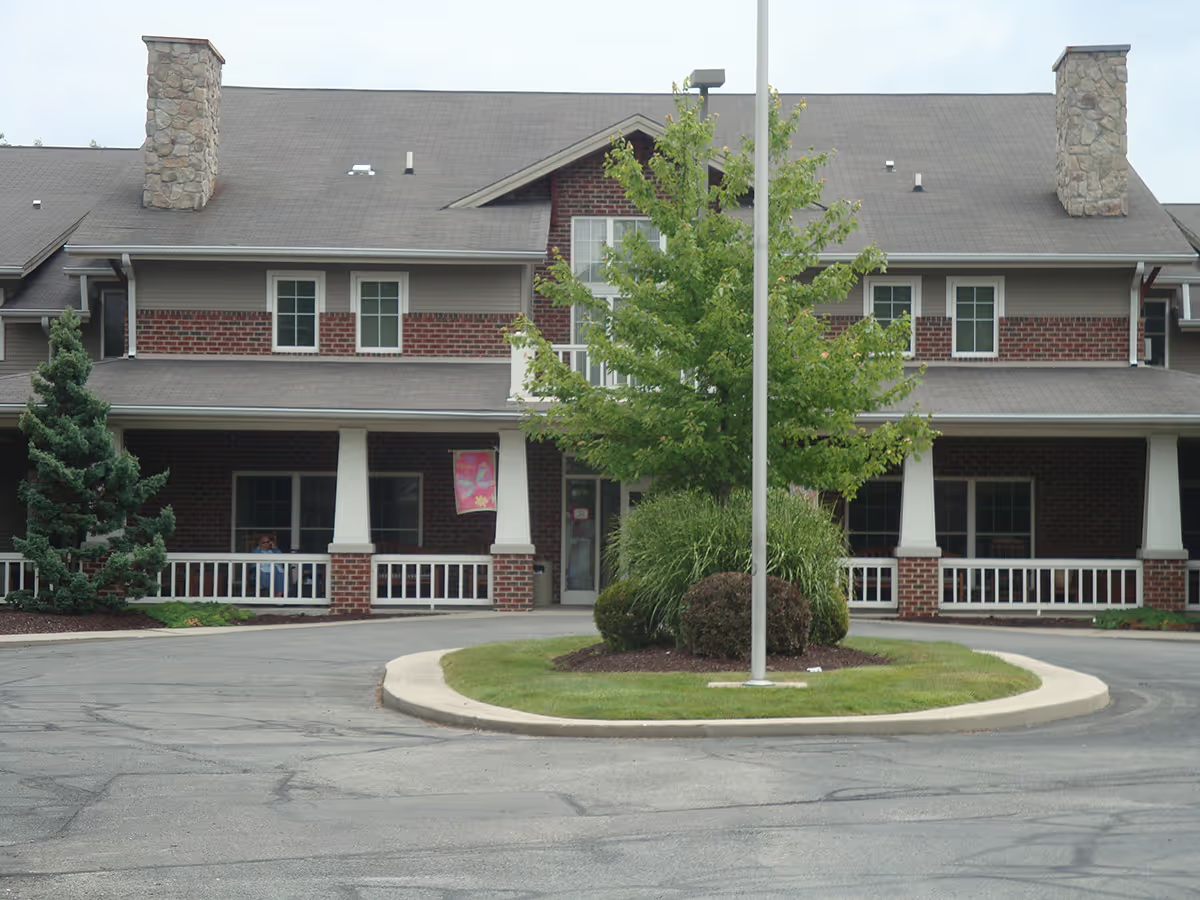
The physical environment is mixed. Parts of the building have been renovated and are described as modern, clean, and odor-free; other areas are older, with cramped rooms, closets or doors that do not close properly, limited private meeting space, and ongoing maintenance needs. Reviewers note a lack of visible clocks and calendars in some areas and occasional noise issues in common spaces. Sanitation and incontinence-care concerns are mentioned in multiple accounts; these are best interpreted as indicators of inconsistent hygiene practices and variable attention to routine care tasks rather than as uniform conditions throughout the entire facility. There are also several mentions of missing personal items and other security lapses, which suggest weaknesses in asset controls and resident property safeguards.
Management and communication present a split picture. Many families commend specific leaders and clinicians for being responsive, transparent, and hands-on; others describe poor communication, unmet physician orders, difficulty with transfers and billing, and familial frustration when clinical concerns escalate. Allegations of theft and serious medication-related errors appear in some accounts and warrant particular inquiry during a tour and intake conversation. Given the mixture of high praise and serious concerns, prospective families should verify current staffing ratios, ask for the facility’s policies on medication administration and emergency response, review recent survey or inspection findings, and request examples of how communication with families and outside providers is handled.
In summary, Forest Creek Village offers strong rehabilitative services, a warm community feel, and several dedicated staff members and leaders who receive high praise. However, variability in staffing, medication administration, clinical oversight, sanitation practices in some units, and certain maintenance and security processes create inconsistent experiences. Prospective residents and families will benefit from targeted questions about staffing coverage, medication and incident protocols, property safeguards, and the status of ongoing renovations when evaluating whether the facility meets their needs.