The reviews present a markedly mixed picture. Many families and residents praise hands-on caregivers, rehabilitation services, and certain administrative staff, while others describe operational gaps that have directly affected resident comfort and safety. Prospective families will find both encouraging examples of attentive care and repeated concerns about basic processes.
Care quality appears uneven. The physical therapy program and select clinical staff receive frequent positive mention for producing good outcomes and supporting recovery. At the same time, reviewers identified operational weaknesses: missed or late medications, delayed wound care and skin management, prolonged chair confinement, and inconsistent personal-care schedules (bathing and repositioning). There are also allegations of prolonged unattended falls and delays in responding to urgent resident needs; these indicate weaknesses in fall-response and transfer-safety procedures that merit specific inquiry during a tour.
Staffing and staff conduct are central themes. Many comments applaud CNAs, social workers, and particular nurses or leaders for being kind, efficient, and communicative. Conversely, other reviewers describe inconsistent professionalism, poor bedside manner from some nurses, staff arguing or speaking loudly at night, and long waits for assistance when the unit is short-staffed. Agency nurses are mentioned as a helpful supplement, suggesting the facility uses temporary staffing to cover gaps, but variability in staff quality and responsiveness is a recurring operational concern.
Dining, activities, and social life contain mostly positive notes: food quality is often described as good, rooms can be clean and welcoming, and activities such as bingo and coffee socials are available. However, some families reported dissatisfaction with food and with the frequency of personal-care services, so these areas appear variable across units and over time.
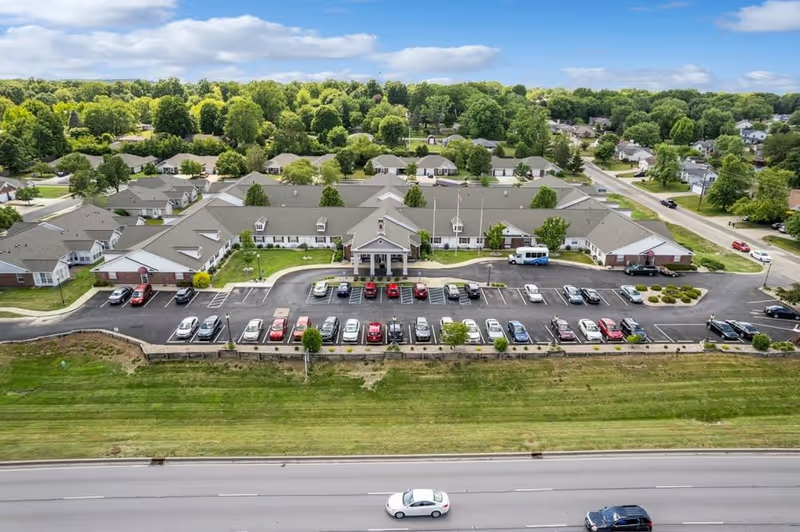
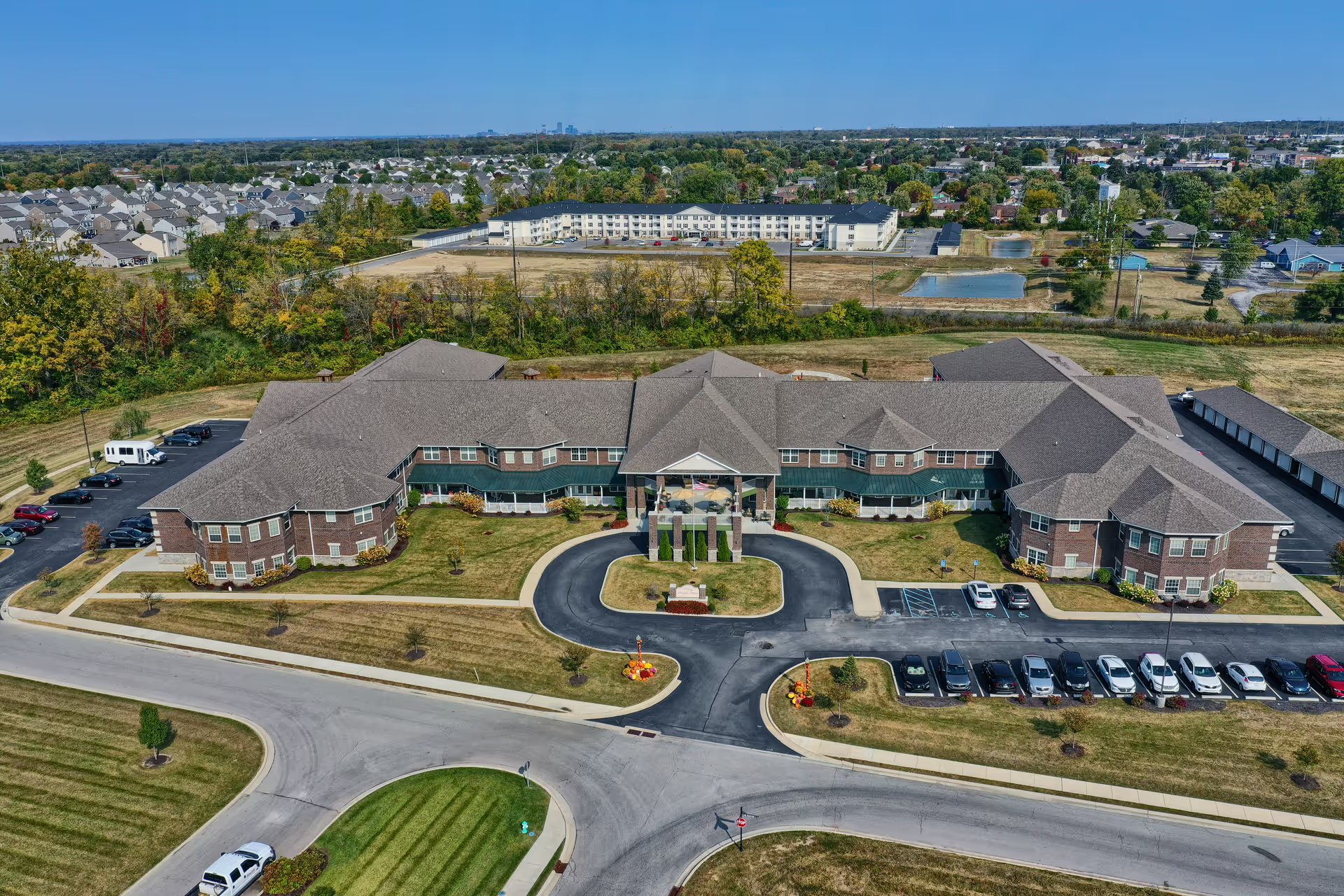
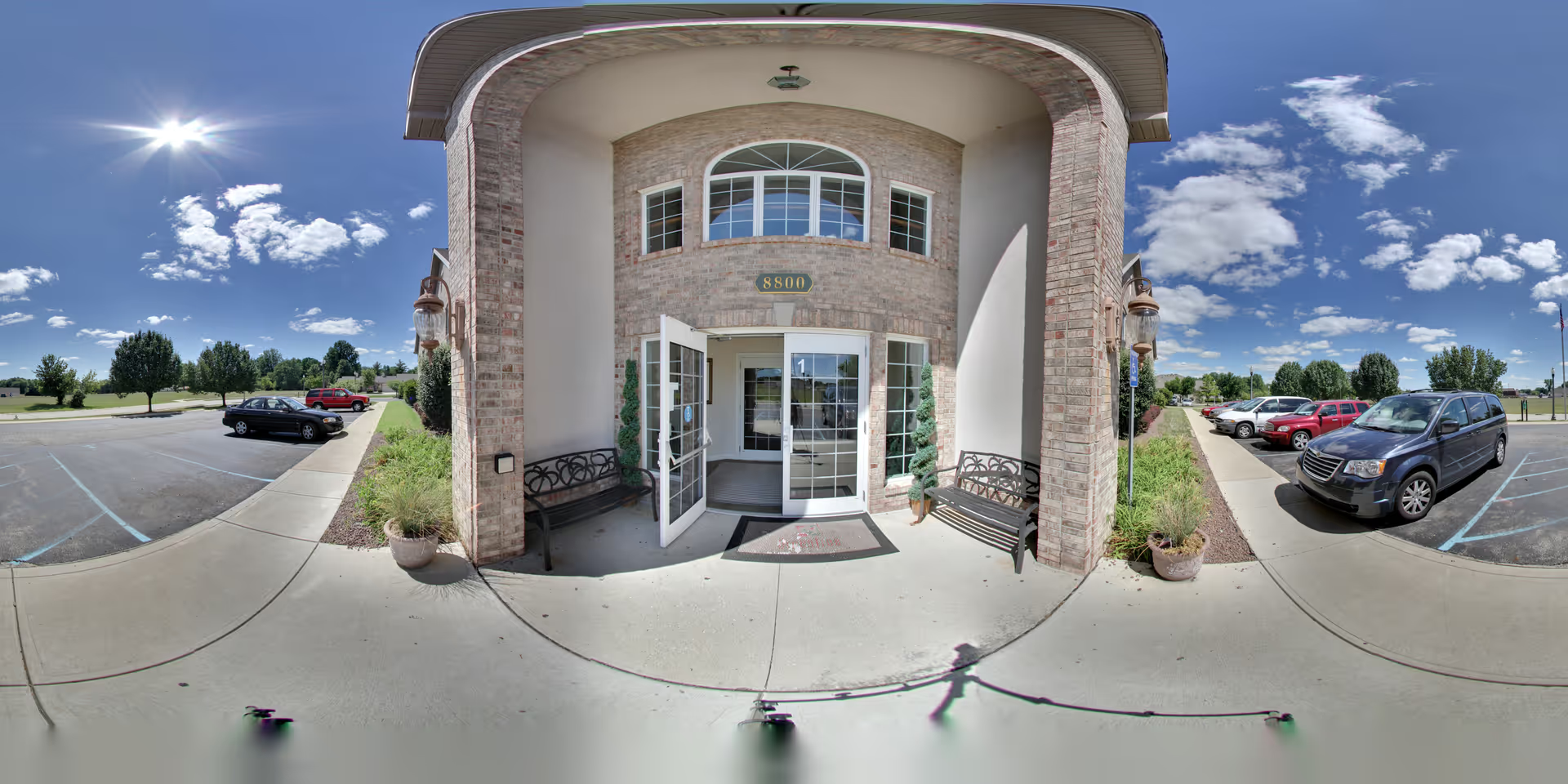
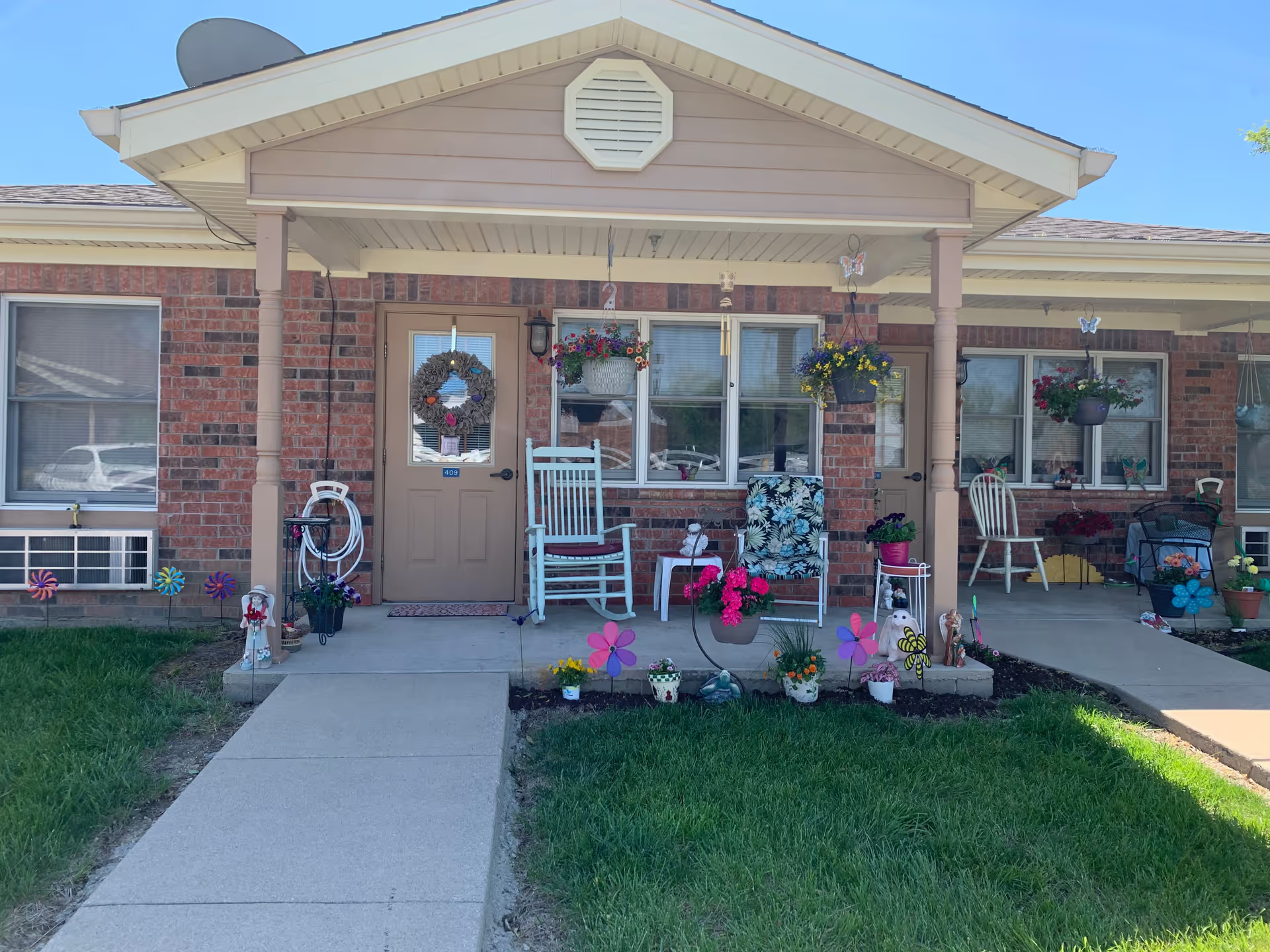
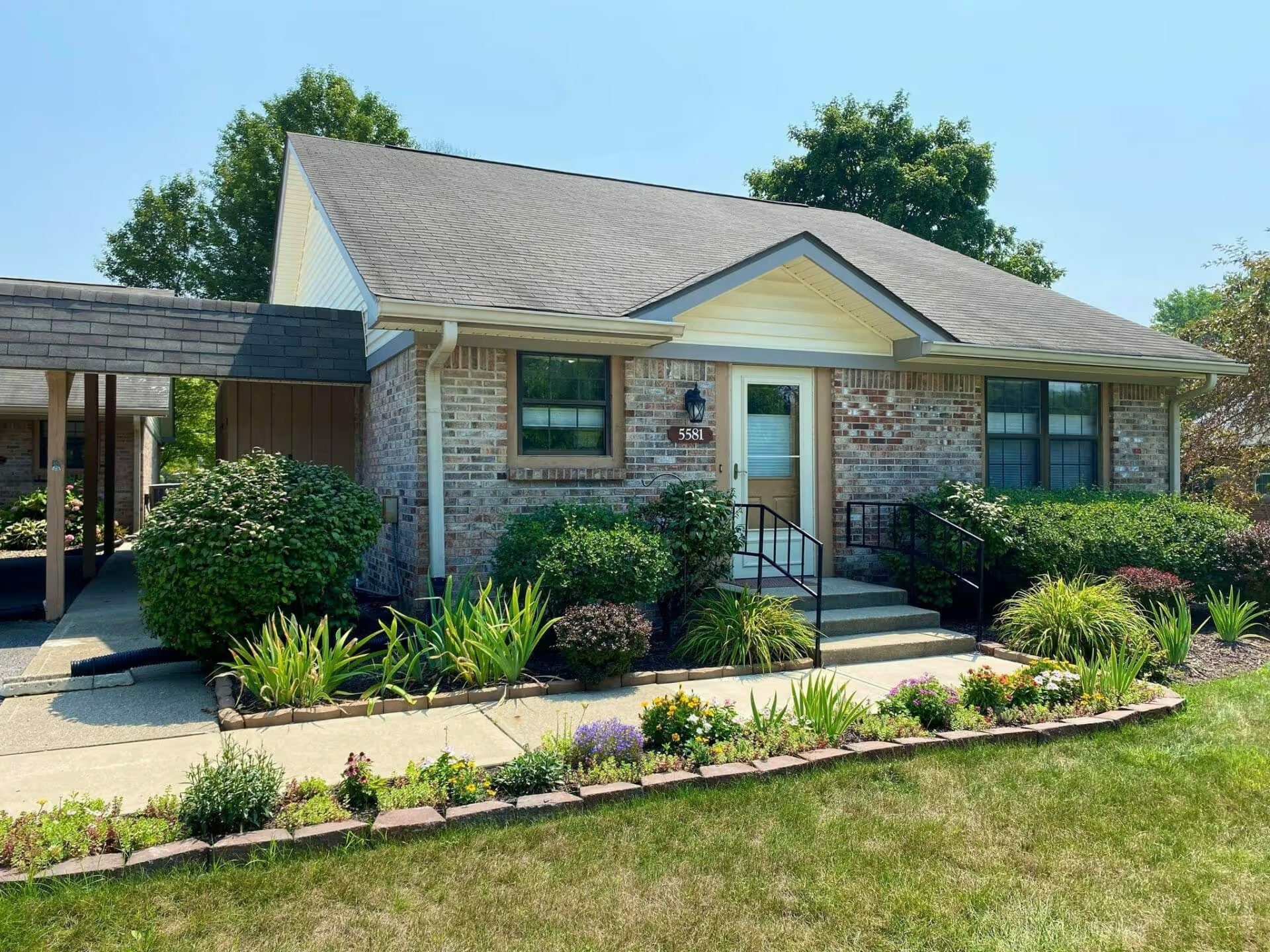
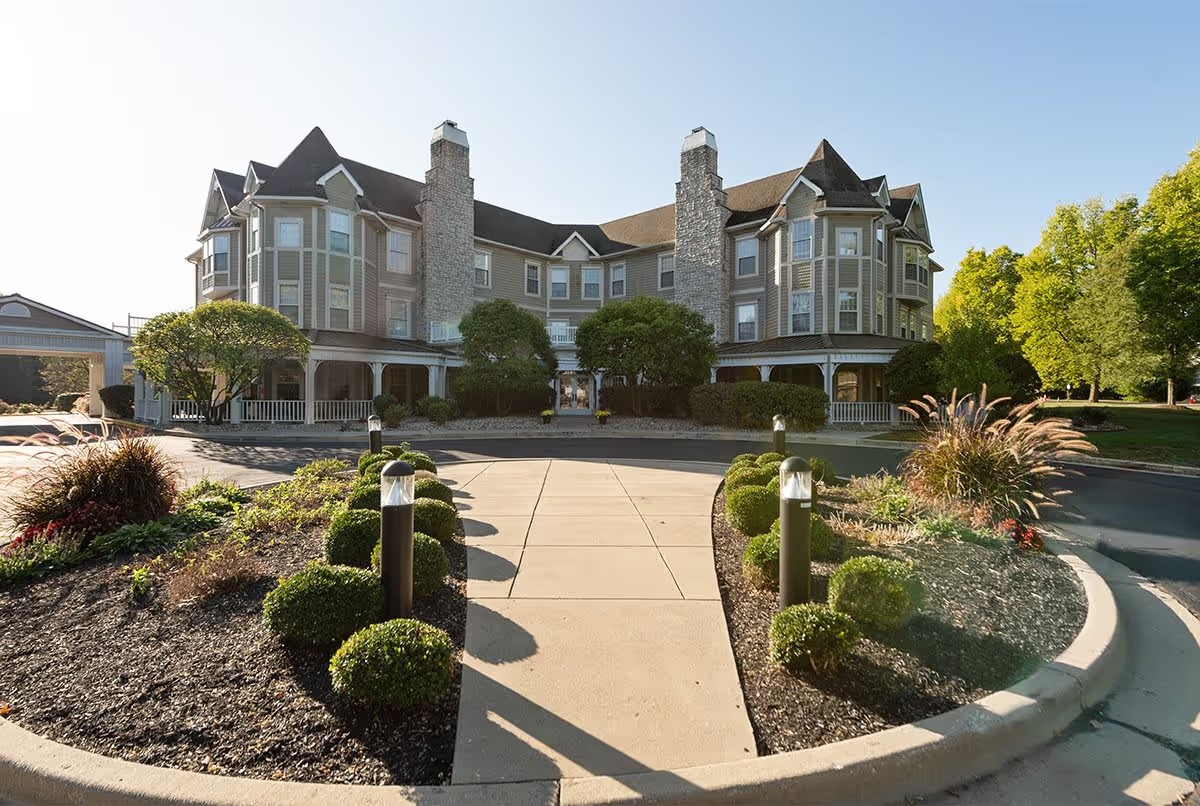
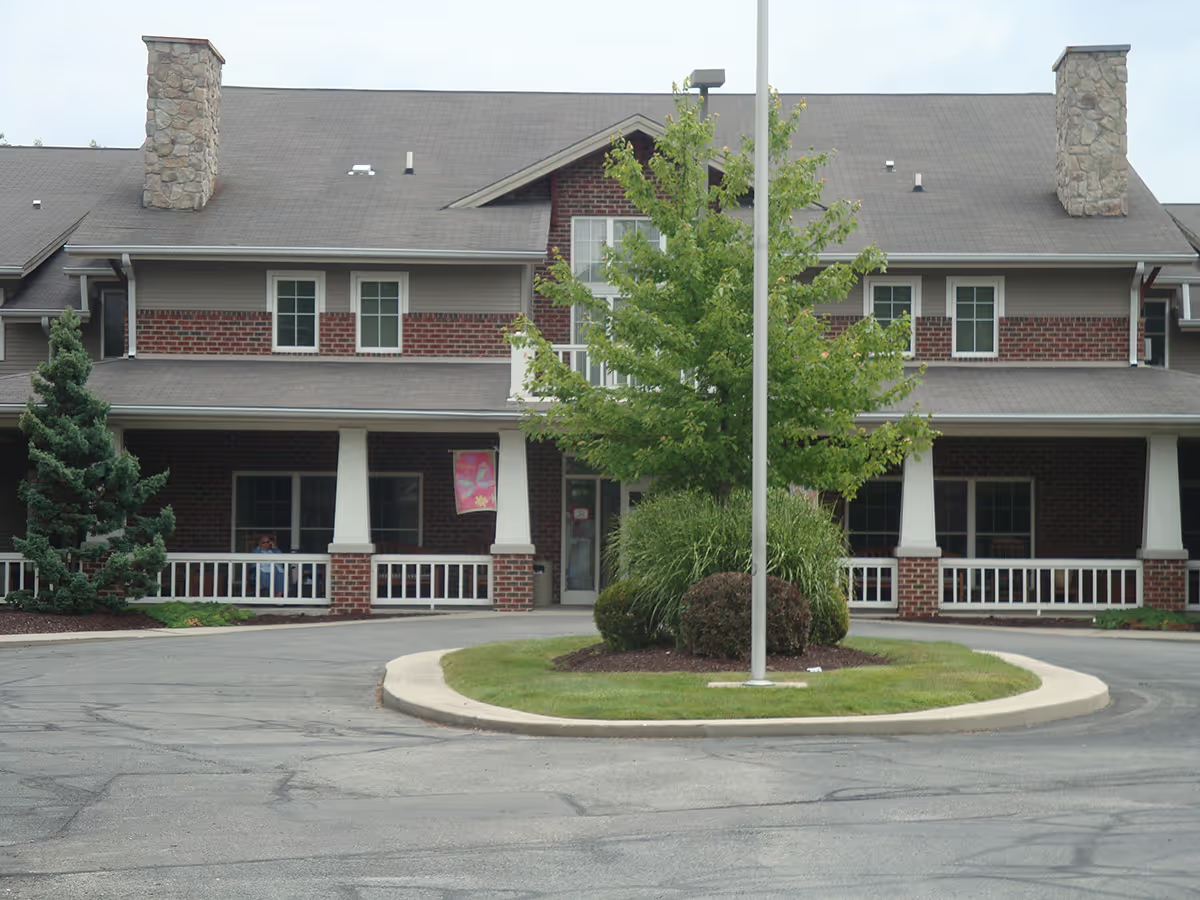
Facility and management issues also appear in multiple reviews. The building is characterized as older with maintenance needs—examples include plumbing and lighting problems, exterior canopy damage, and materials left outdoors—alongside sanitation and odor-management deficiencies in certain areas. Communication and administrative responsiveness are inconsistent: some families highlight fast, effective intake and transparent updates (including a medication-tracking app), while others describe poor phone responsiveness, difficulty reaching the business office, and uneven case-management follow-up. Cost and insurance concerns were cited as reasons for discharge by some families.
Overall, the facility shows both strengths and operational risks. Strengths include committed direct caregivers, a capable rehab program, supportive leadership in some cases, and active engagement offerings. Risks center on inconsistent staffing and professionalism, gaps in medication and wound-care processes, sanitation and maintenance shortcomings, and variable communication. Families considering this facility should tour in person, ask for recent staffing ratios and quality-survey data, review medication-administration and fall-response protocols, check recent inspection histories, and speak with current residents or families about consistency of care and responsiveness to maintenance issues.