Hooverwood presents a mixed but distinct pattern: many families and clinical visitors praise the facility’s rehabilitative capabilities and core nursing staff, while operational inconsistencies produce uneven resident experiences. The strongest, most consistent positive theme is therapy and nursing care—physical, occupational and speech therapists are frequently described as effective and committed, and numerous reviewers attribute measurable functional gains to the rehab program. Social workers and certain nursing leaders also receive regular praise for communication and discharge planning, and the building is often described as clean and well-maintained.
At the same time, there is repeated variability in frontline caregiving and support services. Aides and ancillary staff are cited as inconsistent in responsiveness and follow-through; this manifests as delayed assistance, missed routine tasks, and uneven adherence to care plans. Several comments point to dignity and incontinence-care concerns and to instances where wound or bandage care and acute assessments were delayed—these cluster into an operational pattern of gaps in timely clinical escalation and follow-up. Families likewise describe occasions when medication or monitoring did not proceed as expected, suggesting opportunities to strengthen clinical handoffs and oversight.
Dining and nutrition are another area of contrast. Some residents enjoy the food and dining atmosphere, and staff attempt accommodations, but many reviewers note inconsistent meal timing, cold or poorly plated meals, missing utensils or beverages, and limited options for medically prescribed diets (notably low-sodium and other restrictions). Nutrition information and consistent adherence to dietary orders are described as inconsistent, and there are specific concerns about high sodium content and lack of alternatives for therapeutic diets.
Activities and memory-care programming receive mixed feedback. There are reports of well-run, engaging offerings (bingo, concerts, outings) and attentive activity staff, yet reviewers also describe approaches in some memory-care settings that feel infantilizing or poorly matched to resident cognition. Noise and crowding in some common areas were raised as environmental factors that reduce suitability for residents with dementia.
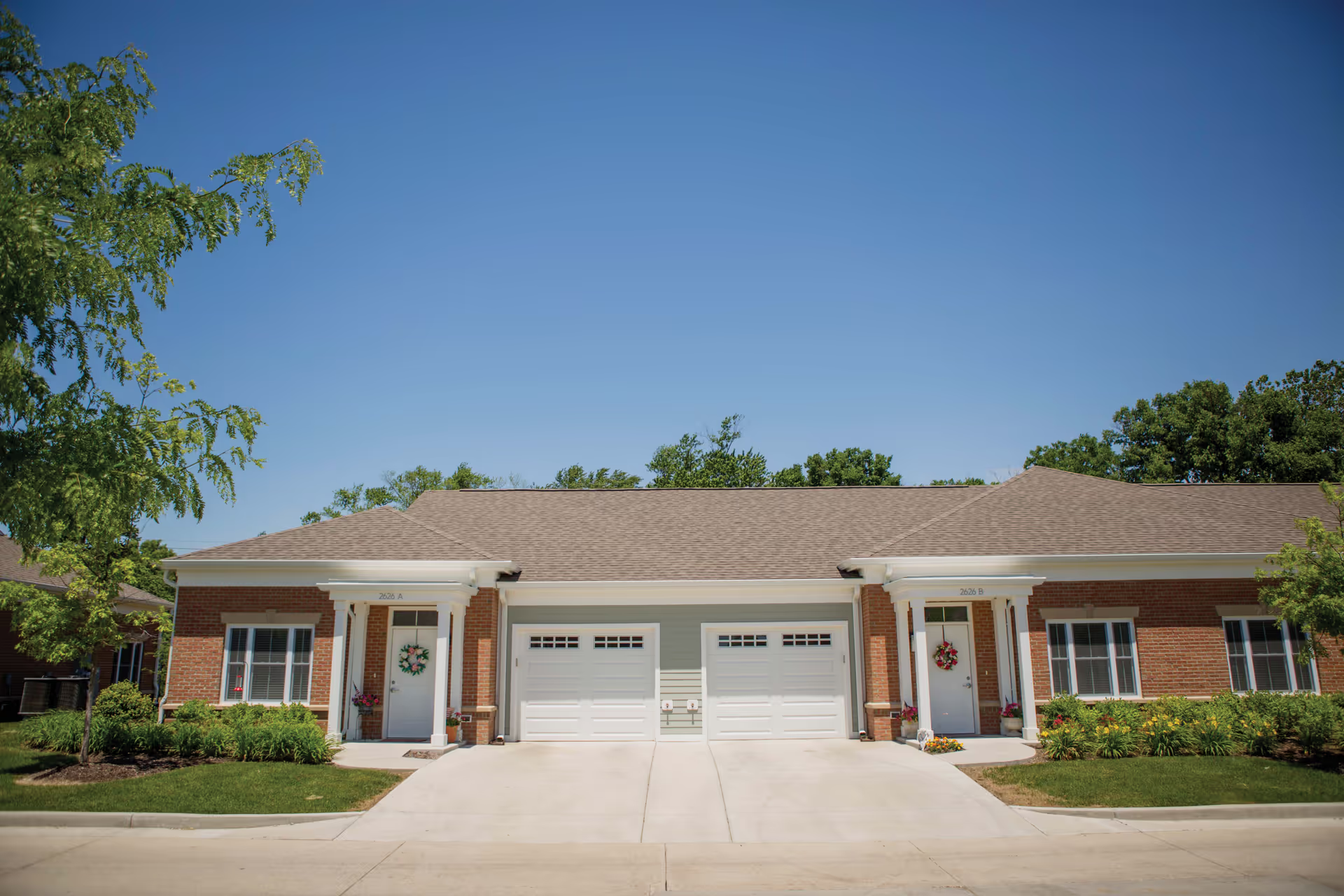
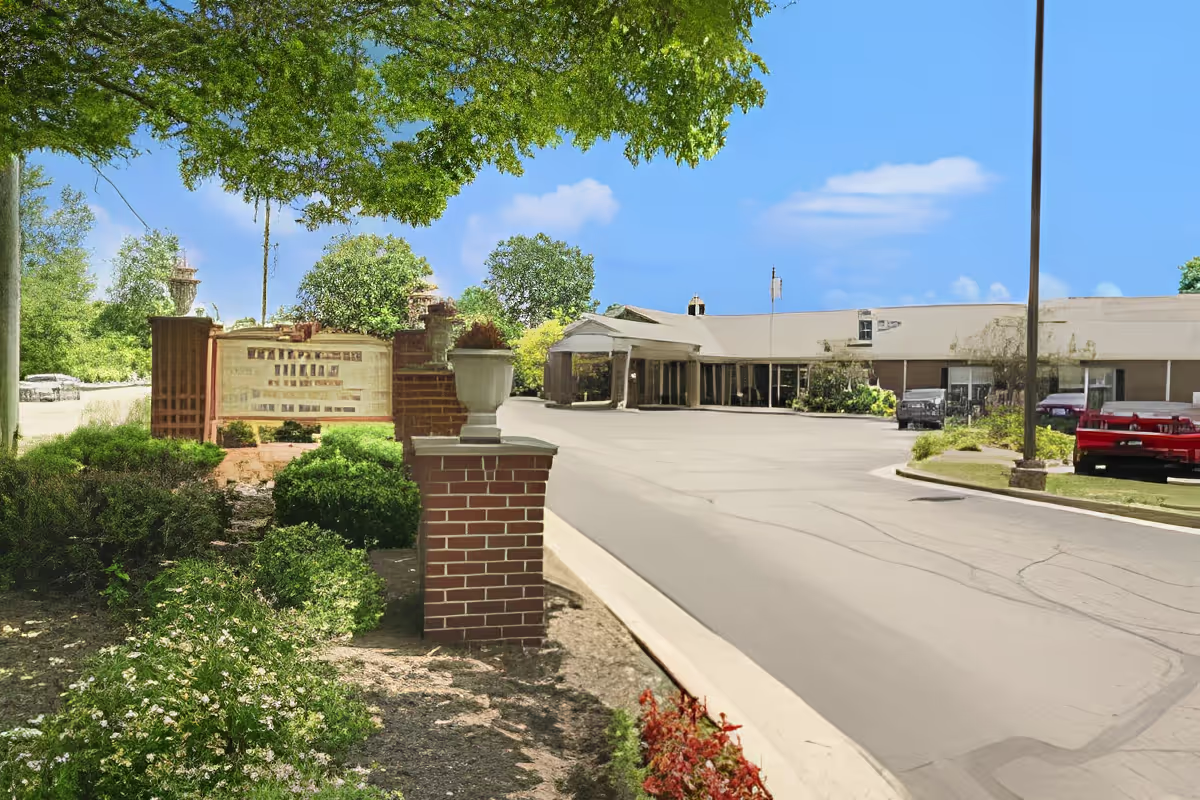
Facility and maintenance strengths include generally clean rooms and public areas and an overall modern appearance. However, reviewers raise safety-related facility practices—furniture or equipment stored in corridors, episodes of HVAC/outage issues, and other maintenance lapses—that create environmental hazards or comfort problems. Outdoor access is limited in places; some families requested more green or shaded outdoor areas.
Management and communication present a bifurcated picture: individual staff and mid-level managers (social workers, therapy leads, some nurses) are repeatedly called out as proactive and communicative, yet families also describe inconsistent senior-level responsiveness and variable follow-through on complaints. There are isolated but serious financial and billing concerns noted, including aggressive collection experiences; these suggest a need for clearer billing communication and grievance resolution pathways.
Notable pattern: variability by shift and unit is the dominant operational theme—experiences are highly dependent on which staff are on duty and which leaders are engaged. For prospective residents and families, recommended focus areas during a visit include clarifying staffing ratios by shift, dietary-accommodation processes, clinical escalation protocols for acute changes, housekeeping schedules, and how leadership responds to complaints. Hooverwood’s strengths in rehabilitation and core nursing are real assets, but families should be prepared to assess operational consistency and to ask specific questions about the facility’s procedures for ensuring reliable day-to-day caregiving and safety.