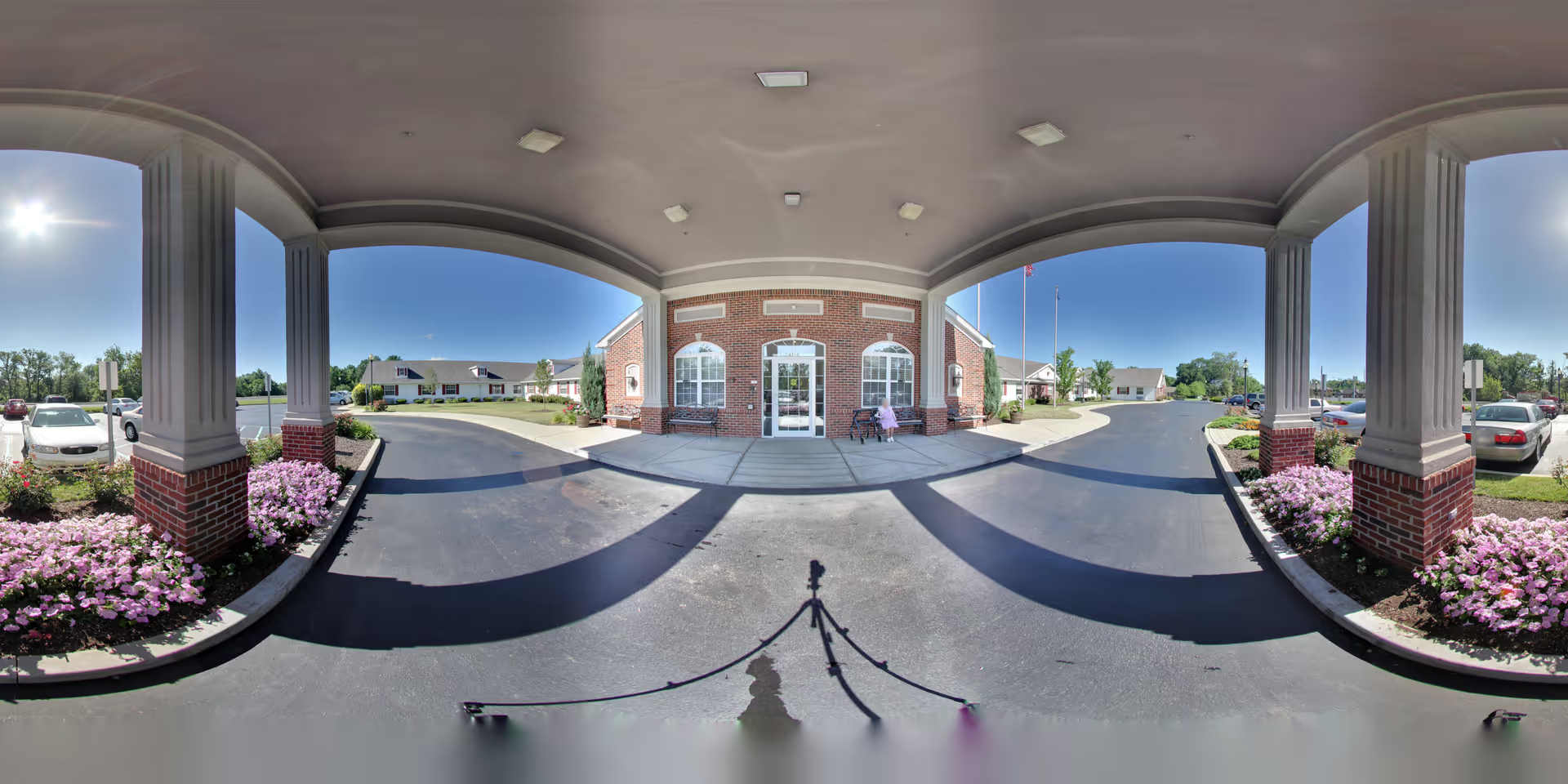
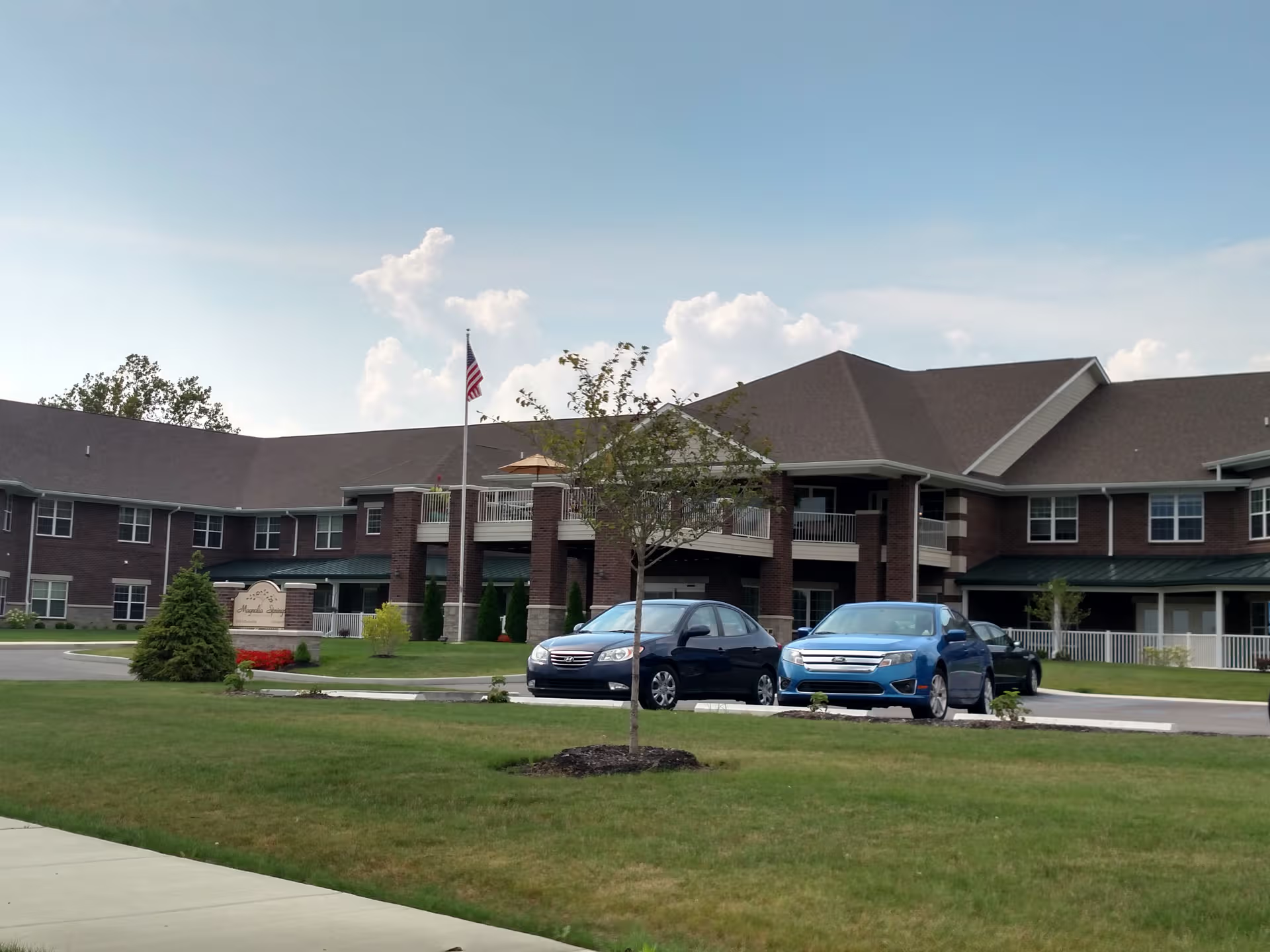
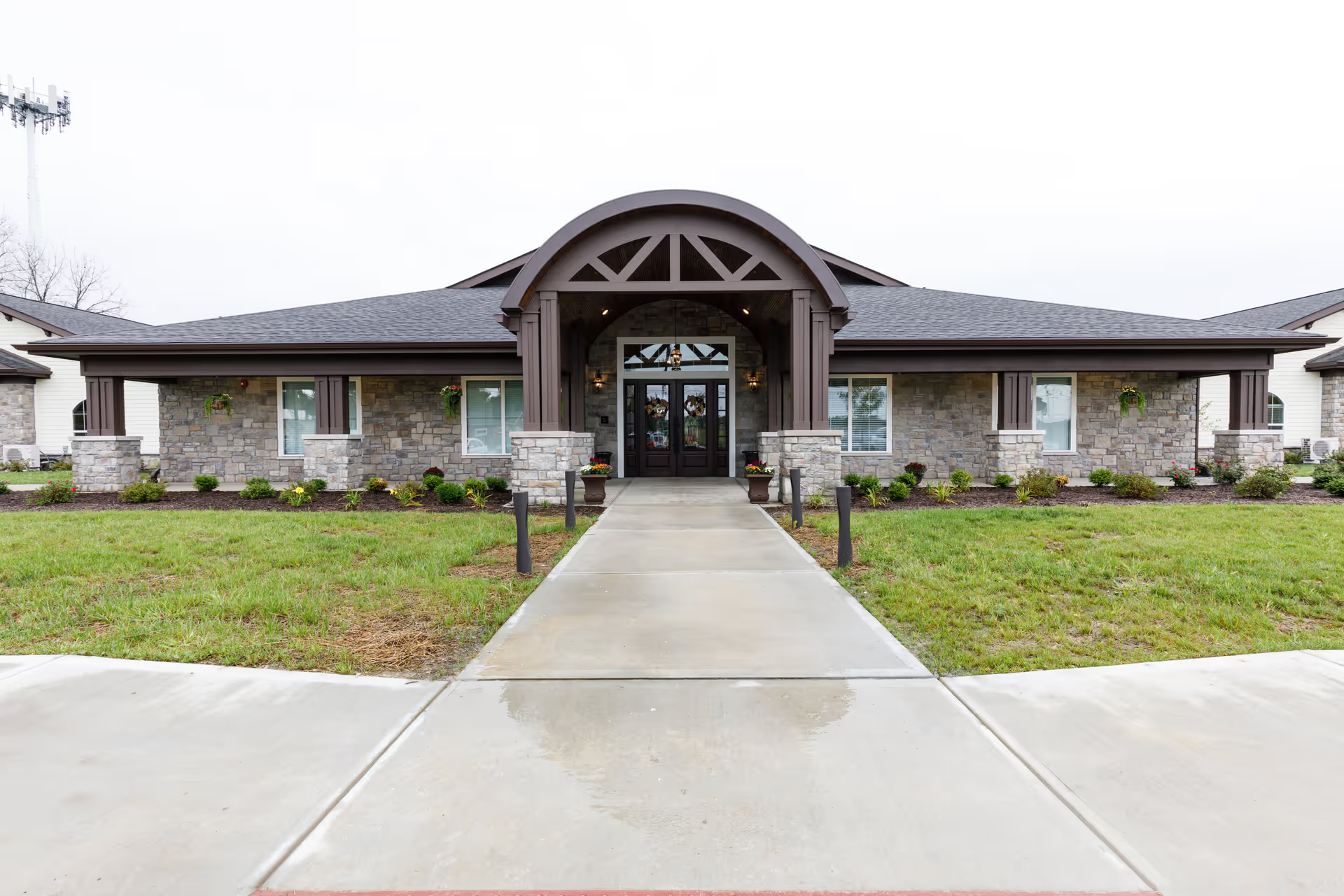
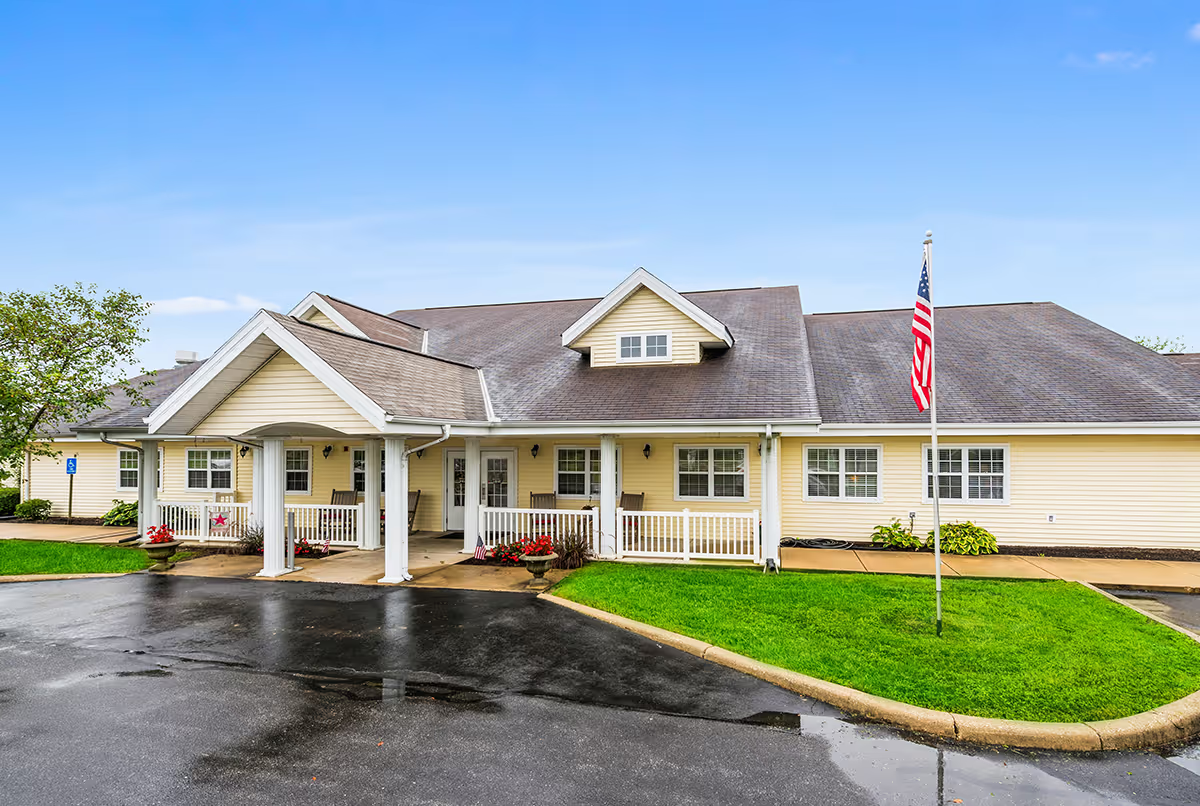
Feedback for Majestic Care of Southport is highly polarized. Many comments highlight strong rehabilitation outcomes, attentive individual caregivers, and an active activities program; others describe persistent operational problems that materially affect daily life for residents. The pattern suggests a facility where some units, staff members, and departments perform well while others struggle with routine care and responsiveness.
Care quality: The facility receives consistent praise for its therapy department and rehabilitation focus — families describe successful PT/OT outcomes and clear discharge planning. Several staff members are specifically commended for clinical competence and attention to individual needs, and the availability of in-house dialysis is an asset for residents requiring that service. At the same time, reviewers document repeated concerns about inconsistent personal-care delivery (for example, missed or delayed bathing and clothing changes), delays in medication and respiratory support, and lapses in follow-up for clinical issues. There are also references to serious individual incidents, including allegations of sexual misconduct and concerns following a resident's death; these items indicate areas that prospective families may wish to investigate with regulators and facility leadership.
Staff and operations: Many family members single out compassionate nurses, CNAs, therapists, activities staff, and social services personnel. However, consistent themes point to chronic understaffing, low morale, and variability in staff behavior and competence from shift to shift. Reviewers describe long response times to call lights and requests, communication tone problems with some employees, and uneven training or skill levels for specialized tasks (for example, coordination of dialysis and transfers). These operational weaknesses appear to drive many of the negative care-experience reports.
Dining and activities: Accounts of dining are mixed — some families praise meals and kitchen staff, while others report inconsistent food quality, missed meal deliveries, and difficulty obtaining therapeutic or diabetic-appropriate meals. The activities program and event planning receive broadly positive mentions (holiday events, outings, and pet therapy are noted), but engagement and availability of activities appear uneven across the facility and between resident groups.
Facilities and maintenance: Physical-condition feedback is inconsistent. Portions of the building and the rehab areas are described as clean and well maintained, yet other comments point to sanitation and odor concerns in resident rooms and bathrooms, fixture and plumbing issues, outdated furniture, and grounds upkeep needs. These maintenance variations often mirror the same pattern found in staffing: some units present well while others exhibit deferred maintenance.
Management and communication: Several reviews credit newer leadership with improvements in resident focus and responsiveness; specific managers and activity directors receive positive mention. Conversely, other families cite difficulty reaching administration, slow or inadequate complaint follow-up, perceived emphasis on financial priorities, and concerns about incentive practices tied to positive reviews. Transfer coordination and insurance or discharge logistics are additional recurring stress points.
Notable patterns and guidance for prospective families: The dominant pattern is inconsistency — very positive experiences coexist with significant operational failures. Rehabilitation and certain individual staff are real strengths; sustained problems center on staffing levels, timely clinical response, sanitation in particular areas, and management communication. Prospective residents and families should ask the facility for current staffing ratios by shift, recent state inspection results, protocols for medication and respiratory support, meal-service continuity plans for therapeutic diets, incident investigation procedures, and examples of recent quality-improvement actions. Visiting multiple units during different shifts, speaking with therapy and nursing leadership, and requesting documentation about complaint resolution and any regulatory follow-up will help clarify whether the positive practices or the operational gaps are the prevailing conditions at the time of admission.