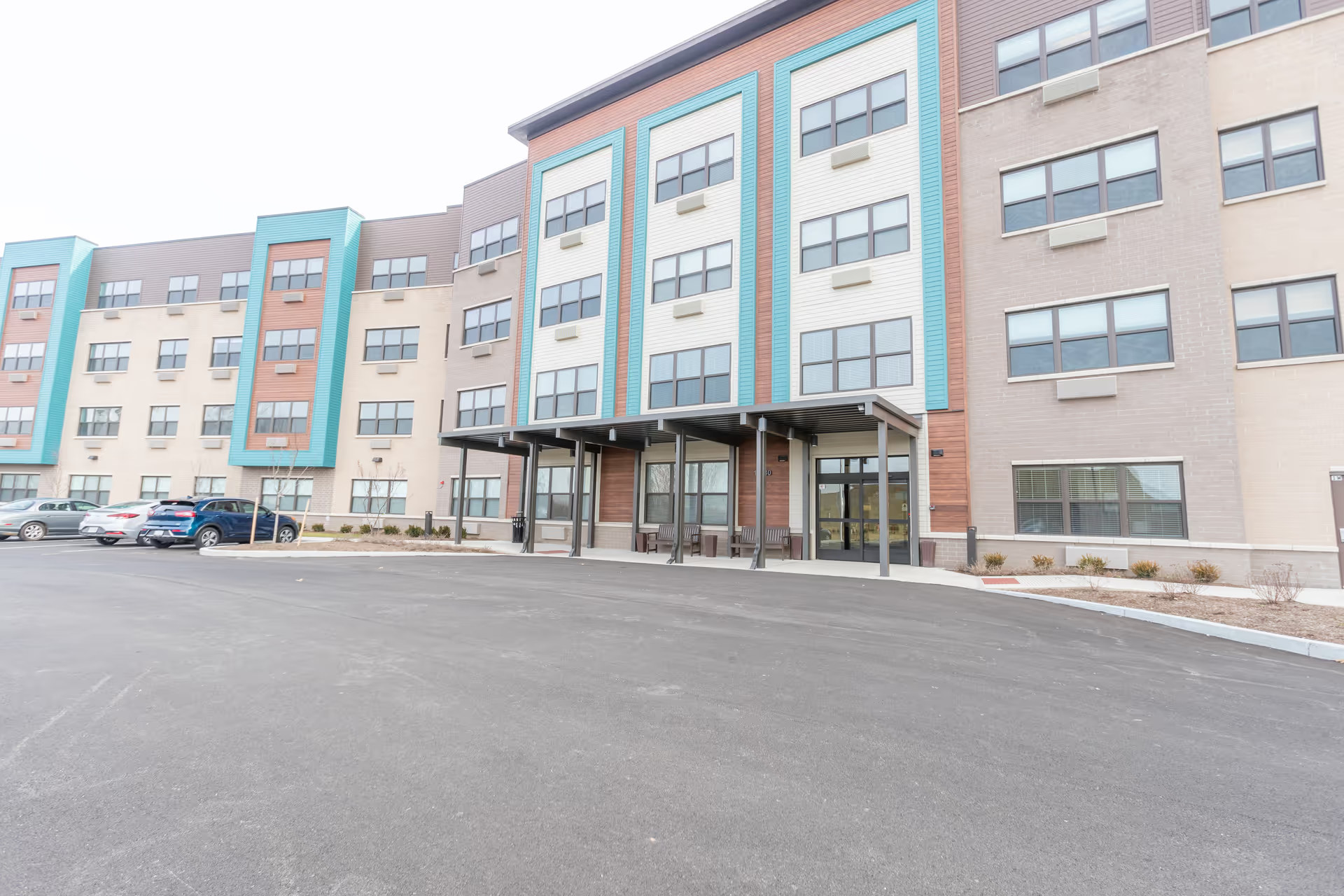
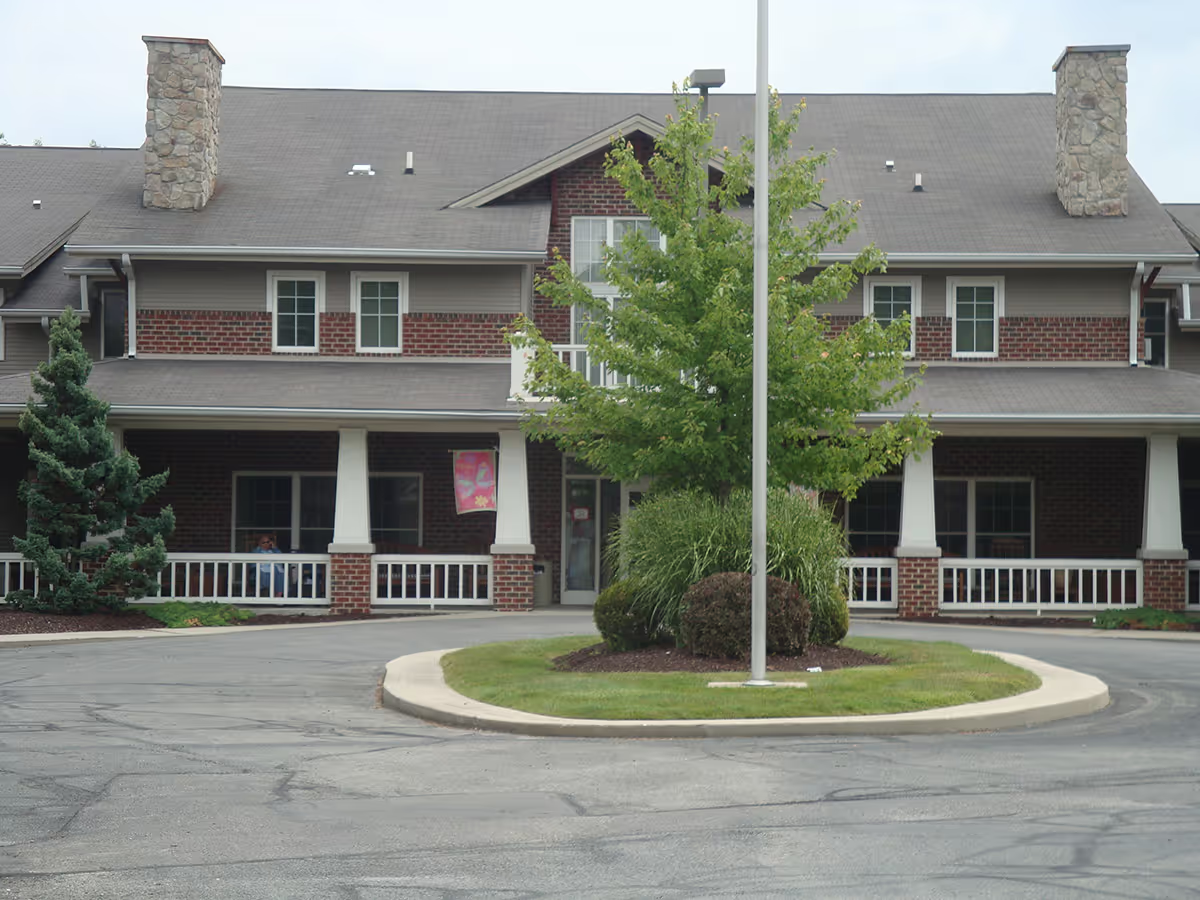
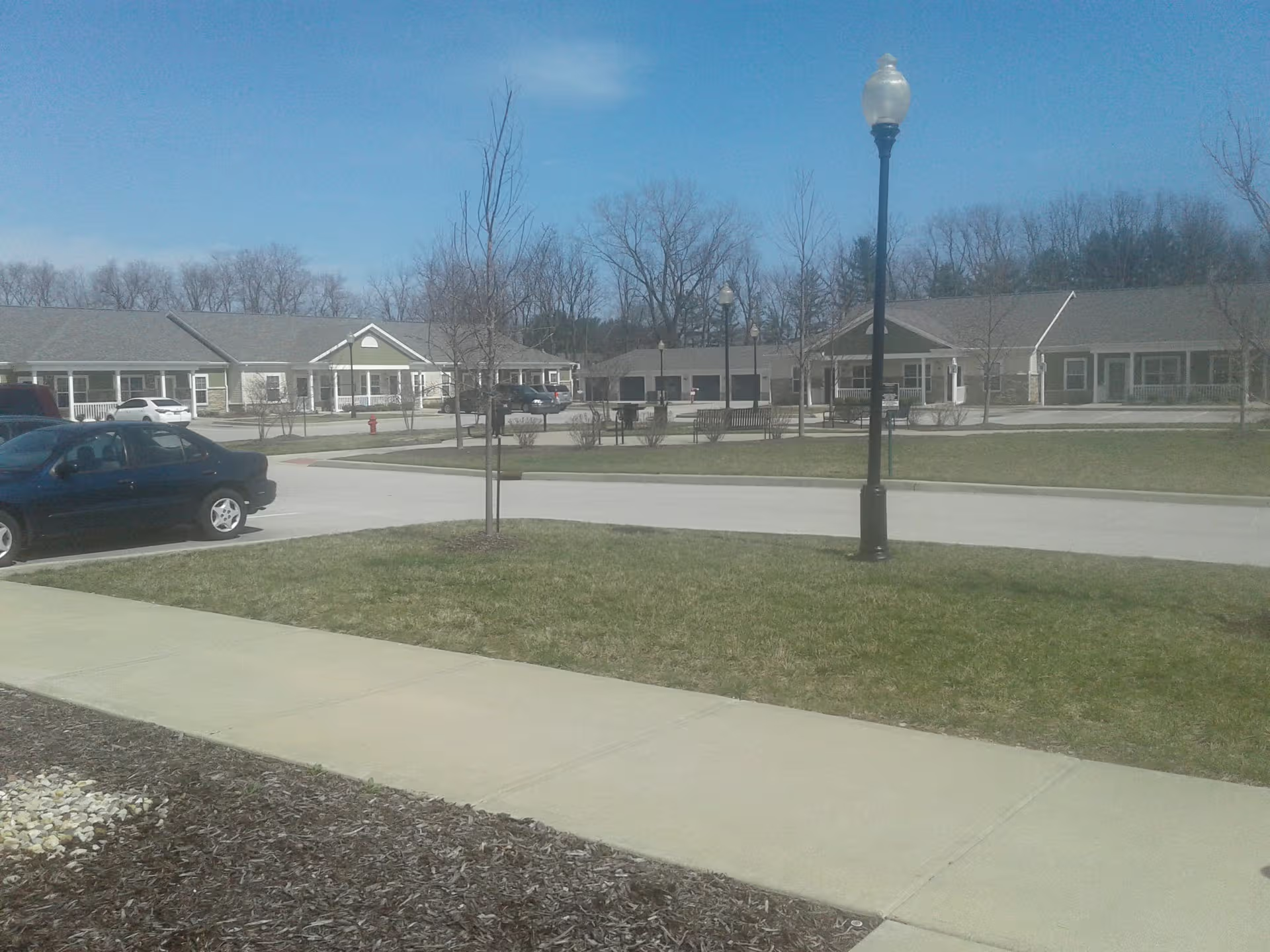
Washington Healthcare Center elicits a wide range of experiences; many reviewers describe strong clinical and rehabilitative services while others describe operational gaps that affect day-to-day care. The facility’s therapy and rehabilitation programs are consistently identified as a strength — therapists are described as skilled, goal-oriented, and effective at helping residents progress toward discharge. Several families praised the social work team for proactive case coordination, and admissions and rehab staff received positive remarks for clear explanations and family engagement.
Nursing-level care draws mixed but specific commentary. Numerous accounts praise compassionate, attentive nurses and aides and highlight caring end-of-life and memory-care support. At the same time, other comments point to variability in aide conduct and communication, occasional inattentiveness, and periods where staffing appears thin. That variability is reflected in reports of delayed responses to call bells and delays in routine assistance; these delays are a recurrent operational theme rather than an isolated type of complaint.
Clinical-safety topics appear in multiple reviews and merit consideration. Reviewers raised concerns about medication timing and clinical-treatment delays, as well as inconsistent management of wounds and complex care needs. These items suggest uneven clinical follow-through across shifts or units. A small number of accounts described serious care escalations and concerns following a resident’s decline; such reports underscore the importance of monitoring continuity of care and escalation protocols when clinical status changes.
Dining, activities, and environmental observations are similarly mixed. The facility’s activities program and social engagement are noted repeatedly as robust and meaningful for residents. Dining receives generally favorable comments for variety and service in many accounts, and laundry and housekeeping are frequently praised. However, other reviewers noted inconsistent meal temperature and food quality, and there are intermittent sanitation and maintenance issues reported — for example, broken equipment, problematic fixtures, and variability in cleanliness between units.
Management and leadership are often cited as positive influences: hands-on executive leadership, an open-door nursing policy, and active DNS involvement received favorable remarks. Nevertheless, some families describe frustration with administrative follow-through when raising complaints, indicating inconsistent responsiveness to concerns. There are also references to limited therapy scheduling (notably outside weekday hours) and occasional security or property-management complaints.
In sum, Washington Healthcare Center presents a polarized profile: strong rehabilitative services, engaged leadership, proactive social work, and meaningful activities are clear strengths, while inconsistent staffing, variable responsiveness, gaps in some clinical practices, and spotty maintenance/cleanliness create operational risks. Prospective residents and families should weigh the facility’s demonstrated clinical and therapeutic capabilities against reports of inconsistency, and consider direct questions about staffing patterns, medication administration protocols, wound care procedures, and maintenance response times during tours and admissions discussions.