Overall care quality at Cathedral Health Care Center is characterized by strong rehabilitative services and a generally compassionate caregiving staff. Therapy programs (physical, occupational, and speech) receive consistent positive mention for goal-oriented work and measurable progress, and many families cite successful rehab‑to‑home transitions. Nursing and CNA staff are frequently described as attentive and personally engaged with residents, with several reviewers highlighting one-on-one attention and continuity of caregiving.
Staff culture and communication are notable strengths. Reviewers commonly describe a warm, family-like atmosphere, long-tenured employees, and accessible front-desk and office personnel. Regular updates via newsletters and activity calendars, along with a range of social activities, outings, and an on-site chapel, support resident engagement. Administrative responsiveness is praised in multiple accounts, and the facility's regulatory standing (Medicare 3‑Star rating and favorable survey) is cited as an indicator of baseline compliance and quality.
Dining and food service are mixed. The kitchen is described as well-staffed with flexible ordering options and several positive comments about meals and dining areas. At the same time, multiple reviewers noted inconsistency in meal temperature and palatability, and a few residents expressed a desire for more or different menu selections.
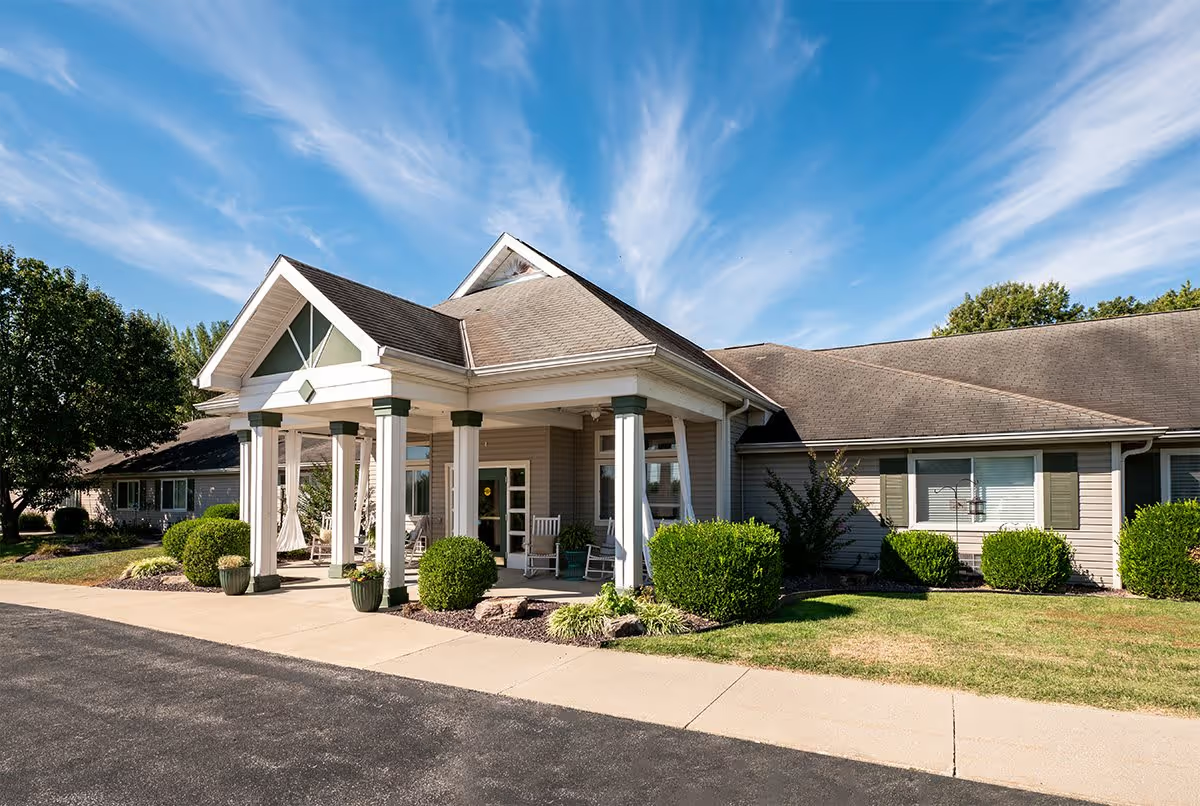
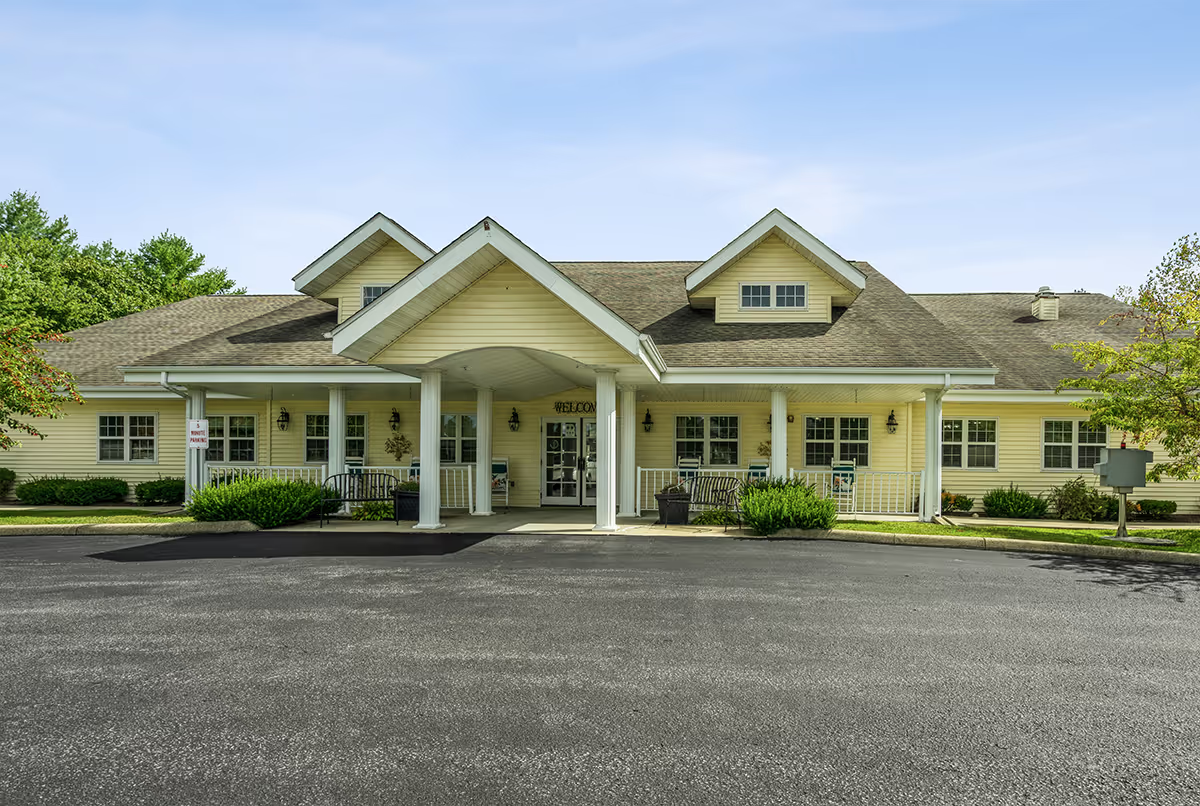
Facility condition and housekeeping show uneven performance. Common areas such as dining and recreation spaces are often reported as clean and well maintained, but several accounts describe variability in room-level cleanliness, floor debris, and inconsistent housekeeping practices across units. Some residents mention that rooms could use cosmetic updates.
Operational and clinical concerns appear as recurring themes that merit attention. Reviewers describe variability in staff responsiveness to personal-care needs—particularly toileting and bathing assistance—and delays during mornings and weekends. Staffing variability, including use of agency staff or short-handed shifts, correlates with uneven experiences. A subset of reviewers raised concerns about infection-control practices and visitor restrictions during infectious‑disease events, and there is at least one allegation of a medication being administered without documented consent; these items suggest opportunities to tighten protocols for infection prevention and medication‑consent documentation.
Management and interpersonal dynamics are another area of divergence. While many families praise staff dedication and clear communication, others describe problems with management tone or staff conduct when interacting with families. These accounts point to inconsistent experiences with administrative responsiveness and family engagement.
In summary, Cathedral Health Care Center demonstrates clear strengths in rehabilitative care, compassionate front-line staff, resident engagement, and administrative compliance. At the same time, variability in cleanliness, meal quality, staff responsiveness during off hours, staffing stability, and certain clinical protocols (medication consent and infection control) are recurring operational issues. Prospective residents and families should weigh the facility's strong therapy and caregiving culture against these operational inconsistencies and may wish to discuss specific housekeeping, staffing, and medication-consent procedures with administration during touring and admission conversations.