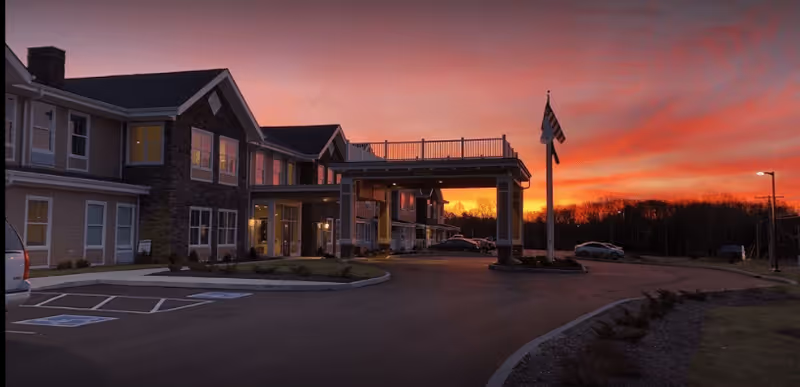
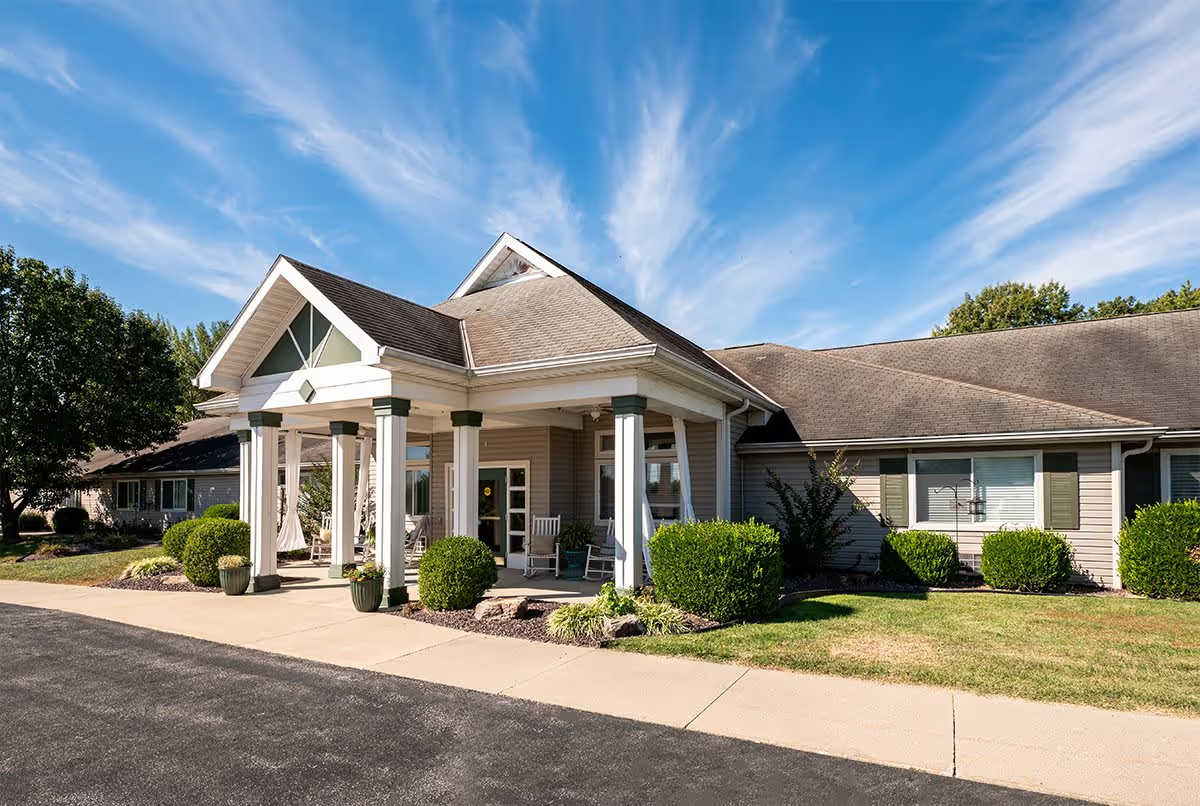
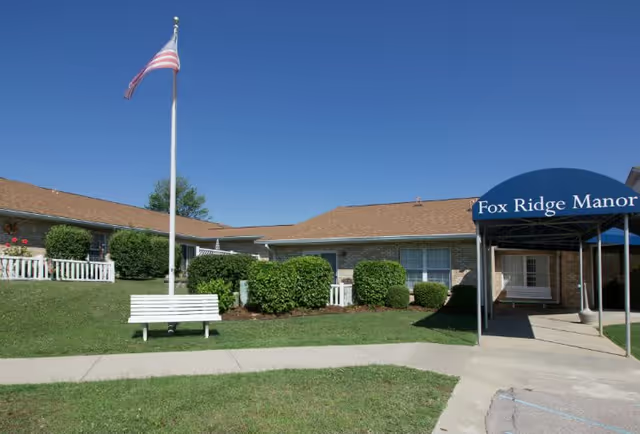
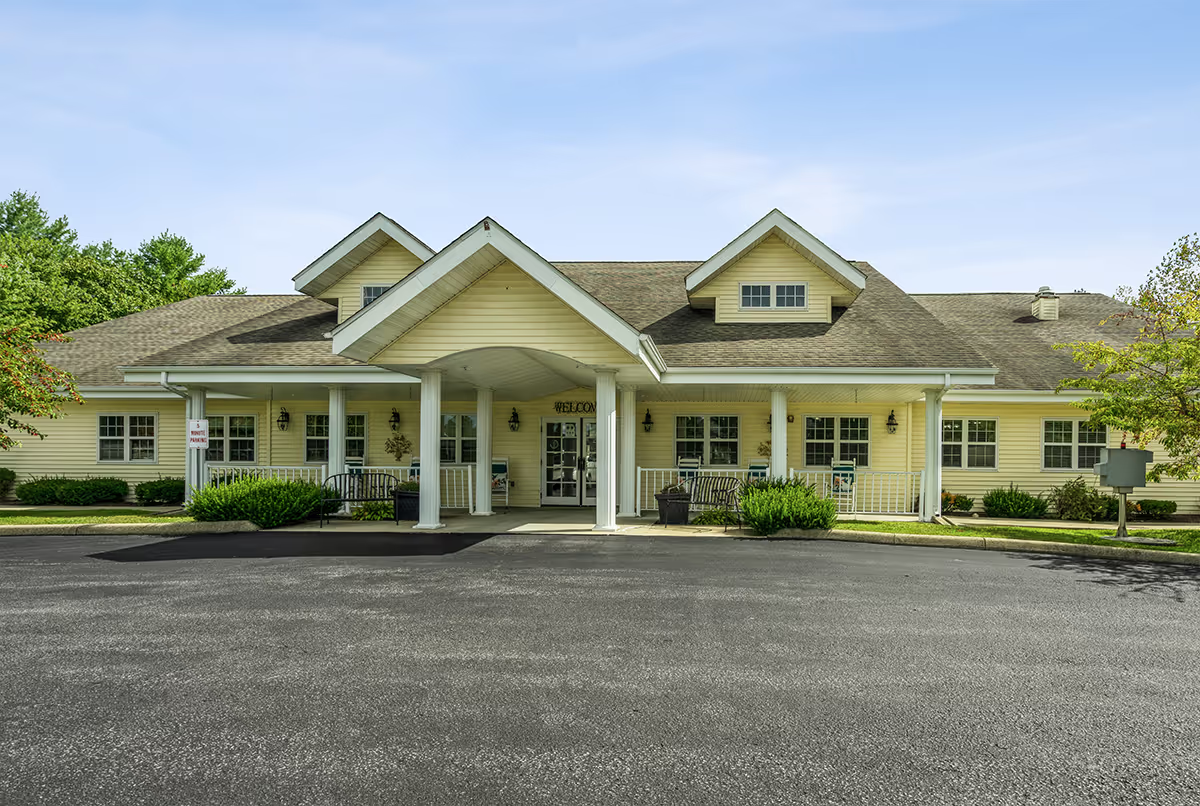
Good Samaritan Society - Northwood presents a polarized set of experiences. Many families and residents describe a compassionate, family-like culture led by staff who develop close relationships with residents. Positive accounts emphasize accessible caregivers, strong bedside manner, a patient-centered dementia unit, an active activities calendar (including cards, bingo, and pet visits), frequent family events, and an admissions process that several families found welcoming. Leadership and organizational strengths are noted as well, including a clear pandemic-response approach and evidence of recent capital improvements or newly completed rooms.
At the same time, a number of reviews raise operational concerns that point to inconsistent care delivery. Recurrent themes include missed or irregular personal-care routines (for example, inconsistent bathing and linen changes), delays in clinical responsiveness, and staffing shortages or high turnover that appear to contribute to uneven performance. Several families described falls and subsequent hospital transfers that they associated with safety and monitoring gaps; these accounts suggest opportunities to strengthen fall-prevention protocols and incident escalation pathways.
Dining and nutrition surfaced as mixed. Some reviews praise attentive mealtime staff, but others raise concerns about late or cold meals, a monotonous menu, and broader concerns about nutrition and hydration management. Supply shortages and occasional delays in assistance were also cited as factors that can affect mealtime and routine care. Environmental maintenance is similarly inconsistent in reviewers’ accounts: many praised clean, well-kept areas and newly renovated rooms, while others noted stained linens, periodic sanitation issues, and infrastructure problems such as hot-water reliability and plumbing maintenance.
Communication and management perceptions are divided. Several families report excellent communication from nursing leadership and social services and an overall sense that residents are well cared for; other families described inconsistent family updates and questioned social-work transparency. There are also isolated but serious allegations regarding missing personal belongings and concerns about the adequacy of nutrition and hydration in specific cases; these are distinct from the broader operational patterns but warrant investigation by prospective families and regulators.
For prospective residents and families, the facility shows clear strengths in culture, engagement, and compassionate staff behavior, alongside identifiable operational weaknesses that have affected care continuity for some residents. Visiting the unit, meeting care staff and leadership, reviewing staffing ratios, inspecting recent maintenance and cleaning practices, and asking about fall-prevention protocols, meal-service schedules, supply-chain reliability, and how the facility handles missing-personal-property claims are recommended steps to assess fit and safety for an individual’s needs.