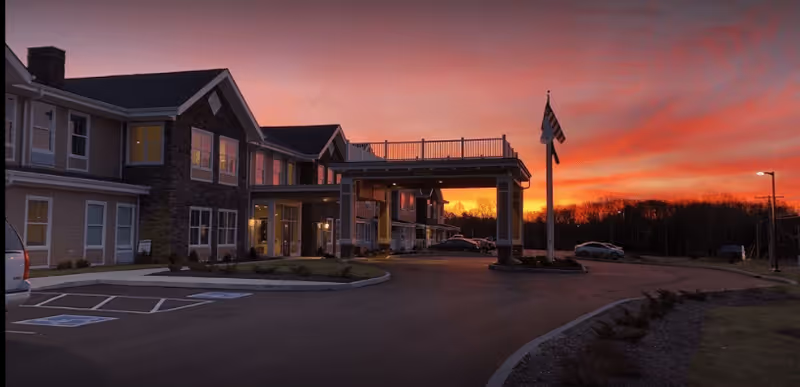
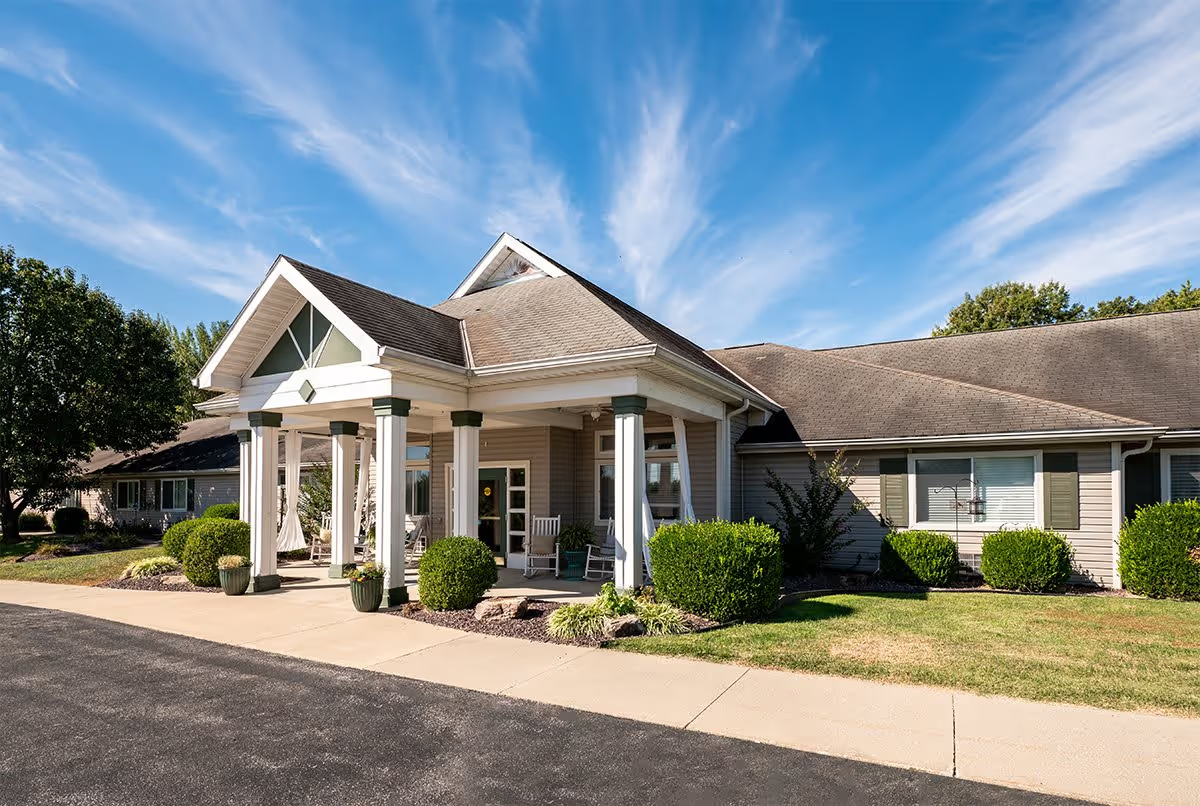
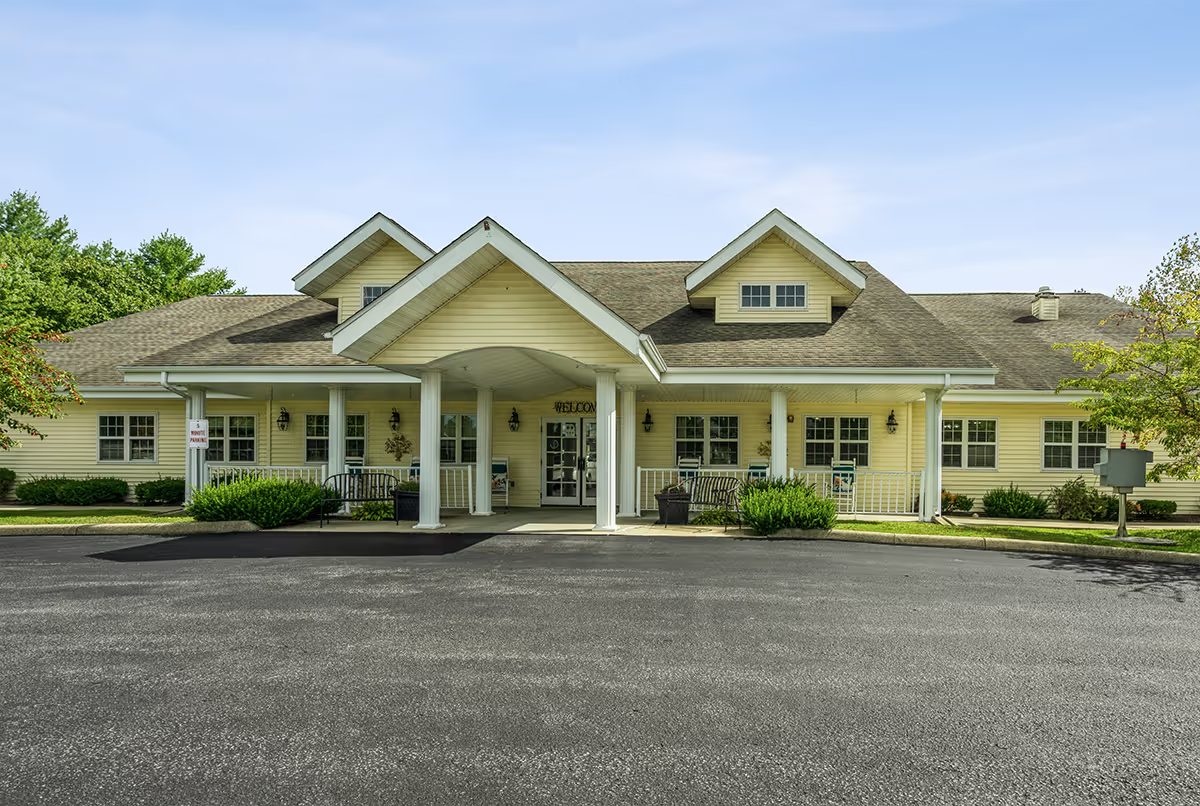
The Timbers of Jasper elicits a mixed but informative set of impressions. Many accounts highlight strong rehabilitative services, wound care, and a generally clean, home-like environment with engaging activities and a cheery communal atmosphere. Families and residents commonly praise attentive CNAs and nursing staff, reliable transportation and housekeeping, and visible leadership that contributes to a family-friendly feel. The community’s therapy and rehab outcomes are frequently described as high quality, and internal communication tools such as morning newsletters and social media are viewed positively.
Care quality appears uneven across the dataset. Positive elements include effective therapy, strong wound-management capabilities, and compassionate dementia-focused approaches. However, there are also serious clinical concerns cited, including incidents that point to inconsistent medication administration and gaps in clinical monitoring and emergency response. These concerns suggest the need for closer scrutiny of medication protocols, clinical oversight, and how acute events are managed and communicated to families.
Staff performance is a prominent theme. Many narratives describe compassionate, responsive caregivers and strong, welcoming CNAs; a few individual staff members were singled out for exemplary attentiveness. At the same time, other accounts raise issues with staff professionalism, boundary management, and variable attentiveness during busy shifts. Comments about inconsistent handoffs and staff talking during resident-care tasks indicate potential operational weaknesses in shift coverage and workflow priorities.
Facility operations such as housekeeping, transportation, and activities generally receive positive feedback: the environment is often described as clean, homey, and well maintained, with active programming that encourages resident engagement. Counterbalancing these strengths are concerns about incontinence-care delays and localized sanitation-related issues, along with noted lapses in infection-control screening practices. Prospective families should ask specific questions about daily care routines, incontinence protocols, and infection-screening procedures when evaluating the community.
Management impressions are split. Many families praise visible leadership and a supportive atmosphere, while other comments convey a perception that financial considerations sometimes influence operational choices. Communication patterns also vary: newsletters and social media are appreciated, yet some families report inconsistent notification about changes in a resident’s condition. Taken together, the pattern suggests a facility with substantive clinical and social strengths but with operational and oversight areas that merit careful inquiry.
For prospective residents and families: arrange an in-person tour, request current clinical and regulatory information (including medication-management protocols, staffing ratios, emergency-response procedures, and recent survey findings), and ask for recent references from families of residents with similar care needs. Doing so will help balance the documented strengths in therapy, environment, and staff warmth against the operational concerns described above.