Overall impression Cloverleaf Healthcare is described predominantly as a rehabilitation-focused and long-term care provider with a strong emphasis on therapy services, hands-on caregiving, and facility cleanliness. Many families highlighted positive rehabilitation outcomes, especially from physical, occupational, and speech therapy teams, and several accounts describe residents regaining function and returning home. Long-tenured staff, a welcoming admission process, and an emphasis on family communication are recurring strengths.
Care and staff Care quality is commonly characterized as compassionate and attentive. Nursing staff, CNAs, therapists, and ancillary teams (housekeeping, maintenance, food service) are frequently praised for going above and beyond, and reviewers often note continuity from long-serving employees. That said, there are some contrasting accounts: a minority of reviewers reported concerns about responsiveness, documentation, and clinical monitoring. These concerns point to occasional variability in how promptly clinical issues are identified and communicated to families.
Dining and activities Activities programming is a clear strength — the facility offers frequent, engaging events that families and residents appreciate. Meal service receives mixed-but-overall-positive comments: multiple reviewers enjoyed meals and cited regular family-style dining and pleasant food service, while others requested greater variety and healthier options (more fruits/vegetables and less repetitive menu items). Meal continuity and communication about dining preferences are areas families suggested could be strengthened.
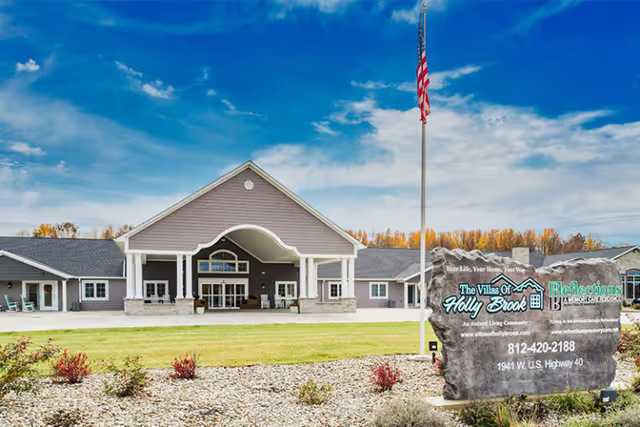
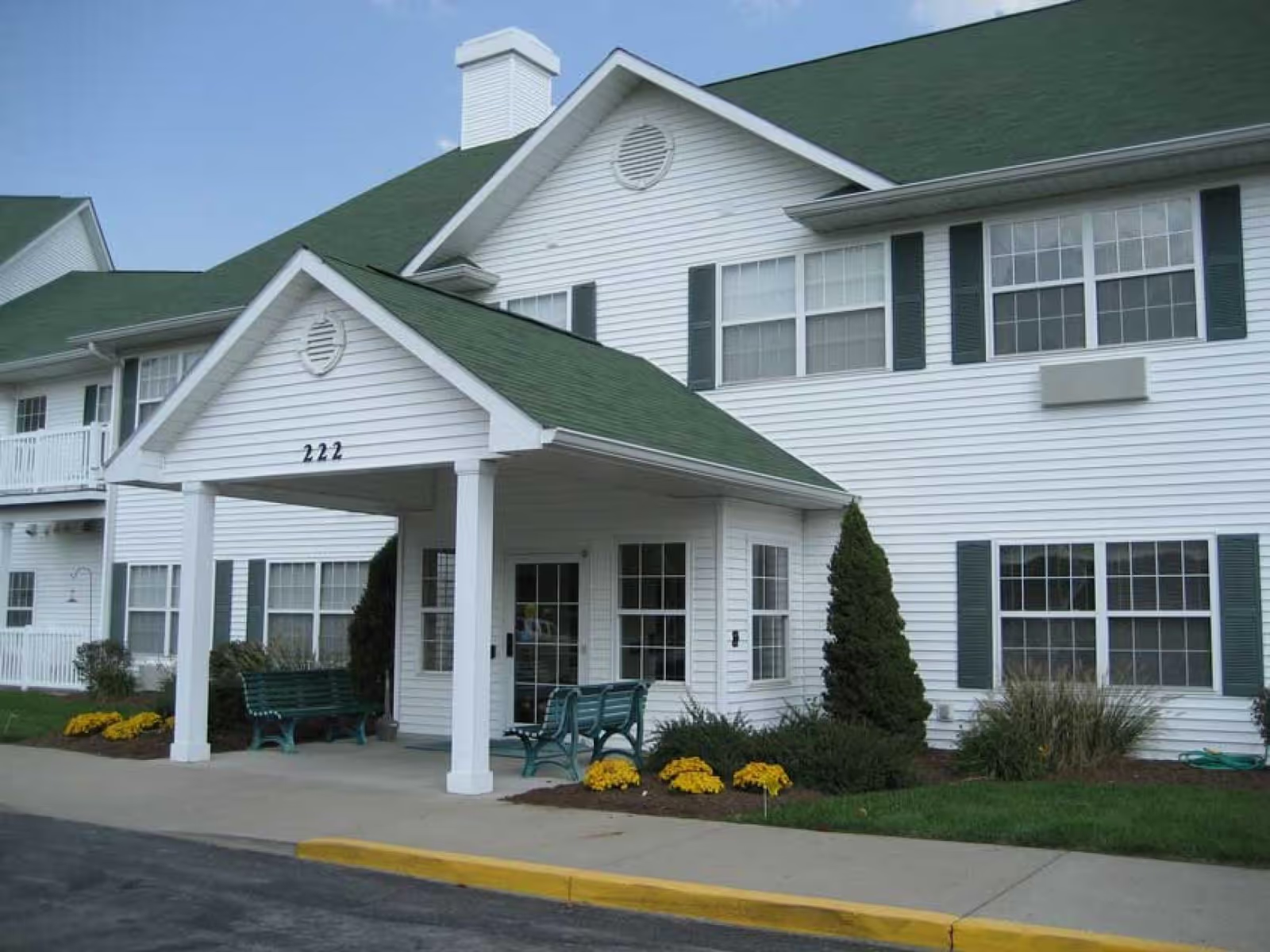
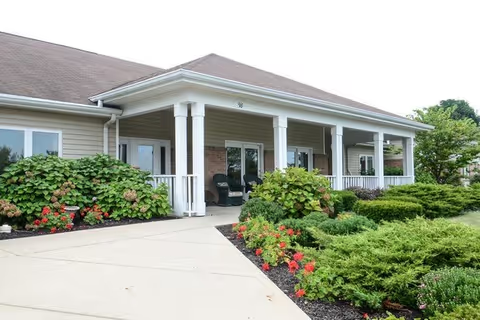
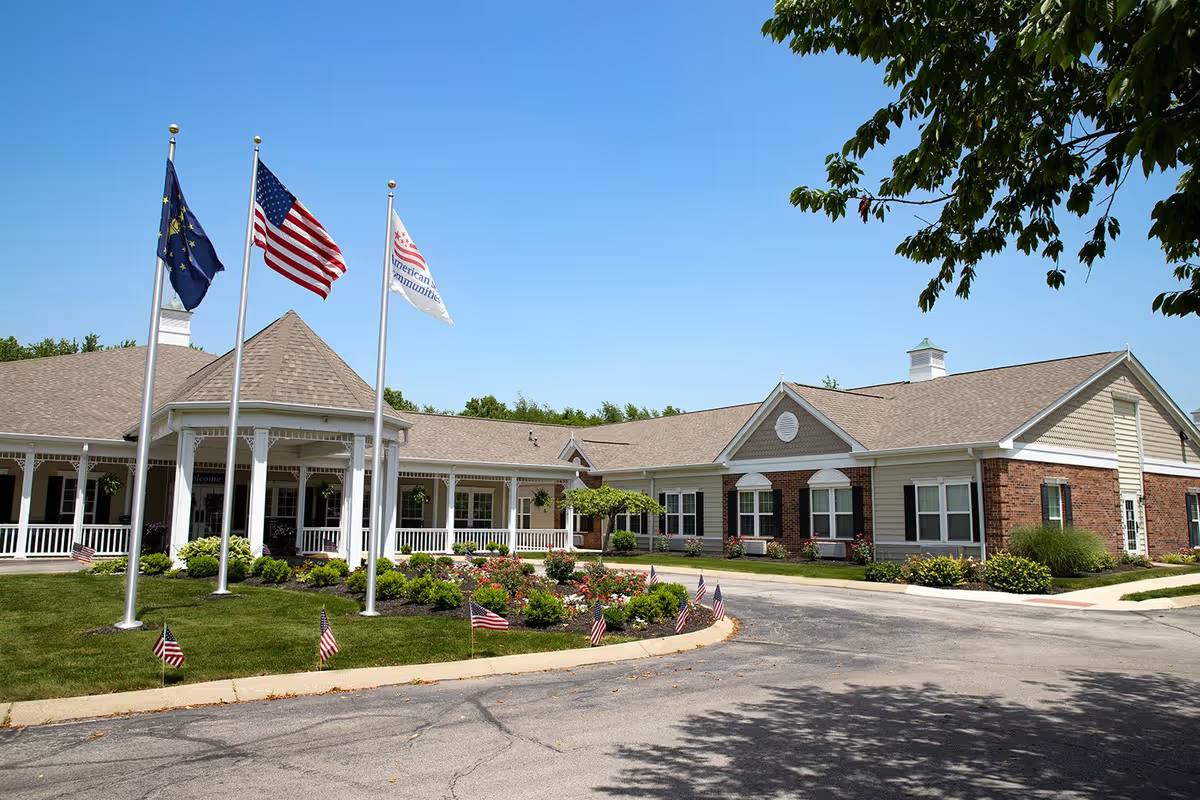
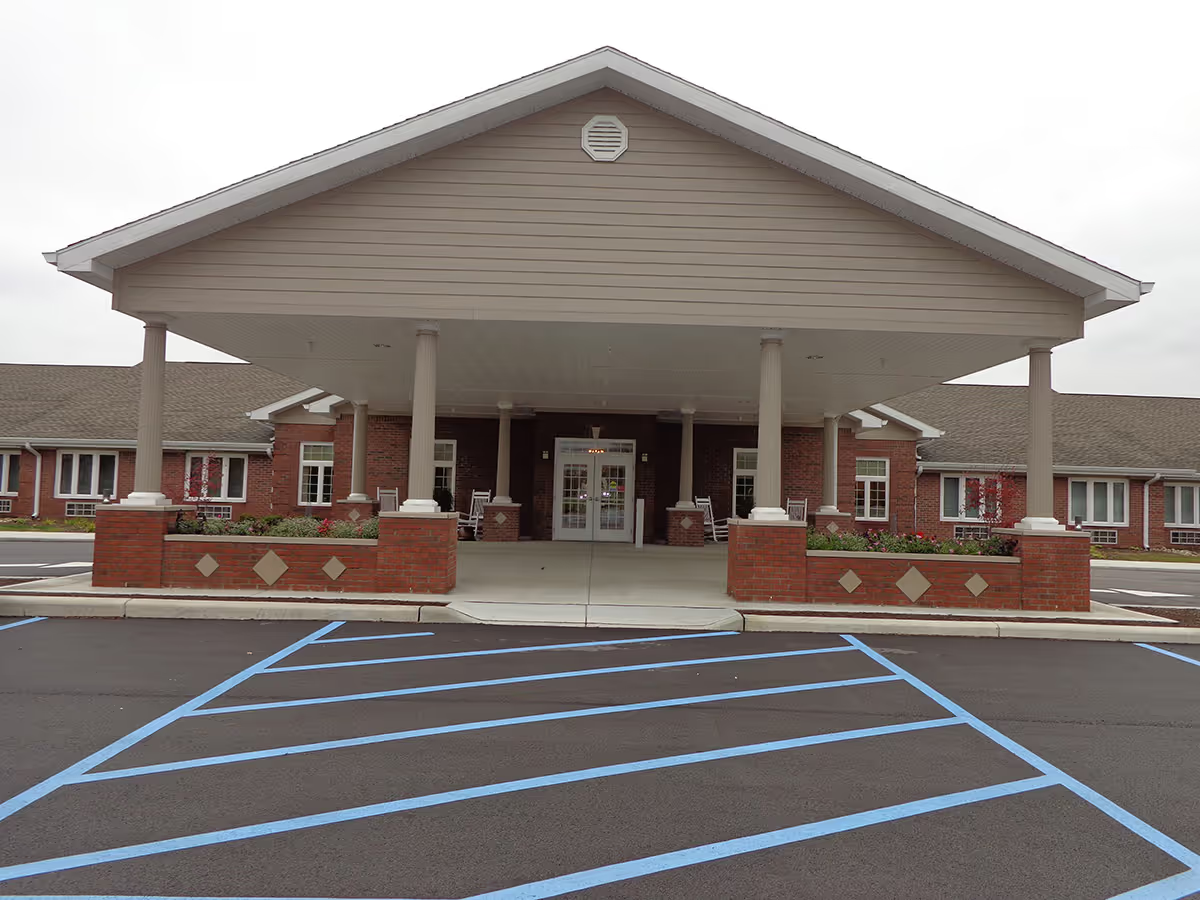
Facilities and operations The physical plant is commonly described as clean, well-kept, and odor-free, with housekeeping and laundry processes noted as thorough. Some operational weaknesses were identified: parking is limited, and room assignments or room sizes have caused discomfort for a few families (including shared or undersized rooms and occasional wrong assignments). These point to capacity and space-management constraints rather than an overall lack of upkeep.
Management and communication patterns Several families praised proactive administrative involvement, tours, and a visible leadership presence that advocates for residents. Conversely, other accounts describe inconsistent administrative responsiveness and variable communication during admissions or when changes occur. Reviewers recommended that families clarify scheduling, daily routines, and preferred communication channels on admission to reduce misunderstandings.
Notable patterns and guidance for families The dominant positive themes are strong therapy outcomes, caring frontline staff, and a clean, activity-rich environment suitable for both short-term rehabilitation and longer stays. The primary operational concerns to weigh are variability in clinical monitoring/response, occasional delays in addressing resident needs, inconsistent communication about schedules and care plans, meal variety limitations, and space/parking constraints. Prospective residents and families should consider asking targeted questions about clinical-monitoring protocols (especially for high-acuity needs), meal options and special-diet availability, room assignment practices, and the facility's preferred family-communication process during tours or pre-admission conversations.