Saint Anthony Rehabilitation & Nursing Center presents a mixed but clear pattern: many families and patients praise the facility for strong rehabilitative care, compassionate frontline staff, and a clean, community-oriented environment, while others note operational weaknesses that can affect clinical reliability and family confidence.
Care and staff: The facility is frequently described as having compassionate nurses and aides, with several mentions of staff who go beyond basic duties to support residents’ dignity and comfort. The physical and occupational therapy programs are commonly cited as skilled and effective, with measurable functional improvements and successful discharges to home. Long-tenured employees and a generally warm culture contribute to a supportive atmosphere; end-of-life care receives particular commendation for comfort and compassion. Counterbalancing these strengths are recurrent operational issues: families have described inconsistent supervision, delays in responding to call lights or clinical needs, and occasional lapses in hourly checks. Those patterns manifest as elevated fall risk and delayed incident response, and the facility appears to have variable performance in notifying families promptly after clinical events.
Dining and nutrition: Reviewers convey mixed experiences with food. Many residents and families find meals acceptable and note nutritional support during rehabilitation, but there are also accounts of inconsistent meal quality and concerns about strict therapeutic diets or inadequate meal assistance. One report of significant, unexplained weight loss highlights the importance of ongoing nutritional monitoring for higher-risk residents.
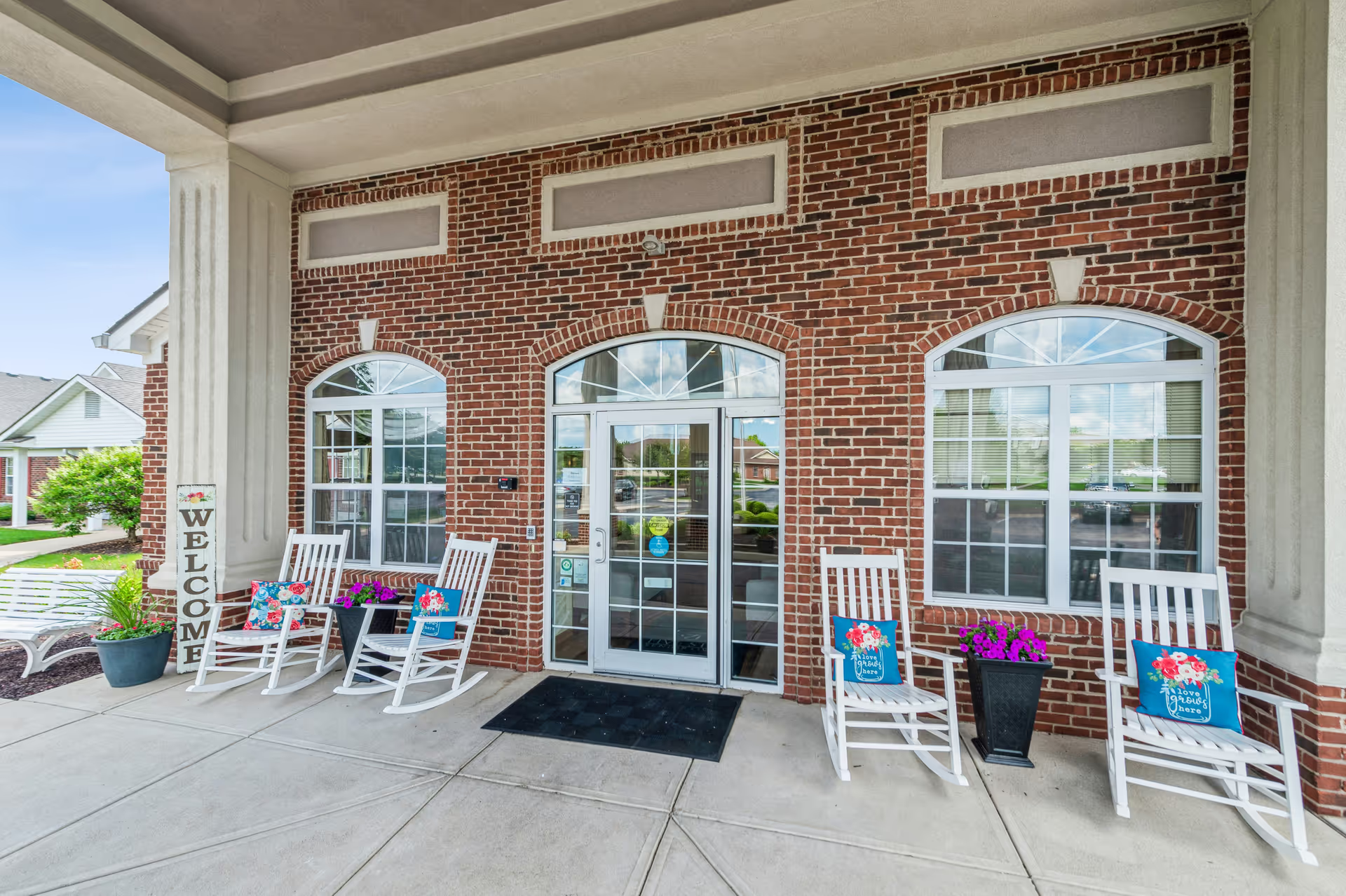
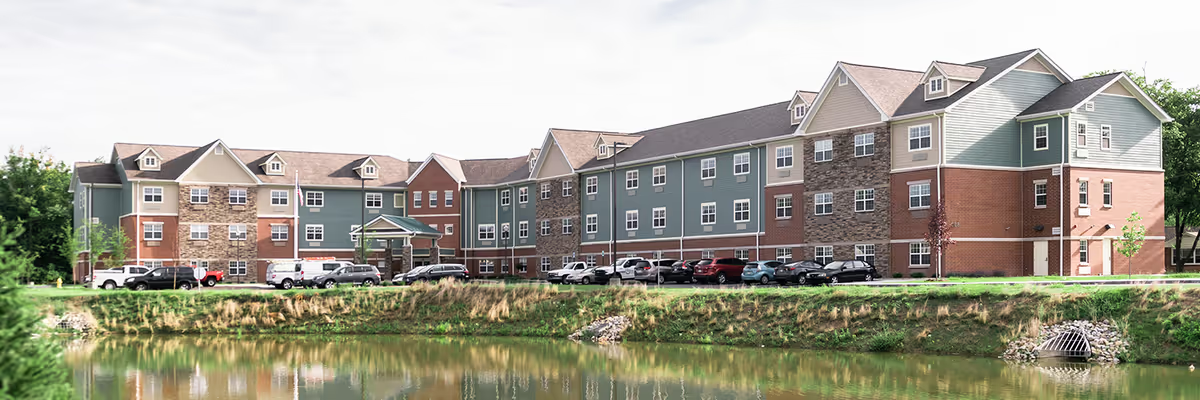
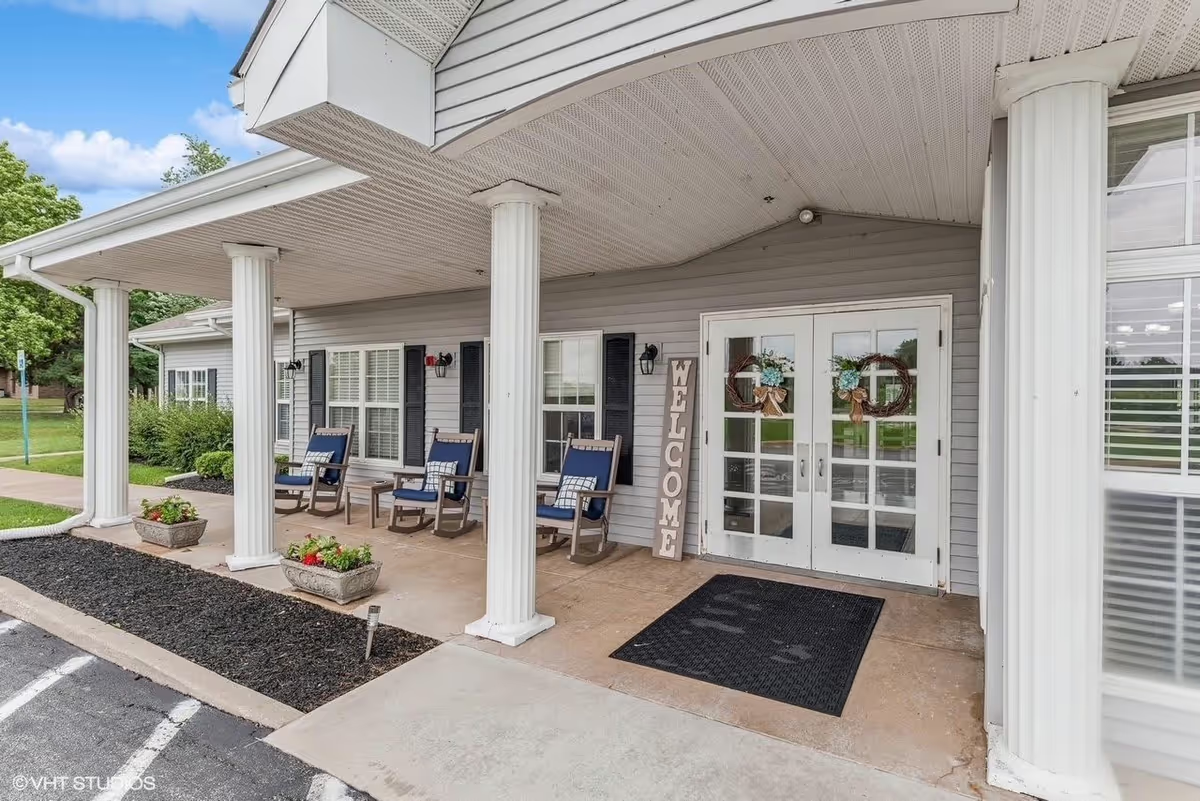
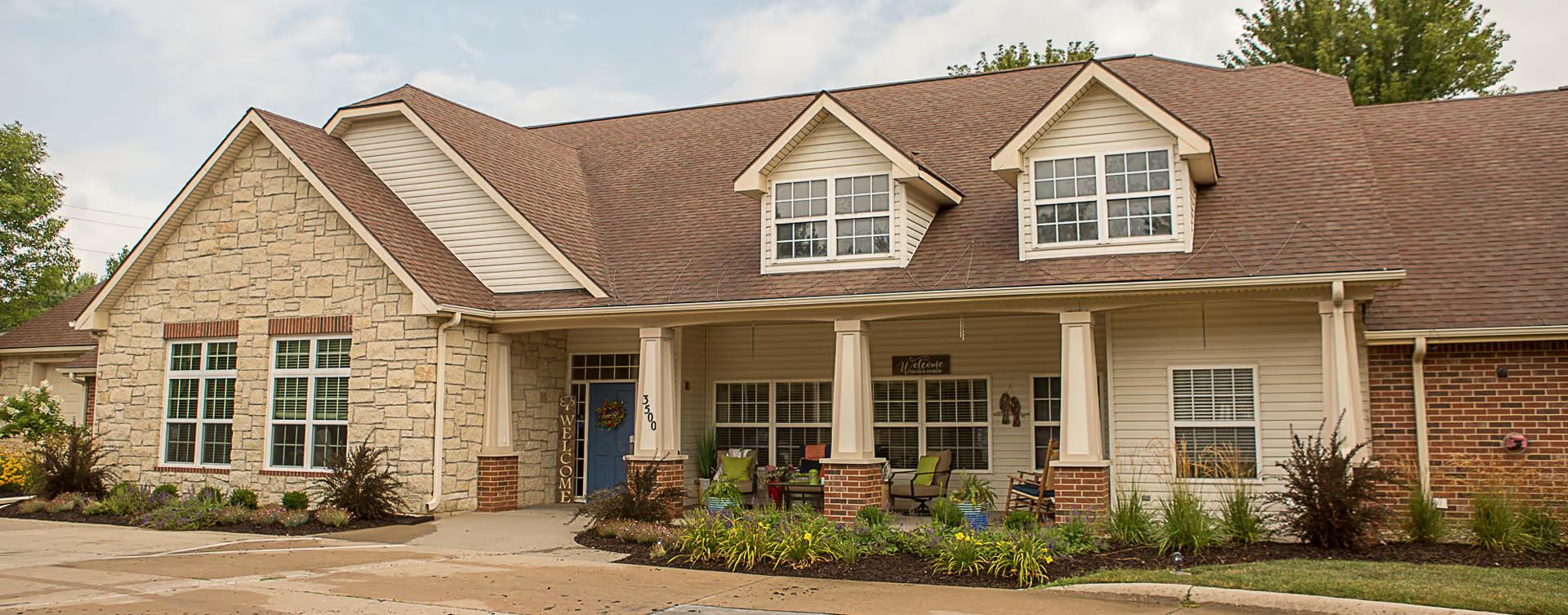
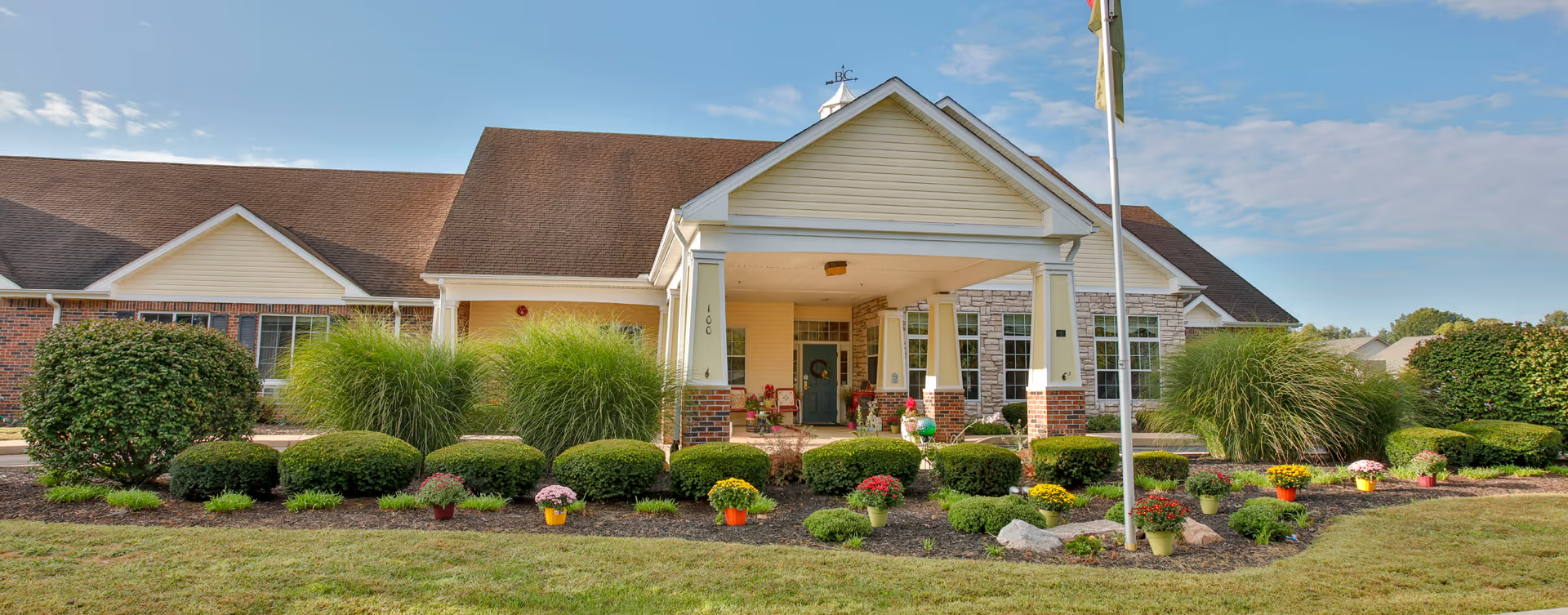
Activities and facilities: The facility offers an active schedule of programming — music, games, salon services, chapel services, holiday events, and outdoor courtyard access — which supports resident engagement and socialization. Common areas such as the lobby and therapy spaces are generally described as clean and pleasant, and rehab rooms and hallways are noted as spacious. At the same time, the building is described as older in parts; some rooms have lighting or view limitations, and shared-room configurations may constrain privacy for some residents.
Management, communication, and safety patterns: Communication quality appears inconsistent. Many families report timely, respectful interactions, while others describe poor communication from administration or clinical teams and a perception that management priorities are financially driven rather than patient-centered. There are also concerns about staff conduct and tone in isolated instances. Security and property-safekeeping are an area of concern for some families; there are allegations regarding personal-item losses, which suggests the need for clearer property-protection practices. Prospective residents and families should note these issues and confirm facility policies and practices around incident reporting, property security, and family notification.
Overall recommendation for prospective families: Saint Anthony has demonstrable strengths in rehabilitation, compassionate caregiving, cleanliness of common areas, and resident programming. However, variability in staffing consistency, response times, meal reliability, and administrative communication suggests prospective residents should perform targeted due diligence. Recommended actions during a tour or inquiry include asking about staffing ratios and shift supervision, average response time to call lights, protocols for fall prevention and incident notification, nutrition monitoring plans for at-risk residents, property-security measures, and examples of how management addresses family concerns. These steps can help families balance the facility’s rehabilitative strengths against the operational risks highlighted by some reviewers.