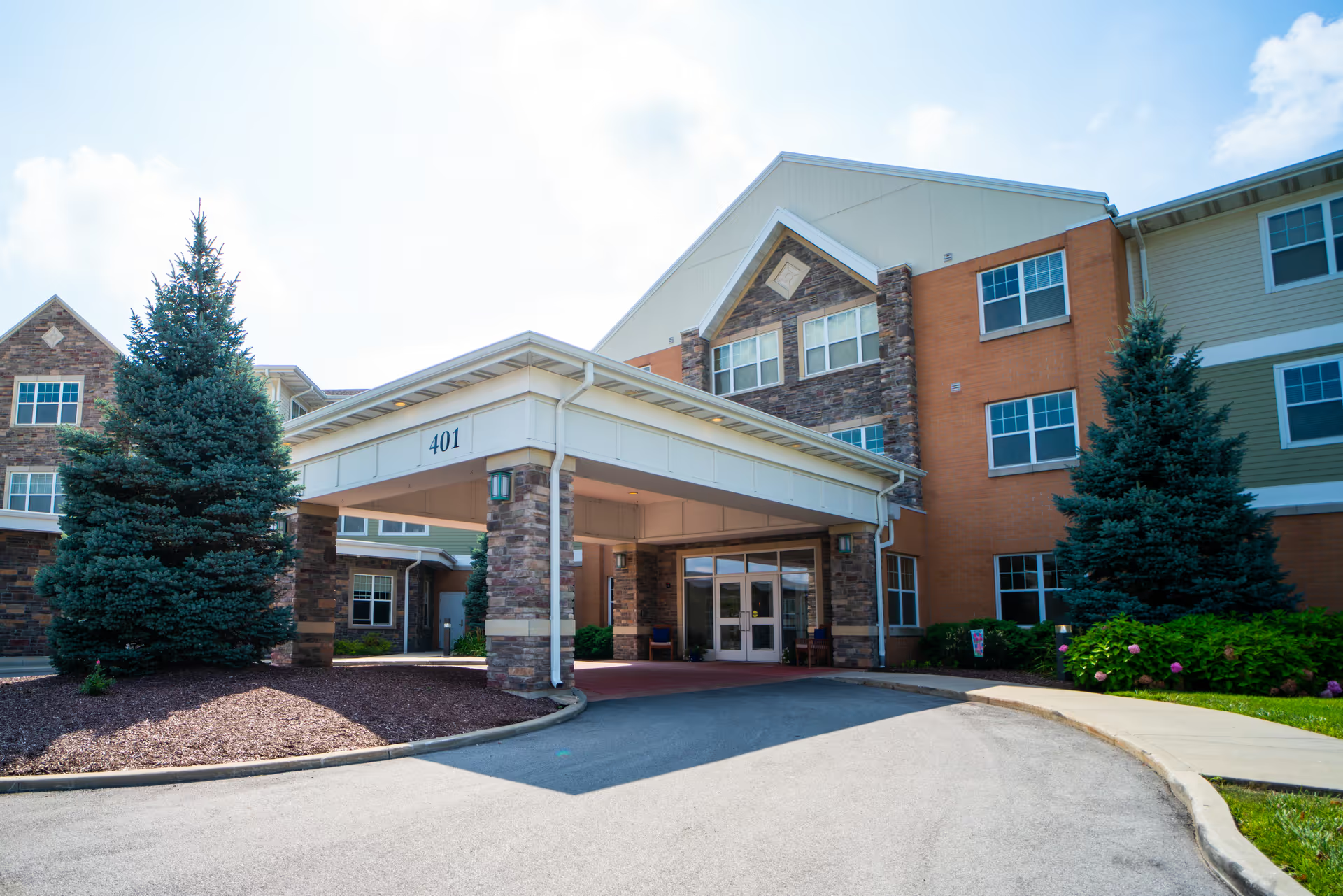
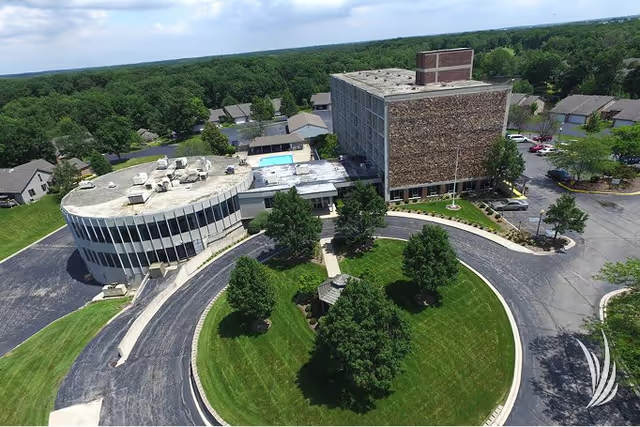
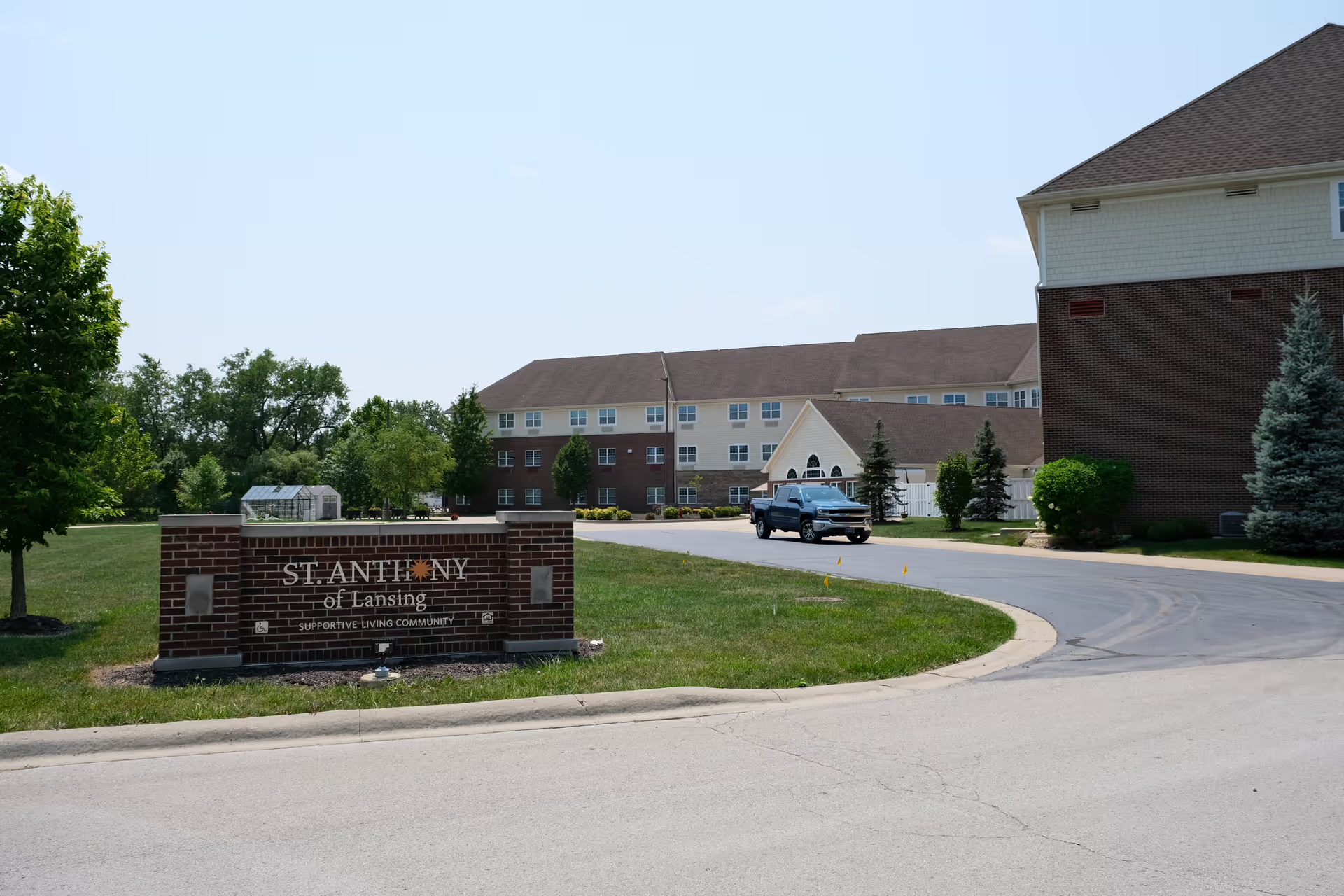
Reviews of Brickyard Healthcare - Merrillville Care Center present a mixed picture in which clear strengths coexist with recurring operational weaknesses. Many families and residents praised individual caregivers, therapy staff, and specific administrators for kindness, responsiveness, and effective coordination during admissions and transitions. Physical and occupational therapy, hospice integration, dementia-care offerings, and resident activities (including birthday recognitions and live entertainment) receive consistent positive remarks. These elements suggest the facility can deliver strong rehabilitative and person-centered programming under favorable staffing and management conditions.
At the level of direct care, accounts diverge. Positive experiences describe attentive nurses and CNAs, timely pain management, and measurable progress in therapy. Conversely, other accounts identify delays in responding to call lights and care requests, inconsistent medication delivery and timing, and lapses in wound and incontinence-related care. A small number of reviews describe escalations to higher levels of care following clinical deterioration; families recommended careful monitoring of clinical-safety processes and escalation protocols when evaluating the facility.
Staffing and staff conduct are prominent themes. Several reviewers singled out specific staff and administrators as exceptionally helpful and proactive, and some families reported improvements after management changes. At the same time, reviewers described uneven staff training, high turnover, limited coverage on nights and weekends, and variability in staff professionalism and communication tone. These workforce dynamics appear to contribute to inconsistencies in day-to-day care continuity and family experience.
Dining and activity feedback is similarly mixed. Some residents are described as well fed and engaged in activities; others reported cold or rushed meals and inconsistent meal delivery to rooms. Activity programming and communal spaces were viewed positively when staffing and supervision were adequate. Facility condition feedback ranges from praise for tidy grounds and renovated common areas to concerns about sanitation practices, localized odor issues, noisy equipment during quiet hours, and occasional maintenance shortcomings.
Management and communication show both strengths and weaknesses. Multiple families appreciated proactive administrators and responsive social services, and some reviewers credited new management with visible improvements. However, others reported slow callbacks, difficulty reaching the facility by phone, and situations that required escalation to corporate for resolution. A few reviewers expressed concerns about admissions communication and expectation-setting during placement.
Taken together, the pattern is one of variability: the facility appears capable of providing high-quality, compassionate care in many cases—particularly where therapy, hospice, and engaged administrative support are present—but operational challenges such as staffing stability, cleanliness consistency, medication/treatment timing, and family communication create uneven experiences. Prospective residents and families should consider on-site visits during multiple shifts (including evenings and weekends), ask targeted questions about staffing and clinical oversight, observe dining and housekeeping routines, and request specifics on medication administration, wound-care protocols, and escalation processes before making placement decisions.