Overall impression: The reviews for Lincolnshire Health Care Center are highly polarized. Many families and former patients describe attentive, compassionate caregivers, strong wound care and rehabilitation outcomes, and an active activities program that contributes positively to residents’ quality of life. At the same time, there are numerous accounts indicating operational inconsistencies that affect safety, hygiene, and family confidence.
Care quality: Clinical experiences vary. Positive accounts highlight knowledgeable nurses, effective wound-care interventions, coordinated hospice services, and measurable therapy progress. However, other reports point to lapses in basic nursing processes including delayed assistance with incontinence needs, inconsistent linen changes, and concerns about medication administration and documentation. Several families described communication gaps after critical events and concerns following a resident's death.
Staff and conduct: Staff behavior and responsiveness appear inconsistent across shifts and units. Many reviews praise specific caregivers, activities staff, therapists, and an engaged admissions team for being compassionate and communicative. Conversely, other comments describe unhelpful or rude interactions, missed callbacks, and slow responses to call lights. These patterns suggest variability in training, supervision, and staffing ratios that can materially affect resident experience.
Dining and therapy services: The facility offers in-house rehabilitation and therapy programs; multiple accounts attest to positive therapy outcomes and supportive rehab teams. Dining feedback is mixed: some families note satisfactory dietary support, while others report cold or low-quality meals and limited meal variety. Meal service continuity and temperature control are recurring operational concerns.
Activities and social programming: The activities program and activities director receive consistent praise for offering varied, inclusive events, outings, and social engagement that many families find meaningful. These programs are frequently described as a strength and a contributor to a family-like atmosphere.
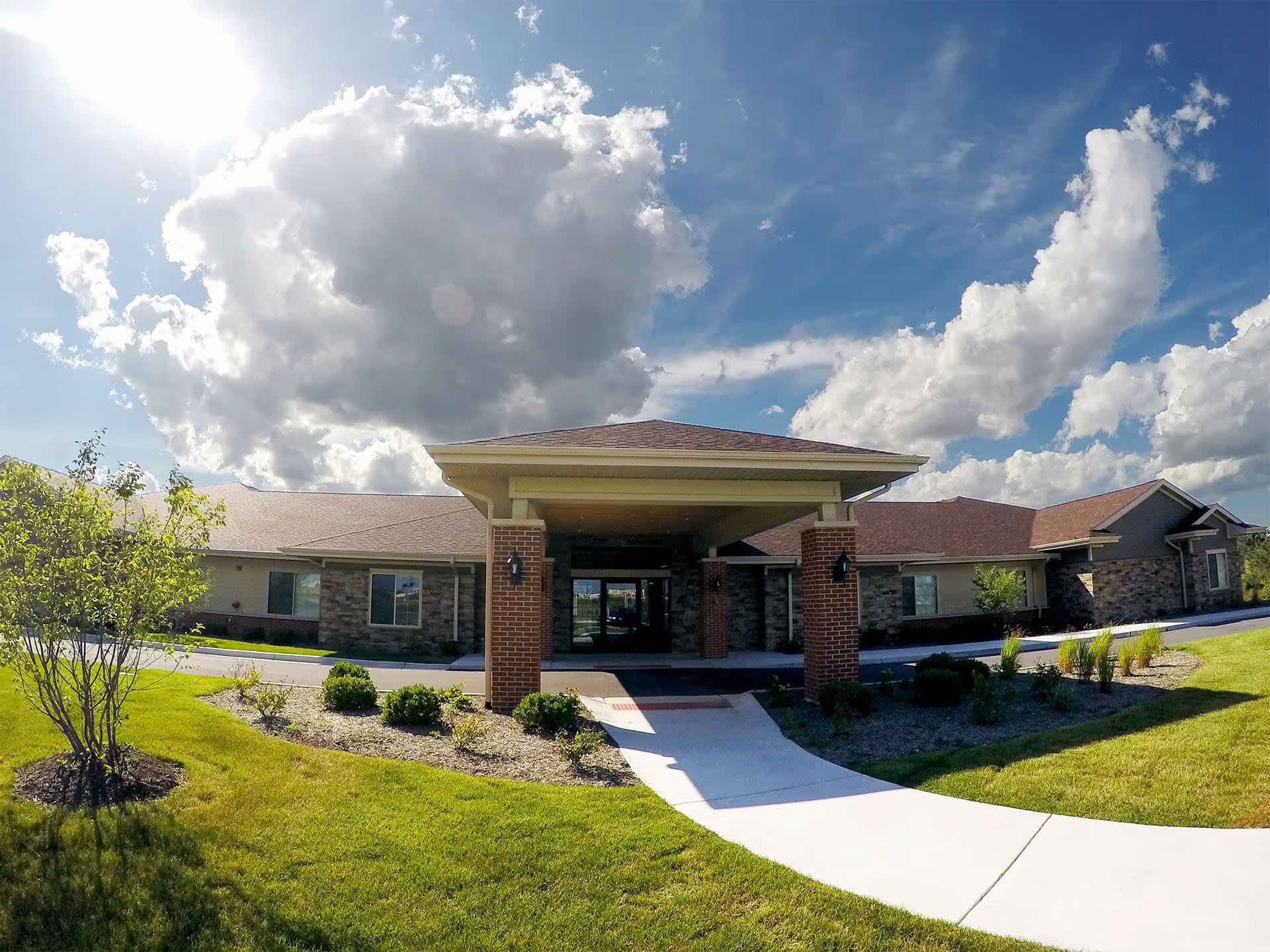
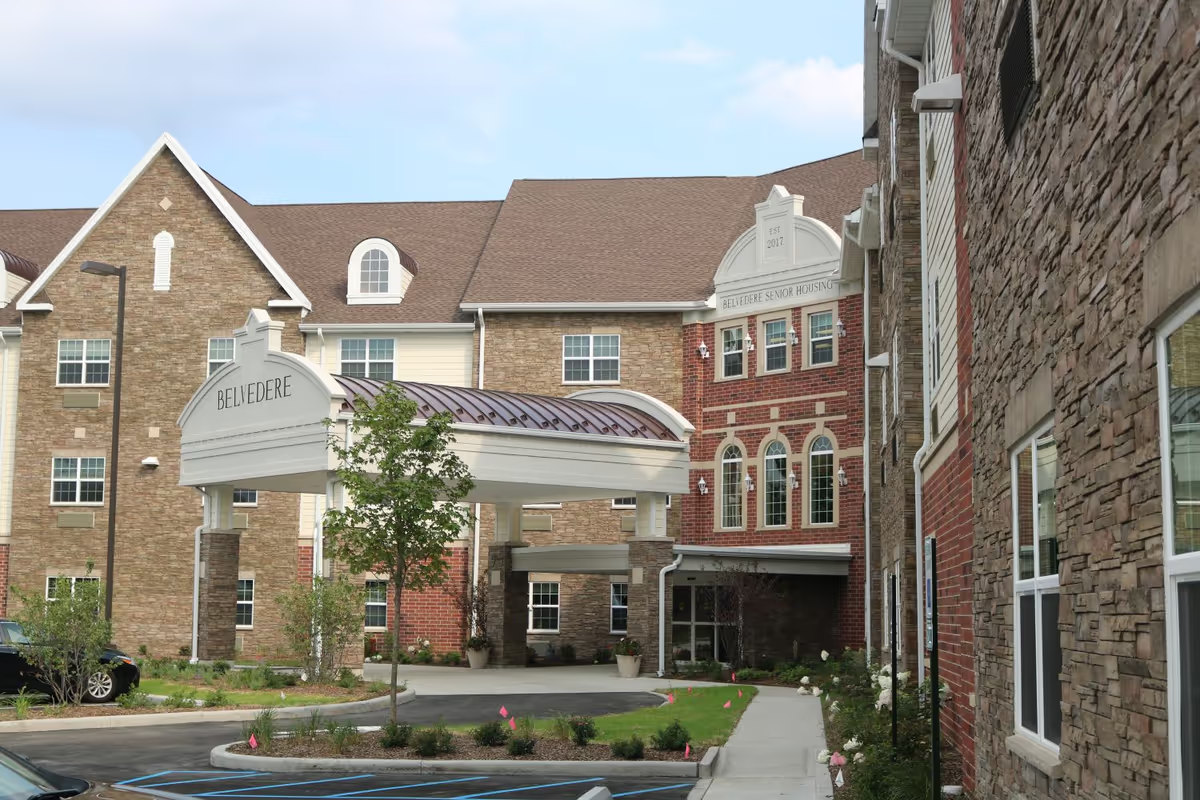
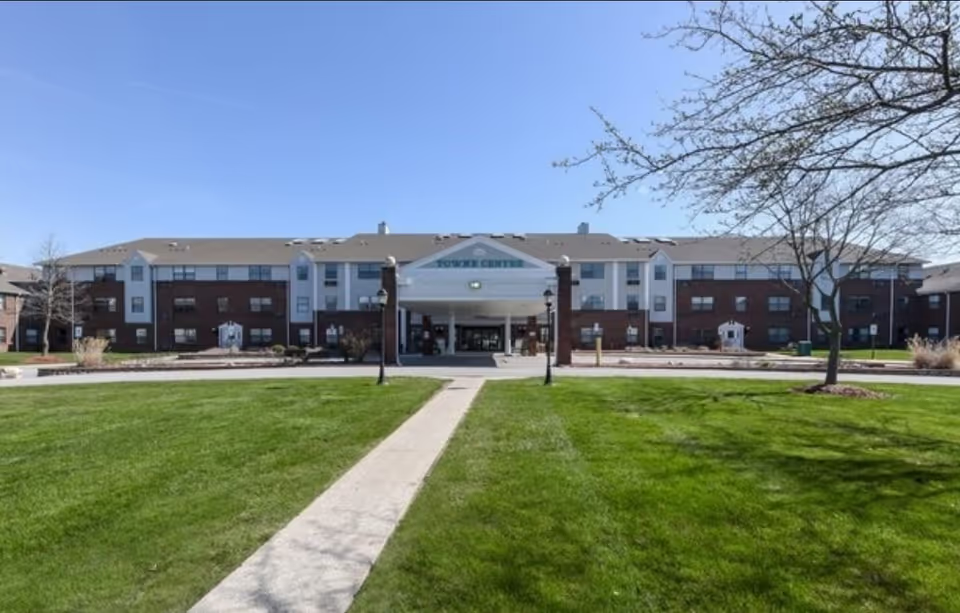
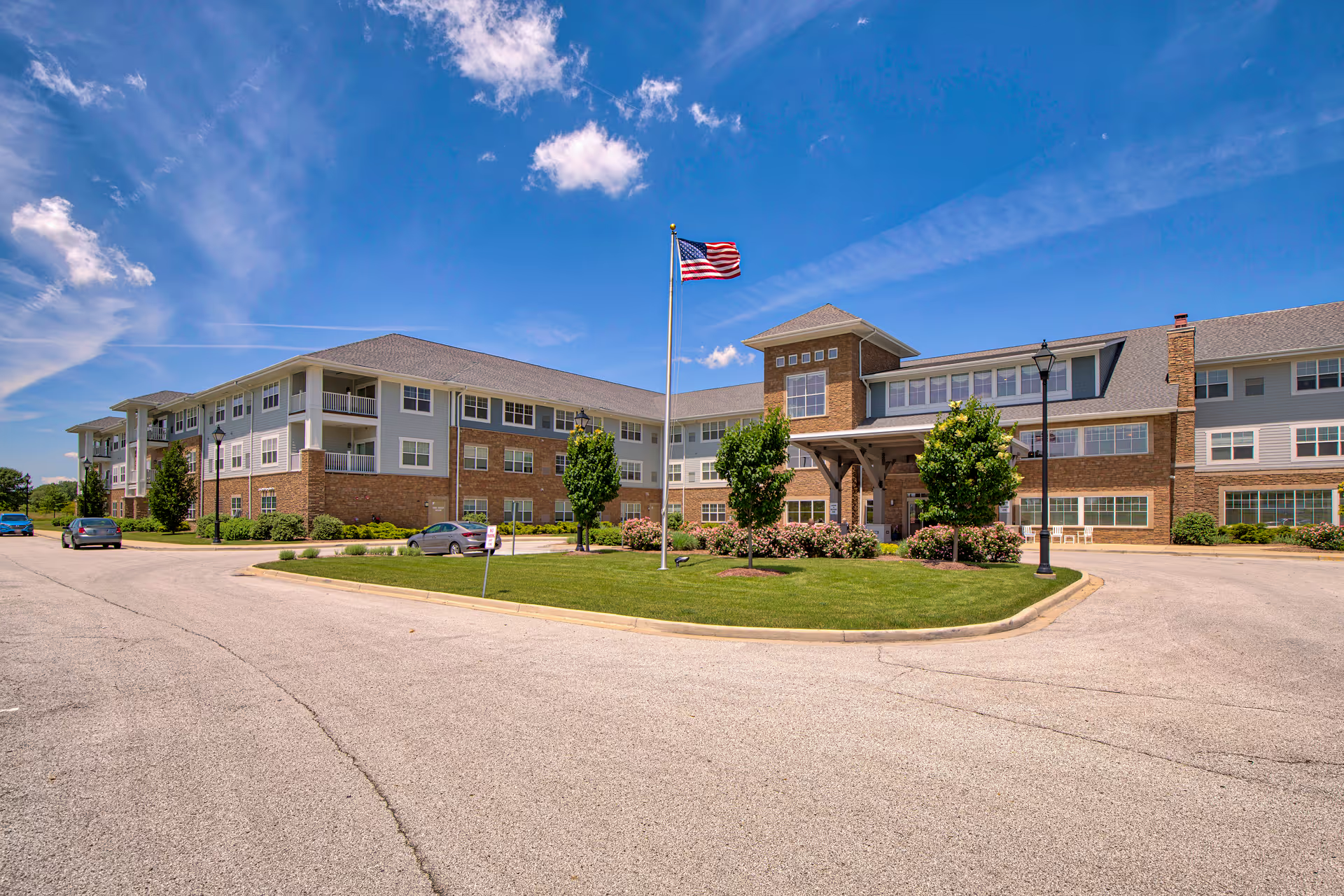
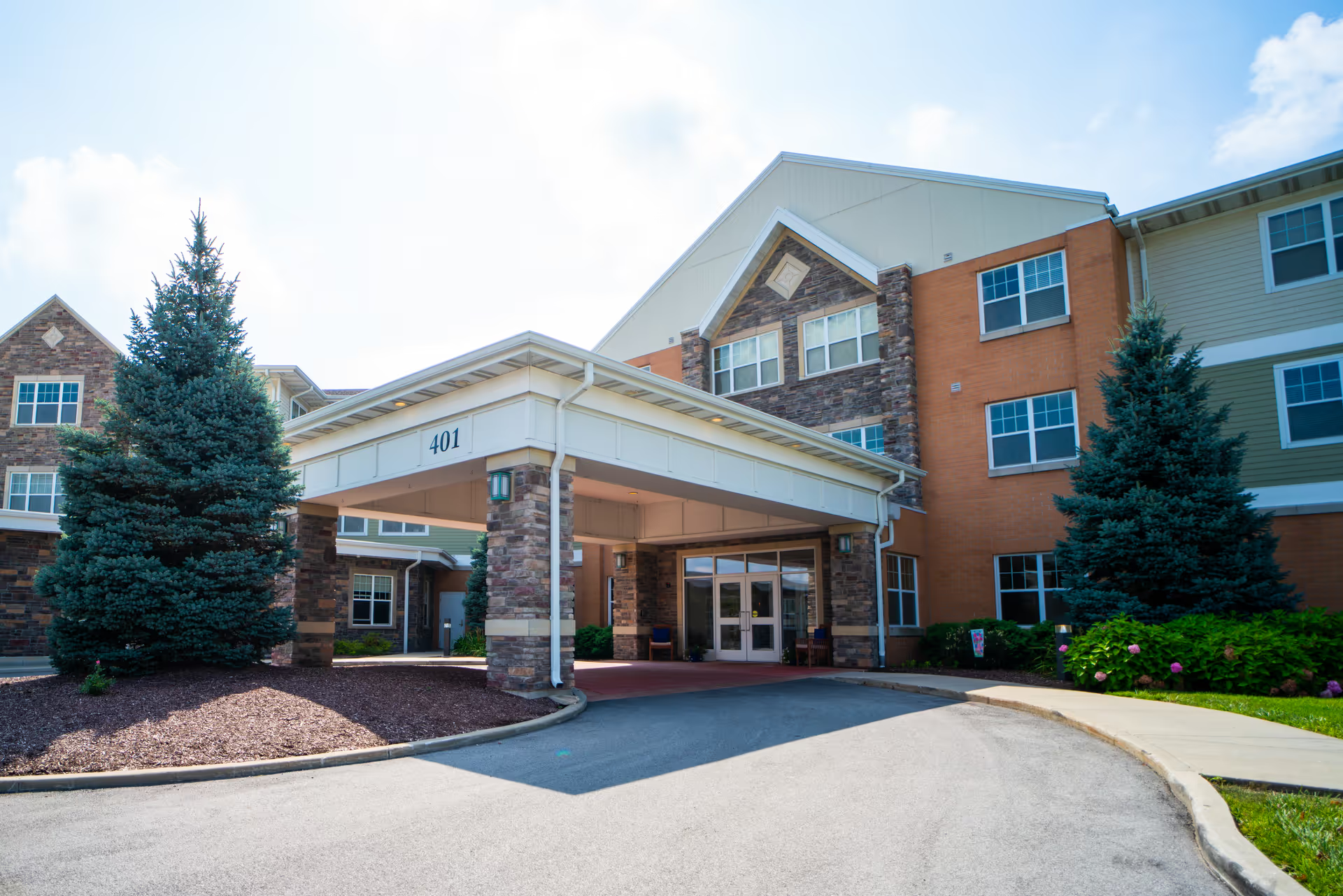
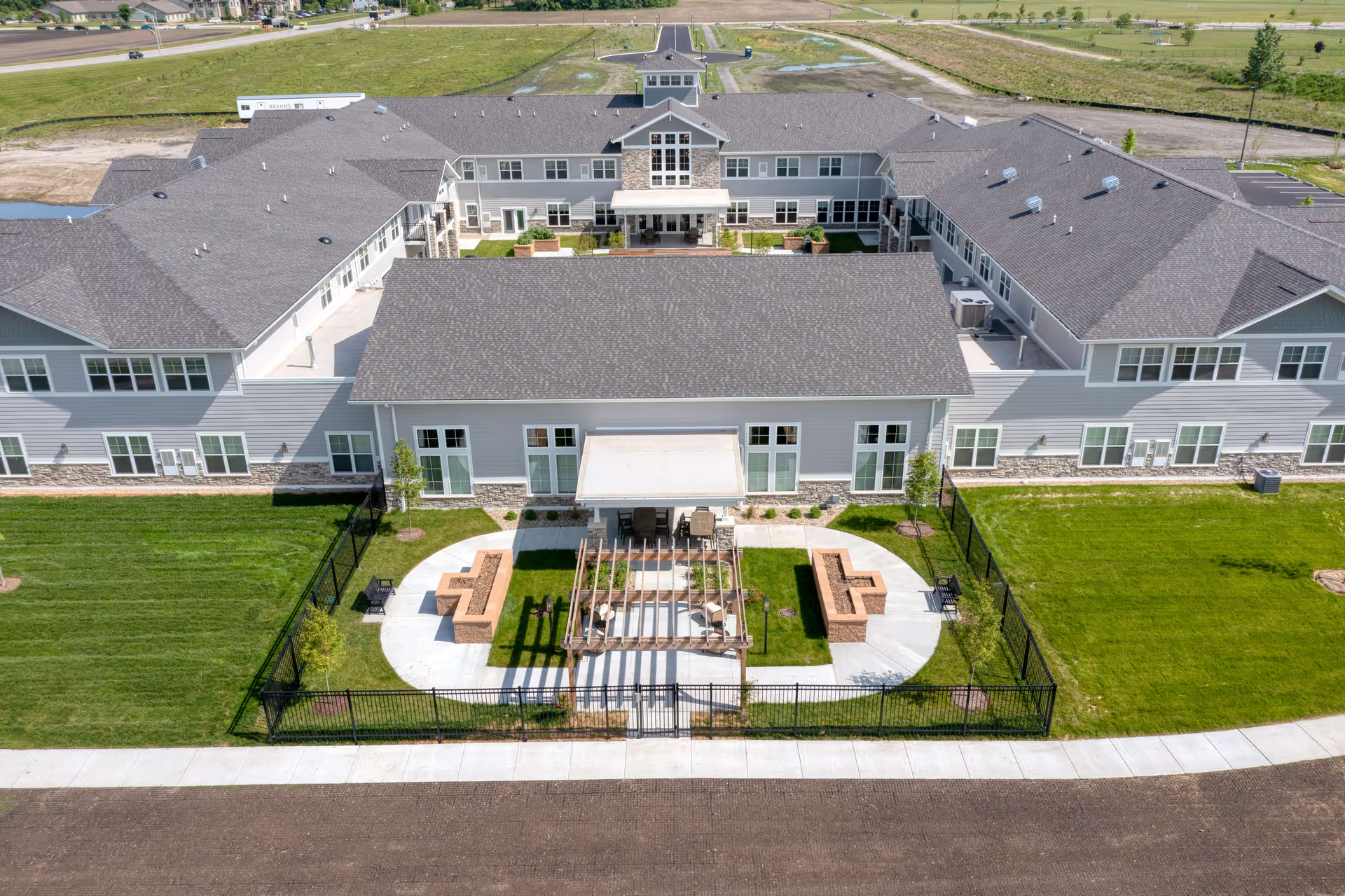
Facilities and maintenance: Observations about the physical environment are mixed. Some reviewers describe the facility as clean and well-maintained, while others cite water damage, peeling paint, missing blinds, and areas requiring remodeling. Sanitation concerns and odor issues are reported in certain units, indicating inconsistency in environmental management and housekeeping processes.
Management and safety: Administrative responsiveness also varies. There are citations of prompt resolution and clear communication when leadership is engaged, and separate accounts of follow-through failures and poor family notification. Security and access-control practices were identified as a weakness, with concerns about 24/7 open access and inconsistent visitor screening. There are also serious, specific allegations including theft and medication diversion that warrant attention and may require regulatory review.
Notable patterns and guidance: The dominant pattern across reviews is variability — some residents receive strong, coordinated care and family-centered communication, while others experience operational shortfalls in staffing, sanitation, medication handling, and responsiveness. Prospective families should consider on-site, staggered visits across multiple shifts, ask for written policies on medication management, incident notification, staffing ratios, in-room communication options, and security procedures, and review documentation of wound care and therapy plans. Ask admissions about phone and connectivity options if out-of-state communication is important. If serious concerns arise, escalate promptly to facility leadership and the appropriate regulatory agencies.
In summary, Lincolnshire demonstrates clear strengths in individualized care, therapy, and activities for many residents, but also shows recurring operational weaknesses that lead to inconsistent experiences. Careful, targeted inquiry and observation can help families assess whether the facility’s strengths align with a prospective resident's needs and expectations.