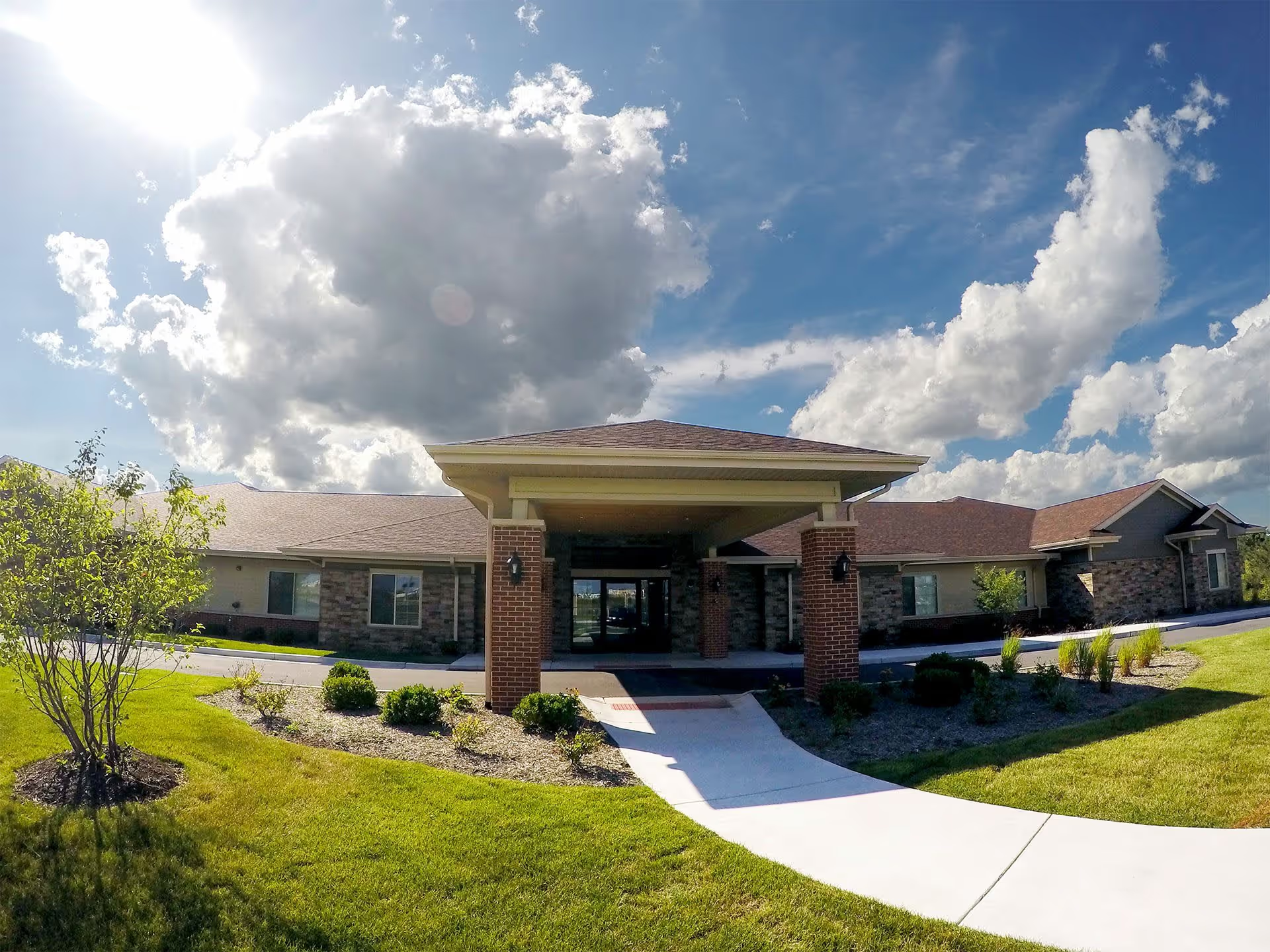
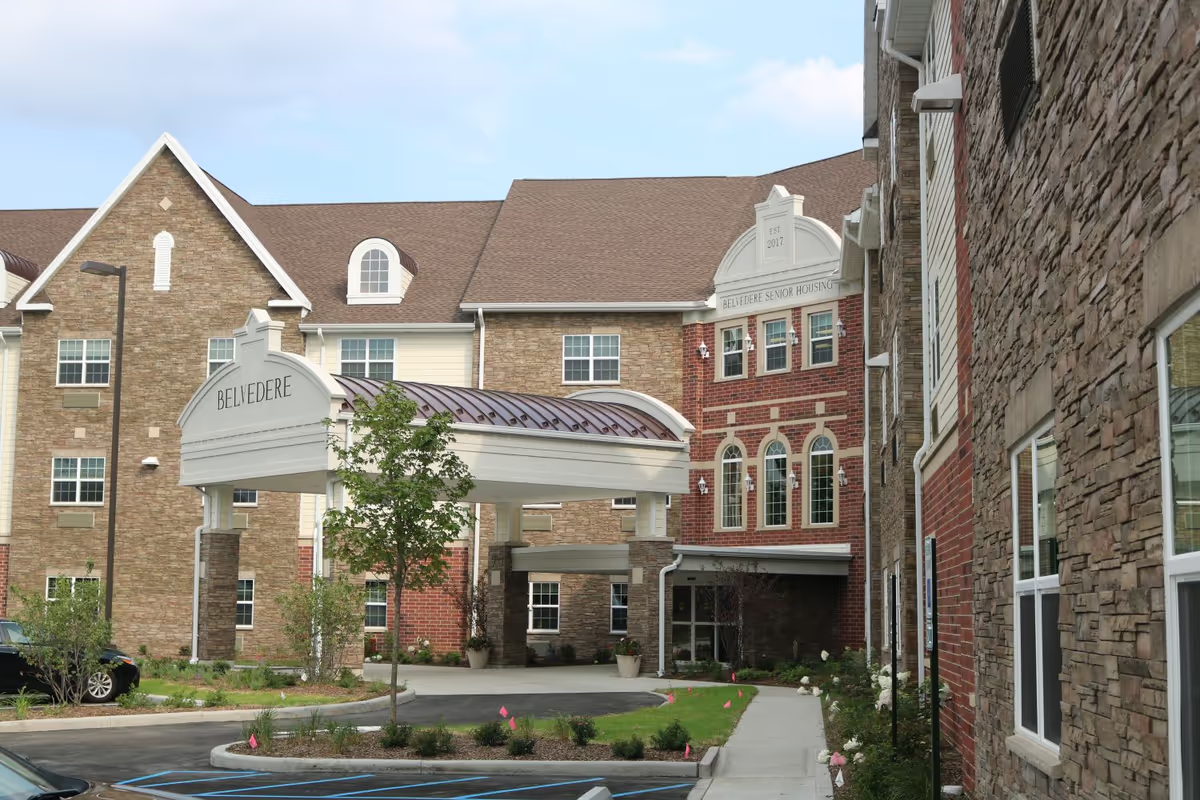
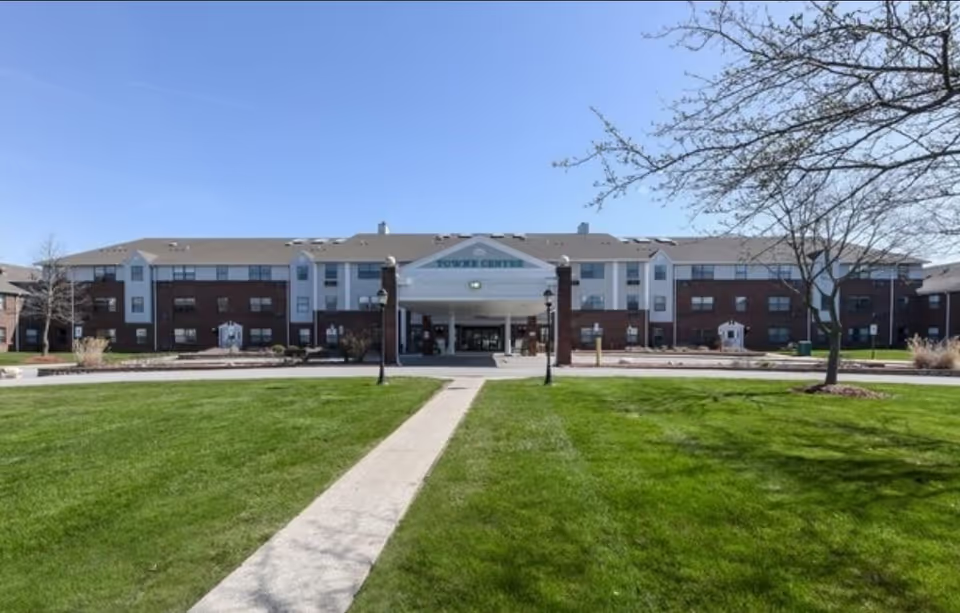
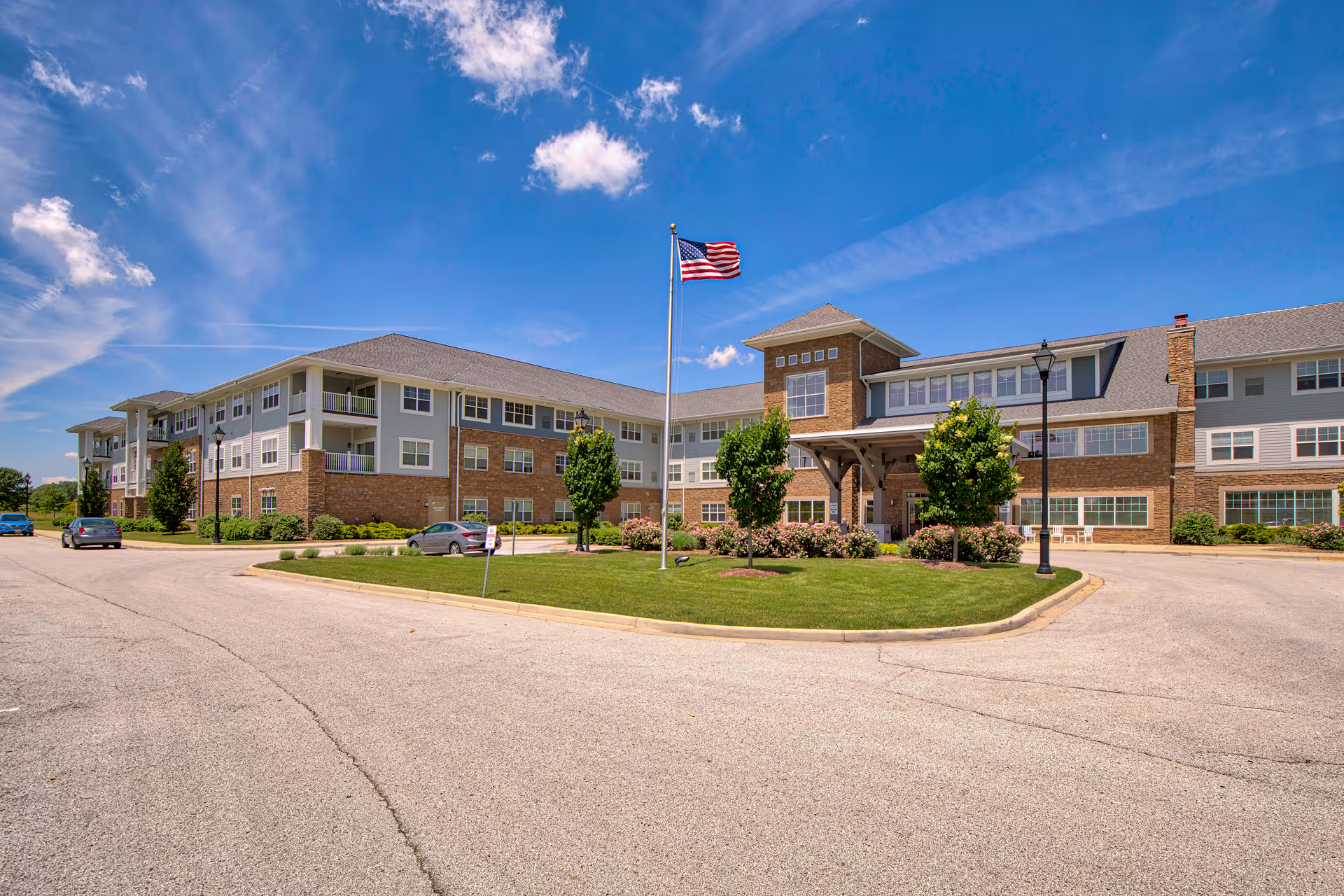
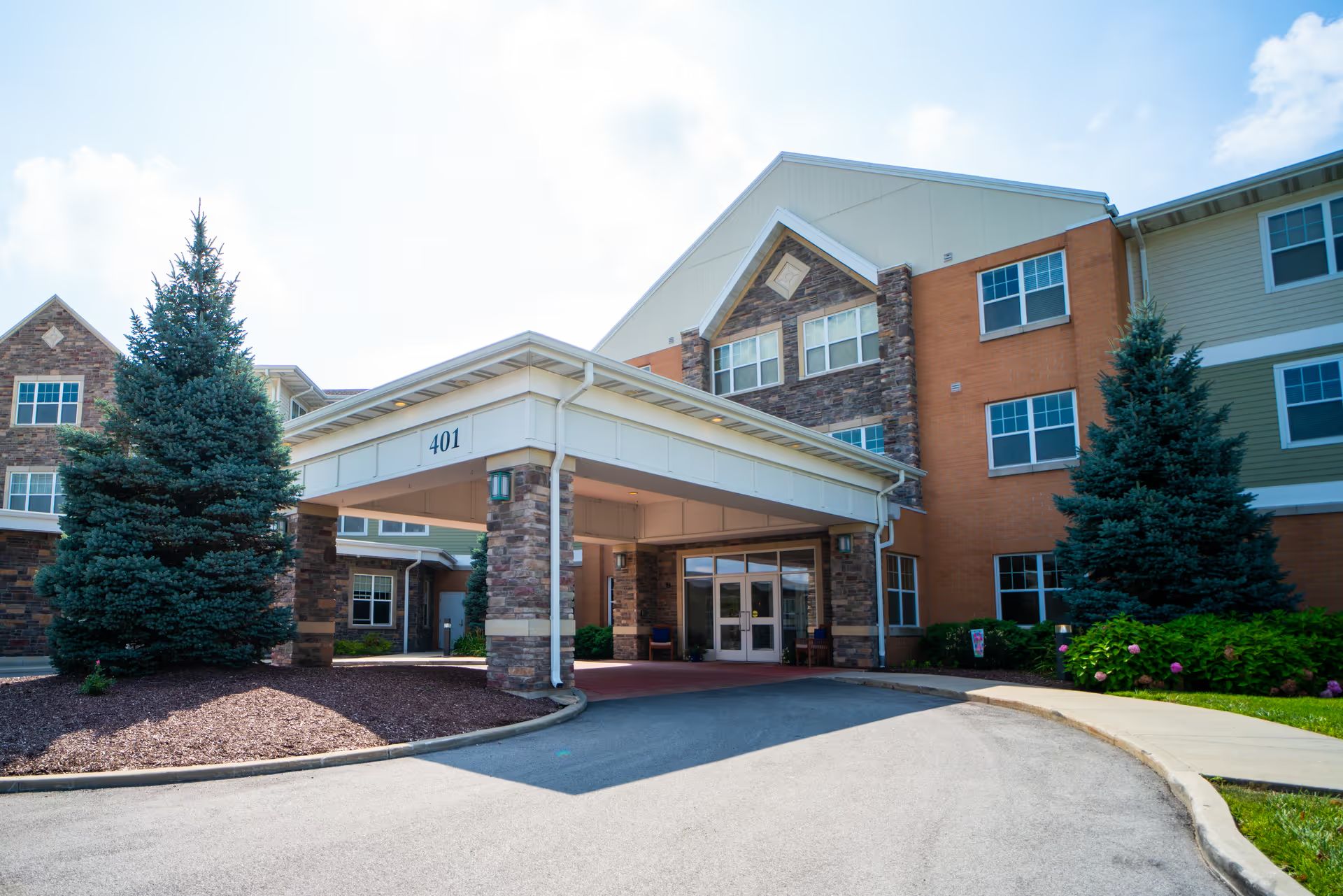
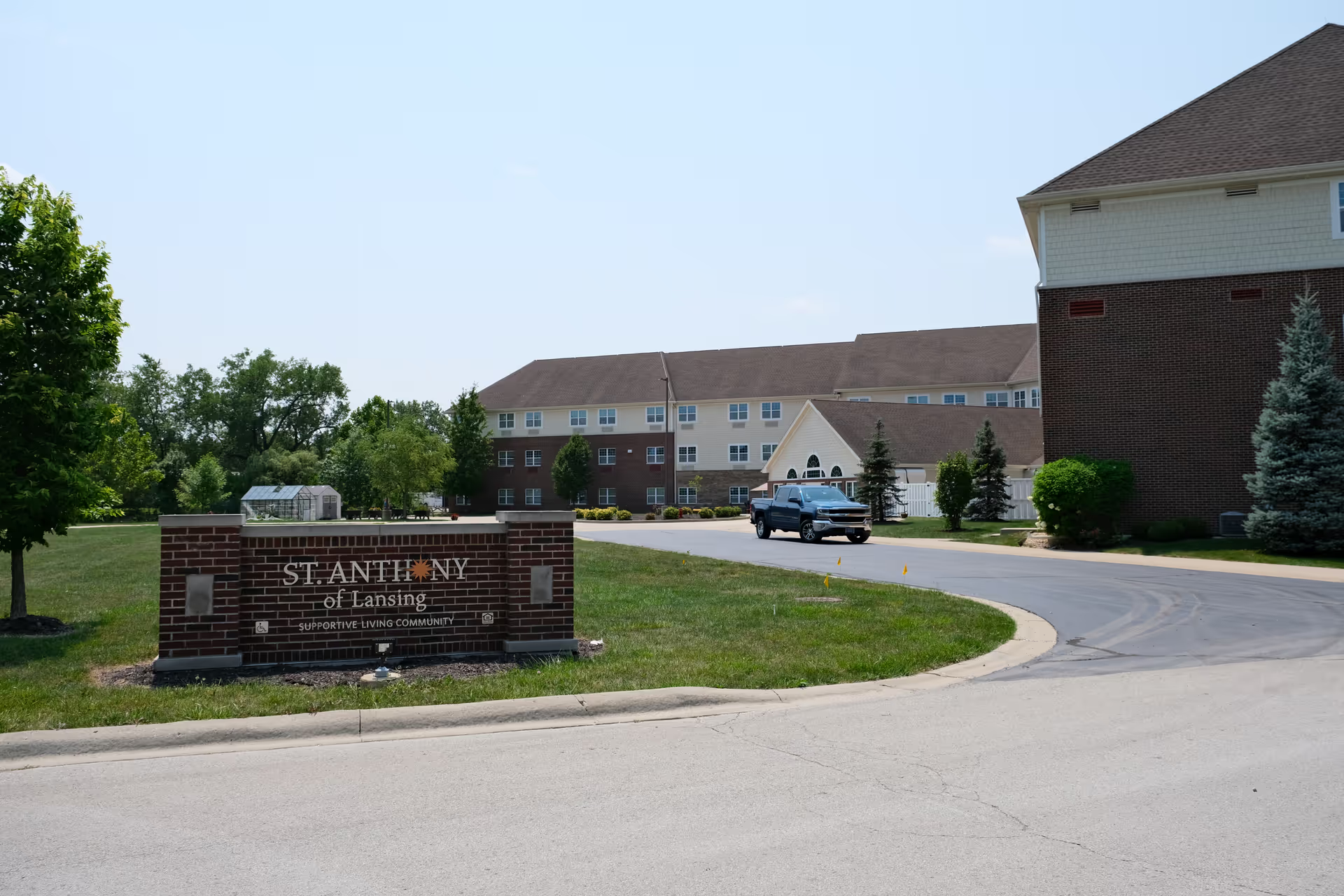
Virginia Place presents as a small, single-floor assisted living community with a broadly home-like atmosphere and several operational strengths. Many reviewers praised direct-care staff as compassionate and personable, and described strong one-on-one relationships between staff and residents. The facility's physical plant and grounds are frequently described as clean and well maintained, with renovated apartments, courtyard/patio access, and a range of onsite amenities including salon and activity spaces that support resident comfort and social connection.
Dining and activities are recurring positives. Reviewers note an active chef, restaurant-style dining, themed dinners, and a broad activities calendar that includes live music, movie nights, bus trips, Bingo, faith-based programming, and regular social events. Transportation to medical appointments and local shopping is available, and the small-community size contributes to frequent resident engagement and social opportunities.
Care quality is mixed in reviewer experience. Many families describe attentive, caring staff and smooth move-ins, while others raised concerns about responsiveness, inconsistent clinical follow-through, and variable training among frontline employees. A pattern of staffing continuity challenges and episodic reliance on temporary or agency personnel appears linked to these inconsistencies. There are also specific concerns around medication-management processes and controlled-substance controls; families should ask the community for policy details and recent audit or inspection information during their tour.
Management and operations show strengths and weaknesses. Several reviewers praised private ownership responsiveness and proactive follow-up from admissions staff and district managers. Conversely, other reviewers describe management instability following ownership or leadership changes, which some felt altered the facility culture and activity offerings. Communication with families can be uneven—prospective residents should confirm preferred family-notification practices and escalation pathways.
Facility limitations and financial considerations: the community is described as older in places (smaller room footprints in some unit types) but generally well maintained. Reviewers point to limited clinical capabilities—certain complex therapies and post-acute needs (for example, some PIC-line care or Medicare-covered skilled stays) may not be accommodated—and there are reports of inconsistent acceptance of residents after hospital events. Virginia Place does not broadly accept Medicare/Medicaid, and several families perceived the cost as high relative to the level of care received; verify payer acceptance and contract terms in advance.
What to verify on a visit: ask for documentation of staffing ratios and recent turnover rates, medication-administration and controlled-substance policies, examples of family communication logs, infection-control and sanitation audit results, the facility's respite/short-stay policy, and sample menus with meal-substitution procedures. Prospective residents who value a small, activity-rich, home-like environment may find Virginia Place a good fit; families prioritizing robust clinical services, guaranteed post-hospital readmission, or public-payer coverage should confirm capabilities before deciding.