Reviews for Aperion Care Arbors Michigan City present a highly mixed picture. Many reviewers praise individual staff members, therapy teams, and the admissions/social-work functions, while an overlapping set of critiques highlights persistent operational weaknesses. The result is a polarized pattern in which some families describe strong short-term rehabilitation outcomes and compassionate daily care, and others report recurrent basic-care and safety shortfalls.
Care quality appears to vary by unit, shift, and case. Positive accounts emphasize effective physical and occupational therapy, attentive short-term rehab outcomes, and staff who go the extra mile to keep residents comfortable. Conversely, recurring clinical concerns include delayed or missed medication administration, inconsistent bathing schedules and incontinence-care processes, wound-care and pressure-injury risk, and prolonged response times to bedside requests. Several reviews also raise safety issues related to transfers and falls; these suggest gaps in transfer-safety practices and in monitoring that may increase risk for vulnerable residents.
Staff behavior and communication are another area of clear divergence. Many reviews highlight compassionate, friendly, and helpful caregivers and nurses, as well as a helpful admissions experience and an effective social-work presence. At the same time, families frequently report unresponsiveness, lapses in bedside attention, and tensions in staff–family communication. Reviews point to variability in professionalism across shifts and to concerns that management does not always address family complaints promptly.
Dining and activities are likewise mixed. The facility receives steady praise for its activities programming, community involvement, and fundraising events that engage residents and the surrounding community. These offerings appear particularly valuable for ambulatory and socially engaged residents. However, complaints about inconsistent meal temperature, food quality, and occasional service interruptions are common enough to be an operational concern for those who rely on regular, nutritious meals.
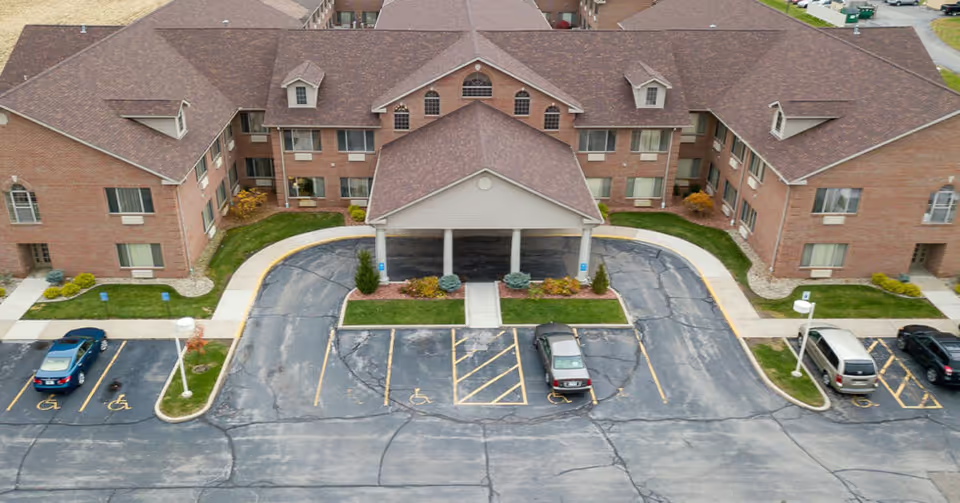
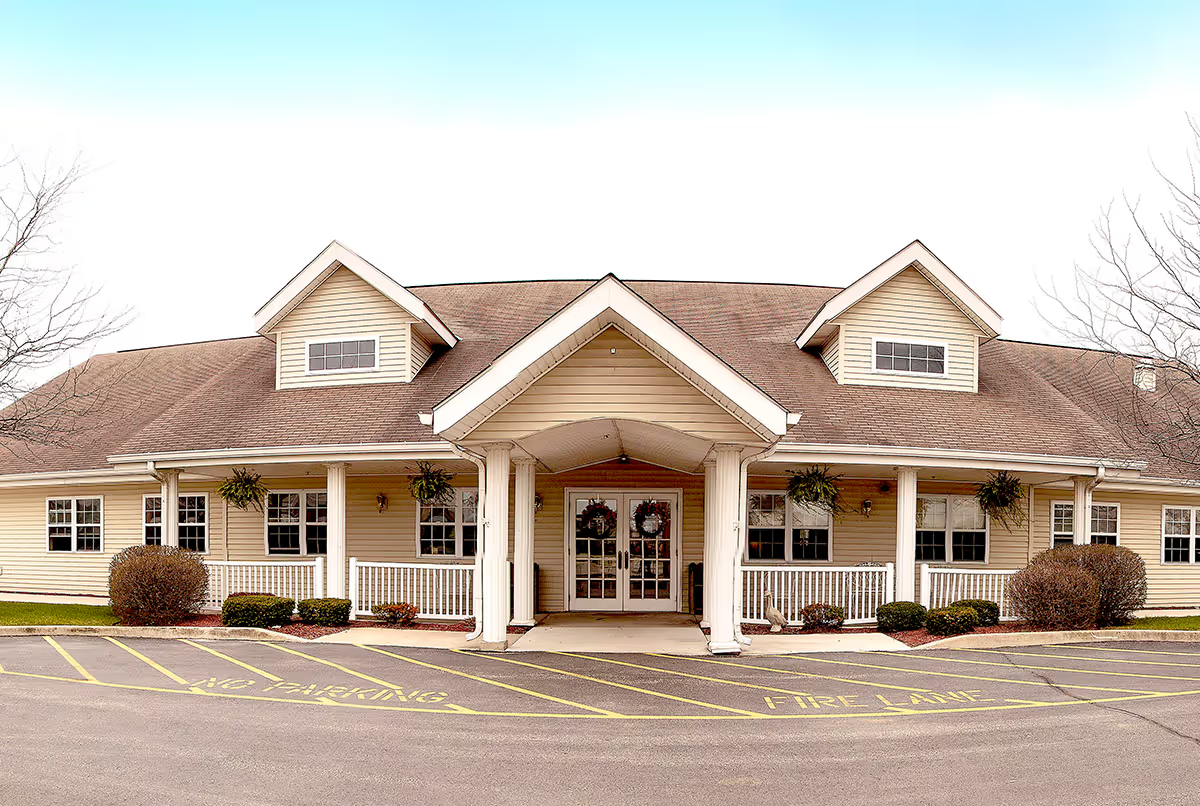
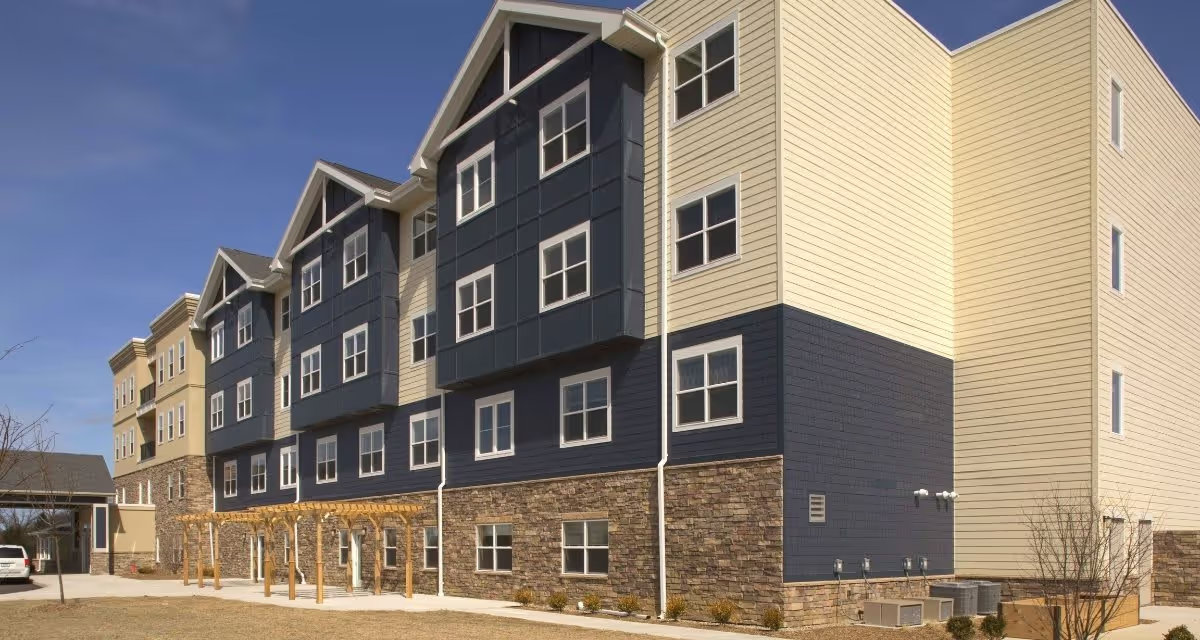
Physical plant and housekeeping show a split between updated areas and parts of the building needing attention. Positive reports mention renovated rooms, new beds, and recent mechanical updates. Negative reports cite worn or poorly maintained wings, cleanliness and sanitation issues in some rooms and common spaces, odor concerns, and pest-control problems in certain units. Laundry management, lost personal items, and charges for basic items (TV, toiletries) also recur as family frustrations.
Management and oversight appear to be in transition in several accounts, with some families noting strong administrators and visible improvements, while others describe leadership turnover, ignored complaints, and calls for corporate or regulatory intervention. A pattern emerges where facility performance and family experience depend heavily on the unit and staff on duty: prospective families should expect variability and may wish to assess specific units, staffing levels, and supervision practices during visits. If considering placement, ask for recent staffing data, medication-administration protocols, infection-control and pest-control records, fall-prevention policies, and examples of how the facility responds to family concerns and adverse events.