Monticello Healthcare elicits a mixed but distinct pattern of feedback. Many accounts describe a facility that offers attentive nursing, compassionate caregiving, strong therapy services, and a clean, comfortable environment with a long-standing community presence. At the same time, a subset of accounts raises operational concerns around basic personal care, responsiveness, and accessibility. The result is a polarized picture: families and residents praising clinical skill, meals, and administration alongside separate accounts of inconsistent frontline performance.
Care quality and clinical services are frequently cited as strengths. Reviewers commonly praise the nursing team for attentiveness, and the therapy/rehabilitation staff receive positive mention for effectiveness and support. Dining is also noted positively, with several comments about good meals. These strengths suggest that the facility is capable of delivering a high standard of clinical and rehabilitative care when staffing and processes are functioning as intended.
Staff behavior and responsiveness present an area of variability. Many describe friendly, kind, and compassionate interactions that support residents' dignity and emotional needs. Conversely, other accounts point to concerns about bedside demeanor and delays in responding to call lights, particularly during some shifts. There are isolated allegations of discourteous conduct by specific staff members; these should be viewed in the context of broader themes around inconsistent responsiveness and potential staffing shortfalls rather than as uniform practice.
Operational weaknesses appear concentrated in personal-care routines, care coordination, and accessibility. Several accounts describe inconsistent scheduling for bathing and toileting, incontinence-care concerns, and missed or delayed assistance for mobility-limited residents—issues that imply gaps in staffing patterns, task allocation, or monitoring. Care coordination lapses, such as appointments not being arranged or followed up, were also noted, indicating opportunities to strengthen communication and administrative follow-through. Physical-environment concerns are specific: bathroom aids and accessibility features may not meet all residents' needs (for example, inadequate assistive equipment), which can exacerbate delays in care for residents with limited mobility.
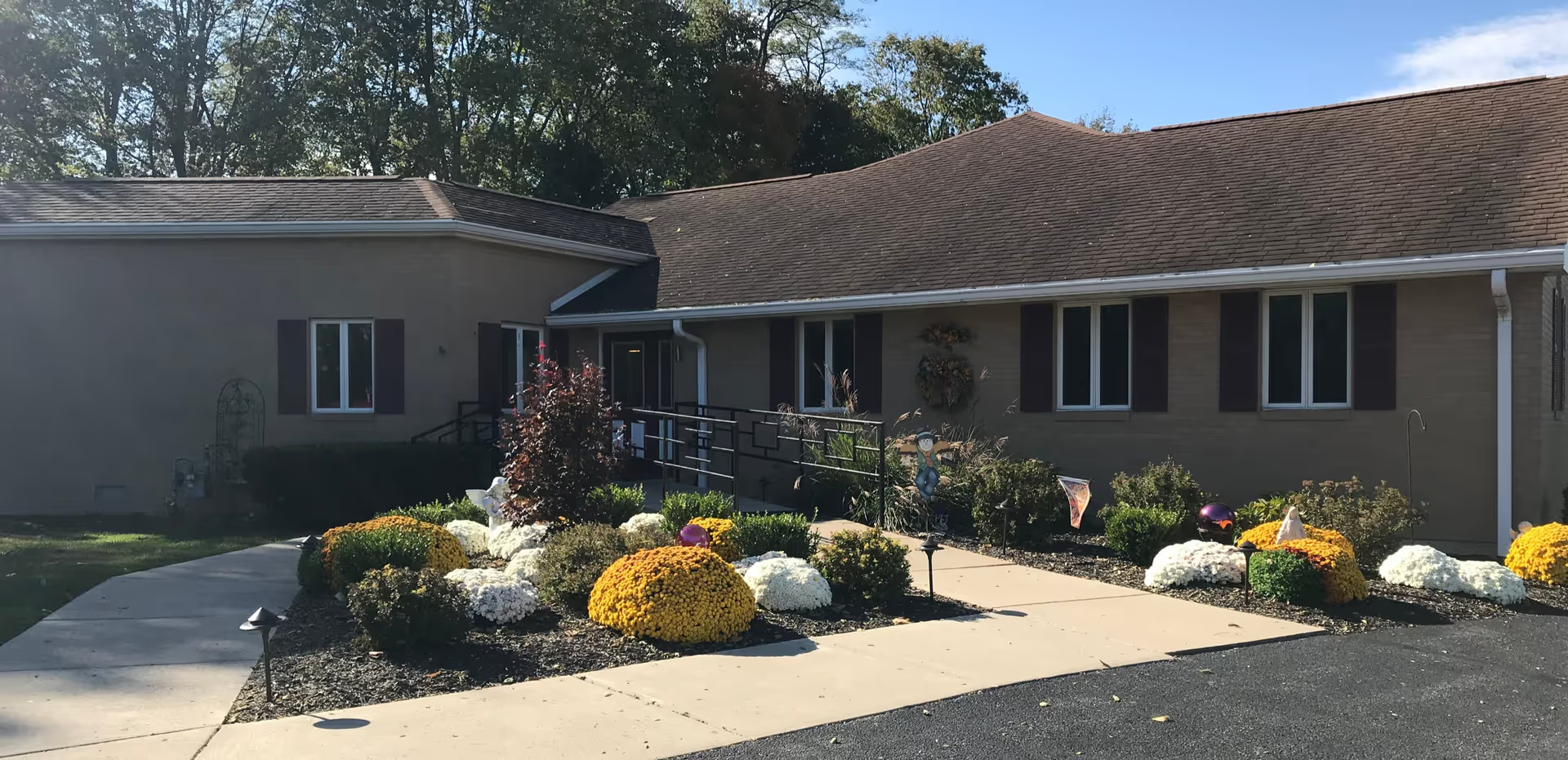
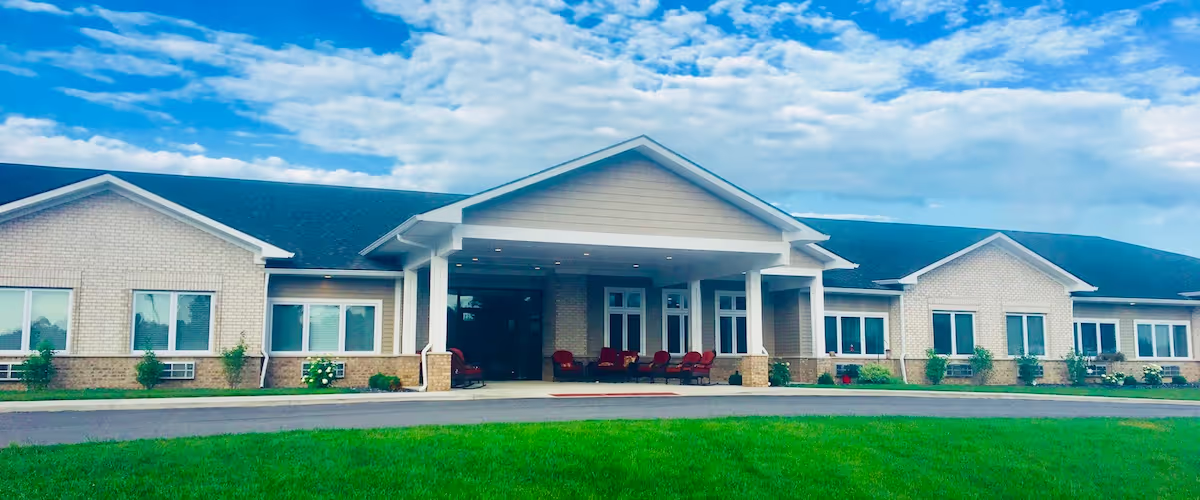
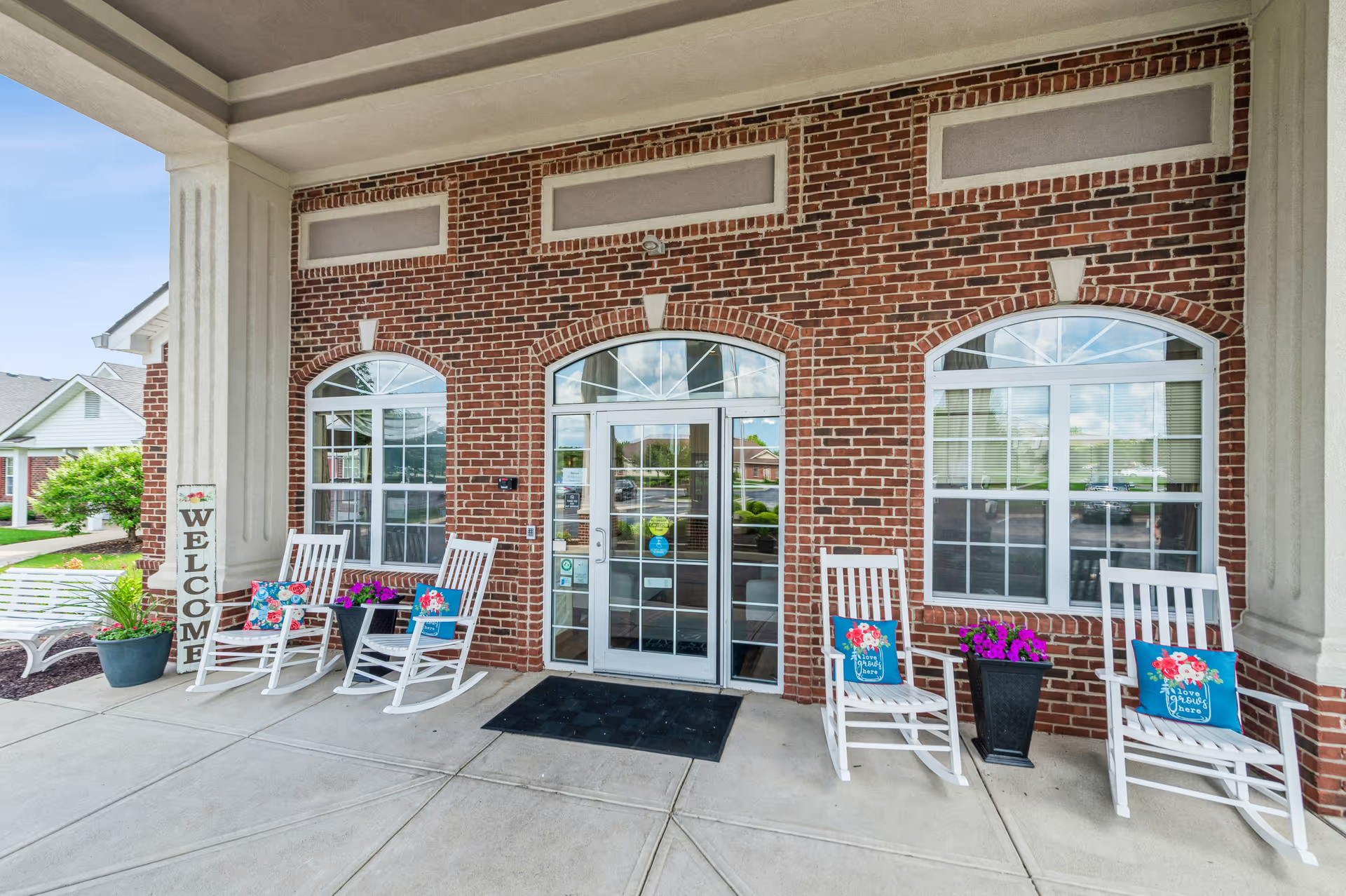
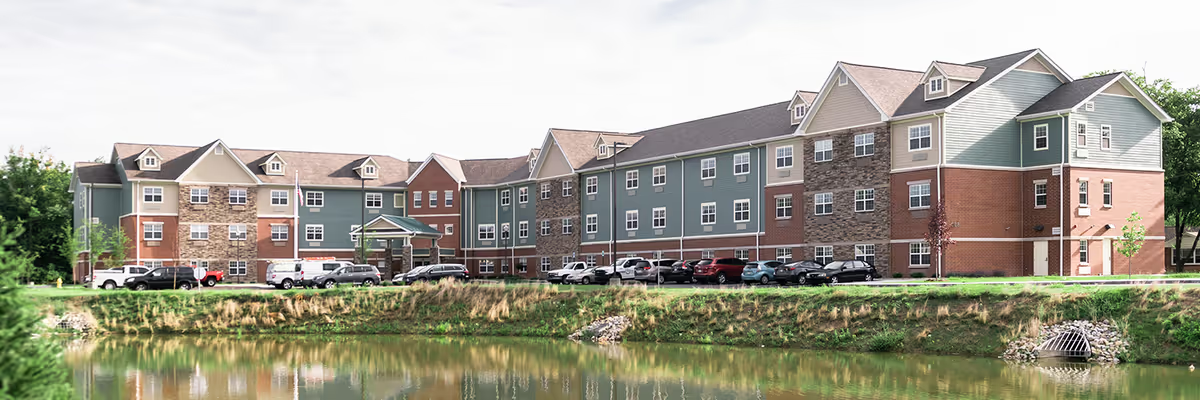
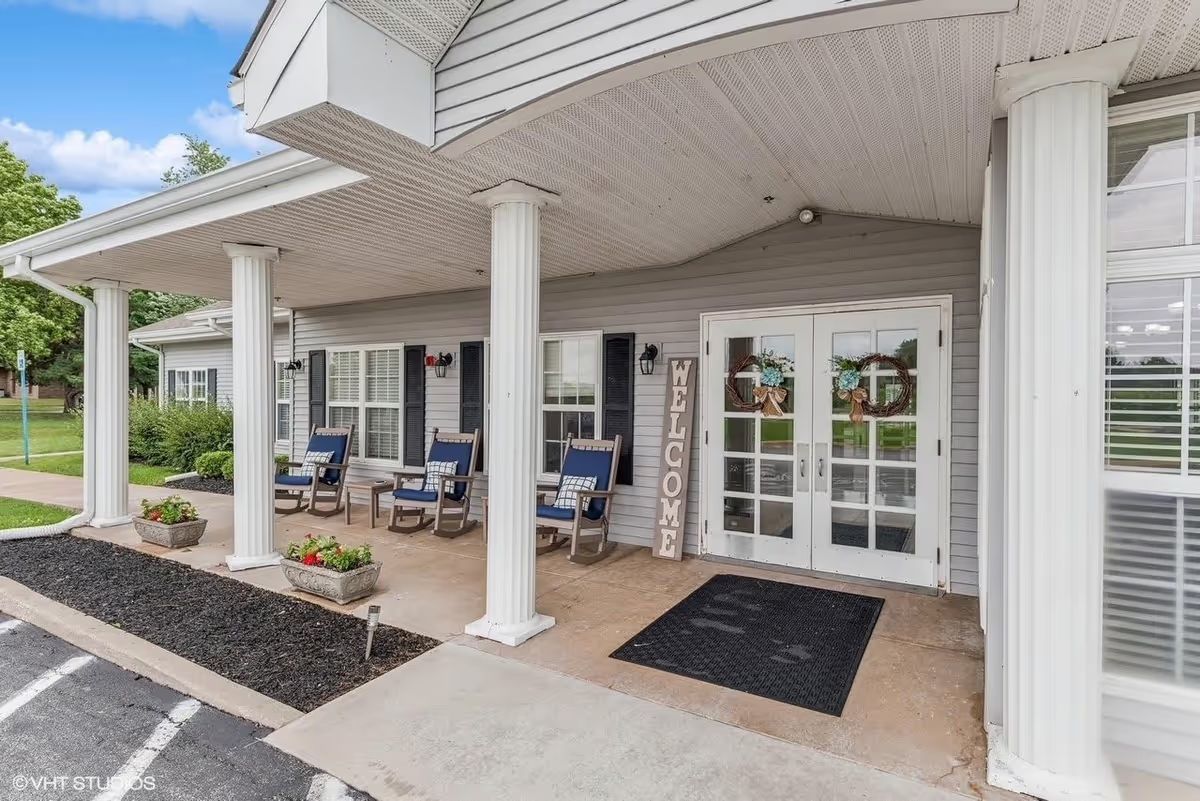
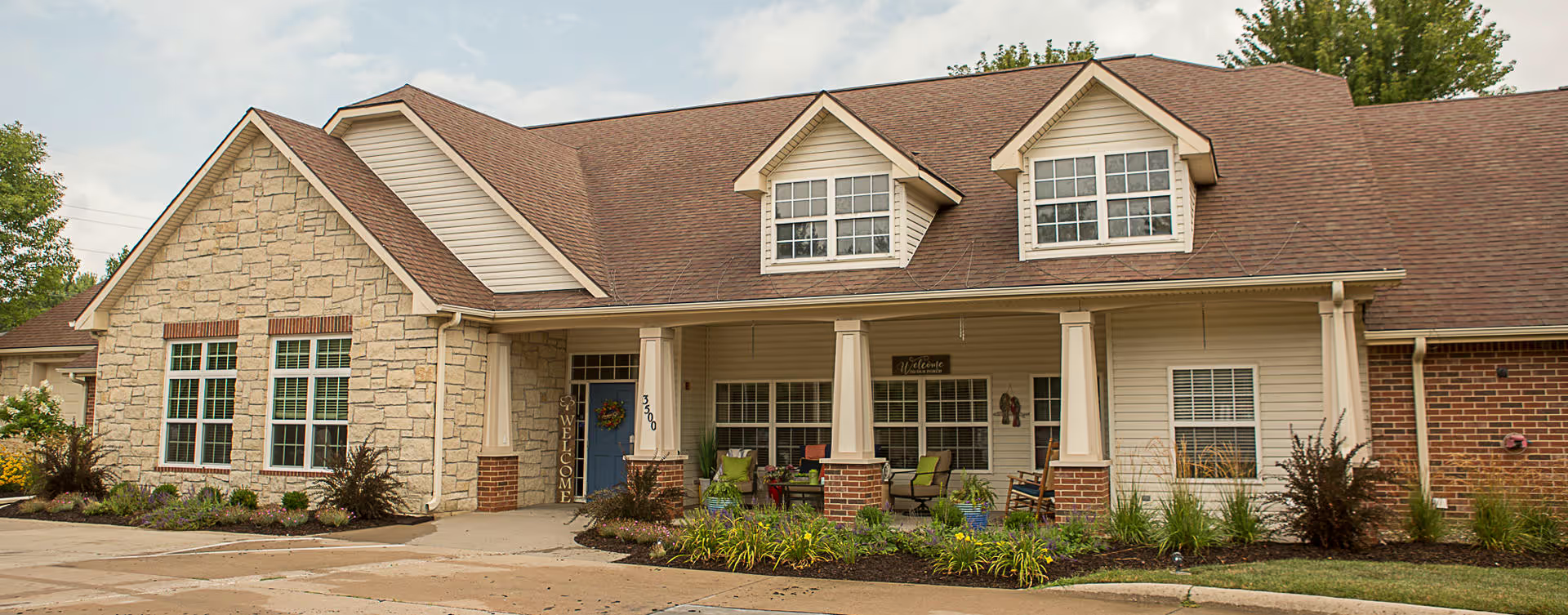
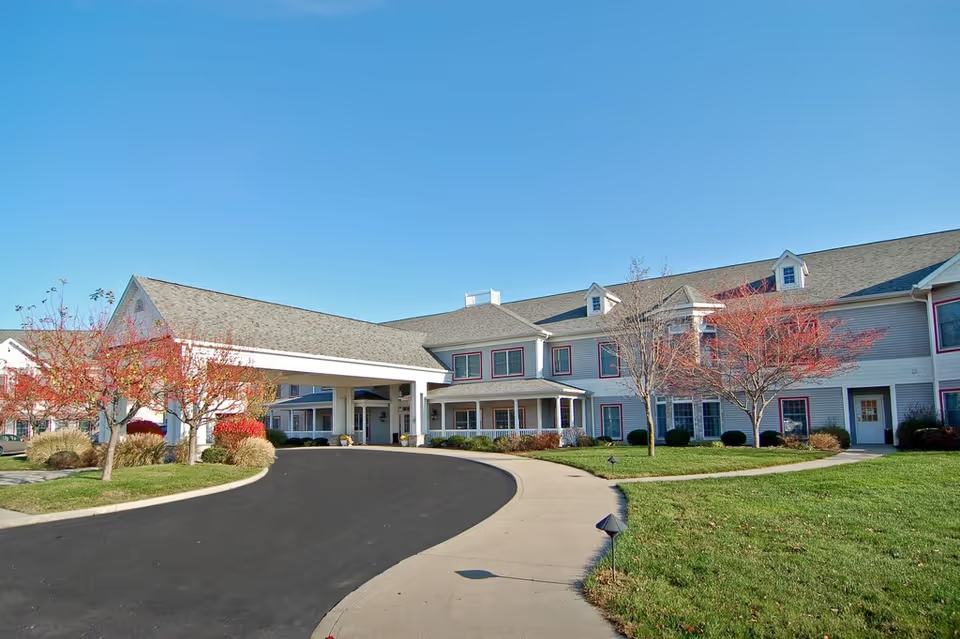
Facilities and management receive largely positive comments for cleanliness, a pleasant home-like atmosphere, and engaged leadership. Leadership and some administrative staff are described as going above and beyond, which aligns with reports of a well-run facility on many occasions. Nevertheless, the coexistence of positive administration feedback and frontline responsiveness issues suggests variability in how policies and staffing are executed day to day.
Notable patterns for prospective residents and families: experiences appear to vary by shift and by unit, with clear examples of both high-quality care and operational lapses. Visitors often praise the cleanliness, therapy, and meals during tours, but families concerned about mobility, toileting needs, or frequent clinician coordination should ask targeted questions about staffing ratios, call-button response times, personal-care scheduling, bathroom accessibility, and procedures for arranging external appointments. Overall, Monticello Healthcare demonstrates substantive strengths in clinical and rehabilitative care and in creating a comfortable environment, while also showing areas—staffing consistency, personal-care delivery, and accessibility—where focused improvements would address the primary concerns raised.