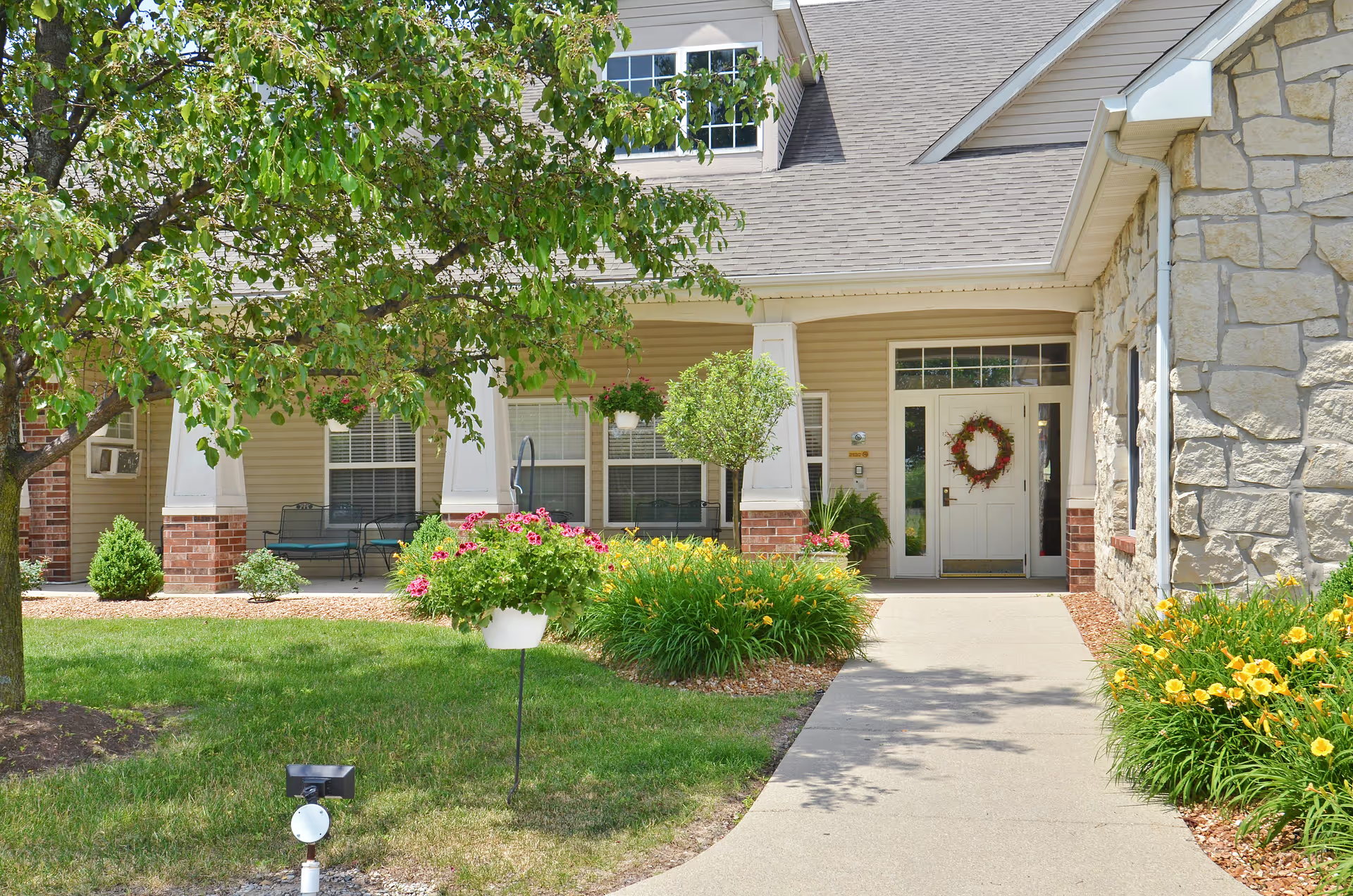
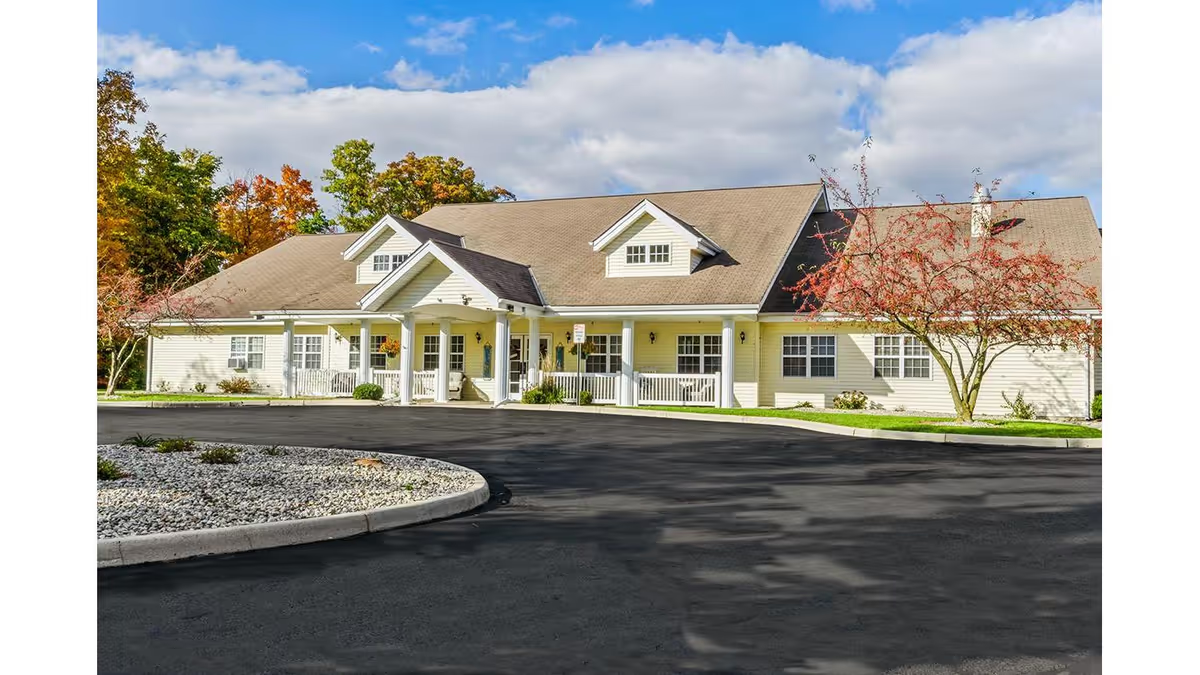
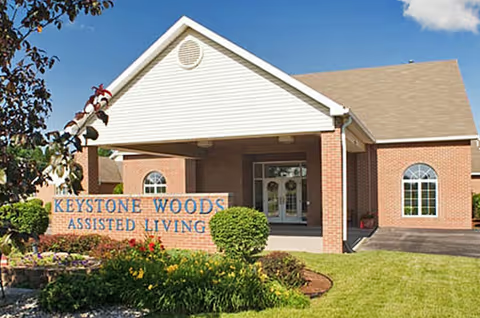
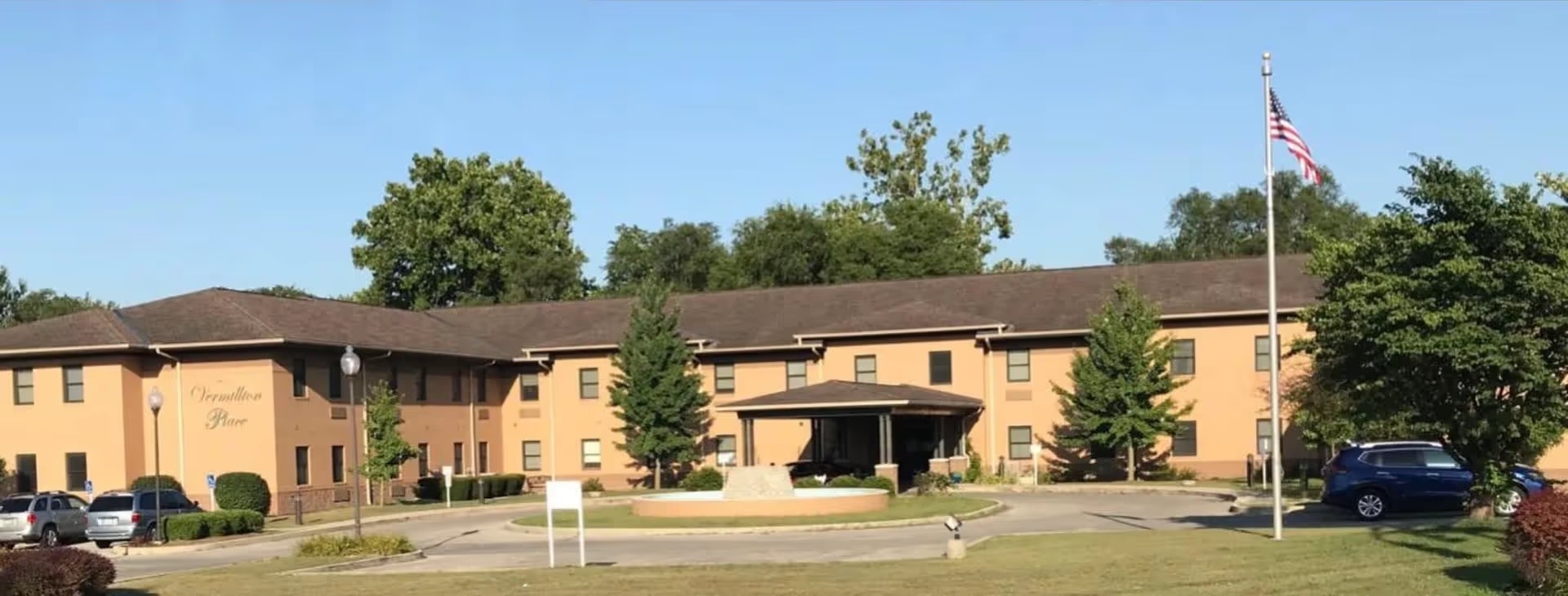
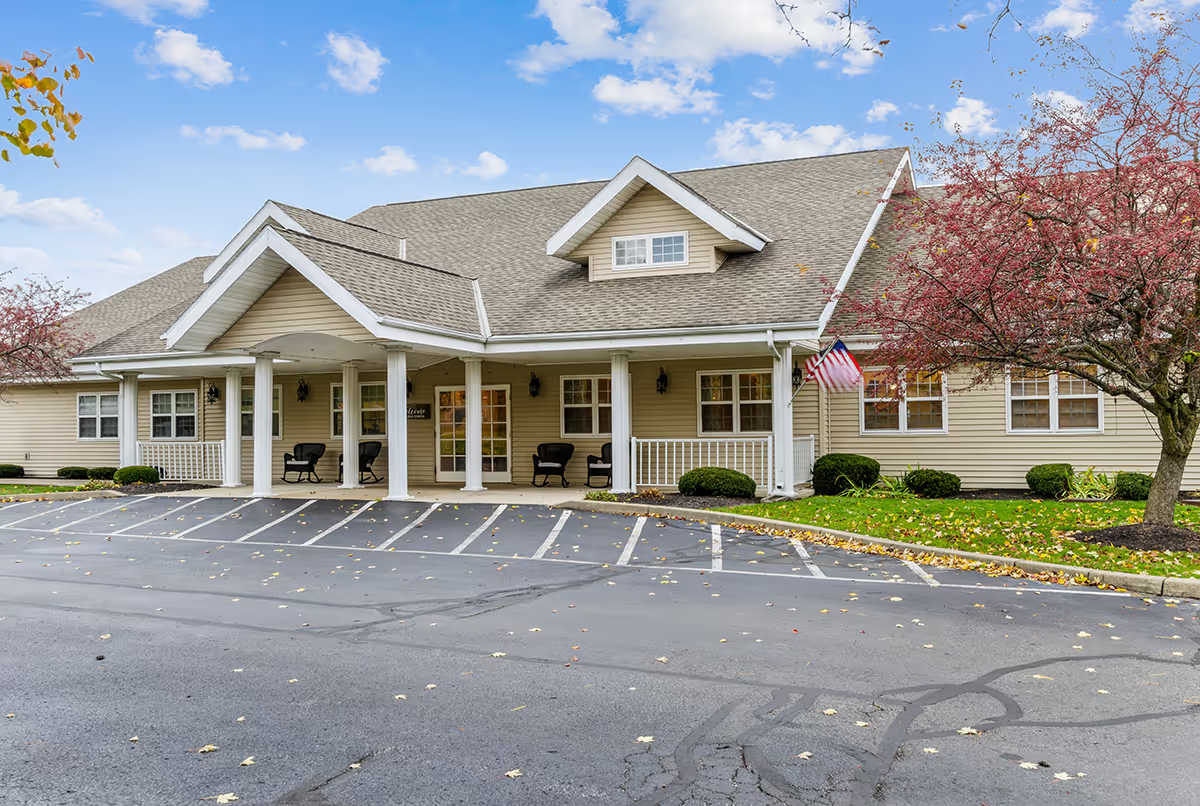
Experiences at Brickyard Healthcare - Muncie Care Center are mixed, with a pronounced polarization between strong clinical/therapy strengths and recurring operational weaknesses. Many families and patients praise the rehabilitation and therapy teams for effective, engaging programs and clear communication during short-term stays. Several reviewers also highlighted compassionate, resident-focused staff, long-tenured employees, and well-kept outdoor spaces that contribute to a home-like environment in portions of the facility.
Clinical and hands-on care show variability. Therapy and rehabilitation services are consistently identified as a strength, with reports of proactive, engaging therapy that supports recovery. Conversely, there are repeated concerns about gaps in clinical oversight and care coordination for complex needs — examples include inconsistent wound care follow-through, missed or delayed appointments, and situations that families characterized as leading to serious outcomes. These reports point to uneven clinical processes rather than a single type of service failure.
Staffing and staff conduct are recurrent themes. Positive accounts describe attentive nurses, aides, and administrators who communicate well and go above and beyond; however, other accounts describe understaffing, workforce strain, and lapses in responsiveness. Reviewers also raised concerns about the tone and conduct of specific staff members and noted issues with staff training and certification. These contrasting impressions suggest that resident experience can depend heavily on unit staffing, shift, or individual caregivers.
Dining, activities, and amenities present similarly mixed impressions. Therapy and activity programming receive favorable comments for engagement and effectiveness, while dining quality and availability drew criticism for inconsistency, cramped or closed dining spaces, and unsatisfactory meal experiences in some instances. Common-area maintenance and amenity availability vary by unit: some families noted pleasant, well-maintained outdoor areas and a peaceful setting, while others observed dark or narrow units, closed recreation areas, broken equipment, and limited seating or restricted walkways.
Management and communication demonstrate variability across reports. Certain administrators and admissions staff were singled out for proactive, clear family communication and responsive problem-solving. At the same time, multiple accounts cite poor notification about room changes or property handling, delayed responses from leadership, and perceived cost-cutting decisions that affected resident services. There are also mentions of regulatory-survey citations and family concerns following critical clinical events, indicating areas where administrative oversight and compliance may need attention.
Notable patterns: the facility receives repeated praise for its rehabilitation services and for staff members who provide compassionate, individualized care. At the same time, persistent issues include inconsistent staffing, uneven clinical and wound-care practices, sanitation and personal-care lapses, variable facility upkeep, and breakdowns in family communication. Prospective residents and families would benefit from targeted questions during a tour: inquire about current staffing ratios, wound- and complex-care protocols, how the facility handles resident relocations and personal property, infection-control visitation policies, and recent regulatory surveys and corrective actions. A direct, unit-level conversation with therapy, nursing leadership, and administration can help clarify whether the strengths observed in many reviews are consistently realized for a given room or care plan.