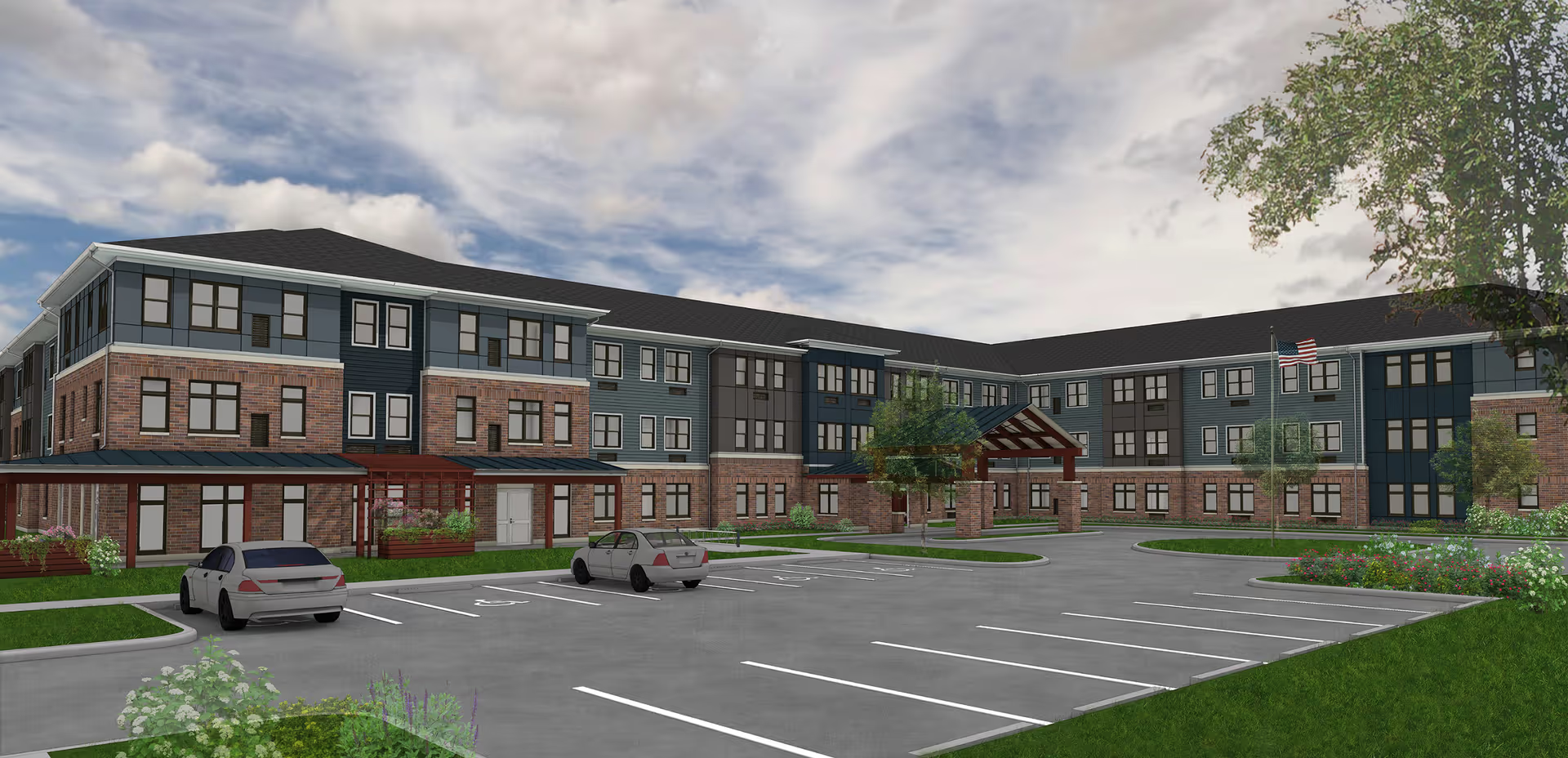
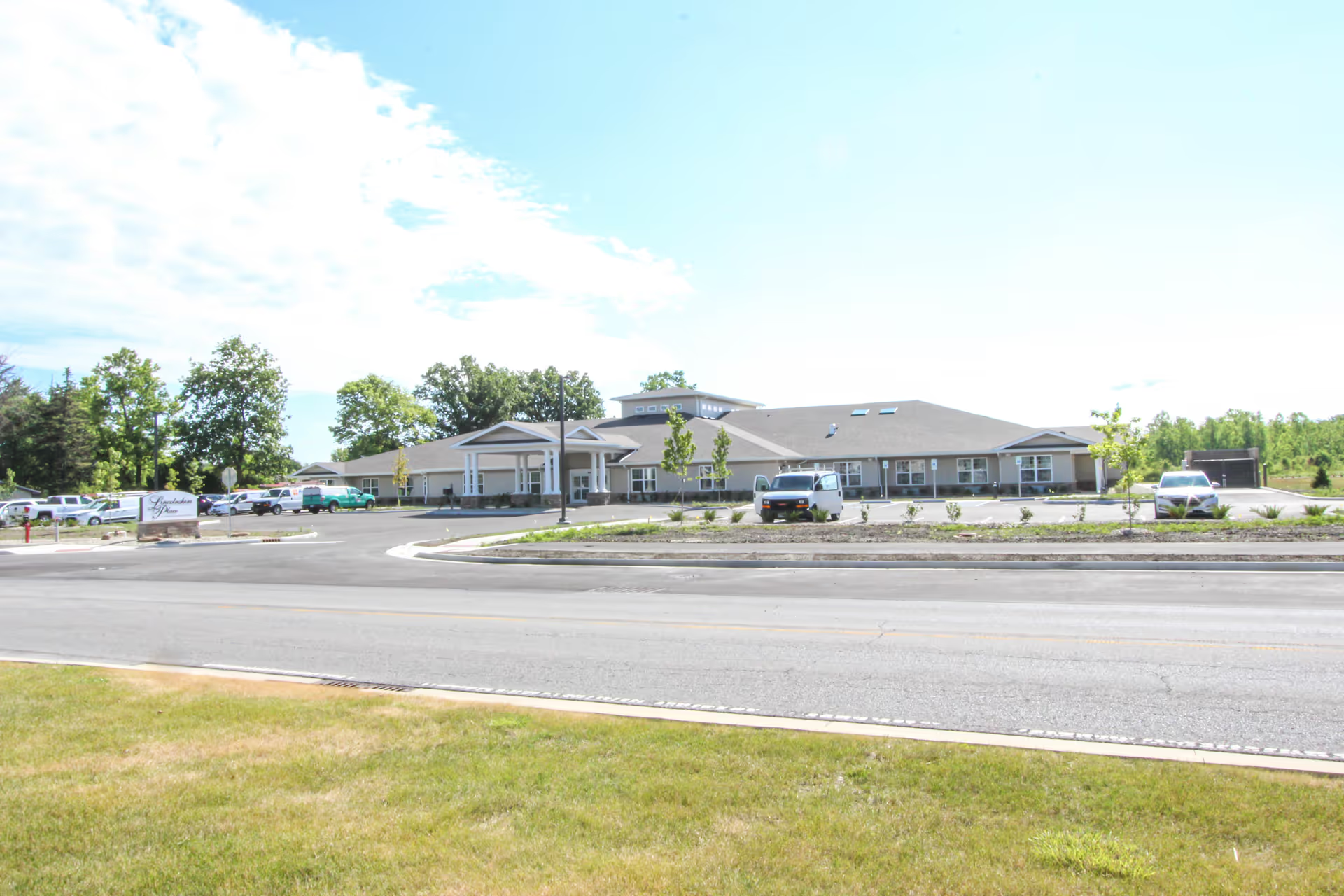
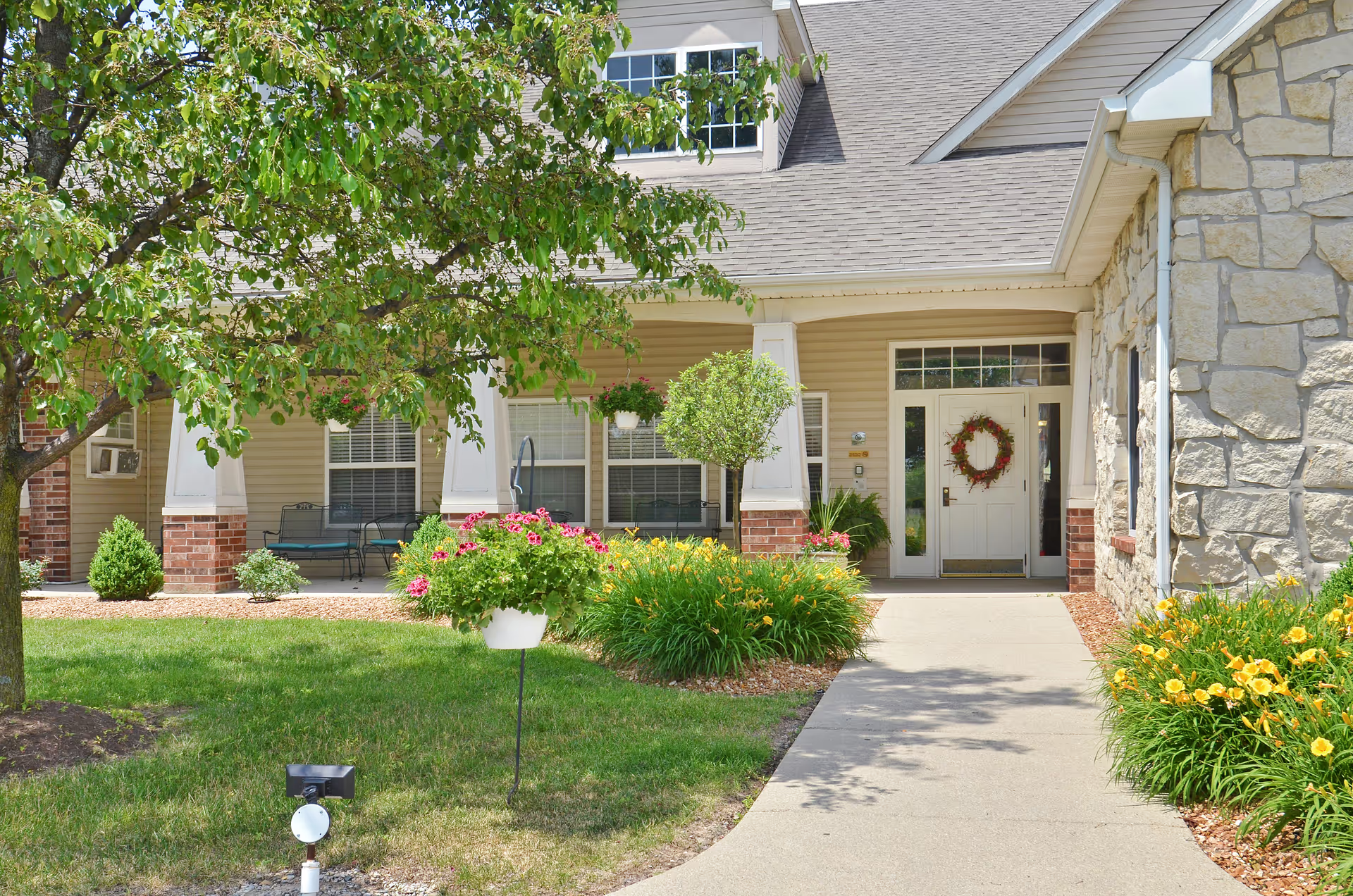
Overall impression: Cedar Creek of Muncie is frequently described as a clean, bright community with a strong social atmosphere and a staff base that many families find compassionate and engaged. Common strengths include well-maintained interior spaces and enclosed courtyards, a range of on-site amenities (salon, library, laundry), and a visible focus on resident socialization — daily activities, outings, church services, and regular recreational programming are often cited as positives that reduce isolation and encourage friendships.
Care and staffing: Caregiving staff receive consistent praise for kindness, attentiveness, and personal engagement; many accounts emphasize staff knowing residents by name and forming meaningful connections. Medication administration and routine clinical tasks are often described as reliable. At the same time, reviewers noted operational challenges: staffing shortages and high turnover have strained continuity of care for some residents, and several accounts suggest intermittent delays in clinical response or coordination. There are also recurring observations about leadership instability and gaps in clinical oversight (for example, transitions in administrative or nursing leadership) that families say can affect day-to-day consistency.
Dining and housekeeping: Dining experiences are mixed. Some families commend the food, special meals, and welcoming dining atmosphere; others describe inconsistent food quality, cold or overcooked entrées, and a limited menu at times. Housekeeping and laundry services are generally appreciated when performed regularly, but multiple reviewers describe inconsistent schedules and missed laundry or sheet changes. These operational inconsistencies — in both dining and housekeeping — are a notable pattern to monitor during a tour and when asking about routines and quality controls.
Activities and amenities: Programming is a clear strength for many residents: exercise classes, lectures, movie nights, walking clubs, crafts, and regular outings are frequently listed. The facility’s physical layout (no steps, wide hallways, enclosed courtyards, and an open, hotel-like feel) supports mobility and socializing. Additional conveniences—on-site beauty services, in-apartment Wi‑Fi, a post office, and veteran-friendly benefits — add to the community’s appeal.
Safety, operations, and notable concerns: Several reviews raise operational concerns that prospective families should assess directly: pest-control issues in some units, occasional sanitation and food-safety questions, and examples of billing or financial-administration inconsistencies. There are also remarks about limited memory-care availability, which may require families to plan for alternate placements if higher-level dementia care is needed. Taken together, these items suggest variability in operational controls and follow-through that may be related to staffing and leadership turnover.
Bottom line and practical advice: Many residents and families report positive experiences centered on staff relationships, cleanliness, and programming; however, a subset of accounts highlights variability in dining, housekeeping, clinical oversight, and financial administration. Prospective residents should visit during meal service, ask about current nursing leadership and staff turnover rates, review housekeeping and laundry schedules, inquire about pest-control and infection-prevention protocols, and confirm memory-care capacity and billing policies. These targeted questions will help clarify whether the current operational environment matches a family’s expectations for consistency and clinical oversight.