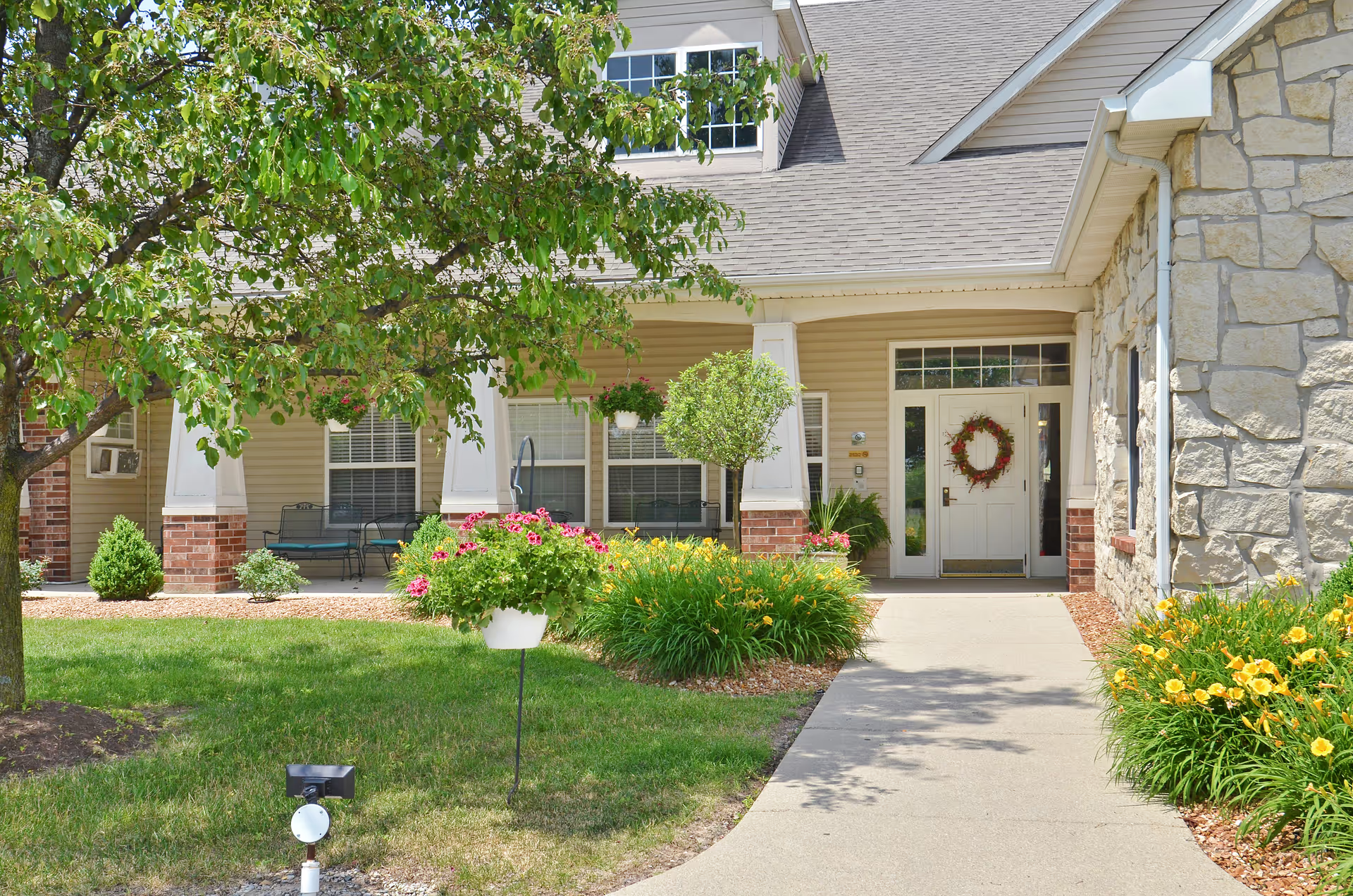
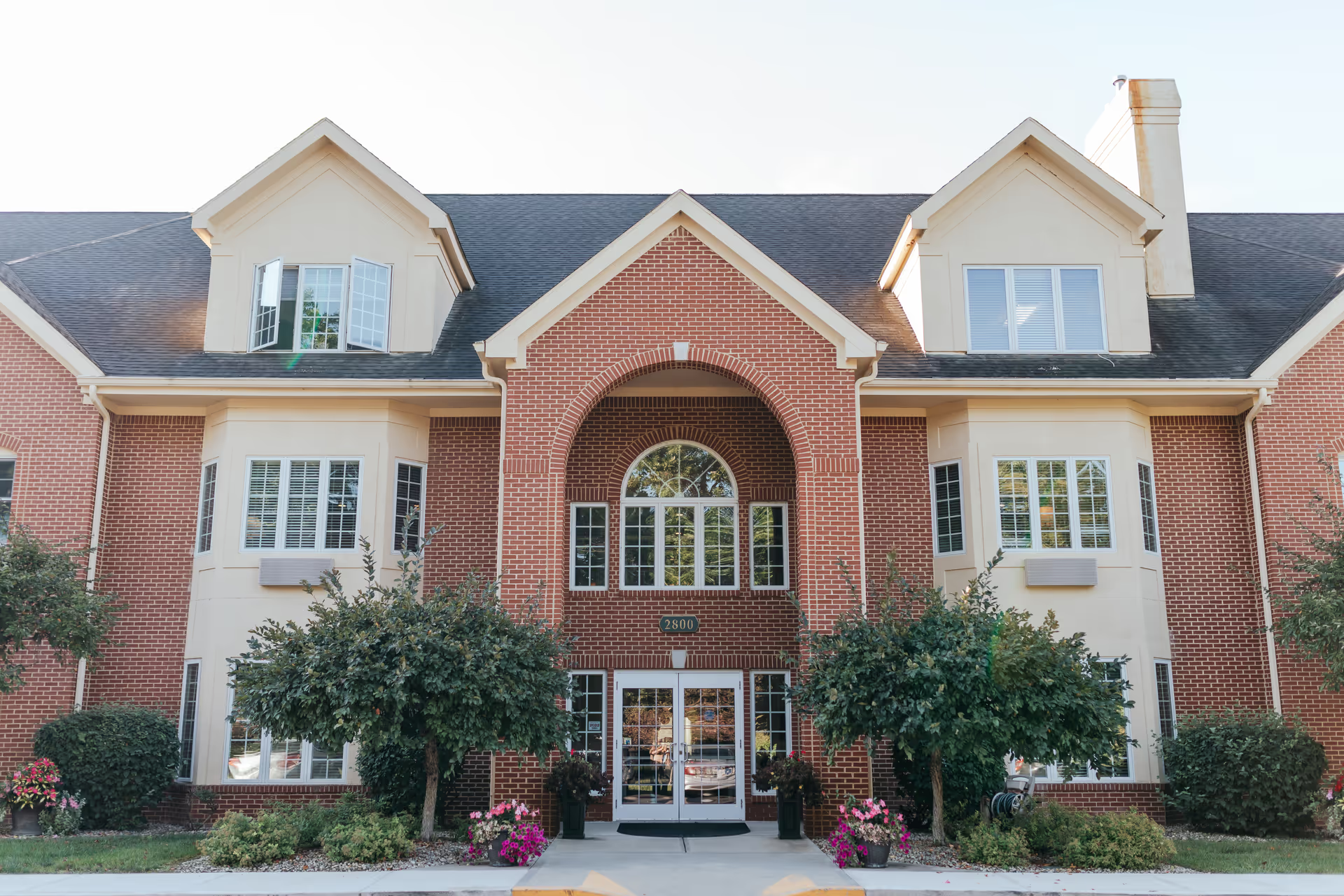
Sugar Fork Crossing is consistently described as a bright, modern, and well-appointed community with many amenities that families value. The physical environment—new construction, open skylit common areas, single-level navigation, enclosed courtyards and landscaped grounds—receives widespread praise. Reviewers commonly highlight well-maintained apartments, a pleasant dining room, activity spaces (theater, spa, exercise room), and on-site therapy services as strengths that contribute to a homelike atmosphere.
Care quality and direct-care staff are a central theme with mixed signals. Many families emphasize compassionate, attentive caregivers and nurses who know residents by name and provide personalized attention. Staff members such as front-desk/concierge personnel and specific nurses were praised for responsiveness and trustworthiness. At the same time, there are recurring operational concerns: inconsistent staffing across shifts, reliance on agency or temporary staff, and high turnover. Those patterns are associated with delays in personal-care assistance (bathing, showering, laundry), uneven overnight coverage, and variability in how consistently residents’ needs are met.
Dining and activities are generally strong points. The community offers chef-prepared, restaurant-style meals with customizable options; many reviewers enjoy the variety, theme events, and special menus. Activity programming is broad and active—live music, outings, puzzles, classes, and memory-care engagement are frequently cited as life-enriching. However, dining execution is sometimes inconsistent: reviewers reported occasional cold or poorly served meals and variability in kitchen performance tied, in some accounts, to staffing or scheduling.
Facilities and ancillary services are frequently praised for cleanliness, decor, and thoughtful amenities. Memory-care spaces are described as bright, open, and engaging in layout. Housekeeping and general cleanliness are often given high marks; nevertheless, there are isolated sanitation concerns and inconsistencies in laundry and room-level housekeeping—particularly referenced within memory care—suggesting variability in day-to-day service delivery.
Management and operations show a clear pattern of strengths and weaknesses. Positive notes include an open-door administrative style in some periods, helpful admissions and concierge teams, and instances of proactive leadership addressing family concerns. Counterbalancing that, multiple reviewers cite leadership instability (frequent director/DON changes), perceived disengagement of nursing leadership at times, and uneven responsiveness from administration. Maintenance-response delays and ineffective follow-through on repairs were also raised as operational gaps.
Notable patterns that emerge across the feedback are a dichotomy between strong relational culture and operational fragility. The community culture—friendly staff, resident-focused activities, and appealing amenities—creates a positive day-to-day experience for many residents. Operationally, inconsistent staffing, turnover, and leadership transitions appear to drive variability in care continuity, medication communication, maintenance follow-through, and family communication. Prospective residents and families would benefit from direct questions about current staffing ratios (day and night), agency-staff usage, medication-administration protocols, maintenance response times, and turnover rates for leadership and key clinical roles. Overall, Sugar Fork Crossing offers many features families seek in assisted living and memory care, but operational consistency and leadership stability are important areas to verify during a tour and follow-up conversations.