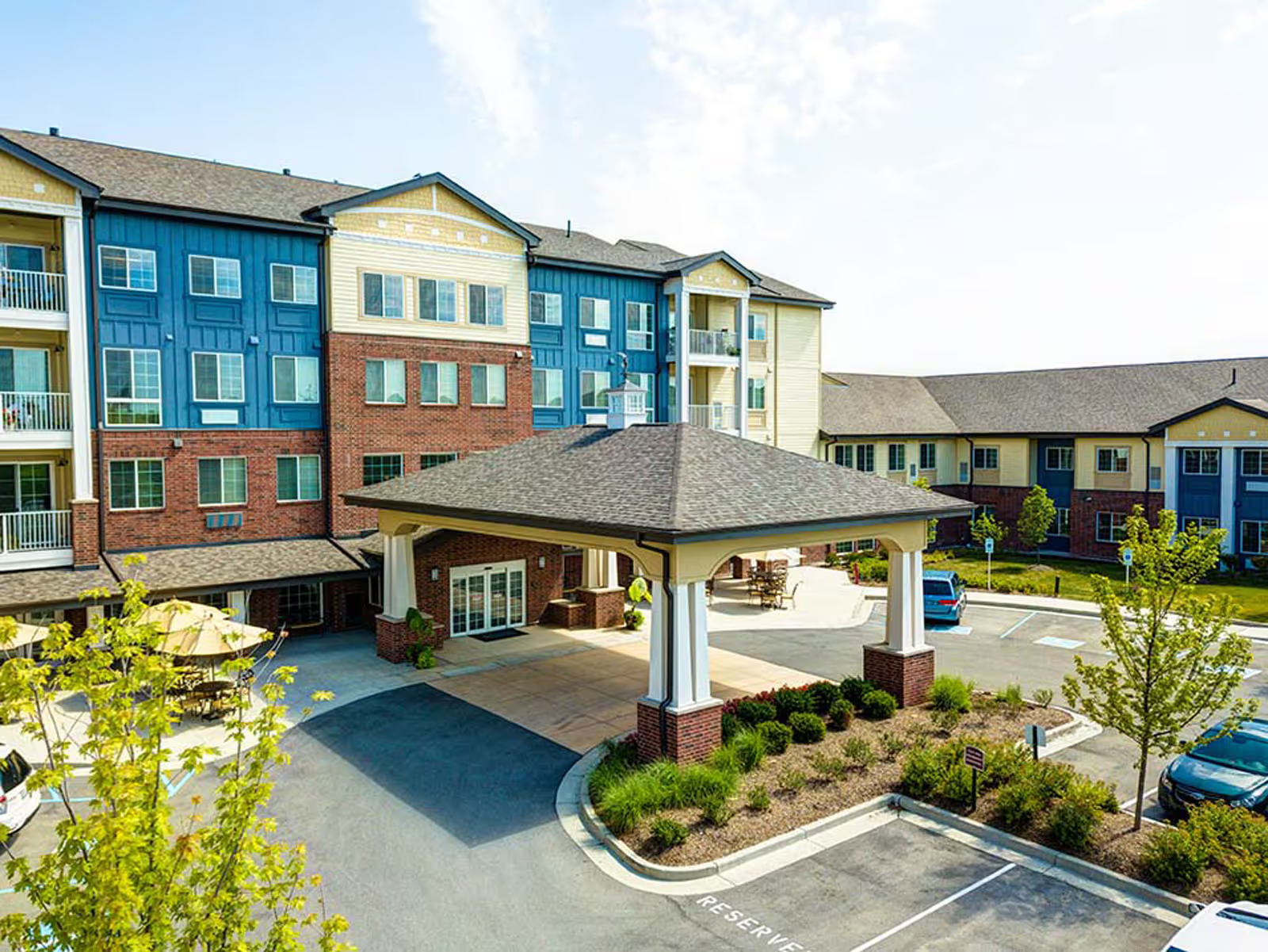
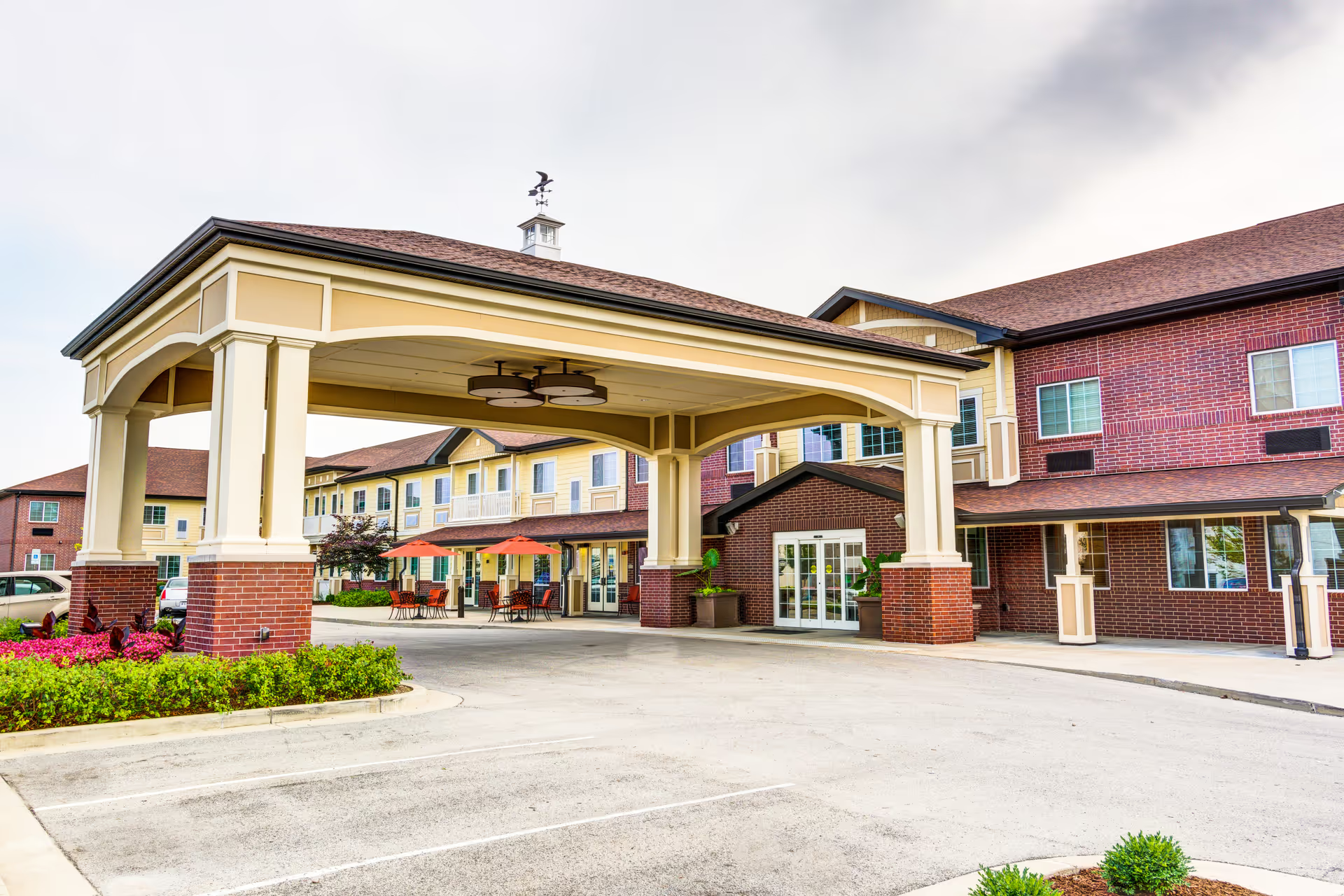
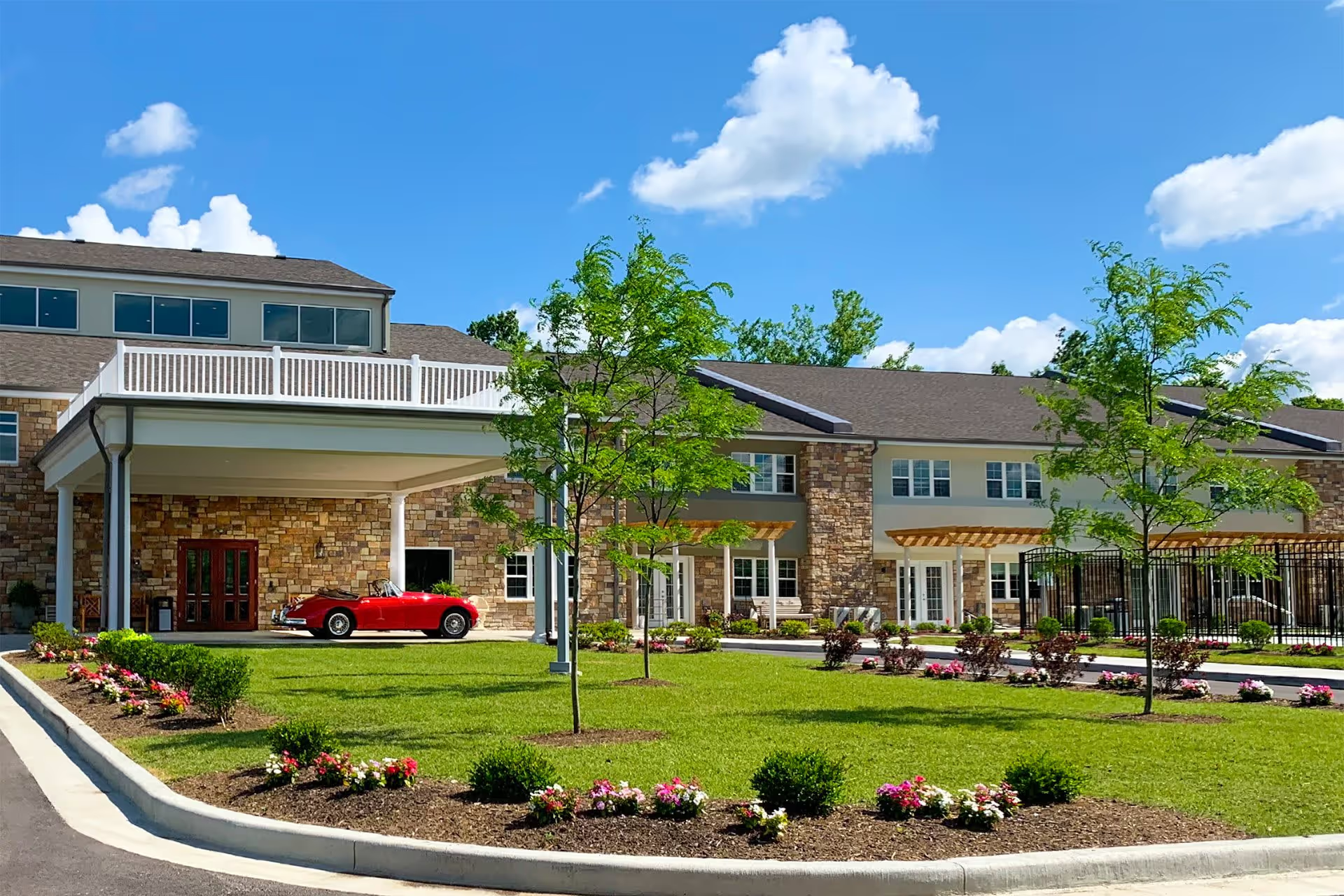
Traditions at Brookside presents as a modern, well-appointed assisted living community with a strong emphasis on hospitality and resident comfort. Many reviewers praise the facility’s cleanliness, tasteful decor, and resort-like design: spacious, well-lit apartments, attractive courtyards and patios, and a wide range of on-site amenities such as a movie theater, beauty salon, chapel, and fitness spaces. Move-in coordination and maintenance support are repeatedly noted as strengths, and in-room conveniences (microwaves, refrigerators, kitchenettes) contribute to resident independence.
Staff performance is a prominent positive theme. Families and residents commonly describe caregivers, nurses, and support staff as compassionate, responsive, and personally attentive; staff know residents by name, assist beyond routine duties, and support transitions such as hospice care. Activity programming is another strong area: a full-time activities director, regular social events (happy hours, games, musical entertainment), and organized outings contribute to a noticeably social community environment for many residents.
Dining receives mixed assessments. The community offers restaurant-style, chef-led dining with a varied menu and full table service that many residents enjoy; however, reviewers also raise consistent concerns about meal-service reliability, temperature control, and special-diet coordination. Some families reported cold meals or inconsistent accommodation of pureed and other therapeutic diets, and management has been described as actively addressing these operational issues in certain reports.
Several operational patterns bear attention. Communication with families and posting of activity schedules are unevenly handled at times—families requested clearer, more consistent updates and scheduled meetings. A subset of comments points to staffing constraints (exacerbated during infection-control periods) that can reduce outing frequency and activity availability, and to variability in how memory-care residents are integrated into general programming. Clinically, there are instances of concern about incident response and reporting procedures; these items indicate a need for stronger clinical oversight and clearer incident-communication protocols rather than a uniform pattern of care failure.
Location and cost are practical considerations. The campus is described as somewhat remote from shopping and neighborhood amenities, which may matter for frequent family visits and off-site outings. Pricing, deposit policies, and periodic rent increases were frequently mentioned as a downside; potential residents should evaluate affordability and whether the community’s billing and payment options match their budget. Additionally, Medicaid is not accepted for some units, which limits options for residents relying on that funding source.
In summary, Traditions at Brookside is widely viewed as a clean, attractive community with caring staff, robust amenities, and an active social calendar. Prospective residents and families should weigh those strengths against recurring operational issues—particularly dining consistency, family communication practices, memory-care integration, cost, and location—and ask specific questions about clinical incident reporting, special-diet procedures, tour/onboarding practices, and financial policies during a visit or tour.