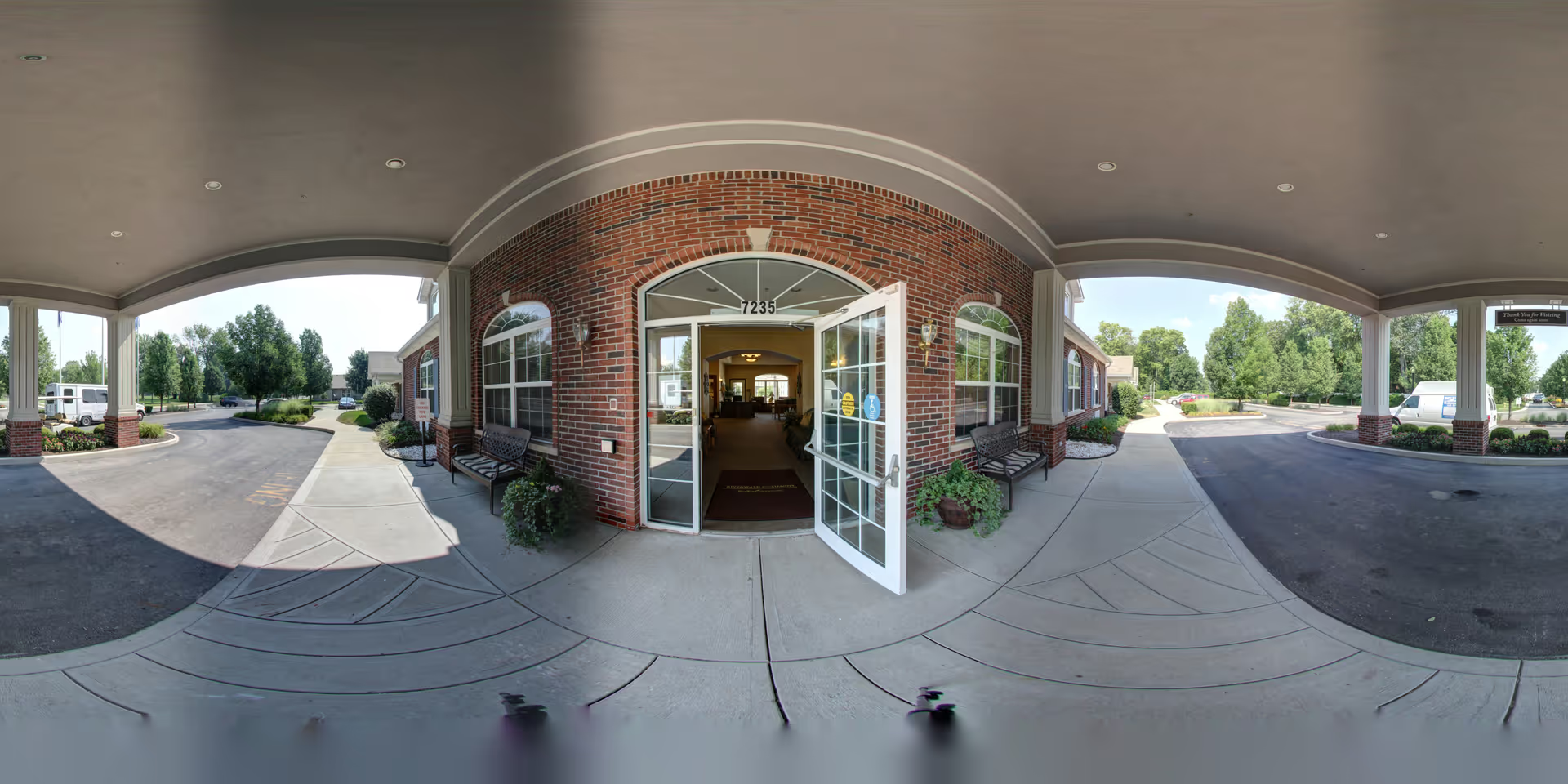
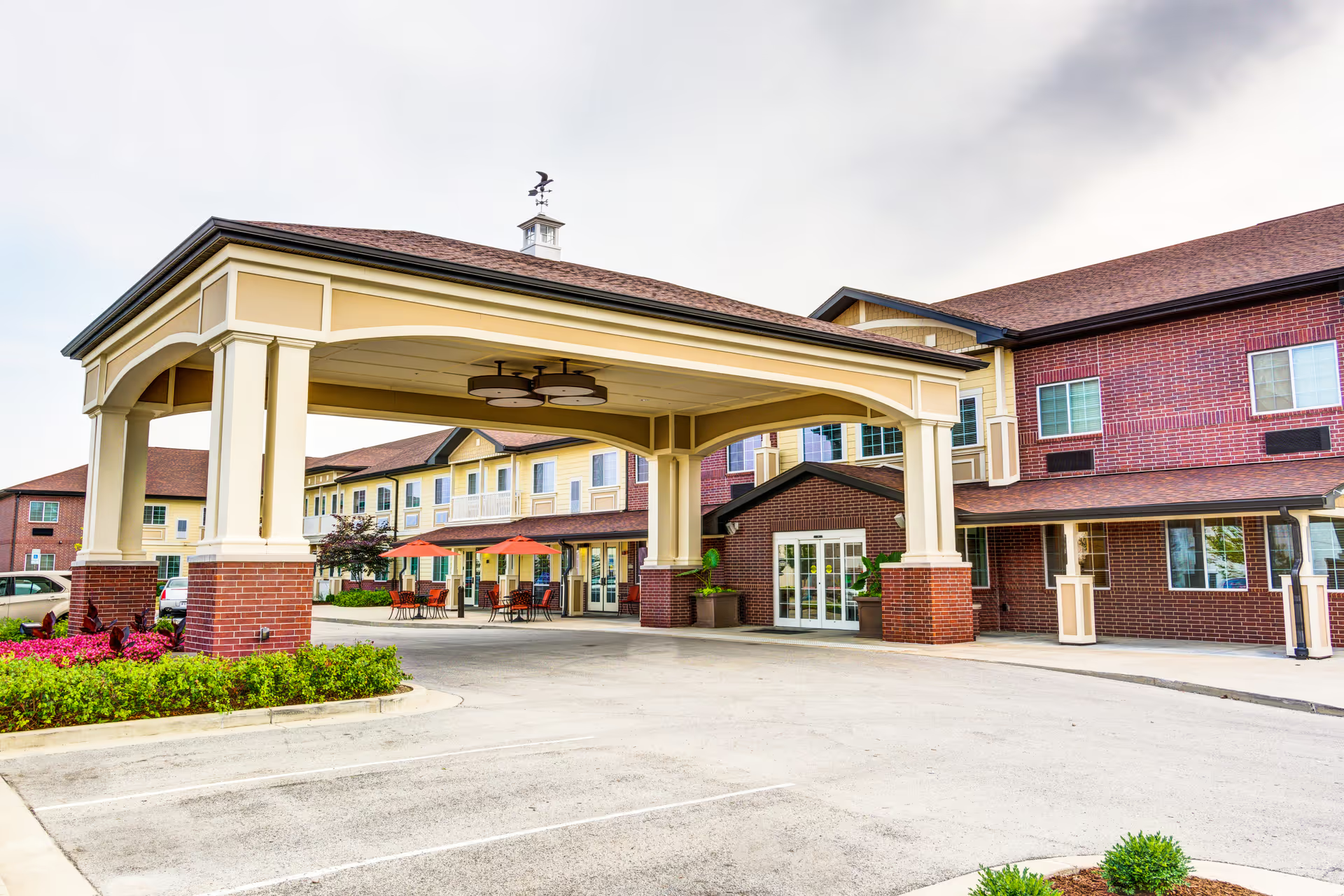
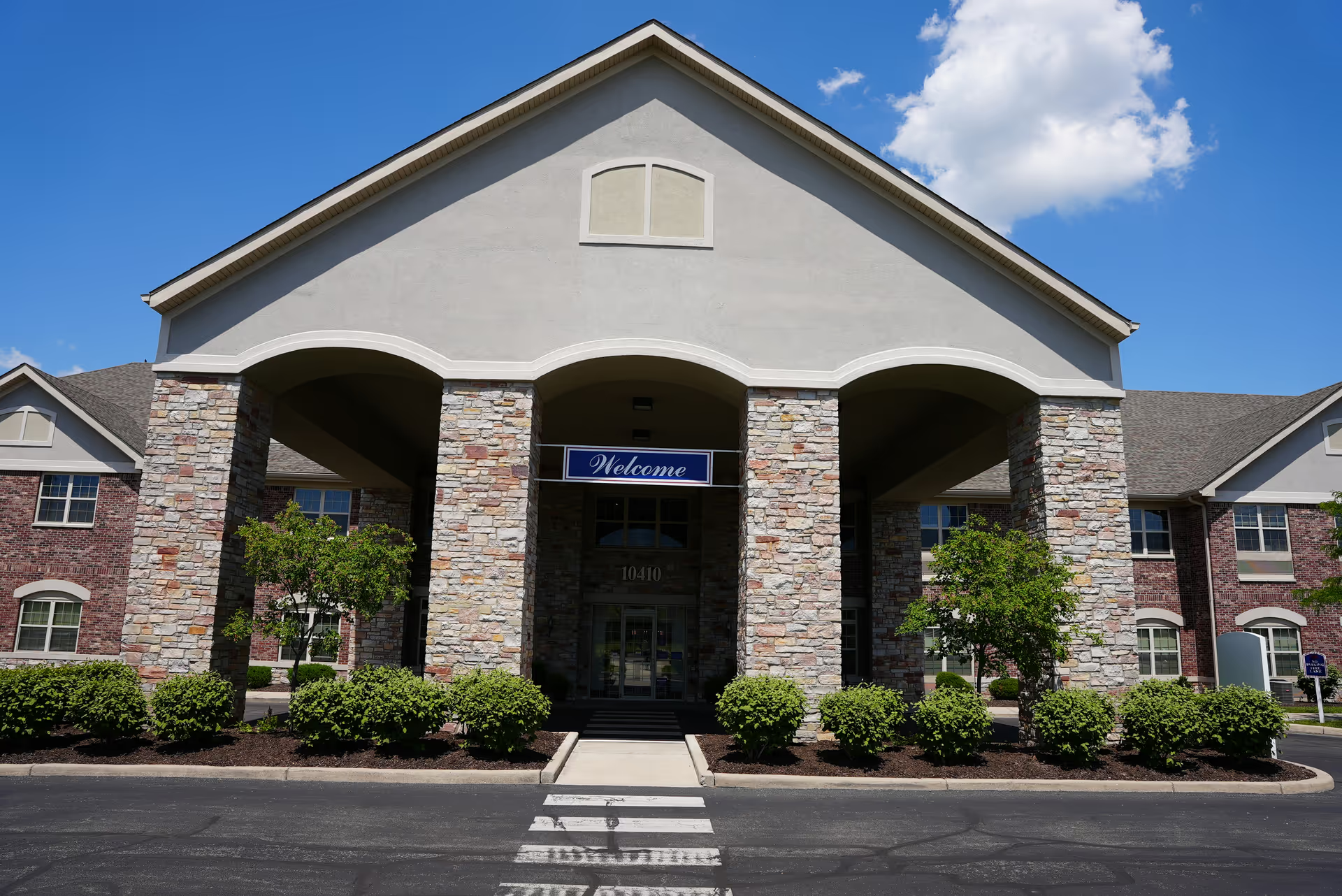
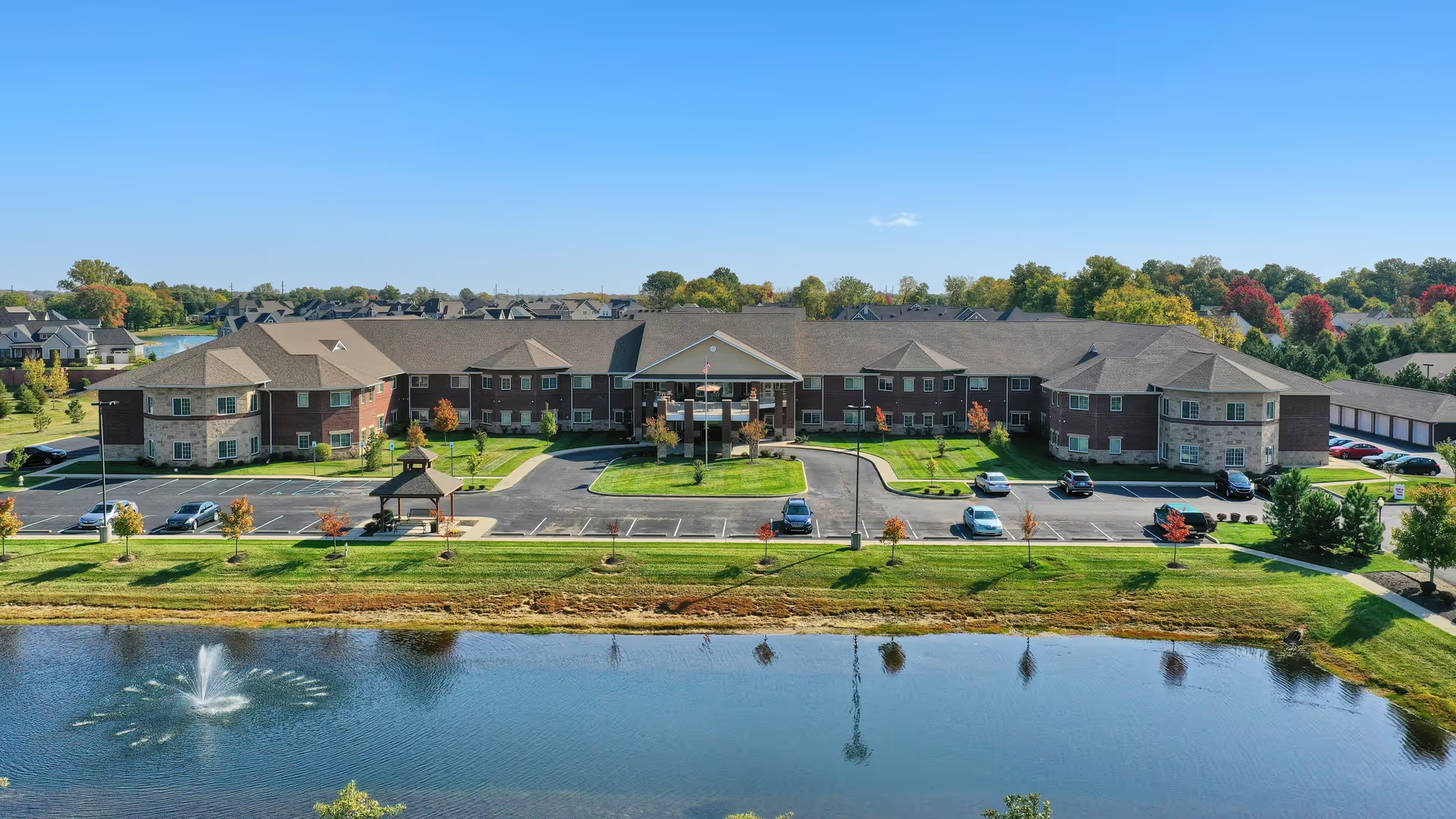
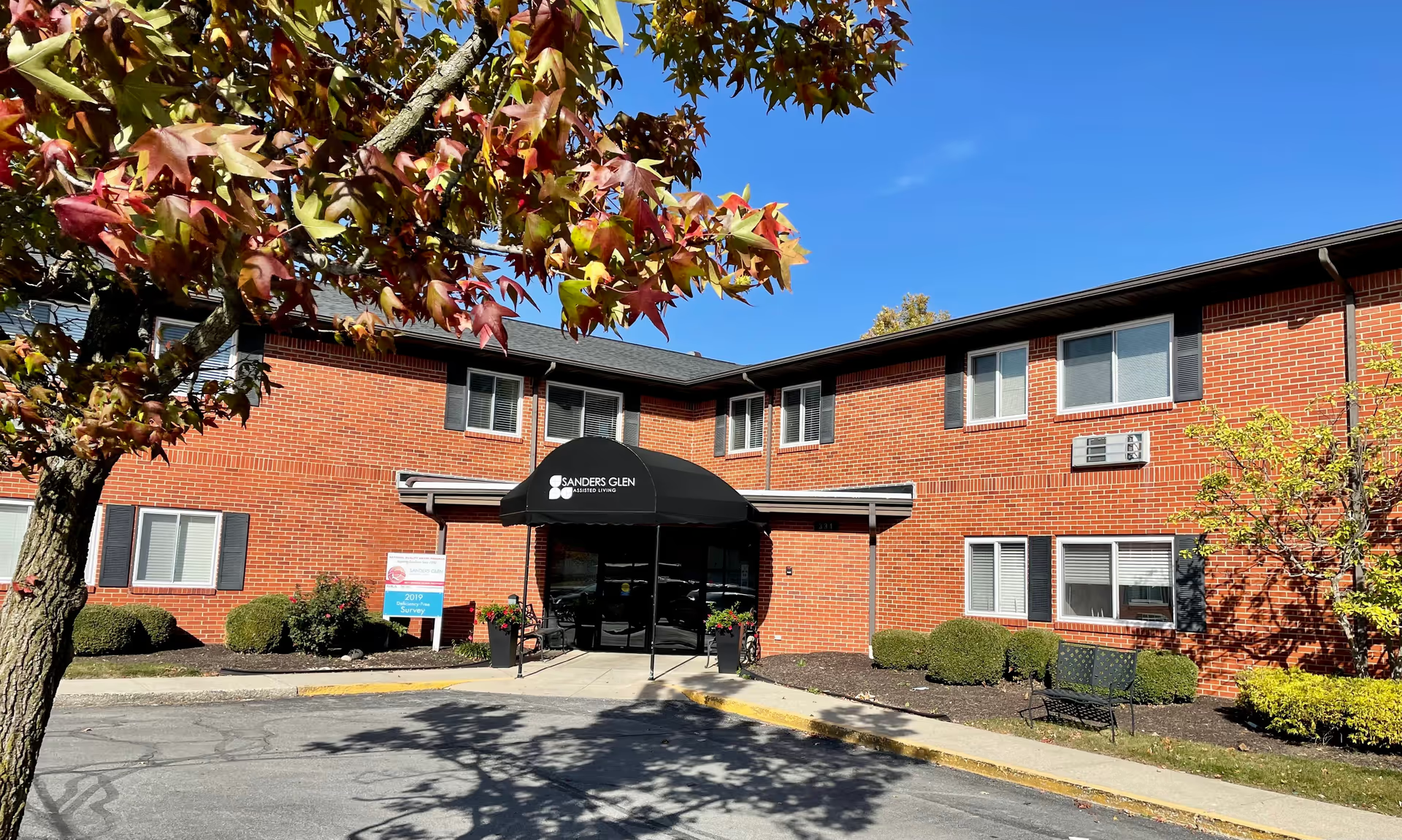
Heritage Woods of Noblesville presents a largely new, well-maintained campus with contemporary finishes, spacious apartments, and a range of on-site amenities such as courtyards, a salon/barber, library, and activity spaces. Many families and visitors describe a clean, odor-free environment and appreciate the restaurant-style dining room, transportation services, active programming, and memory-care engagement. Long-tenure aides and an attentive maintenance team are noted as consistent strengths, and the facility's marketing and administrative representatives receive frequent praise for being helpful and informative.
Care quality descriptions are mixed. Several families report positive, dignified care with responsive nursing and aides who integrate well with families; others describe significant clinical concerns, including lapses in hygiene-related care, skin integrity issues, and events that required hospitalization. These accounts suggest inconsistent clinical outcomes across residents rather than a uniform level of care. A pattern emerges linking those concerns to staffing continuity and training: where staffing is stable and experienced, families report better outcomes; where turnover and shortages exist, families describe delays in care and missed follow-up.
Staffing and management present a dichotomy. Reviewers note dedicated, compassionate staff members and effective first impressions from certain administrators and the marketing team. At the same time, persistent themes include higher-than-desired turnover among nursing and administrative staff, aides and kitchen staff stretched thin, inconsistent training, and occasional concerns about staff conduct and communication tone. Administrative responsiveness receives both praise and criticism: some families report clear, timely communication and active family-council involvement, while others describe billing disputes, unclear move-out/readmission handling, and difficulty obtaining refunds after transitions.
Dining and housekeeping show similar variability. The dining room service model and menu choices are frequently highlighted positively, and some residents enjoy good portion sizes and restaurant-style ordering. However, reviewers also mention inconsistent food quality, frequent kitchen staffing changes, and that meals may not be included in base rent — factors that affect perceived value. Housekeeping and sanitation are generally commended for producing a clean facility overall, but specific concerns about cleaning protocols and sanitation practices have been raised that warrant clarification during a tour.
Activities and the memory-care program are repeatedly praised for being engaging and varied: bingo, church services, crafts, outings, and therapeutic activities are commonly mentioned, and memory-care interactions appear active with residents participating in structured programs. The facility's location near shopping and services is convenient for some families, though its placement on a busy road and the building's institutional or hotel-like architecture are noted by others as detracting from a homelike atmosphere.
Notable operational patterns to consider: (1) staffing stability and training appear to correlate strongly with positive care experiences; (2) medication administration and pharmacy coordination have been flagged as an area of risk and should be reviewed; (3) communication systems — both phone/in-house and family/hospital coordination — have shown inconsistencies; and (4) billing and readmission practices have led to disputes in a minority of cases. Prospective families should tour the campus, ask about current staffing ratios and turnover, review medication-administration protocols and housekeeping standards, inquire about dining contracts and meal costs, and request details on billing and readmission policies to get a clear sense of current operations and fit.