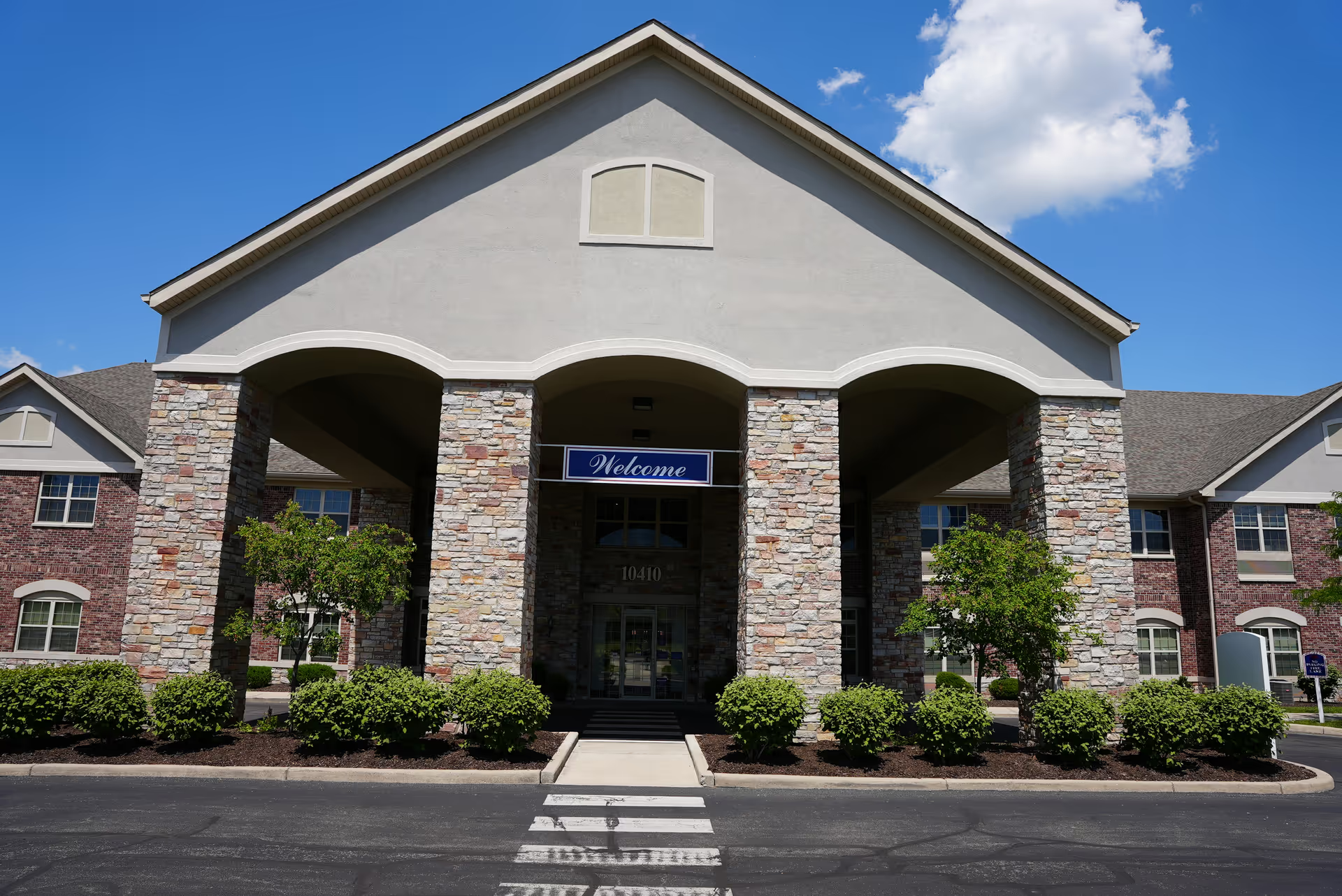
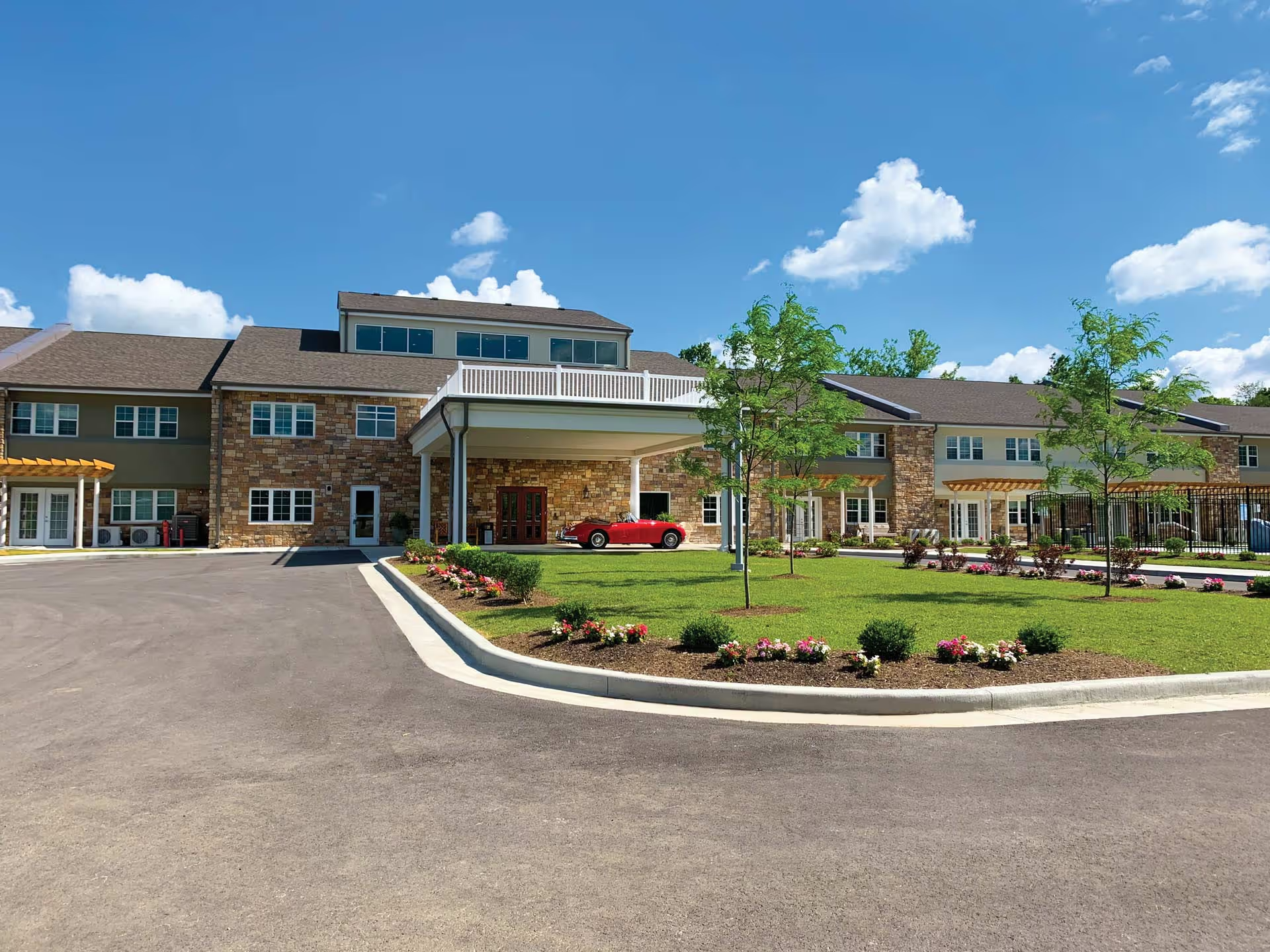
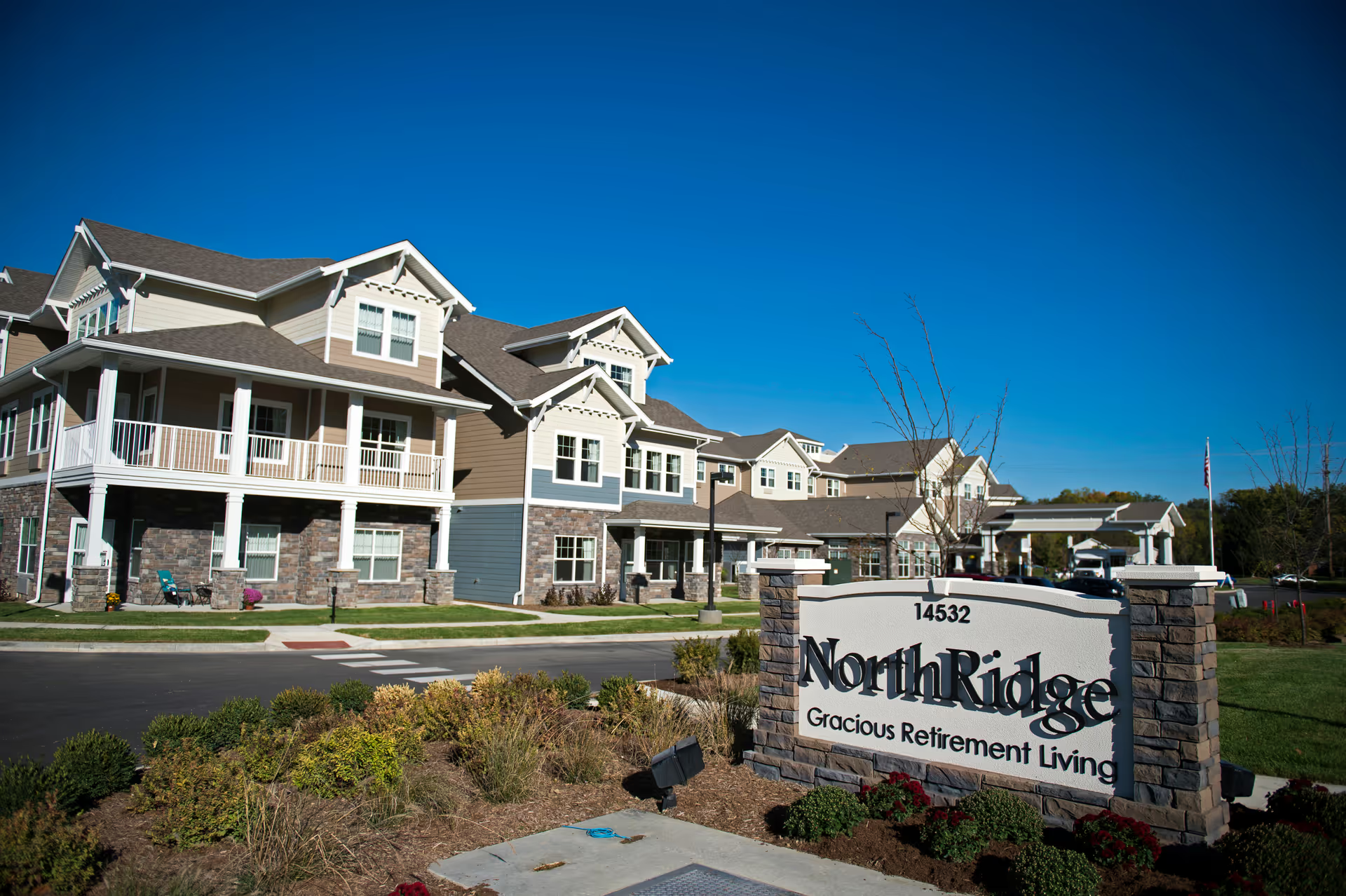
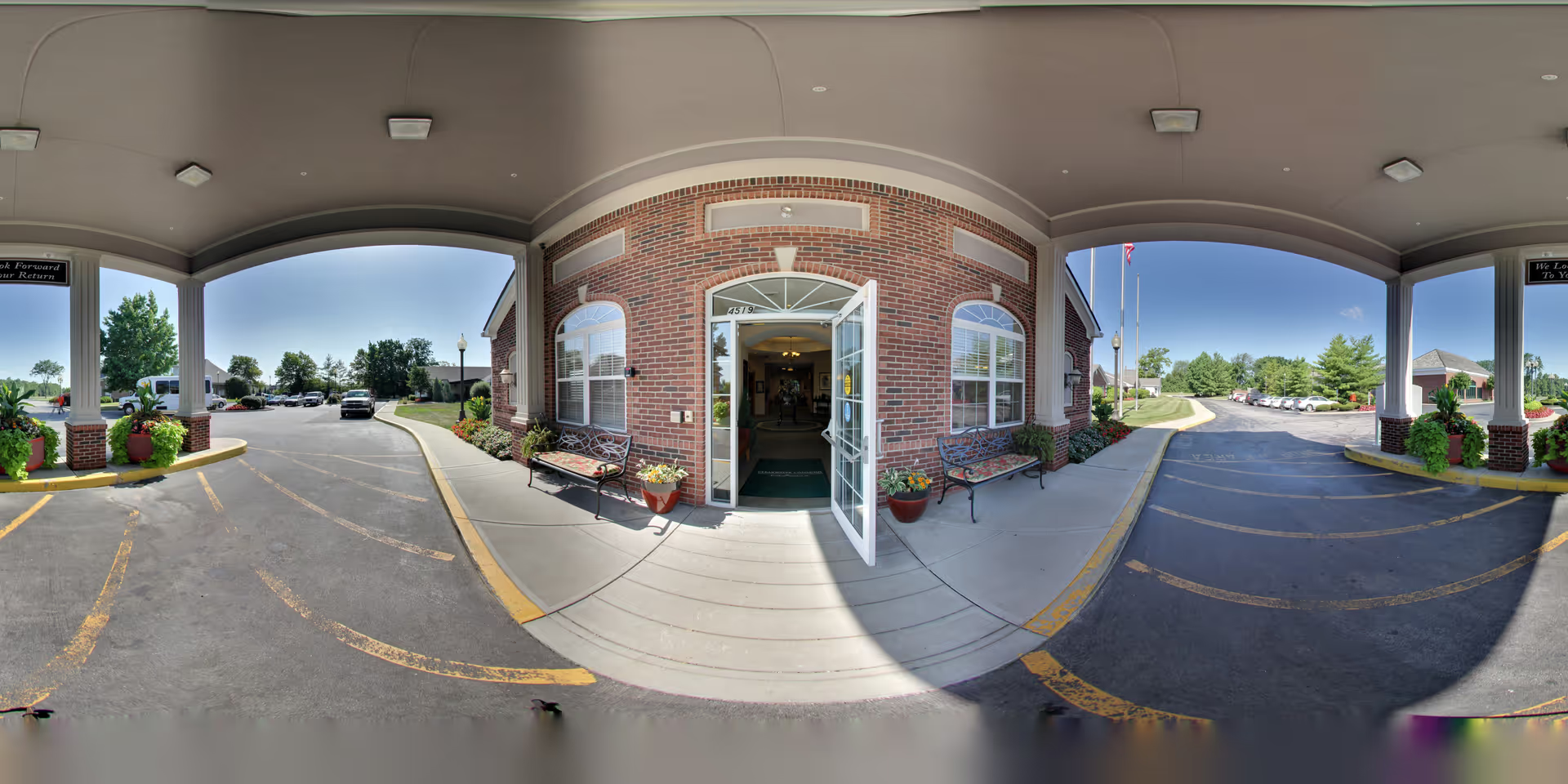
Meadow Brook Senior Living elicits strongly polarized impressions: many families describe a warm, attractive campus with attentive, compassionate employees and a wide range of amenities, while other families raise operational concerns that they believe affect clinical safety and day‑to‑day care. The facility's strengths include an engaged activities program, a visible wellness and activities leadership, numerous social opportunities and excursions, and a variety of on‑site amenities (movie theater, salon, bistro, therapy spaces). Apartment features such as in‑unit laundry, roomy bathrooms, and flexible dining/tray options are commonly highlighted, and several reviewers praised move‑in support, concierge services, and responsive maintenance.
Care and clinical services draw mixed commentary. Positive accounts emphasize respectful, person‑centered attention from caregivers, available on‑site therapy services and nurse practitioners, and supportive end‑of‑life/hospice interactions. However, recurring operational themes include inconsistent staffing levels (particularly at night), variability in clinical coverage after hours, and gaps in communication with families and designated POAs. These patterns have led some families to question medication-management practices, supervision during transfers and exits, and the reliability of assistance with activities of daily living.
Dining and activities are generally cited as strengths: many reviewers applaud the quality and variety of meals, communal dining experiences, and a robust calendar of classes, performances, and outings. At the same time, there are repeated comments about inconsistent meal quality (temperature and freshness) and occasional shortfalls in promised activity programming within the memory‑care neighborhood. Memory care itself receives mixed evaluations: the physical design and small‑neighborhood feel are often described as homelike, yet some families report limited engagement programming and increased isolation in apartment‑style units.
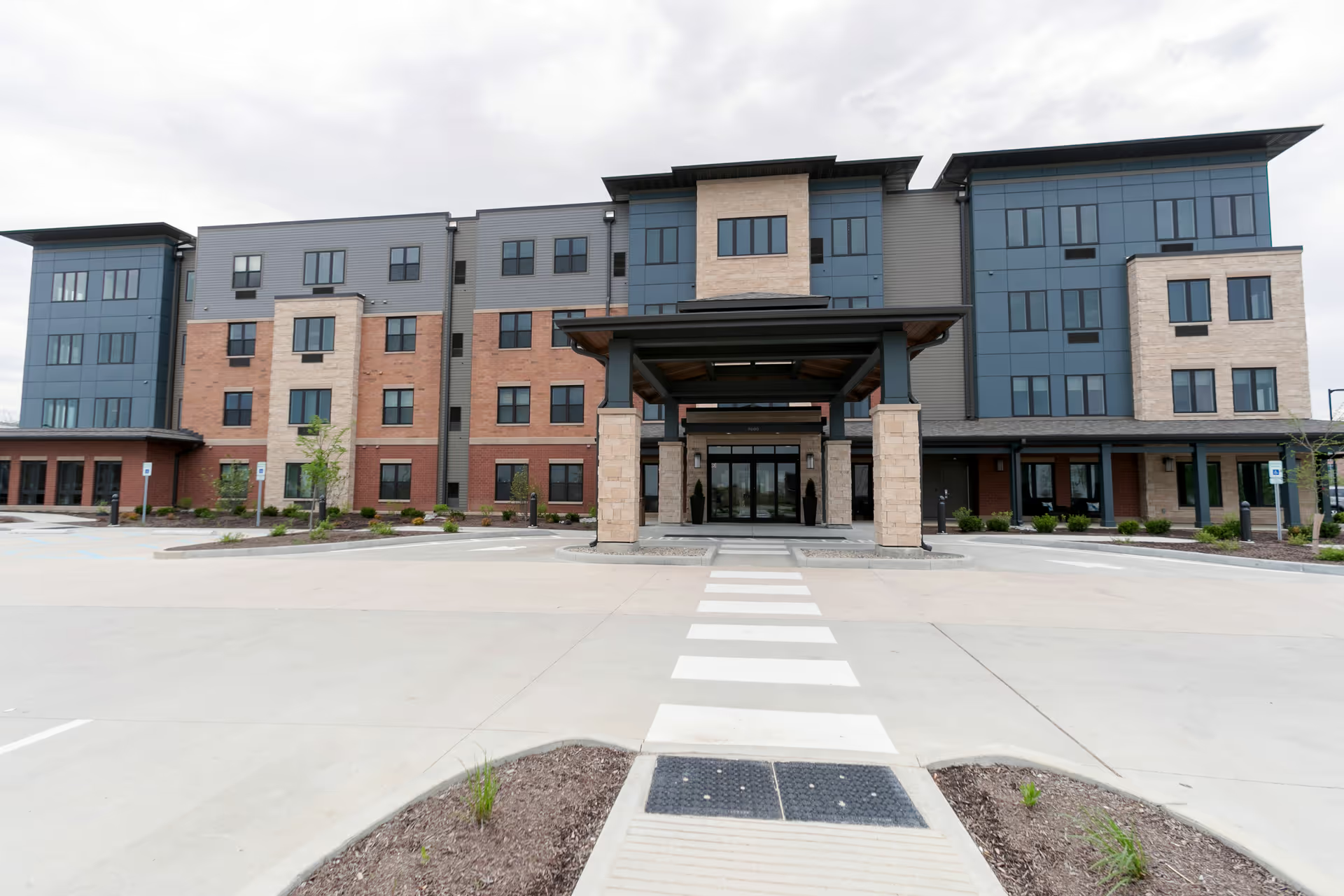
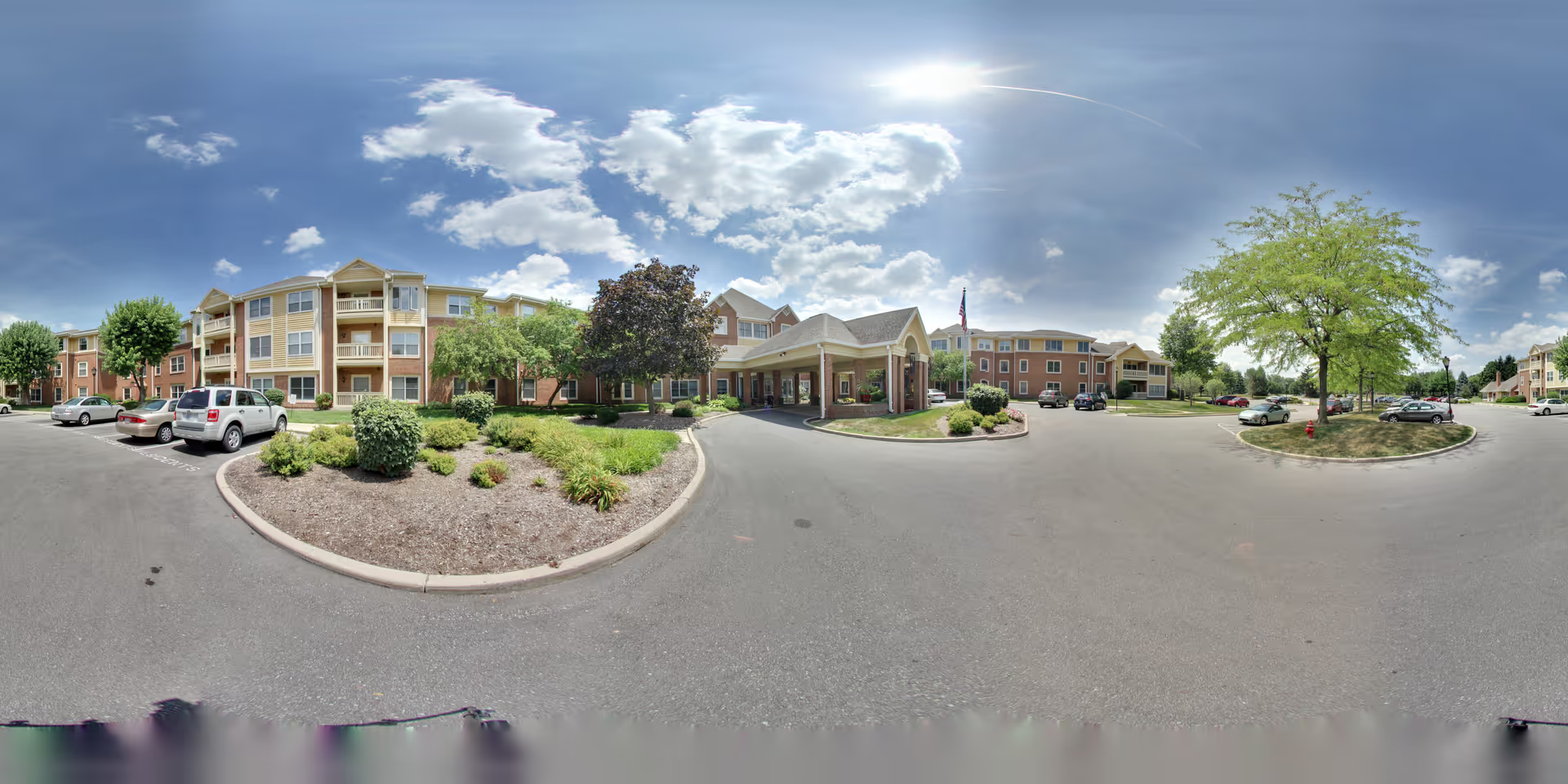
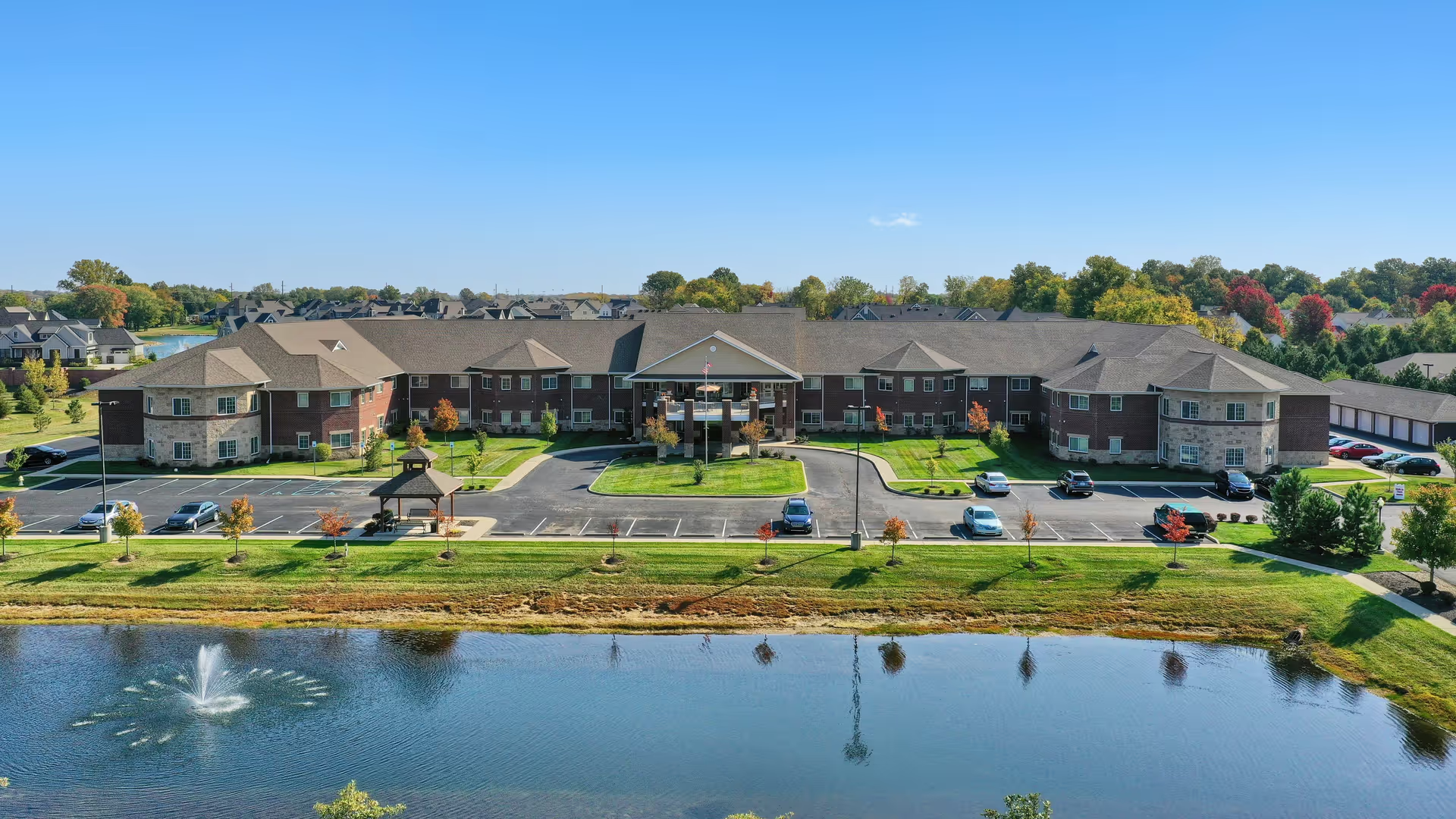
Facilities and operations present a contrast between well‑kept public spaces and uneven unit‑level services. The campus and common areas are frequently described as clean, modern, and well furnished, but there are multiple mentions of inconsistent housekeeping, sanitation issues in some units, and variability in room preparation. Management and leadership receive both praise for responsiveness and criticism for instability; reviewers note active leaders who have made positive impressions alongside concerns about turnover, unclear fee practices, restrictive outside‑care policies, and uneven follow‑through on complaints. A few reviews reference regulatory scrutiny and serious safety incidents; these are best explored directly with the provider and local oversight agencies.
Overall, Meadow Brook offers many of the amenities and social programs sought by prospective residents and families, and it has clear strengths in hospitality, activities, and certain clinical supports. Prospective residents should balance those positives against the operational patterns identified by others: ask specific questions about staffing ratios (especially nights), medication‑management protocols, family notification procedures, memory‑care programming schedules, housekeeping standards, and contract/fee transparency. An in‑person visit during different times of day and conversations with current residents and families can help clarify whether the facility's practical operations align with the positive aspects highlighted by many reviewers.